How Striped Bass Were Introduced to Elephant Butte Lake
You've probably stood on the shores of Elephant Butte Lake, feeling that vast expanse of water, and wondered about the incredible fishing it offers. Perhaps you've even tangled with one of its legendary striped bass, feeling that powerful tug that screams "ocean fish!" But then the question hits you: how in the world did a saltwater species end up thriving in a landlocked desert reservoir in the middle of New Mexico? It's a question many anglers ponder, and it's a fascinating story of intent, adaptation, and the dedicated efforts to create a truly unique fishery. This guide will unravel that mystery, taking you through the journey of how striped bass became an iconic part of the Elephant Butte fishing experience.
The Enigma of Striped Bass in the Desert
Imagine telling someone from the coast that you're going striped bass fishing in New Mexico. You'd likely get a confused look, perhaps a chuckle. Striped bass, or stripers as many call them, are synonymous with surf fishing, coastal estuaries, and open ocean battles. Their presence in Elephant Butte Lake is nothing short of remarkable, transforming a high-desert reservoir into one of the Southwest's premier trophy fisheries. For years, anglers have been drawn to the sheer size and fighting power of these fish, often catching specimens that would be prized even in their native saltwater habitats.
Why Stripers Feel Like They Belong
Even though they're not native to these inland waters, striped bass have adapted incredibly well to the unique environment of Elephant Butte Lake. They've found a way to thrive, creating a robust population that has surprised many. Their predatory nature and preference for open water made them an interesting candidate for introduction, but nobody could have predicted just how much they would flourish. The challenge, of course, was ensuring they had the right conditions and food sources to not just survive, but truly dominate. This amazing adaptation is a testament to the species' resilience and the carefully considered management strategies that brought them here.
The Angler's Curiosity: More Than Just a Catch
For those of us who spend countless hours on the water, the story behind the fish we pursue is often as compelling as the catch itself. Understanding how striped bass arrived at Elephant Butte adds another layer of appreciation to every fight, every landed fish. It transforms a simple fishing trip into an encounter with a living testament to human intervention and ecological success. It's not just about what lure to use, or the Best Time of Year to Catch Striped Bass at Elephant Butte; it's about connecting with the history of the fishery itself. This knowledge helps us to understand the broader ecosystem and our role within it.
The Visionary Introduction: A Bold Plan for New Mexico Waters
The introduction of striped bass into Elephant Butte Lake wasn't an accidental occurrence or a random act of nature. It was a calculated, strategic decision made by wildlife management agencies with a clear vision: to create a new, exciting sport fishery and to help manage existing fish populations. In the vast, sprawling desert landscape of New Mexico, finding new ways to enhance recreational opportunities is always a priority, and the potential of striped bass was too great to ignore.
The "Why": Population Control and Sport Fishing
Back in the late 1960s and early 1970s, the New Mexico Department of Game and Fish began exploring ways to diversify its warmwater fisheries. Elephant Butte Lake, already a popular destination, had a booming population of gizzard shad, a prolific forage fish. While shad are a great food source, an overabundance can sometimes lead to an imbalance in the ecosystem. Enter the striped bass. These voracious predators were seen as a perfect solution to help control the shad population, turning what some considered a problem into an opportunity. By introducing a top-tier predator, the hope was to establish a natural balance while simultaneously introducing an incredible game fish. It was a bold move, considering striped bass were primarily known as a coastal species.
The "When": Early Attempts and Learning Curves
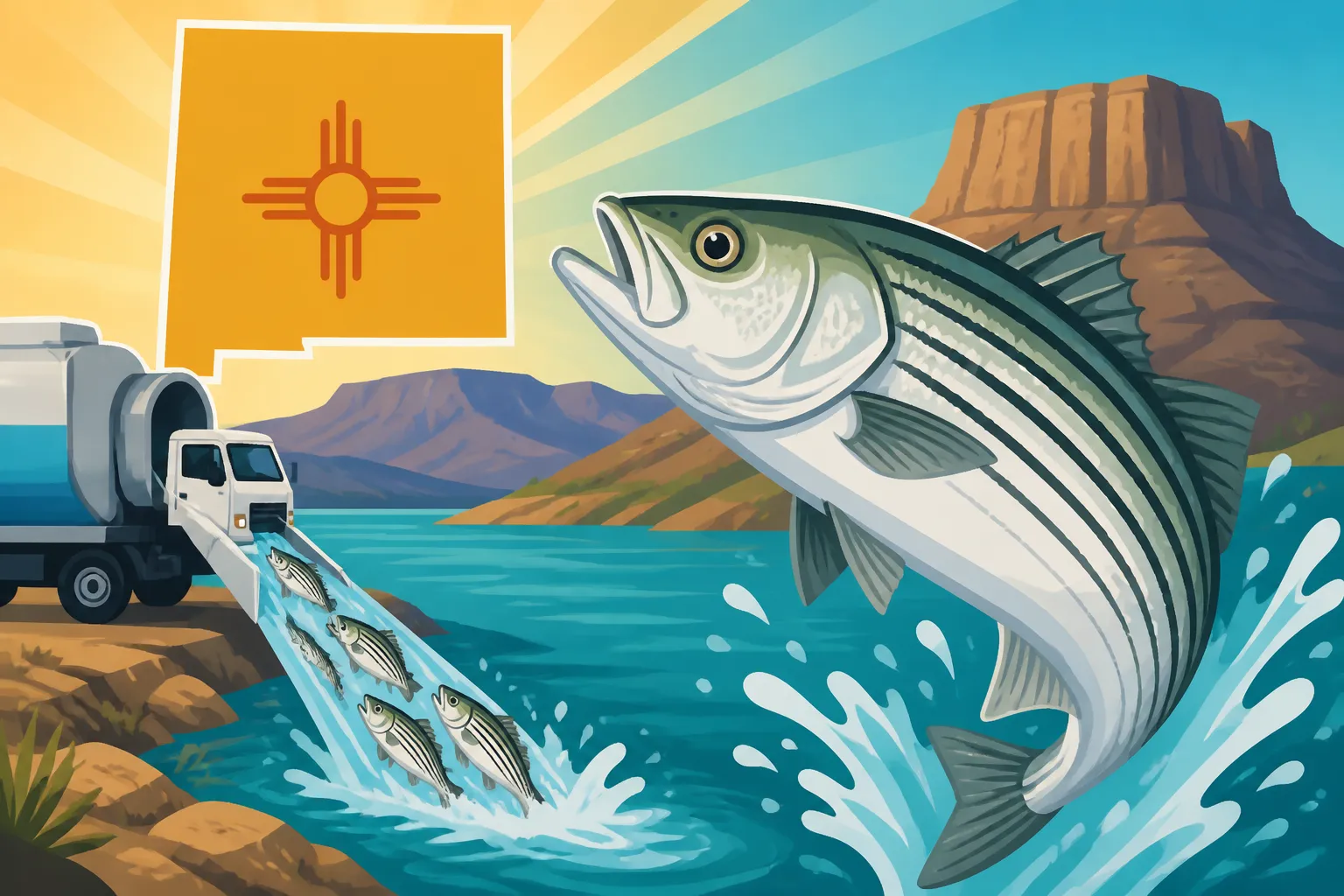
The initial introductions of striped bass to Elephant Butte Lake began in the early 1970s. These weren't just a few fish tossed into the water; they were carefully planned stocking efforts, often involving bringing juvenile stripers from states with established freshwater populations, such as California or Arkansas. It was a gradual process, with biologists closely monitoring water conditions, survival rates, and the impact on the existing ecosystem. These early years were crucial, as they provided invaluable data on whether the striped bass could truly adapt to a freshwater, high-desert environment. There were undoubtedly challenges and learning curves along the way, but the persistence of the wildlife agencies paid off handsomely, laying the groundwork for the incredible fishery we know today.
| Year Range | Key Actions & Observations | Outcome |
|---|---|---|
| Early 1970s | Initial stocking efforts of juvenile striped bass | Early survival rates monitored; adaptation to freshwater began |
| Mid-1970s | Continued stocking; first signs of growth and predatory behavior | Fish began establishing themselves; shad populations observed for impact |
| Late 1970s | First reports of successful angler catches; natural reproduction observed | Fishery started gaining recognition; confirmed successful adaptation and breeding |
| 1980s Onward | Self-sustaining population established; trophy sizes common | Elephant Butte becomes a premier striped bass fishery; continuous management |
From Stocking to Self-Sustaining Success: How Stripers Made Elephant Butte Home
The journey from initial stocking to a thriving, self-sustaining population for striped bass at Elephant Butte Lake is a remarkable tale of ecological adaptation. It’s one thing to introduce a new species; it’s another entirely for that species to establish a breeding population and become a permanent fixture in the ecosystem. This success story has made Elephant Butte one of the Best Places to Fish in New Mexico for those seeking a powerful fight.
The Perfect Storm: Ideal Conditions for Reproduction
For striped bass to reproduce, they need very specific conditions: a long stretch of flowing water with a sufficient current to keep their eggs suspended until they hatch. In their native coastal environments, this is typically found in large tidal rivers. In a reservoir, this is a much rarer commodity. However, Elephant Butte Lake, fed by the Rio Grande, provided just enough of these critical conditions, especially during periods of higher runoff and regulated flows. The vast size of the lake, combined with the inflowing river, created a unique freshwater environment that mimicked the migratory and spawning needs of the stripers. This wasn't just luck; it was a result of understanding the fish's biology and observing how the lake's hydrodynamics could support it.
Thriving on Abundance: The Shad Connection
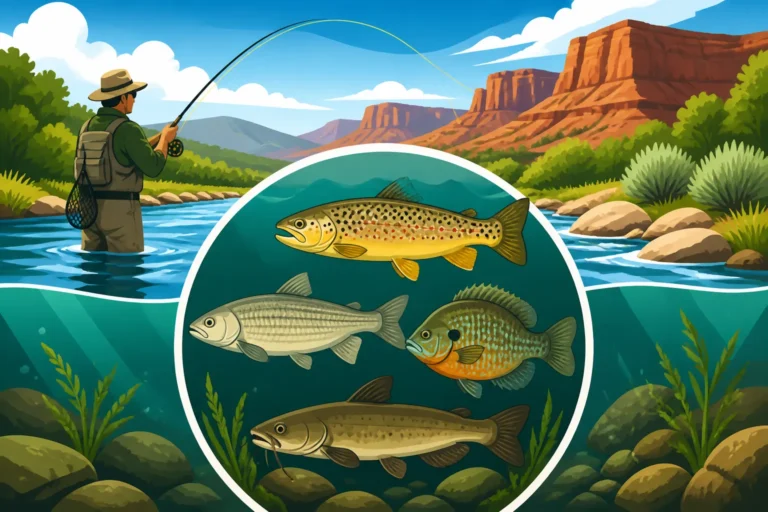
Once the striped bass larvae hatched, they needed a readily available food source to grow. This is where the abundant gizzard shad population played its critical role. Elephant Butte Lake was, and still is, teeming with these small, oily baitfish, providing a virtually endless buffet for the growing stripers. This rich food supply allowed the striped bass to not only survive but to grow to impressive sizes, quickly becoming the apex predators of the lake. Their predatory efficiency on shad also meant that the initial goal of controlling the shad population was being met, creating a healthier, more balanced fishery overall. You can find all sorts of information on the Fish Species Found in New Mexico if you're curious about the diverse underwater world of our state.
The Evolution of Fishing Techniques
As the striped bass population exploded, so too did the techniques and gear needed to catch them. Anglers had to adapt from targeting typical warm-water species like bass and catfish to pursuing these hard-fighting bruisers. Heavy-duty spinning and baitcasting gear became essential, as did understanding the unique habits of stripers. Many anglers started exploring new lures and baits, from large swimbaits and crankbaits to live gizzard shad. Online retailers like Amazon became a popular spot for New Mexico anglers to find specialized tackle, heavy lines, and robust rods and reels specifically designed for these powerful fish. The learning curve was steep, but the rewards—in the form of massive stripers—were well worth it.
Ecological Impacts and Angler Opportunities
The introduction of striped bass into Elephant Butte Lake profoundly reshaped its ecosystem and created unparalleled opportunities for anglers. It's a testament to thoughtful fisheries management, demonstrating how a non-native species, when carefully introduced, can enhance a recreational resource without causing undue ecological harm. This bold move has secured Elephant Butte's reputation as a top-tier fishing destination. If you're looking for general information on regulations, be sure to check out the New Mexico Fishing Regulations Overview.
Reshaping the Aquatic Ecosystem
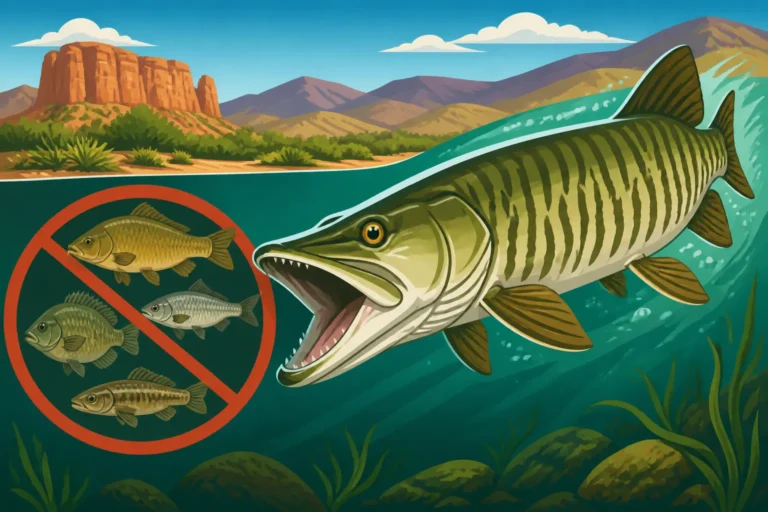
The primary ecological impact of introducing striped bass was, as intended, their role in managing the gizzard shad population. By becoming the dominant predator in the open waters of the lake, they helped keep the prolific shad in check, preventing overpopulation that could strain the ecosystem's resources. This balance benefits other game fish, ensuring a healthier food web. However, their predatory nature also means they compete with other species for food. While some might worry about competition, the sheer size and productivity of Elephant Butte Lake have generally allowed for a diverse range of species to coexist, with stripers largely occupying a niche that complements the existing fishery. It’s a delicate balance that fishery biologists continue to monitor closely, ensuring the long-term health of the lake.
Unforgettable Angling Experiences
For anglers, the arrival of striped bass at Elephant Butte Lake was a game-changer. Suddenly, New Mexico had a fishery capable of producing truly trophy-sized fish with incredible fighting power. Landing a 20-pound-plus striper from a freshwater lake in the desert is an experience that rivals many saltwater adventures. This drew anglers from all over the region, eager to test their skills against these powerful fish. Whether you're trolling with heavy gear, casting large plugs from shore, or drifting live bait, the potential for a heart-stopping strike is always present. Many dedicated anglers have honed their skills specifically for Elephant Butte Lake Striped Bass Fishing, often spending hours on the water perfecting their techniques. The chase for a New Mexico State Record Striped Bass is a driving force for many.
Gear and Tactics for Success
To successfully pursue these giants, anglers often invest in specialized equipment. A sturdy rod and reel combo capable of handling powerful runs and heavy lures is essential. Lines in the 20-30 pound test range are common, and for those who prefer to buy their gear online, platforms like Amazon offer a huge selection of specialized rods, reels, and lines suitable for battling these freshwater titans. When it comes to lures, large crankbaits, swimbaits, and topwater plugs that mimic shad are highly effective. Some anglers even rig up a live gizzard shad on a Carolina rig for a more natural presentation. Understanding the seasonal movements and feeding patterns of stripers, as detailed in guides like What Striped Bass Eat at Elephant Butte Lake and How to Catch Striped Bass From Shore, is crucial for consistent success. It’s a fishery that demands respect and preparation, but rewards anglers with incredible battles and lifelong memories.
Conservation and Future Outlook
While striped bass are not native, their integration into Elephant Butte Lake has largely been a success story for recreational fishing. However, ongoing conservation efforts are vital to ensure the fishery remains healthy and balanced. This includes monitoring water levels, managing forage fish populations, and educating anglers on responsible fishing practices, including catch-and-release, especially for larger breeding fish. The New Mexico Fishing Season Calendar provides important dates and information that can help anglers plan their trips around species activity. The striped bass fishery at Elephant Butte stands as a testament to innovative fisheries management, providing a unique and thrilling angling experience in the heart of New Mexico's high desert.
Disclaimer
This article is for general informational purposes only and does not constitute professional advice. Laws, prices and regulations vary by location and change over time. Consult a qualified professional for guidance on your specific situation.