Do You Need a Trolling Motor for Kokanee Fishing?
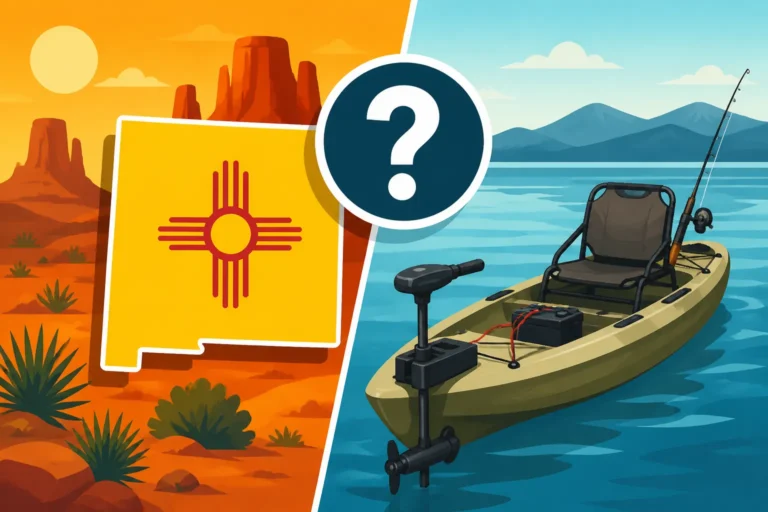
One of the most common questions I hear from fellow anglers looking to specifically target Kokanee salmon in New Mexico is whether a dedicated trolling motor is truly a must-have piece of equipment. It’s a valid concern, especially considering the investment, but the answer often lies in understanding the unique habits of Kokanee and the precision required to consistently catch them. This guide will dive deep into whether a trolling motor is essential for your Kokanee pursuits, exploring its advantages, when you might be able to get by without one, and how to choose the right one if you decide to make the leap.
Understanding Kokanee Fishing and Trolling's Role
Kokanee salmon are a special kind of fish, and catching them consistently often demands a particular approach. They aren't like bass that ambush from cover or catfish that linger on the bottom. To really understand if a trolling motor fits into your Kokanee strategy, you need to appreciate what makes these landlocked sockeye tick.
The Nature of Kokanee Salmon and Their Habits
Kokanee are pelagic, meaning they live in the open water column, typically suspending over deep water rather than hugging structures. They are also notoriously particular about water temperature, often congregating in specific thermoclines where conditions are just right. This means finding them requires covering water, but not just any water – it has to be the right depth and temperature. They also feed primarily on zooplankton, which dictates their mouth structure and how they strike. They have soft mouths and are easily spooked by sudden movements or loud noises.
When you're out on a lake like Navajo Lake or Heron Lake, targeting Kokanee, you'll notice that they often school up, and once you find a school, the goal is to stay with them. Their migratory patterns within a lake can change with seasons and even daily light conditions. This makes covering a lot of ground at a slow, steady pace crucial. Imagine trying to keep your boat at a consistent 1.0 to 1.5 mph over a specific depth contour with just your main outboard engine – it's a constant struggle of bumping in and out of gear, creating noise and jerky movements that can scatter a school before you even present your lure effectively.
Why Trolling is a Go-To Technique for Kokanee
Given their habits, trolling is by far the most effective and popular method for catching Kokanee salmon in New Mexico. Trolling allows you to present multiple lures at different depths, mimicking the small prey they feed on, and cover large expanses of open water where they roam. But it's not just about moving forward; it's about control. Precision trolling involves maintaining a very specific speed, often between 0.8 and 1.8 miles per hour, adjusting constantly for wind, current, and subtle changes in boat direction.
This deliberate, slow presentation is critical. Kokanee are sensitive fish, and a smooth, quiet approach is key to success. You want your lures to appear natural, not as if they're being dragged erratically. This is especially true in clearer waters where fish have better visibility and can be easily put off by a roaring outboard or jerky boat movements. The ability to make subtle course corrections without disturbing the water too much, and to maintain a consistent speed for extended periods, is where a dedicated trolling motor truly shines. It allows you to focus on your Trolling Techniques for New Mexico Lakes rather than wrestling with your main engine.
Is a Trolling Motor Essential for Kokanee?
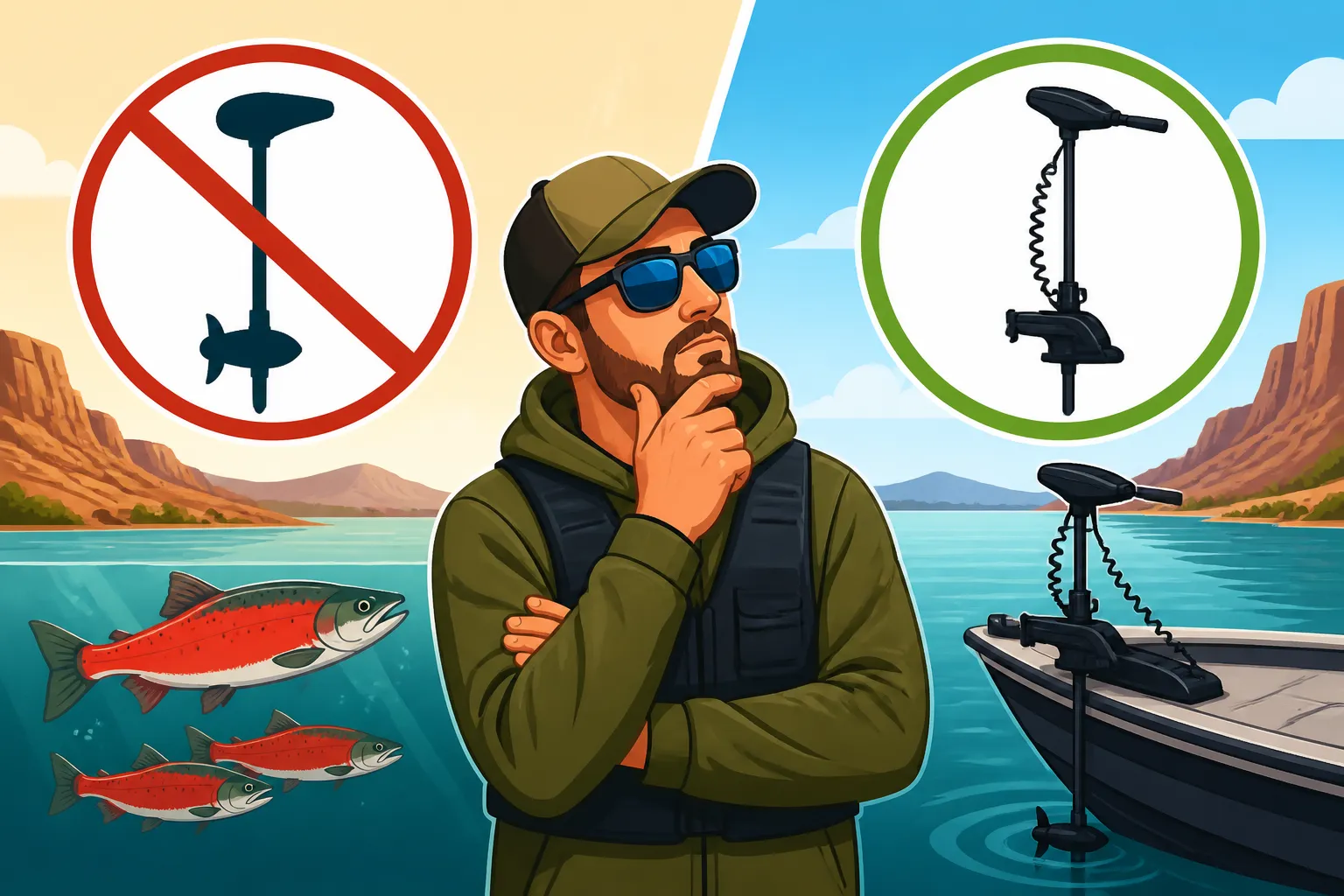
This is the million-dollar question for many anglers. While some might argue that no single piece of gear is absolutely "essential," the reality for consistent Kokanee success leans heavily towards the affirmative for a trolling motor. However, let's explore both sides of the coin.
When You Can Get By Without One
If you're an occasional angler, perhaps just dipping your toes into Kokanee Salmon Fishing in New Mexico for the first time, or if you're only planning a short trip and have limited resources, you might try to get by without a dedicated trolling motor. For larger boats with efficient main engines, some anglers attempt to troll by frequently bumping their main outboard in and out of gear. This can work for very short periods, or in calm conditions on a smaller body of water, but it's far from ideal.
Another scenario where you might manage is if you're fishing from a very small boat, like a kayak or canoe, and you're relying purely on paddle power or a very small, short-duration electric motor. Even then, maintaining the precise speed and direction for Kokanee trolling can be incredibly tiring and inefficient. If you're targeting Kokanee incidentally while fishing for other species like trout or bass, and trolling isn't your primary method, then the necessity decreases. But for dedicated Kokanee trips where you want to maximize your chances, the limitations of going without a trolling motor quickly become apparent.
The Advantages a Trolling Motor Offers
The benefits of a trolling motor for Kokanee fishing are numerous and directly address the challenges of targeting this species. First and foremost is precision speed control. Trolling motors, especially those with variable speed settings or GPS-enabled spot-lock features, allow you to dial in your exact speed and maintain it regardless of wind or current. This is critical for getting your lures to run at the optimal depth and action. Imagine trying to stay at exactly 1.2 mph against a light breeze with your main engine; it's nearly impossible.
Secondly, stealth is a huge advantage. Electric trolling motors are incredibly quiet compared to a gasoline outboard. This matters immensely when fish are spooky or in clear water. You don't want the noise and vibration of a sputtering gas engine sending schools of Kokanee scattering. Thirdly, maneuverability and hands-free operation are game-changers. With a bow-mounted trolling motor, you can often control it with a foot pedal or a remote control, leaving your hands free to manage rods, adjust downriggers, or fight fish. This is particularly valuable when you're running multiple lines, as is common in Heron Lake Kokanee Salmon Fishing or Navajo Lake Kokanee Salmon Fishing. The ability to make slight course corrections with a tap of your foot while watching your Best Fish Finders for New Mexico Reservoirs for fish marks is invaluable.
Finally, battery efficiency and endurance have vastly improved in modern trolling motors. While you'll need a dedicated deep-cycle battery (or two!), they are designed for long hours of continuous low-speed operation. This means you can spend an entire day silently working prime Kokanee water without worrying about constantly restarting a gas kicker or draining your main engine's starting battery. When you consider the factors that lead to consistent Kokanee catches – precise speed, stealth, and control – a trolling motor moves from "nice-to-have" to "nearly essential."
Choosing the Right Trolling Motor for New Mexico Kokanee
If you've decided that a trolling motor is indeed going to be a crucial addition to your Kokanee arsenal, the next step is selecting the right one. This isn't a one-size-fits-all decision, as various factors will influence your choice.
Key Features to Consider: Thrust, Battery, Mount Type
When looking at trolling motors, three primary factors stand out: thrust, battery configuration, and mount type. Thrust is measured in pounds and dictates how much pushing or pulling power the motor has. A general rule of thumb is to have at least 2 pounds of thrust for every 100 pounds of boat weight (fully loaded with gear and people). However, for Kokanee fishing, where you'll be actively fighting wind on large New Mexico reservoirs, it's often better to slightly overestimate. You don't need a motor that will make your boat plane, but you do need enough power to maintain a consistent slow troll against headwinds and currents. For many boats 16-20 feet, a 55-80 lb thrust motor is often sufficient for dedicated Kokanee work.
Next, consider the battery configuration. Most electric trolling motors run on 12-volt, 24-volt, or 36-volt systems. A 12-volt motor requires one deep-cycle marine battery, a 24-volt requires two, and a 36-volt requires three. More batteries mean more power, longer run times, and often more thrust, but also more weight and charging complexity. For typical Kokanee trolling, a 24-volt system with two good deep-cycle batteries provides an excellent balance of power and endurance for most medium-sized boats. Make sure you also invest in a quality on-board charger or a good portable one.
Finally, the mount type is crucial. For serious Kokanee trolling, a bow-mount trolling motor is almost always preferred. It pulls the boat rather than pushes it, offering superior control and maneuverability, especially in windy conditions. Many bow-mounts come with advanced features like GPS-guided "spot-lock" (which acts like an electronic anchor, holding your boat in place) and integrated transducers for your fish finder. Transom-mount motors are less expensive and easier to install, but they offer less precise control for intricate trolling patterns and can be awkward to operate while managing other fishing tasks. While browsing options, you can often find a wide range of bow-mount and transom-mount motors at retailers like Bass Pro Shops or through online stores such as Amazon, allowing you to compare features and prices.
Electric vs. Gas Kicker Motors for Trolling
While we've focused heavily on electric trolling motors, it's worth briefly touching on gas kicker motors as an alternative for trolling. A gas kicker motor is a small, auxiliary gasoline outboard, usually 9.9 horsepower or less, mounted alongside your main engine. They offer impressive fuel efficiency and can troll for days on minimal fuel, making them a good option for multi-day trips or very large boats needing more pushing power for heavier loads.
However, gas kickers have their downsides when compared to electric options for Kokanee. They are inherently noisier, creating vibrations and engine hum that can be less stealthy than an electric motor. While they can be very good at maintaining a consistent speed, they often lack the precise, instantaneous directional control of a bow-mounted electric trolling motor, especially those with foot pedals or wireless remotes. They also require maintenance similar to a main outboard. For some anglers, a gas kicker is the preferred choice for sheer endurance and power, particularly on vast bodies of water where covering immense distances is part of the strategy. But for the nuanced, stealthy, and precise trolling that Kokanee often demand, an electric trolling motor, particularly a bow-mounted one with advanced features, often comes out ahead.
| Feature | Electric Trolling Motor (Bow Mount) | Gas Kicker Motor |
|---|---|---|
| Primary Use | Precision trolling, subtle control | Long-distance trolling, auxiliary power |
| Noise Level | Very quiet, stealthy | Noticeable engine noise, vibrations |
| Speed Control | Highly precise, variable speed | Good, but less precise at very slow speeds |
| Maneuverability | Excellent, hands-free options | Good, often requires manual steering |
| Power Source | Deep-cycle batteries | Gasoline |
| Run Time | Limited by battery capacity | Excellent, limited by fuel tank size |
| Installation | More complex for bow mount | Simpler, transom clamp-on |
| Cost (Initial) | Moderate to High | Moderate to High |
| Maintenance | Battery care, electrical checks | Engine maintenance, fuel system |
Setting Up Your Boat for Kokanee Trolling
Once you have your trolling motor, integrating it seamlessly into your boat's setup is key to maximizing its effectiveness for Kokanee. It’s not just about bolting it on; it's about creating a cohesive system that works with your other gear.
Integration with Downriggers and Fish Finders
For serious Kokanee anglers, a trolling motor is often just one part of a sophisticated system. Downriggers are almost universally used to present lures at precise, controlled depths far below the surface, where Kokanee frequently hold. Your trolling motor provides the slow, steady forward motion, allowing your downriggers to operate effectively without jerking or tangling. When you make a subtle turn with your trolling motor, your downrigger weights and lines follow smoothly, maintaining your presentation. You can find excellent advice on Best Boats for New Mexico Reservoir Fishing that are already rigged for this kind of setup.
Furthermore, a quality fish finder is indispensable. Many modern bow-mount trolling motors come with built-in transducers that integrate directly with your fish finder display, offering clear sonar readings right where your motor is pointing. This allows you to monitor depth, water temperature, and most importantly, mark schools of Kokanee and baitfish as you troll. With precise speed control from your trolling motor, you can then make minute adjustments to your course or speed to stay on top of a hot bite. This synergy between trolling motor, downriggers, and fish finder is what turns a good day into a great day of Kokanee fishing.
Battery Management and Charging Tips
The performance of your electric trolling motor is only as good as its battery system. Proper battery management is critical to ensure you have power throughout your fishing trip. Always use deep-cycle marine batteries specifically designed for sustained discharge, not starting batteries which are meant for short bursts of high power. If you have a 24-volt or 36-volt system, make sure your batteries are wired correctly in series.
After every trip, even if you only used your trolling motor for a short time, recharge your batteries fully. Leaving them in a discharged state can significantly reduce their lifespan. An on-board charger is a fantastic investment, as it charges all your batteries simultaneously and typically has a "smart" charging feature to prevent overcharging. If you're using portable chargers, make sure they are appropriate for deep-cycle batteries. Always check battery terminals for corrosion and keep them clean and tight to ensure good electrical contact. A little proactive maintenance will ensure your trolling motor is always ready to stealthily guide you to those elusive New Mexico Kokanee. Remember to always consult the New Mexico Boat Registration and Titling Guide for any battery or electrical system requirements specific to your vessel type.
Disclaimer
This article is for general informational purposes only and does not constitute professional advice. Laws, prices and regulations vary by location and change over time. Consult a qualified professional for guidance on your specific situation.