Best Bait Rig for Catfish on the Rio Grande
The Rio Grande, a majestic artery running through the heart of New Mexico, presents some fantastic opportunities for catfishing. But if you've ever tried to tackle its currents, shifting bottom, and sometimes snaggy environments, you know it's not always as simple as tossing out a line. Getting the right bait rig can be the difference between a frustrating day of re-tying snags and a memorable one filled with the strong pulls of a feisty channel catfish. This guide will walk you through the best rig setups to maximize your chances on this incredible river.
Understanding the Rio Grande's Unique Catfish Environment
Before we dive into specific rigs, it's really helpful to understand the environment you're fishing. The Rio Grande isn't a stagnant lake; it's a dynamic river with varying flows, depths, and bottom compositions. What works in one section might be completely ineffective just a few miles downstream. Catfish are masters of their environment, and understanding their preferences will inform your rig choice.
Navigating the Currents and Bottom Composition
The Rio Grande's current can range from a gentle flow in wider, slower sections to a surprisingly swift push in narrower channels or after rain events. This current is a huge factor in how your bait rig behaves. Too light of a weight, and your bait will just tumble downstream, never really settling where the catfish are holding. Too heavy, and it might just sink into the soft, silty bottom, becoming buried and unnoticeable.
The bottom itself is equally varied. You'll find areas of soft, muddy silt where channel catfish love to root around for food. Other sections might be gravelly or even rocky, particularly in reaches further upstream or below dam outflows. These rocky areas can be snag magnets, making specific rigs much more appropriate. Knowing if you're fishing a relatively clean bottom or a hazard-filled one is critical for choosing a rig that minimizes snags and maximizes presentation. Consider checking local conditions and recent rainfall before heading out, as these factors drastically change the river's character.
Identifying Key Catfish Holding Structures
Catfish, especially the bigger ones, are ambush predators and opportunistic feeders. They love places where they can conserve energy and wait for food to come to them, or where they can easily scavenge. This means targeting structures. Look for deep holes, often found on the outside bends of the river, where the current has scoured out the bottom. Eddies, those swirling pockets of calmer water just downstream from an obstruction, are also prime real estate. Food gets funneled into these spots, making them a buffet for catfish.
Undercut banks, fallen trees, brush piles, and even submerged bridge pilings offer cover and current breaks. These are sanctuaries for catfish during the day and excellent feeding grounds during low light. When you arrive at your chosen fishing spot, take a moment to "read" the water. Look for changes in current, darker patches that might indicate deeper water, or visible snags. This reconnaissance will help you decide not just where to cast, but also which rig will best present your bait in that specific scenario. Sometimes, just walking a short stretch of bank can reveal many potential Where to Catch Channel Catfish in the Rio Grande.
Essential Gear Components for Rio Grande Catfishing Rigs
Building the best bait rig starts with having the right foundational gear. You can have the perfect hook and sinker combination, but if your rod, reel, or line isn't up to the task, you're going to have a bad time when that big Rio Grande whiskerfish decides to bite. Catfishing here isn't like delicate trout fishing; you need robust equipment that can handle strong currents and even stronger fish.
Choosing the Right Rod, Reel, and Line
For catfishing on the Rio Grande, you're generally looking for strength and durability. Forget your ultralight trout setup; this is heavy-duty work. A medium-heavy to heavy action spinning or baitcasting rod, typically 7 to 9 feet long, is ideal. The longer rod helps with casting heavier weights and provides better leverage when fighting a strong fish in current. You need a rod with a good backbone to set the hook firmly and to pull a heavy fish away from snags.
Pair that rod with a robust reel. A spinning reel in the 4000 to 6000 size range, or a baitcasting reel with a reliable drag system, will serve you well. Make sure it can hold a good amount of line. Speaking of line, this is not the place to skimp. Monofilament fishing line in the 15-30 pound test range is a popular choice for its abrasion resistance and shock absorption. However, many experienced anglers prefer braided line of similar breaking strength (e.g., 30-50 lb test) because of its incredible strength-to-diameter ratio, lack of stretch for better bite detection, and superior abrasion resistance against rocks and logs. If using braid, consider a monofilament or fluorocarbon leader to provide a bit of shock absorption and to make tying knots easier. For more general advice on line, you might find some useful comparisons in Best Line Test for Catfish Fishing in New Mexico. You can often find great deals on these components at retailers like Bass Pro Shops or online through Amazon.
Selecting Hooks and Swivels for Success
The right hook is paramount. For catfish, especially if you're planning on practicing catch and release, circle hooks are highly recommended. They are designed to hook fish in the corner of the mouth, which greatly reduces gut-hooking and increases survivability. Sizes ranging from 4/0 to 8/0 are common, depending on the size of your bait and the target fish. If you prefer a J-hook, choose a strong, wide-gap hook in similar sizes to accommodate chunkier baits. Always choose hooks that are sharp and strong enough not to bend out under pressure.
Swivels are another unsung hero in a good catfish rig. They prevent line twist, especially when using cut bait that might spin in the current. A good quality barrel swivel or, even better, a heavy-duty ball bearing swivel, helps keep your line manageable. They also act as a connection point between your main line and your leader, and in some rigs, they are integral to the setup itself. Size 2 to 7 swivels are generally appropriate for Rio Grande catfishing, depending on the overall strength of your setup. Don't forget that many specialized catfish hooks and heavy-duty swivels are readily available at stores like Bass Pro Shops.
The Importance of Appropriate Weights and Sinkers
Weights, or sinkers, are what get your bait down to where the catfish are and hold it there against the current. This is where the Rio Grande's varying conditions really come into play.
- Egg Sinkers: These are probably the most common for the Carolina rig. They have a hole through the middle, allowing your main line to slide through. This lets a biting fish pull line without immediately feeling the weight, which can lead to more solid hooksets. Sizes can range from 1/2 ounce to 2 ounces or more, depending on current speed.
- No-Roll Sinkers: As the name suggests, these are designed with flat sides to resist rolling in strong currents. They are excellent for keeping your bait stationary in a specific spot.
- Pyramid Sinkers: With their pyramid shape, these sinkers dig into soft or sandy bottoms, providing excellent anchoring in strong currents. They are a good choice when you want your bait to stay put.
- Bank Sinkers: A common teardrop shape, versatile for many conditions.
- Bell Sinkers: Often used for bottom fishing rigs, they are less likely to snag than pyramid sinkers in some situations.
The weight you choose depends entirely on the current. On a slow, gentle stretch, a 1/2 ounce egg sinker might be plenty. After heavy rains, you might need a 2-ounce pyramid sinker just to keep your bait from washing away. It's always a good idea to carry a variety of sinker sizes and types in your tackle box. Many anglers find it convenient to order their catfish specific gear, like specialized circle hooks or larger sinkers, from Amazon.
Tried-and-True Catfish Rigs for the Rio Grande
Now that we've covered the components, let's put them together into some of the most effective bait rigs for catfishing the Rio Grande. Each rig has its strengths and is suited for different river conditions.
The Versatile Carolina Rig (Sliding Sinker)
The Carolina rig, often called a sliding sinker rig by catfishermen, is perhaps the most popular and versatile rig for targeting catfish on the bottom. Its design allows the fish to pick up the bait and move off with it without immediately feeling the full weight of the sinker, leading to a more confident bite and better hooksets.
How to Tie It:
- Thread an egg sinker onto your main line.
- Tie a bead onto your main line, positioned directly below the egg sinker. The bead protects your knot from the sinker's repeated impact.
- Tie a heavy-duty barrel swivel to the end of your main line.
- To the other end of the swivel, tie a leader line (typically 12-24 inches of monofilament or fluorocarbon, slightly lighter than your main line).
- Tie your preferred catfish hook (e.g., a 4/0 to 8/0 circle hook) to the end of the leader.
When to Use It: The Carolina rig is fantastic for most situations on the Rio Grande. It works well in moderate currents and over relatively clean or silty bottoms. It's great for bank fishing where you want your bait to sit patiently in a hole or eddy. You can let the current slightly move the bait or keep it stationary. This rig is especially effective for species like channel catfish, which are abundant in the Rio Grande.
The Snag-Reducing Santee Cooper Rig
The Santee Cooper rig is a variation of the Carolina rig, specifically designed to keep your bait slightly off the bottom. This is incredibly useful when fishing over snaggy terrain, such as rocky sections, brush piles, or areas with dense submerged vegetation. By elevating your bait, you significantly reduce the chances of getting hung up.
How to Tie It:
- Start with the basic Carolina rig setup: egg sinker on the main line, followed by a bead, then a barrel swivel.
- To the leader coming off the swivel, add a small, brightly colored foam float (often called a peg float or Santee Cooper float) about 2-6 inches above your hook. The float needs to be small enough not to create too much lift against the current, but buoyant enough to keep your bait suspended just off the bottom.
- Tie your hook to the end of the leader.
When to Use It: If you're constantly losing rigs to snags on the Rio Grande, the Santee Cooper rig is your best friend. It's perfect for targeting catfish that might be cruising just above the bottom or hiding in cover. The small float not only helps prevent snags but also adds a little visual attractor to your bait. This rig shines when fishing structure-rich areas or places where the bottom is uneven and prone to swallowing your bait.
The Robust Three-Way Swivel Rig
The three-way swivel rig is a powerful and adaptable setup, particularly effective in stronger currents or when you want to present multiple baits, or perhaps use a heavier sinker without affecting your bait's movement as much. It's often used when targeting larger fish or when fishing deeper, faster stretches of the river.
How to Tie It:
- Tie your main line to one eye of a three-way swivel.
- To a second eye of the swivel, tie a short leader (typically 6-12 inches) with a sinker on the end. This is your dropper line for the weight.
- To the third eye of the swivel, tie a longer leader (12-36 inches) with your hook and bait on the end.
When to Use It: This rig is excellent for maintaining a stable bait presentation in strong currents. The sinker hits the bottom, but your bait is suspended at a specific depth determined by the length of your hook leader. You can easily adjust the sinker weight without disturbing your bait presentation. It’s also very effective if you want to keep your bait away from the main current, perhaps in a calmer eddy, while the sinker holds firm in the faster flow. It offers a lot of control over your bait's depth and placement.
Here's a quick comparison of these popular rigs:
| Rig Type | Best For | Key Advantage | Potential Drawback |
|---|---|---|---|
| Carolina Rig | General bottom fishing, moderate current | Natural bait presentation, fish don't feel weight | Can snag on rocky bottoms |
| Santee Cooper | Snaggy bottoms, structure, moderate current | Keeps bait off bottom, reduces snags | Float can add drag in very strong currents |
| Three-Way Swivel | Strong currents, deep water, precise depth | Excellent stability, versatile for multiple baits | Can be prone to tangles if leaders are too long |
Strategic Baiting and Fishing Tactics
Having the right rig is only half the battle; what you put on the hook and how you fish it are just as crucial. Catfish are not picky eaters, but they definitely have their preferences, and presenting your bait correctly can make all the difference.
Top Baits for Rio Grande Catfish
The beauty of catfishing is the sheer variety of baits you can use. The Rio Grande's channel catfish are known to eat almost anything, but some baits consistently outperform others.
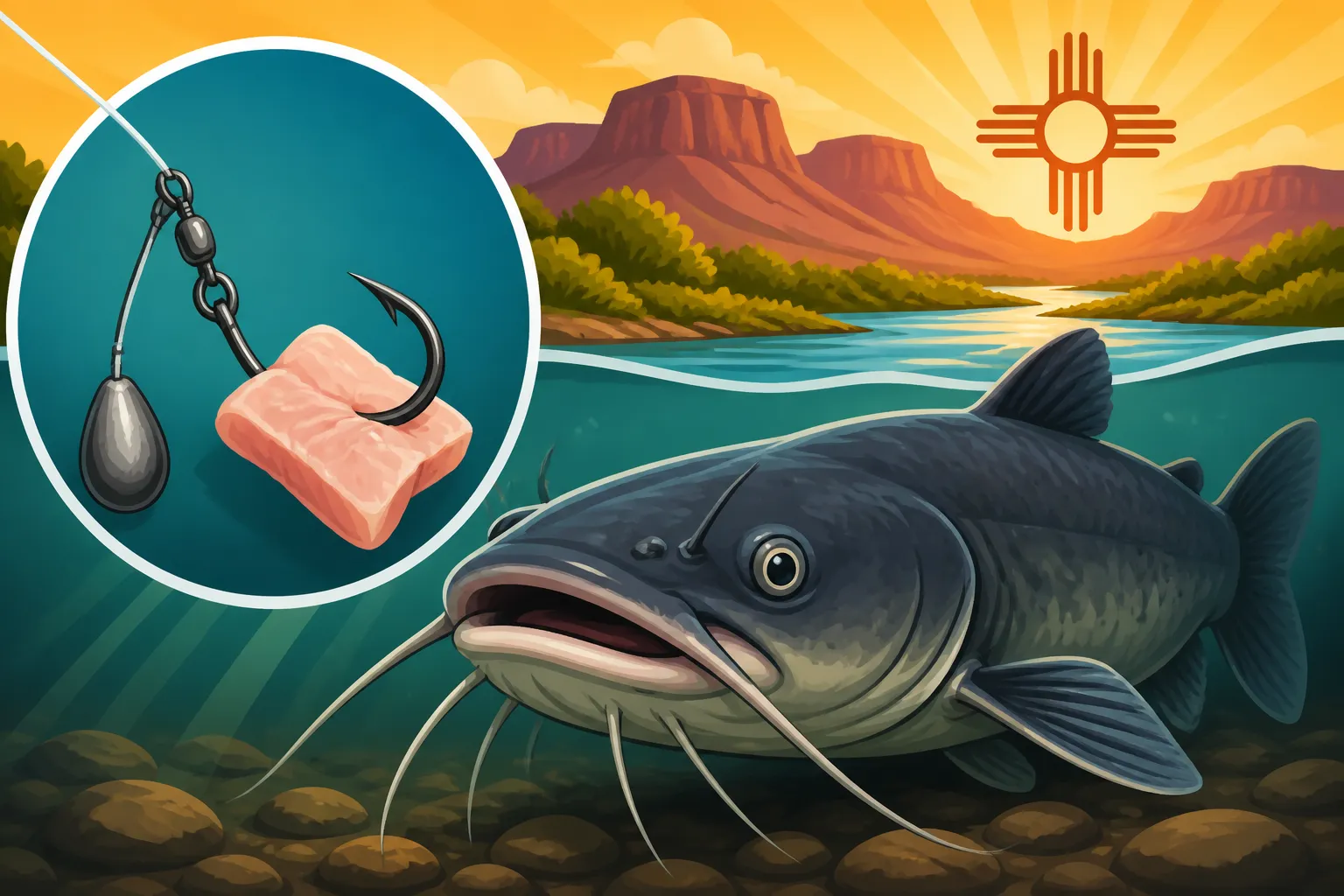
- Cut Bait: This is arguably the king of catfish baits. Shad, carp, bluegill, or even small pieces of store-bought fish like mackerel or sardine, cut into chunks or strips, work wonderfully. The oil and scent trail they leave in the water are irresistible to catfish. Fresh is always best, but frozen cut bait can also be effective.
- Stink Baits/Prepared Baits: There's a reason these are so popular. Brands like Danny King's Catfish Bait or Sonny's Super Sticky work by emitting a powerful scent that catfish can detect from a distance. They usually come in dough form or on specialized sponges/worms. These are particularly effective for channel catfish.
- Worms: Good old nightcrawlers or red wigglers are always a solid choice. They're easy to find and use, and nearly every fish, including catfish, will hit them. They might not always attract the biggest cats, but they're excellent for consistent action.
- Chicken Livers: A classic for a reason. The blood and scent attract catfish, and they're relatively inexpensive. The downside is they can be messy and tend to come off the hook easily, especially with strong casts or currents. Using a bait holder hook or wrapping them with a little bit of pantyhose can help keep them on.
- Shrimp: Raw shrimp, especially those that have been allowed to "thaw" and get a bit soft, are another effective and easily accessible option. Their natural scent is a big draw.
When fishing the Rio Grande, it's often a good idea to experiment. Bring a few different bait options and see what the fish are responding to on any given day. More insights on specific baits can be found in Best Bait for Catfish in New Mexico Rivers.
Mastering Bait Presentation and Hooksets
Once you've got your bait on the hook and your chosen rig tied, proper presentation is key.
- Casting: Cast your rig upstream and across the current, allowing it to sink and settle naturally into a prime catfish holding spot like a deep hole or an eddy. Try to cast just beyond your target area, so the current helps guide your bait into position.
- Feeling the Bottom: Once your sinker hits the bottom, reel in the slack until your line is taut. You should be able to feel the current and any bumps or changes in the bottom. With the Carolina rig, you'll want to ensure the sinker is on the bottom, allowing your bait to drift naturally with the current.
- Waiting Game: Catfishing is often a waiting game. Let your bait sit for a while, allowing its scent to disperse. Catfish often mouth the bait before taking it fully, so don't be too quick to set the hook. Wait for a solid, sustained pull or the rod tip to bend aggressively.
- Setting the Hook: When you feel that definitive bite, reel in any slack and sweep the rod upwards firmly. With circle hooks, a slow, steady reel-in as the fish pulls away will often set the hook perfectly in the corner of the mouth without needing a dramatic jerk.
Always remember that river conditions, and therefore fishing strategies, can change quickly. What works in one section might not work in another, or even on the same stretch an hour later. Pay attention to how the current affects your line and bait. Sometimes, just a slight adjustment in sinker weight or leader length can make all the difference. And don't forget to familiarize yourself with New Mexico Fishing Regulations Overview before you head out, especially regarding bag limits and special rules for specific river sections. For those who love the thrill of night fishing, knowing How to Catch Channel Catfish at Night can provide even more opportunities.
Disclaimer
This article is for general informational purposes only and does not constitute professional advice. Laws, prices and regulations vary by location and change over time. Consult a qualified professional for guidance on your specific situation.