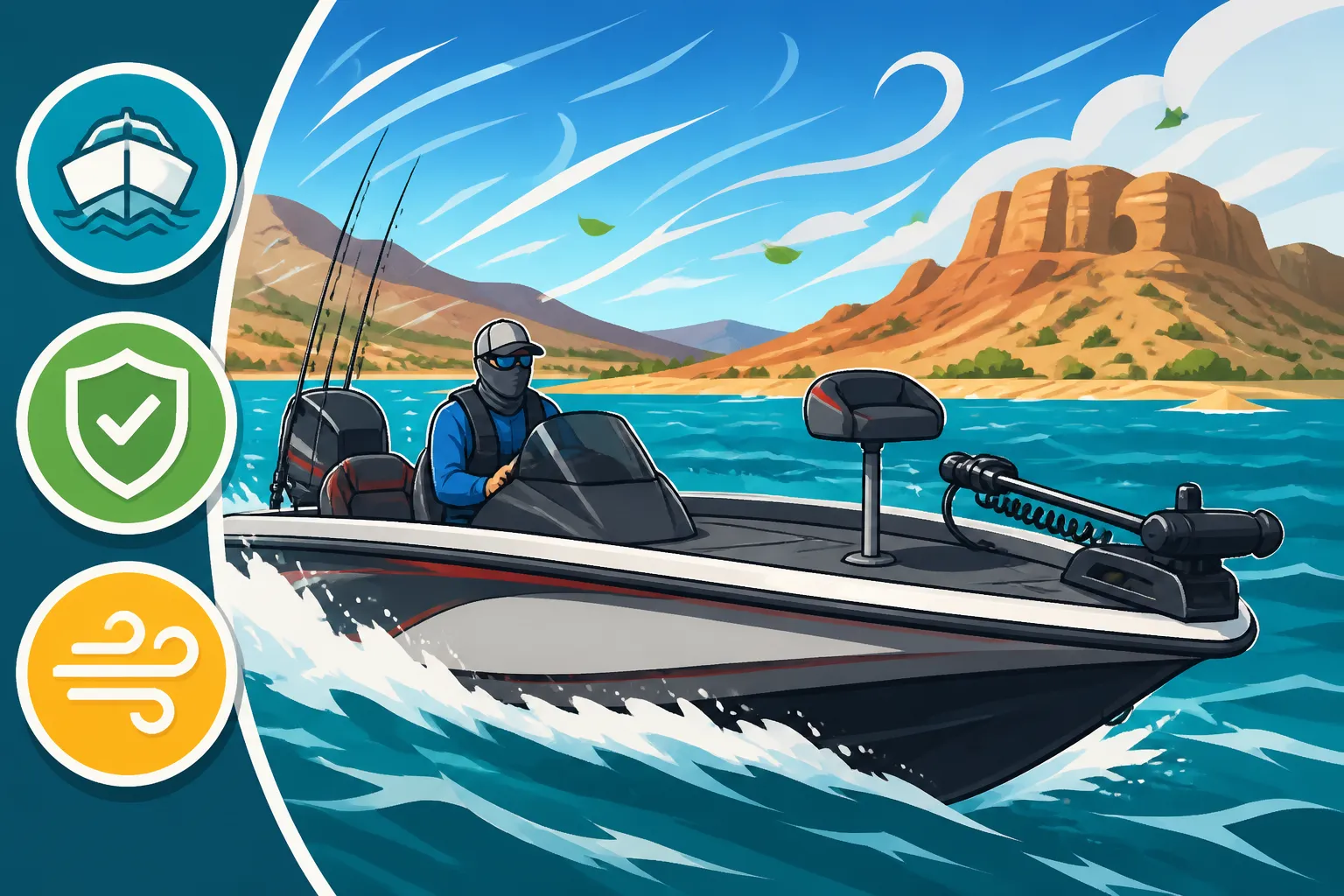
Best Boat for Fishing Conchas Lake in Wind
Trying to fish Conchas Lake when the wind kicks up can feel like an impossible battle, whitecaps dancing across the water, making boat control a nightmare and casting an exercise in futility. It's a common frustration for New Mexico anglers, especially on those wide-open reservoirs. This guide is here to help you navigate those blustery conditions by explaining what kind of boat is best equipped to handle Conchas Lake when the wind decides to show its might, ensuring your fishing trip remains productive, not exasperating.
Understanding Conchas Lake's Windy Conditions
Conchas Lake, nestled in northeastern New Mexico, is known for its fantastic fishing opportunities, but also for its unpredictable and often fierce wind. Anglers who aren't prepared can find themselves fighting the elements more than the fish. Understanding why it gets so windy and how that wind impacts your fishing is the first step toward choosing the right vessel and strategy.
Why Conchas Gets So Windy
The geography of Conchas Lake plays a huge role in its windy nature. It's a large, open reservoir with relatively little natural shelter from surrounding hills or dense tree lines, especially on its main body. This means that when weather systems move through, or even just daily thermal winds pick up, there's nothing to break their stride. The wide-open plains of eastern New Mexico allow winds to build significant speed before they even reach the lake, turning calm mornings into choppy afternoons in a flash. It’s not uncommon for a gentle breeze to rapidly escalate into sustained gusts that can easily push smaller boats around.
Furthermore, the reservoir's long, somewhat narrow shape in places can create a funneling effect, intensifying the wind's force down the length of the lake. Imagine trying to hold a fishing line steady when the wind is literally channeling itself around you. This makes precise boat positioning, especially when targeting structure or subtle breaks, incredibly difficult. You really need a boat that can stand its ground, or at least one that can hold its line without constant, exhausting correction.
Impact of Wind on Fishing
Beyond the obvious discomfort of battling waves, wind profoundly affects every aspect of your fishing experience on Conchas Lake. For starters, boat control becomes paramount. Without a stable platform, maintaining your desired depth or following a contour line is a constant struggle. You spend more time fighting the rudder or fiddling with the trolling motor than actually fishing. This can be particularly frustrating when you're trying to work a specific bait presentation, like vertical jigging for walleye or slow-rolling a spinnerbait for bass.
Casting accuracy also takes a hit. A strong crosswind can turn a precise cast into a wild whip, sending your lure far off target or tangling your line. This is especially true for lighter baits or fly fishing, where delicacy is key. The wind also creates surface chop, which can scatter baitfish and make it harder for game fish to see your lure. Conversely, the chop can also break up the water's surface, providing cover for fish and sometimes even stimulating a bite, but only if you can effectively present your bait. Ultimately, windy conditions demand a boat that can stabilize you enough to execute your techniques effectively.
Key Boat Characteristics for Windy Conchas Lake
When you're looking for a boat to confidently tackle the breezy days on Conchas Lake, certain design elements and features become non-negotiable. It's not just about having a motor; it's about having the right kind of motor and the right hull beneath it.
Stability and Hull Design
The absolute most critical factor for fishing Conchas in the wind is stability. You want a boat that doesn't feel like a toy being tossed around in a bathtub. This means looking for a deeper V-hull design, especially in the bow. A deeper V-hull cuts through chop rather than slapping over it, providing a much smoother, drier ride. This isn't just about comfort; it helps prevent your boat from getting knocked off course by every wave, allowing you to maintain better control and focus on fishing.
Alongside a deep V, a wider beam (the width of the boat) contributes significantly to overall stability. A broader footprint on the water means less rocking and rolling, which is invaluable when you're trying to stand and cast or simply move around the boat. Boats with flatter hulls, while great for shallow water, will feel much more unstable and wet on Conchas when the wind whips up, making for a truly miserable experience. Think about the difference between standing on a surfboard versus a pontoon boat – you want something closer to the pontoon in terms of stability.
Motorization and Control
Having sufficient power is crucial for safely and effectively navigating Conchas Lake in windy conditions. You need enough horsepower on your main outboard motor to push through heavy chop and maintain headway against strong gusts. Trying to save a few bucks on a smaller engine might seem appealing, but you'll regret it the moment a squall rolls in and you're struggling to make it back to the ramp. New Mexico Boat Registration Cost by Length Class is something to consider, as larger boats often mean larger motors.
Equally important, if not more so for actual fishing, is a robust and powerful bow-mounted trolling motor. This isn't just for quiet maneuvering; it's your primary tool for precise boat positioning in the wind. Look for a trolling motor with ample thrust and features like GPS-guided "spot-lock" or virtual anchoring. Systems like this allow you to digitally hold your boat's position against currents and wind with incredible accuracy, freeing you up to concentrate on fishing. This is a game-changer for working specific ledges or submerged brush piles on a windy day. Without a strong trolling motor, even the most stable hull will struggle to stay put. You might find a good selection of high-thrust trolling motors from reputable brands on Bass Pro Shops or Amazon, often with different shaft lengths to accommodate deeper hulls.
Layout and Features
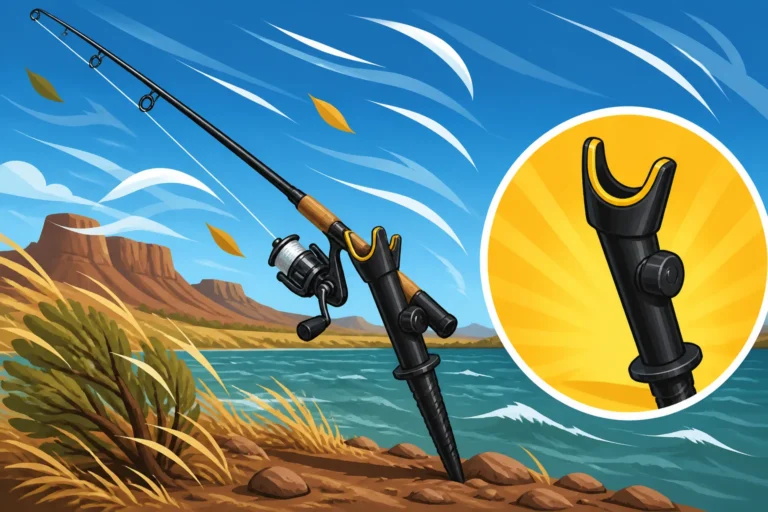
Beyond the hull and motors, the overall layout and specific features of a boat can greatly enhance your comfort and effectiveness on Conchas Lake's windy days. Ample, secure storage is key. When waves are crashing over the bow, you don't want loose gear flying around. Integrated rod holders, dry storage compartments, and even cooler tie-downs become much more important.
Consider a boat with higher gunwales (the upper edge of the boat's side). These offer a degree of wind and splash protection, keeping you drier and more comfortable. A well-designed console with a sturdy windshield can also make a significant difference in shielding you from spray and wind, reducing fatigue during long days on the water. Finally, comfortable, secure seating is important. You'll want seats that offer good back support and are positioned stably, allowing you to ride out rough water without feeling like you're constantly bracing yourself. Think about features that let you focus on the fish, rather than constantly battling the elements.
Top Boat Types for Battling the Wind at Conchas Lake
Given the unpredictable nature of Conchas Lake, certain boat types inherently perform better than others when the wind howls. While personal preference and primary target species will always play a role, these options offer superior performance in choppy conditions.
Deep-V Aluminum Boats
For many New Mexico anglers, especially those who appreciate versatility and durability, a deep-V aluminum boat is often the go-to choice for windy reservoirs like Conchas. These boats are built tough, capable of absorbing bumps and scrapes from rocky shorelines or unexpected submerged hazards without the same level of concern as a fiberglass hull. Their deep-V design excels at cutting through choppy water, providing a relatively smooth and dry ride even when the wind is whipping up significant waves.
The construction of aluminum boats also tends to be lighter than equivalent fiberglass models, which can be an advantage for towing and fuel efficiency. However, their lighter weight means they can sometimes be pushed around a bit more by strong winds than a heavier fiberglass boat. This is where a powerful trolling motor with GPS anchoring capabilities really shines, compensating for any tendency to drift. They often feature spacious layouts, making them suitable for multiple anglers or family outings, and they can be configured for a variety of fishing styles, from trolling for walleye to casting for bass. Many popular models, such as those you'd find at Bass Pro Shops, are designed with multi-species fishing in mind, making them a fantastic all-around option for Conchas.
Fiberglass Bass Boats (with caveats)
Fiberglass bass boats are renowned for their speed, sleek designs, and spacious casting decks, making them a favorite among competitive bass anglers. Their heavier fiberglass construction can offer a very stable platform in moderate chop, and their low profile can sometimes reduce the amount of wind resistance when running at speed. However, their typically flatter hull designs, especially towards the stern, can lead to a rougher, wetter ride in very heavy chop compared to a deep-V.
The main caveat here is their low freeboard (the distance from the water to the gunwale). While great for casting, it means they are more susceptible to taking waves over the bow or splash from the sides in rough conditions. If you're primarily a bass angler and value speed and casting platforms, a larger, heavier bass boat with a slightly deeper V at the bow might be manageable on Conchas. But be prepared for a potentially wet ride and exercise extreme caution when conditions turn severe. For those dedicated to bass fishing, companies like Tracker Marine or Skeeter offer models with excellent stability for their class, though always check specific hull designs.
Multi-Species Boats
Often considered the ultimate compromise for diverse fisheries, multi-species boats (which can be either aluminum or fiberglass, though often deep-V aluminum) are specifically designed to handle a wide range of conditions and fishing techniques. They combine the best attributes of both bass boats and deep-V walleye boats. These boats typically feature a deeper V-hull for excellent rough water handling, higher freeboard for a drier ride, and still offer ample casting deck space.
Multi-species boats are built to be versatile – capable of trolling for walleye in big waves, casting for bass in calmer coves, or jigging for crappie. Their robust construction and thoughtful layouts often include features like large livewells, plenty of rod storage, and comfortable seating. For an angler who wants to fish Conchas Lake for whatever is biting, and wants to do so comfortably and safely, a multi-species boat is an incredibly strong contender. They are specifically engineered to provide a stable, secure platform even when the wind and waves are doing their best to disrupt your day. This type of boat truly excels at providing a confident fishing experience on Conchas, allowing you to focus on the fish rather than constantly battling your boat. You can often find a good range of models and configurations through various marine dealers or online marketplaces.
Essential Gear & Setup for Windy Conditions
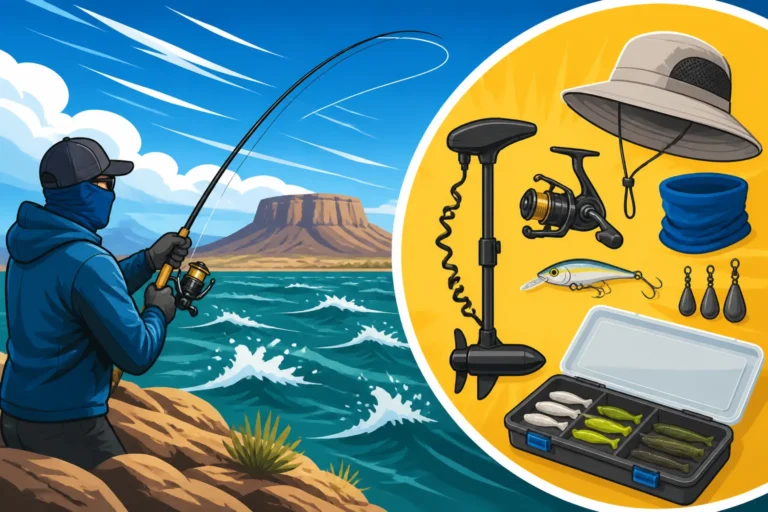
Even the best boat needs the right accompanying gear to truly conquer the wind at Conchas Lake. It's not just about the vessel itself, but how you equip and manage it.
Powerful Trolling Motors and Batteries
As mentioned, a powerful bow-mounted trolling motor is not a luxury; it's a necessity for fishing Conchas in the wind. Look for a motor with at least 80-112 pounds of thrust, especially for boats over 18 feet. The more thrust, the better it will hold your boat against strong gusts and currents. Crucially, invest in a model with GPS spot-lock technology, like those offered by Minn Kota or MotorGuide. This feature allows you to press a button and have the motor automatically keep your boat on a precise GPS coordinate, even in howling winds, freeing your hands to fish. This functionality is invaluable for targeting brush piles, submerged points, or ledges without drifting off course.
To power such a motor, you'll need a robust battery bank. A single 12V battery won't cut it for a full day of fighting the wind. Most high-thrust trolling motors require 24V or even 36V systems, meaning two or three deep-cycle marine batteries wired in series. Lithium batteries are becoming increasingly popular for their lighter weight and longer run times, though they come with a higher upfront cost. Make sure you have a reliable onboard charger to keep those batteries topped off between trips. You can find a wide array of trolling motors, batteries, and charging solutions on Amazon or at a specialist retailer like Bass Pro Shops. New Mexico Fishing License Cost for Two Rods might be less of a concern than the cost of a good trolling motor for these conditions!
Anchoring Systems
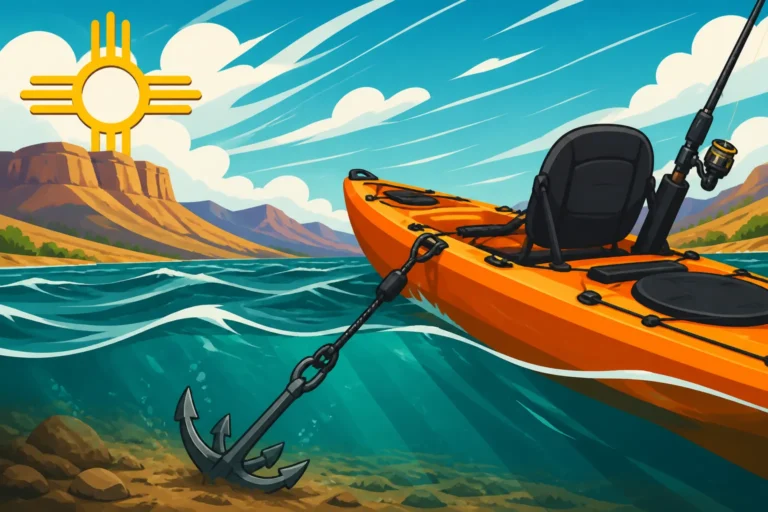
While a spot-lock trolling motor is excellent for precise positioning, traditional anchoring systems still have their place, especially in extreme conditions or for specific types of fishing. A heavy anchor (appropriate for your boat's size) with plenty of robust rope is essential for emergencies or if you want to hold your position in a truly static spot for an extended period, perhaps while shore fishing from a anchored boat in a sheltered cove.
Another incredibly effective tool for windy days is a drift sock or sea anchor. These parachute-like devices are deployed off the bow or stern to slow your boat's drift. This can be invaluable when trying to cover an open flat or long contour line at a controlled speed, allowing your lures to stay in the strike zone longer. When the wind is pushing your boat too fast for an effective presentation, a drift sock can be a game-changer. Many anglers use two—one off the bow and one off the stern—to both slow and stabilize their drift.
Electronics and Navigation
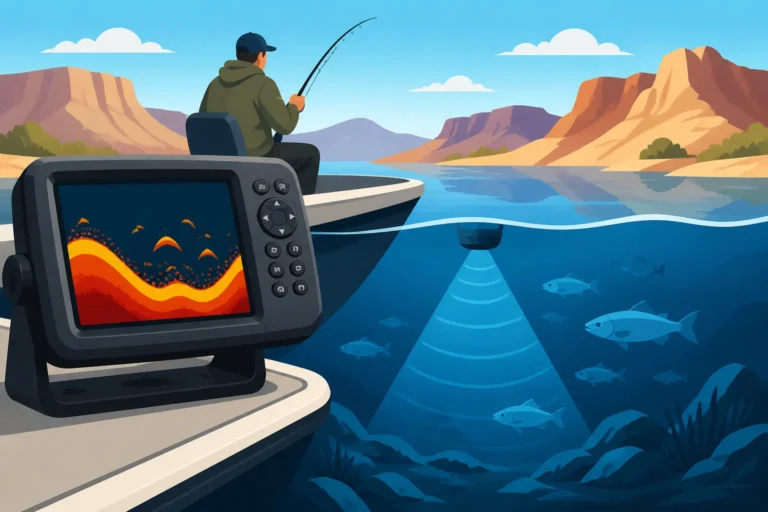
Modern marine electronics are more than just fancy gadgets; they are powerful tools for safety and success on windy days. A reliable fish finder with good down imaging and side imaging capabilities can help you locate structure and fish even when the surface is churned up, and visual cues are hard to come by. Knowing exactly what's beneath you, regardless of the wind, helps you target your casts and presentations. Best Fish Finders for New Mexico Reservoirs are a great topic to research further.
GPS mapping, often integrated into fish finders or standalone units, is crucial for navigation. On a large, featureless lake like Conchas, especially when whitecaps obscure landmarks, it's easy to get disoriented. GPS allows you to mark waypoints, follow contour lines, and safely navigate back to the boat ramp, even in low visibility or heavy chop. A weather radar overlay on your electronics can also give you crucial early warnings about approaching storms or intensifying winds, allowing you to seek shelter or head back before conditions become truly dangerous. Always make sure your marine electronics are securely mounted and properly protected from spray.
Here’s a quick comparison of boat characteristics for Conchas Lake:
| Boat Type | Key Advantages for Wind | Key Disadvantages for Wind | Ideal Fishing Scenario |
|---|---|---|---|
| Deep-V Aluminum | Excellent chop cutting, durable, stable (wide beam), high freeboard | Lighter weight can be pushed by extreme gusts without strong trolling motor | Versatile for walleye, bass, crappie; general lake use |
| Multi-Species (Deep-V) | Superior rough water handling, stability, versatility, higher freeboard | Often heavier and more expensive than pure aluminum boats | Angler targeting diverse species in varied conditions |
| Fiberglass Bass Boat | Stable in moderate chop, fast, large casting decks | Lower freeboard, flatter hull can be wet/rough in heavy chop | Dedicated bass fishing in moderate conditions; speed is key |
| Pontoon Boat | Very stable, spacious, comfortable in calm to light chop | Catches significant wind, slow, difficult to maneuver in strong gusts | Relaxed family outings, very light fishing in calm areas |
Remember, no single boat is perfect for every situation, but prioritizing stability, sufficient power, and smart electronics will give you the best chance of a successful and enjoyable day fishing Conchas Lake, even when the wind decides to test your resolve. Don't forget to check out New Mexico Fishing Regulations Overview before heading out!
Disclaimer
This article is for general informational purposes only and does not constitute professional advice. Laws, prices and regulations vary by location and change over time. Consult a qualified professional for guidance on your specific situation.