Best New Mexico Lakes for Trout
Finding those perfect trout fishing lakes in New Mexico can sometimes feel like chasing a mirage in the desert. You hear whispers of a fantastic bite, pack up your gear, drive for hours, only to arrive and find low water, overcrowded shores, or fish that just aren't interested. It’s frustrating when you’re just trying to enjoy the beauty of the Land of Enchantment and hook into some feisty trout. This comprehensive guide is designed to cut through the guesswork, offering you a detailed look at New Mexico’s best trout lakes, what makes them special, and how to maximize your chances of a successful and rewarding fishing experience.
Understanding New Mexico's Trout Lake Landscape
New Mexico might be famous for its arid landscapes, but tucked away in its mountains and canyons are some truly spectacular trout fisheries. These aren't your typical lush, tree-lined lakes of the Pacific Northwest; they offer a unique challenge and an even more unique reward. Understanding the specific environment of these lakes is key to unlocking their secrets.
The Unique Challenges and Rewards of High Desert Trout
It’s easy to feel a bit daunted when you first start exploring New Mexico fishing. Unlike states with abundant, consistent water sources, our lakes and reservoirs are often at the mercy of snowpack and monsoon seasons, leading to significant fluctuations in water levels. This can make finding consistent trout fishing a real puzzle. One year a spot might be booming, the next it's a dry wash. This unpredictability is a genuine frustration for many anglers, but it also means that when you do find that sweet spot, the reward feels even greater.
Despite these challenges, New Mexico’s trout lakes offer an incredible diversity, from the chilly, clear waters of high-altitude alpine lakes to expansive reservoirs that act as vital oases for fish and wildlife. The elevation here plays a huge role; higher lakes stay cooler longer, providing optimal habitat for trout, while lower elevation impoundments rely heavily on consistent stocking programs to maintain populations. These fluctuating conditions demand adaptability from anglers, making every successful trip feel like a hard-earned victory.
Types of Trout Lakes in the Land of Enchantment
New Mexico’s trout waters come in a few distinct flavors, each offering a different kind of angling adventure. Knowing what to expect from each type can help you plan your trip more effectively.
First, you have the natural alpine lakes, often nestled high in the Pecos or Latir wilderness areas. These are typically pristine, crystal-clear waters, often requiring a hike or horseback ride to access. The fish here are usually wilder, smaller, but incredibly beautiful and feisty. Think cutthroat and brook trout in a truly breathtaking, secluded setting. The challenge of reaching them is part of their allure, promising a profound connection with nature.
Then there are the large reservoirs, like Eagle Nest or Heron Lakes. These are far more accessible, often boasting boat ramps, campgrounds, and amenities. They are regularly stocked by the New Mexico Department of Game and Fish and can hold some truly trophy-sized fish, including rainbow trout, brown trout, and even Kokanee Salmon in New Mexico. These waters require a different approach, often involving boats for trolling or deeper presentations, though many offer excellent bank fishing opportunities, especially after fresh stockings. They cater to a wider range of anglers, from those looking for a relaxing day on the shore to serious boat anglers chasing big fish.
Finally, we have the urban and community ponds, often found right in cities like Albuquerque, Santa Fe, or Las Cruces. These smaller, easily accessible ponds are heavily stocked with rainbow trout, particularly during the cooler months, making them perfect for families, beginners, or anyone looking for a quick fishing fix close to home. While they might lack the wilderness feel, they provide invaluable angling opportunities for those with limited time or mobility. These ponds are typically designed for ease of access and offer a fantastic way to introduce kids to the joy of fishing.
Northern New Mexico's Trout Gems
Northern New Mexico is truly the crown jewel for trout fishing in the state, offering a collection of high-altitude lakes that consistently deliver. The cooler temperatures and stunning mountainous backdrops make these destinations incredibly popular.
Eagle Nest Lake: A High-Altitude Haven
Nestled in the Sangre de Cristo Mountains, Eagle Nest Lake is a sight to behold and a prime destination for trout and salmon anglers. This large, high-elevation reservoir is known for its stunning views and its impressive fish populations. It’s a place where the air is crisp, and the fishing can be exceptional, making it a favorite for many.
The primary species here are rainbow trout and Kokanee Salmon. Rainbows are stocked regularly, providing consistent action, while the kokanee offer a unique challenge, especially during their seasonal runs. Anglers often target these landlocked salmon by trolling small lures and dodgers at specific depths. For the rainbows, both bait (like PowerBait or worms) and lures (spinners, spoons) can be highly effective, especially around inlets and drop-offs. The lake’s large size means there’s plenty of water to explore, whether you’re fishing from shore or a boat.
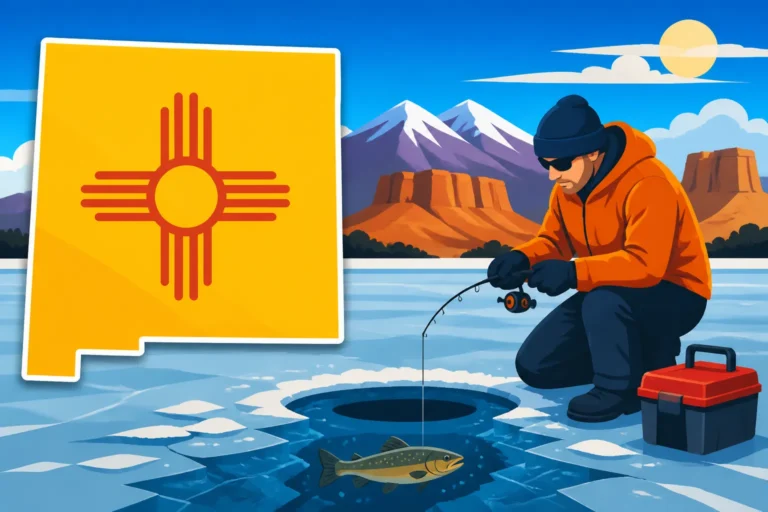
Eagle Nest also transforms into a premier destination for ice fishing once winter truly sets in. Eagle Nest Lake Ice Fishing draws crowds eager to drill a hole and try their luck at catching trout and kokanee through the ice. It’s an exhilarating experience, offering a completely different perspective on this beautiful fishery. Always be sure to check ice conditions before venturing out, as safety is paramount.
Heron Lake: Tranquil Waters and Big Fish Potential
Just west of the village of Tierra Amarilla, Heron Lake offers a stark contrast to the more bustling Eagle Nest. Known for its peaceful atmosphere and strict no-wake zone, Heron Lake is a haven for those seeking solitude and the chance to land a trophy fish. If you’re looking for a relaxing day on the water without the roar of engines, this is your spot.
Heron’s tranquil waters are home to a healthy population of kokanee salmon, brown trout, and rainbow trout. Many anglers consider Heron a prime spot for trophy brown trout, which grow large in its deep, cold waters. Trolling remains a popular method for both kokanee and browns, often requiring specialized gear to get your lures down to the right depth. Bait fishing from shore, particularly with worms or PowerBait, can also yield excellent results, especially in the spring and fall.
The lake's no-wake regulation means it's an ideal spot for kayaks, canoes, and float tubes, allowing you to quietly paddle and explore its many coves and inlets. Heron Lake No-Wake Zone Fishing truly emphasizes a more serene angling experience, and it’s one of the reasons it holds a special place in the hearts of many New Mexico anglers. The peaceful environment provides an excellent opportunity to truly immerse yourself in the fishing experience.
Fenton Lake: A Fly Fisher's Delight
Tucked away in the Jemez Mountains, Fenton Lake State Park is a unique and cherished trout fishery, particularly among fly anglers. Its relatively small size and specific regulations set it apart, making it a dedicated spot for those who appreciate a more nuanced fishing experience. It's not just about catching fish here; it's about the art of the catch.
Fenton Lake is managed primarily as a "Special Trout Water," which means it has specific rules, often requiring artificial flies or lures only, and sometimes barbless hooks, to protect the fishery. You'll find rainbow, brown, and even some native Rio Grande cutthroat trout here. The clear, cool waters and abundance of insect life make it a fantastic place to practice your fly casting. Nymphing and streamer fishing are often productive, especially along the weed lines and drop-offs.
When winter blankets the Jemez, Fenton Lake offers opportunities for Fenton Lake Winter Trout Fishing, attracting hardy anglers who brave the cold for a chance at a winter trout. Always double-check the latest New Mexico Trout Fishing Rules before you go, as regulations can sometimes change, and special waters often have unique requirements. It’s a beautiful spot year-round, but its true charm shines for the dedicated angler.
Other Notable Northern Lakes
While Eagle Nest, Heron, and Fenton are marquee names, Northern New Mexico boasts other excellent trout lakes worth exploring. These often provide different access levels or unique fishing experiences.
For instance, Abiquiu Lake, while primarily known for its bass and kokanee salmon, also receives trout stockings. It's a larger reservoir on the Rio Chama, offering vast waters. During the cooler months, trout can be found closer to the surface and near the river inflow, making it an interesting dual-species fishery. Fishing here often involves adjusting your techniques for the larger water body and varied depths.
Storrie Lake, located just outside Las Vegas, New Mexico, is another accessible option. This state park lake is regularly stocked with rainbow trout and is particularly popular for bank fishing due to its easy access and amenities. It’s a great spot for beginners and families, offering a high chance of success, especially shortly after a stocking event. The lake provides a convenient getaway for a quick fishing trip without having to venture too deep into the wilderness.
And for the truly adventurous, New Mexico's high mountain lakes in the Pecos Wilderness and other ranges offer unparalleled wild trout fishing. These require significant hiking, often multi-day backpacking trips, but the reward of catching small, wild trout in a breathtaking, isolated alpine setting is an experience that few forget. These are typically self-sustaining populations of native cutthroat or brook trout, making the catch even more special.
Central New Mexico Trout Waters
While the northern part of the state dominates the trout scene, central New Mexico also offers some intriguing options, especially for those looking for a different kind of challenge or a unique combination of species. These lakes might not always be exclusively trout-focused, but they certainly deliver opportunities.
Cochiti Lake: Challenging but Rewarding
Cochiti Lake, situated along the Rio Grande between Albuquerque and Santa Fe, is a massive reservoir primarily known for its warm water species like bass and pike. However, many anglers overlook its potential for trout, especially during the cooler parts of the year when the New Mexico Department of Game and Fish actively stocks it. It's not a consistent trout fishery like the northern lakes, but it can definitely surprise you.
Its proximity to major population centers makes it an accessible option for a day trip. The trout here are typically rainbows, providing a fun challenge against the backdrop of an otherwise warm-water dominant lake. Anglers often find success by targeting cooler water pockets, particularly near the dam or deeper channels, using traditional bait-fishing methods from the shore or trolling from a boat. The key is knowing when and where the stockings occur, as the trout tend to disperse rapidly in such a large body of water.
The unique aspect of Cochiti is that it's a "no-wake" lake for motorized boats over 10 horsepower, promoting a quieter experience even on its vast surface. This makes it an enjoyable place for kayak or canoe anglers who can quietly explore potential trout holding areas. If you're patient and willing to adapt, Cochiti can offer a rewarding trout experience, especially when you consider you might also hook into a large walleye or bass!
Bluewater Lake: Tiger Muskie and Trout
Bluewater Lake, located west of Grants, offers one of New Mexico’s most unique fishing experiences. While it has become famous for its elusive and predatory Tiger Muskie in New Mexico, it also holds a healthy population of rainbow trout, providing a fascinating dual-species fishery. Don’t let the thought of a muskie chase overshadow the excellent trout fishing here.
The lake is regularly stocked with rainbow trout, offering consistent action, especially in the cooler months. Many anglers use PowerBait, worms, or small spinners from shore, finding good success along the accessible banks of Bluewater Lake State Park. It's a great place to fish for trout while keeping an eye out for a cruising muskie – you never know what might hit your line! The trout here tend to be robust and healthy, providing a spirited fight.
The real allure for some is the chance to catch both species in one outing. You might be targeting trout with light tackle when a muskie decides to investigate, adding an exciting, unpredictable element to your trip. Just be sure your tackle is up to the task if you're specifically targeting the toothy predators, and always remember to handle fish with care, especially if practicing catch and release. Bluewater Lake truly offers a diverse angling adventure for those willing to embrace its unique character.
Southern New Mexico's Unexpected Trout Fisheries
Southern New Mexico is characterized by its high desert and warmer temperatures, making dedicated trout fisheries less common than in the north. However, the New Mexico Department of Game and Fish works hard to provide opportunities, often stocking specific lakes and ponds during the cooler seasons. These spots offer a surprising chance to catch trout in a region not typically associated with cold-water species.
Bill Evans Lake: Southern New Mexico's Hidden Trout Spot
Near Silver City, Bill Evans Lake stands out as a genuine gem for trout anglers in southern New Mexico. It’s a smaller, picturesque lake that, despite its southern location, maintains a strong reputation as a reliable trout fishery. This is the place locals head to for consistent action without having to drive far north.
Bill Evans Lake is regularly stocked with rainbow trout, ensuring good fishing throughout the cooler months, typically from fall through spring. The lake is relatively easy to access, with ample bank fishing opportunities and a boat ramp for small craft. Many anglers find success using conventional bait like PowerBait, worms, or corn, often fished under a bobber or on the bottom. Small spinners and spoons are also very effective, especially during active feeding periods.
What makes Bill Evans special is its consistency and accessibility in a region where trout fishing is less prevalent. It’s perfect for a quick day trip, a family outing, or for those new to fishing, offering a high chance of success in a beautiful, serene setting. Keep an eye on the stocking reports from NMDGF to time your visit for the best possible action. It even has designated Bill Evans Lake Fly Fishing Only Water in certain sections, providing diverse opportunities.
Quemado Lake: A Smaller, Scenic Option
Nestled deep within the Gila National Forest, Quemado Lake offers a more secluded and rustic trout fishing experience in the southwestern part of the state. This smaller lake is known for its scenic beauty and peaceful surroundings, providing a tranquil escape for anglers seeking both fish and solitude.
Quemado Lake is primarily stocked with rainbow trout, and its remote location means it often receives less pressure than some of the more accessible lakes. The fishing can be excellent, particularly if you're willing to explore its coves and shoreline. Like Bill Evans, standard trout baits and small lures work well here. The lake's smaller size makes it manageable for bank fishing, and small boats or float tubes can cover a lot of water effectively.
For those who enjoy camping and fishing, Quemado Lake is an ideal destination. Its location within the national forest means there are typically campgrounds nearby, allowing for multi-day trips where you can fully immerse yourself in the natural beauty of the Gila. If you're looking for a quiet, scenic spot to catch some trout away from the crowds, Quemado Lake should definitely be on your radar.
Factors Influencing Trout Fishing Success in Lakes
Successful trout fishing in New Mexico lakes isn't just about showing up with a rod and reel. Several critical environmental and management factors play a huge role in fish behavior and overall success. Understanding these can help you plan your trips strategically and adapt your techniques for better results.
Water Levels and Their Impact
Perhaps no single factor influences New Mexico fishing more than water levels. Given our arid climate, many of our lakes and reservoirs are susceptible to significant fluctuations due to snowmelt, rainfall, and irrigation demands. This constant change is a legitimate concern for anglers, as it can drastically alter the fishery.
When water levels are low, fish can become concentrated in smaller areas, which might sound good, but it also stresses them and reduces available habitat and food sources. This can make them more difficult to catch, or, conversely, easier targets if they're forced into predictable holding patterns. Access to popular fishing spots or boat ramps might also be limited or closed, which is a common frustration.
Conversely, high water levels can spread fish out, making them harder to locate, but it also creates new feeding opportunities along flooded vegetation. It's a delicate balance, and savvy anglers constantly monitor conditions. Before heading out, it’s always wise to check resources like the Current Water Levels at New Mexico's Major Reservoirs to get an idea of what to expect and adjust your plans accordingly. This preparation can save you a lot of disappointment and lead to a more productive outing.
Stocking Schedules and Their Significance
The New Mexico Department of Game and Fish plays an absolutely crucial role in maintaining healthy and vibrant trout fisheries across the state through its stocking programs. Without these efforts, many of our most popular lakes simply wouldn't support the trout populations that anglers enjoy.
Understanding the Seasonal Stocking Schedule in New Mexico is paramount for many anglers, especially when targeting rainbow trout in accessible lakes and urban ponds. Freshly stocked fish are often eager to bite, making the days immediately following a stocking event prime time for action. This is particularly true for community waters and frequently visited state park lakes. These schedules are usually published online and are an invaluable resource for planning successful trips.
However, it's also important to differentiate between newly stocked trout and "holdovers" – fish that have survived in the lake for months or even years. Holdovers are often larger, warier, and more challenging to catch, requiring more refined techniques. While stocking events provide immediate gratification, the pursuit of a wily holdover trout offers a different, more rewarding challenge for experienced anglers. Knowing the stocking patterns helps you decide whether you're after easy action or a more elusive trophy.
Seasonal Considerations for Lake Trout
New Mexico's diverse climate means that trout fishing in lakes can be a year-round affair, but your approach will need to change with the seasons. What works in spring might not work in summer, and vice versa.
Spring, especially after ice-out in the high country, is often a prime time. Trout are hungry after a long winter, and melting snow feeds the lakes, bringing in nutrients. Fish are often found cruising shallower waters as insects become more active. Fall also offers fantastic fishing, with cooler temperatures, active fish bulking up for winter, and often fewer crowds. It’s an incredibly scenic time to be on the water.
Summer can be challenging in lower elevation lakes as water temperatures rise, forcing trout into deeper, cooler water. However, this is when the high-altitude mountain lakes truly shine, offering fantastic fishing in comfortable conditions. And don't forget winter; for those brave enough, ice fishing on lakes like Eagle Nest or Fenton can be incredibly productive and a unique experience. Ultimately, the Best Time of Year to Fish in New Mexico for trout in lakes depends on which lake you're targeting and what kind of experience you're seeking.
| Lake Name | Primary Trout Species | Key Feature | Best Fishing Method | Accessibility | Special Rules |
|---|---|---|---|---|---|
| Eagle Nest Lake | Rainbow, Kokanee Salmon | High-altitude, scenic, ice fishing | Trolling, bait, lures | Good | Boat ramps, seasonal ice fishing |
| Heron Lake | Brown, Kokanee, Rainbow | No-wake zone, peaceful, trophy browns | Trolling, bait, fly-fishing | Good | No-wake for motors over 10HP |
| Fenton Lake | Rainbow, Brown, Cutthroat | Fly-fishing focused, mountain setting | Fly-fishing, artificial lures | Moderate | Artificial lures/flies only, barbless hooks |
| Bluewater Lake | Rainbow | Tiger Muskie present, unique challenge | Bait, lures | Good | Muskie regulations |
Essential Gear and Techniques for Lake Trout
Having the right gear and knowing how to use it can make all the difference between a frustrating day and a successful outing on New Mexico’s trout lakes. While trout aren’t always the pickiest eaters, understanding common setups and strategies will significantly boost your catch rate.
Spin Fishing Setups for Lakes
Spin fishing is arguably the most popular and versatile method for catching trout in New Mexico lakes, especially for beginners and those who prefer a more relaxed approach. It’s effective, straightforward, and doesn’t require a huge learning curve.
For a good all-around setup, you’ll want a light to ultralight spinning rod, typically 5 to 7 feet long, paired with a small spinning reel spooled with 4 to 6-pound test monofilament or fluorocarbon line. This lighter tackle allows for more sensitivity and a better fight from even smaller trout. When it comes to bait, classic options like PowerBait (in various colors and scents), garden worms, or even corn kernels are highly effective. Many anglers fish these on a slip-sinker rig off the bottom, or suspended under a bobber. Check out our guide on Best Rod Setup for New Mexico Trout Fishing for more specific recommendations.
Beyond bait, artificial lures can be incredibly productive. Small inline spinners, such as Mepps or Panther Martin, in sizes #0 to #2, are perennial favorites. Spoons like the Kastmaster or Little Cleo, especially in silver, gold, or flashy colors, are also excellent. Tossing small jigs tipped with a grub or a piece of PowerBait can entice strikes, too. The key is to experiment with retrieve speeds and depths until you find what the fish are responding to on any given day. Remember, variety is often the spice of life when it comes to lure fishing.
Fly Fishing Tactics for Lake Trout
While often associated with rivers, fly fishing on lakes, or "stillwater fly fishing," is a highly rewarding and often incredibly effective way to target trout in New Mexico. It allows for subtle presentations and can mimic the natural food sources that trout key in on.
For lake fly fishing, a 5 or 6-weight fly rod is a versatile choice, paired with a floating line for dry flies and indicators, and a sinking line or sink-tip for getting streamers and nymphs down to depth. Streamers like Woolly Buggers (black, olive, brown) are incredibly effective, mimicking minnows or leeches. Nymphs, such as Prince Nymphs, Hare's Ears, or Copper Johns, fished under an indicator or slowly retrieved, imitate aquatic insects that make up a large part of a trout's diet. During specific hatches, dry flies can be exhilarating, as you watch trout rise to the surface.
Stillwater techniques include slow stripping retrieves, letting your fly hang, or fishing nymphs under an indicator with a slow retrieve or gentle twitches. Float tubes or pontoon boats can be invaluable for accessing deeper water and covering more ground, allowing you to cast to areas inaccessible from shore. The subtlety and finesse of fly fishing in lakes can unlock a whole new dimension of trout angling.
Boat vs. Bank Fishing Strategies
Deciding whether to fish from a boat or from the bank can significantly impact your success, and both have their unique advantages on New Mexico's trout lakes.
Bank fishing is the most accessible option, requiring minimal gear beyond your rod and tackle box. It's excellent for urban ponds and many state park lakes, especially after stocking events when trout are often close to shore. Focus on areas near inlets, outflows, drop-offs, or any structure that might hold fish. Early mornings and late evenings often provide the best bank fishing opportunities as trout move into shallower feeding areas.
For larger lakes and reservoirs like Heron or Eagle Nest, a boat often provides a significant advantage. It allows you to cover vast amounts of water, reach deeper fishing grounds, and employ trolling techniques that are highly effective for species like kokanee salmon and larger trout. Equipping your boat with a fish finder can help locate schools of baitfish or trout holding at specific depths. Trolling with downriggers or lead-core line is particularly effective for getting lures to precise depths where fish are actively feeding. Consider reviewing New Mexico Boat Registration and Titling Guide if you plan on bringing your own vessel. For those without a boat, many larger lakes offer rentals, or you can consider hiring a guide through services like FishingBooker, who can provide all the necessary equipment and local expertise for a successful outing.
Planning Your Trout Lake Adventure
A successful fishing trip often comes down to good planning. Beyond knowing where the fish are, understanding regulations, seeking local knowledge, and prioritizing safety are all crucial steps for any angler in New Mexico.
Understanding Licenses and Regulations
Navigating the rules and regulations can sometimes feel like a chore, but it's absolutely essential for a legal and enjoyable fishing trip. The first step for any angler, resident or nonresident, is to acquire a valid New Mexico Fishing License Guide. This isn't just a formality; the fees collected go directly back into conservation efforts, stocking programs, and fisheries management.
Beyond the basic license, you'll need to be aware of additional requirements. A New Mexico Habitat Management and Access Validation Stamp is often required for fishing on federal lands (like National Forests or BLM land), and a Second Rod Validation is necessary if you plan to fish with two rods simultaneously. It's vital to review the New Mexico Fishing Regulations Overview each year, as rules regarding bag limits, size restrictions, and specific gear requirements (like artificial flies and lures only) can vary significantly between different lakes and Special Trout Water locations. For example, Fenton Lake has very specific rules that differ from, say, Eagle Nest Lake. Always check the specifics for your chosen destination.
Finding Guides and Local Information
While this guide provides a solid foundation, there's no substitute for local knowledge, especially when exploring a new lake or targeting a particularly elusive species. Local tackle shops are absolute treasure troves of up-to-the-minute information on current conditions, hot baits, and recent stocking reports. Don't be shy about striking up a conversation with the staff – they're usually passionate anglers themselves and happy to share insights.
For those looking to maximize their chances, particularly for trophy fish or specific techniques like trolling for kokanee, considering a professional fishing guide is an excellent investment. A local guide can put you on fish quickly, teach you effective techniques, and provide all the necessary gear, eliminating much of the guesswork. Services like FishingBooker connect anglers with experienced local guides across New Mexico, offering tailored trips for various species and locations. They can make your trip much more efficient and educational, turning a good day into a truly memorable one.
Safety Considerations on New Mexico Lakes
New Mexico's stunning landscapes come with their own set of safety considerations, especially when you're out on the water. Being prepared for varying conditions is not just smart; it can be life-saving.
Weather can change rapidly in the mountains, with sunshine quickly giving way to thunderstorms, high winds, or even hail. Always check the forecast before you head out and be prepared for sudden shifts. Altitude can also be a factor, especially if you're visiting high-elevation lakes like Eagle Nest or Heron; staying hydrated and being aware of symptoms of altitude sickness is crucial.
If you're fishing from a boat, always ensure you have all the Required Safety Gear on a New Mexico Boat, including personal flotation devices (life jackets) for everyone on board, a fire extinguisher, and a sounding device. Knowing basic boat safety rules and having enough fuel are non-negotiable. Even when bank fishing, be aware of your surroundings, potential wildlife encounters, and uneven terrain. Sun protection (hats, sunscreen, polarized sunglasses) is also vital, as the New Mexico sun is intense, especially at higher elevations. Prioritizing safety ensures that your fishing adventure remains enjoyable and worry-free.
Conservation and Responsible Angling
Our beautiful trout lakes in New Mexico are precious resources, and it's up to every angler to help protect them for future generations. Responsible angling practices and a commitment to conservation are just as important as the thrill of the catch.
Catch and Release Best Practices
While keeping a few trout for dinner is certainly part of the angling experience, practicing catch and release, especially for native species like Rio Grande cutthroat trout or larger, wilder brown trout, is a crucial component of conservation. It ensures these fish can continue to spawn and grow, sustaining healthy populations.
To minimize harm to released fish, handle them as little as possible. Use wet hands to avoid removing their protective slime coat, which guards against infection. Try to keep the fish in the water as much as you can; avoid dragging them onto dry land. Using barbless hooks (or crimping the barbs on your hooks) makes removal much easier and quicker. If a fish is deeply hooked, it’s often best to cut the line as close to the hook as possible rather than attempting to rip it out. Our guide on Catch and Release Best Practices in New Mexico offers even more detailed advice on how to handle fish with care, ensuring they swim away strong.
Leave No Trace Principles
Beyond fish handling, adhering to Leave No Trace principles is fundamental to preserving the pristine beauty of New Mexico's lakes and surrounding natural areas. The idea is simple: leave the environment exactly as you found it, or even better.
This means packing out all your trash, and ideally, any trash you might find left by others. Avoid littering, including discarding fishing line, bait containers, or food wrappers. Respect wildlife by observing them from a distance and never feeding them. Stay on designated trails and access points to avoid disturbing sensitive vegetation or eroding shorelines. Being mindful of your impact, whether you're setting up camp or just casting from the bank, helps ensure that these incredible fishing spots remain clean, healthy, and beautiful for everyone to enjoy. By acting as responsible stewards of these waters, we contribute to a sustainable future for New Mexico fishing.
Disclaimer
The information provided in this guide is for general informational purposes only and does not constitute legal advice. Fishing regulations, license requirements, and local conditions in New Mexico can change frequently. Always consult the official New Mexico Department of Game and Fish website or current proclamation booklet for the most up-to-date and accurate rules and regulations before planning any fishing trip. Safety should always be your top priority.