Best Fishing Spots in the Gila National Forest
Navigating the vast, rugged beauty of the Gila National Forest for a fishing trip can feel like trying to find a needle in a haystack, especially if you're not intimately familiar with its sprawling wilderness. It's easy to get overwhelmed by the sheer size and the remote nature of many of its waters, leaving you wondering where to even begin. But don't you worry, my friend, because this guide is here to cut through the confusion and point you toward some of the absolute best fishing spots the Gila has to offer, making your next New Mexico fishing adventure truly unforgettable.
The Wild Gila River: A Remote Trout Fishery
The Gila River, the lifeblood of the forest, offers some of the most pristine and challenging fishing experiences in New Mexico. This isn't your average stocked pond; this is wild country, demanding respect and preparation, but the rewards—oh, the rewards—are truly magnificent.
Navigating the Untamed Waters for Wild Trout
The main stem of the Gila River, particularly the sections within the Gila Wilderness and other remote stretches, is a haven for wild trout. You're looking primarily for the elusive Rio Grande Cutthroat Trout and, in some areas, robust brown trout and rainbow trout that have learned to thrive in this challenging environment. What makes fishing here so special is the feeling of solitude and the knowledge that you're pursuing fish in their purest, wildest form. Access often involves significant hiking, sometimes many miles, into the backcountry. This isn't a place for a quick roadside stop; it's an immersive experience. You'll need to pack light, be self-sufficient, and carry a good map and compass, or even a GPS, as cell service is non-existent in many areas.
When you do get to the water, you'll find a mix of riffles, deep pools, and boulder-strewn runs. The water can be surprisingly clear outside of runoff season, making stealth paramount. These wild trout are smart and wary. They’ve seen very few humans compared to their hatchery-raised cousins, which means they spook easily. Fly fishing is often the most effective method here, using small nymphs, dry flies that mimic local insect hatches, or even streamers if you're targeting larger browns in deeper pools. Check out our guide on Best Rivers for Fly Fishing in New Mexico for more on this. Remember, this is a special place, so practicing strict catch and release with barbless hooks is highly recommended to preserve the population, especially for the native cutthroat.
Seasonal Strategies for Gila River Success
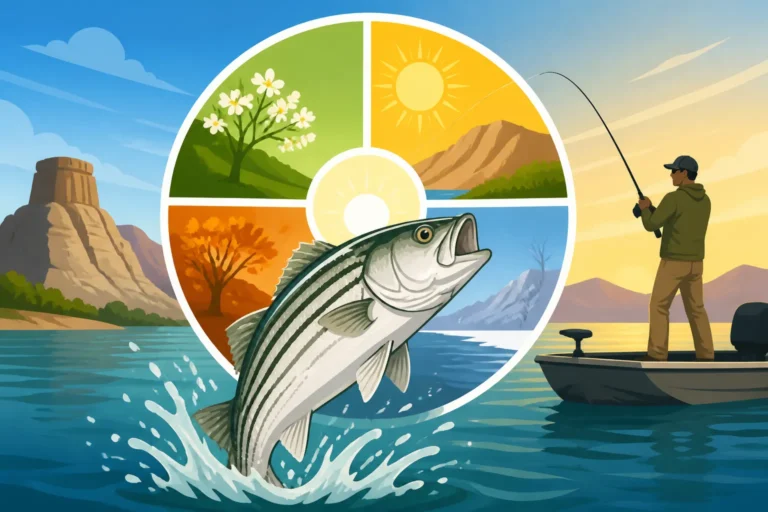
Fishing the Gila River changes dramatically with the seasons. Spring, after the snowmelt subsides and the water clears, can be fantastic. This is when the fish become more active, feeding heavily after a long winter. Early summer can also be productive, but you'll need to watch for monsoon season, which can bring flash floods and muddy waters from July through September. Fall is arguably one of the most beautiful and rewarding times to fish. The cottonwoods turn golden, the air is crisp, and the trout are often on the feed, preparing for winter. Dry fly fishing can be excellent during autumn hatches.
Winter fishing can be tough due to cold temperatures and potential ice, but if you hit a warmer spell, the deep pools might yield some surprisingly active fish. The flow rates on the Gila River can vary wildly depending on snowpack and recent rainfall. It's always a good idea to check the conditions before planning a deep backcountry trip. Sometimes, the best strategy is to consult with a local guide who knows the specific stretches of river and their seasonal nuances. Many experienced guides listed on platforms like FishingBooker specialize in remote trips into the Gila National Forest, providing invaluable local knowledge and ensuring a safer, more productive adventure.
Hidden Gems: Gila National Forest Tributaries for Native Trout
While the main Gila River gets a lot of attention, it's in the smaller, often overlooked tributaries that you'll find some of the Gila National Forest's true treasures: the purest strains of native Gila Trout. These delicate fish are a conservation success story, and catching one is a privilege.
Seeking Out Gila Trout in Their Natural Habitat
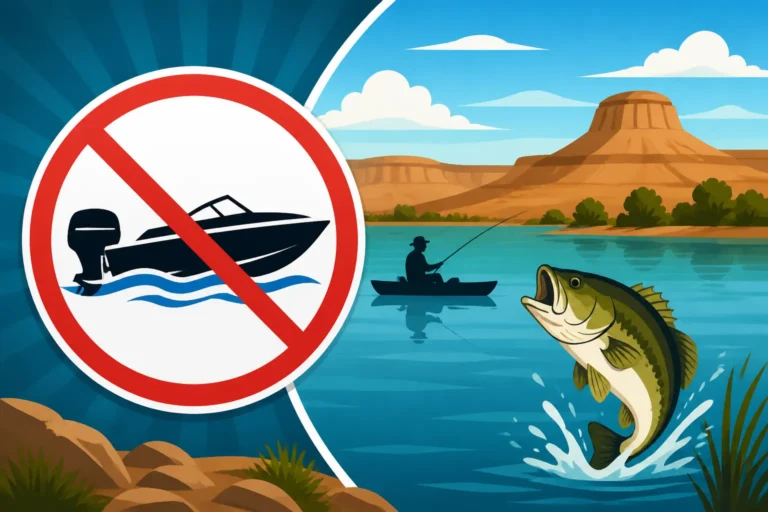
The Gila National Forest is one of the few places in the world where you can find the Gila Trout in its native range. These beautiful, olive-gold fish with subtle black spots thrive in the colder, cleaner waters of high-elevation streams. Accessing these streams is often an adventure in itself, requiring long hikes, bushwhacking, and sometimes even overnight backpacking trips. You'll typically find these fish in streams within designated wilderness areas, where motors and wheeled vehicles are prohibited, ensuring their pristine environment remains undisturbed. If you’re interested in specific areas, our article on Where to Catch Gila Trout in New Mexico provides more details.
Some notable tributaries that hold Gila Trout include sections of Spruce Creek, Iron Creek, and Willow Creek. However, always check the latest New Mexico Fishing Regulations Overview, as specific stream sections may have special restrictions, such as catch-and-release only, artificial lures only, or even temporary closures to protect recovering populations. This is not just about catching fish; it's about connecting with a rare and beautiful part of New Mexico's natural heritage. When you go, be prepared for solitude and a truly wild experience. A light fly rod (2 or 3 weight) with a delicate presentation is often best. Small dry flies, emergers, and nymphs are usually the ticket.
The Rewards and Responsibilities of Fishing for Gila Trout
Fishing for Gila Trout comes with a unique set of rewards and responsibilities. The reward is the sheer beauty of the fish and the breathtaking, untouched landscapes you’ll encounter. You're truly off the beaten path, away from the crowds, immersed in nature. The responsibility lies in protecting these precious populations. Always handle Gila Trout with extreme care, keeping them in the water as much as possible, using wet hands, and releasing them quickly. Barbless hooks are usually mandatory in Gila Trout waters, and for good reason—they minimize harm to the fish. Learn more about How to Catch Gila Trout Without Harming the Population.
It’s also crucial to prevent the spread of invasive species. Clean your boots, waders, and gear thoroughly before entering new waterways to avoid introducing non-native organisms. Some areas require a special permit to fish for Gila Trout, in addition to your standard New Mexico Fishing License Guide, so always double-check the regulations from the New Mexico Department of Game and Fish. Consider booking a guided trip if you're new to Gila Trout fishing. A seasoned local guide, perhaps found through services like FishingBooker, can not only lead you to productive waters but also teach you the proper techniques for handling and releasing these sensitive native fish, ensuring their future.
Lakes and Ponds Within the Gila's Embrace: Stocked Options and Unique Opportunities
While the Gila National Forest is primarily known for its rivers and streams, there are also a handful of lakes and ponds that offer different fishing experiences, ranging from easily accessible family spots to more remote, high-country impoundments.
Accessible Lakes for Family Fishing and Stocked Trout
For those looking for a less arduous experience, or a spot suitable for families, some lakes and ponds on the fringes or within more accessible parts of the Gila National Forest offer good opportunities. These often include waters that are regularly stocked with rainbow trout by the New Mexico Department of Game and Fish. Places like Lake Roberts, located near the eastern boundary of the Gila National Forest, are popular choices. It's a relatively small lake, but it's well-maintained, has amenities, and is frequently stocked, making it a great place to introduce kids to fishing. You can often find a good mix of rainbow trout, channel catfish, and sometimes even smallmouth bass here. For these stocked lakes, PowerBait, worms, and small spinners often work wonders. Our article on How to Fish PowerBait for Stocked Trout has some great tips.
Another option might be Bill Evans Lake, though it's technically just outside the forest's western boundary, it often gets grouped in with the Gila region due to its proximity and similar feel. This lake is known for its quality trout fishing and sometimes features special regulations, such as fly and lure only, to enhance the angling experience. These spots provide a fantastic opportunity to enjoy the beauty of the Gila region without the intense physical demands of deep backcountry river fishing. Always check for current stocking schedules and any specific lake rules before heading out.
High Mountain Lakes for Secluded Angling
Beyond the more accessible lakes, the Gila National Forest also harbors a few high-mountain lakes, which, similar to the remote streams, require significant effort to reach. These lakes are typically found at higher elevations and often contain self-sustaining populations of trout or are occasionally stocked via aerial drops. Fishing in these remote alpine settings is an incredible experience, combining strenuous hiking with the thrill of potentially catching robust, wild-feeling trout. These lakes are often clear, cold, and surrounded by stunning scenery.
You might encounter rainbow trout, brook trout, or even cutthroat trout in these high-country gems. The fishing can be challenging but incredibly rewarding. Often, small spinners, spoons, or classic dry flies and nymphs are effective. The season for these high-elevation lakes is usually shorter, typically from late spring after the ice thaws, through early fall before winter sets in again. Planning a multi-day backpacking trip to one of these lakes allows you to fully immerse yourself in the wilderness experience. Always pack appropriate gear for rapidly changing mountain weather conditions, including rain gear and layers. Remember your New Mexico Habitat Stamp and Validation Requirements as well, as you'll likely be on federal land.
Here’s a quick overview of some types of fishing you can find in the Gila National Forest:
| Fishing Spot Type | Primary Fish Species | Typical Access Difficulty | Recommended Gear | Experience Level |
|---|---|---|---|---|
| Gila River Mainstem | Rainbow, Brown, Rio Grande Cutthroat | Moderate to Difficult | Fly, Spin (light) | Intermediate-Expert |
| High-Country Tributaries | Gila Trout, Brook, Rio Grande Cutthroat | Difficult (Hiking) | Light Fly | Intermediate-Expert |
| Lake Roberts | Rainbow Trout, Catfish, Smallmouth Bass | Easy | Spin, Baitcasting | Beginner-Intermediate |
| Bill Evans Lake | Rainbow Trout, Catfish | Easy | Fly, Spin | Beginner-Intermediate |
| Remote Alpine Lakes | Rainbow, Brook, Cutthroat | Difficult (Backpacking) | Light Fly, Spin (light) | Intermediate-Expert |
No matter where you choose to cast your line in the Gila National Forest, remember that respect for this wild, beautiful landscape is paramount. Do your research, prepare thoroughly, and be ready for an adventure. Whether it's chasing native Gila Trout in a hidden stream or introducing a youngster to the joys of catching a stocked rainbow, the Gila offers something truly special for every angler willing to embrace its wild heart.
Disclaimer
The information provided in this guide is for general informational purposes only and is subject to change. Always consult the official New Mexico Department of Game and Fish regulations, advisories, and local conditions before planning any fishing trip to ensure compliance and safety. Fishing in the Gila National Forest involves inherent risks associated with wilderness environments, and proper preparation and caution are essential.