Best Fishing Spots Along Highway 550
Trying to find those prime fishing spots when you're cruising along a major artery like Highway 550 in New Mexico can feel like a real treasure hunt. You're covering a lot of ground, from the high desert plains near Bernalillo all the way up to the Four Corners region, and knowing where to pull off the road for a worthwhile cast isn't always obvious. This guide is here to cut through the guesswork, pointing you directly to some of the best angling opportunities this scenic route has to offer, from world-class trout streams to expansive reservoirs.
Northern Stretches: San Juan River & Navajo Lake Region
As you head north on Highway 550, especially past the town of Bloomfield, you're entering some of New Mexico's most renowned fishing territory. This area, largely influenced by the San Juan River system, offers a fantastic variety for anglers of all skill levels, from the dedicated fly fisher to the family looking for a relaxing day by the water. The landscape transforms from high desert to more verdant river valleys, providing a stark but beautiful contrast.
The Mighty San Juan River
The San Juan River, particularly below Navajo Dam, is legendary among anglers, and it's easily accessible just off Highway 550. This tailwater fishery is often lauded as one of the best trout fisheries in North America, boasting an incredible population of large rainbow and brown trout. The sheer density of fish here is astonishing, making it a bucket-list destination for many.
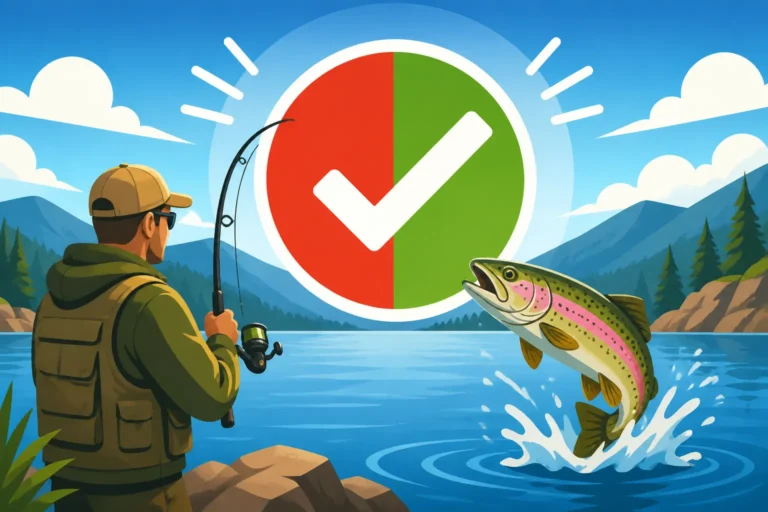
The most famous section is the Quality Waters, which runs approximately 3.75 miles downstream from the dam. This stretch is heavily regulated, requiring artificial flies and lures with single, barbless hooks, and it's strictly catch-and-release. The water here is consistently cold and nutrient-rich, providing ideal conditions for trout to thrive and grow to impressive sizes. You'll often find anglers lining the banks, meticulously nymphing or casting dry flies to rising fish. For those who prefer a guided experience, numerous local outfitters operate on this section, offering float trips or wade trips that can greatly increase your chances of success, especially if you're new to the specific techniques required. Before heading out, make sure to check the specific rules outlined in the New Mexico Trout Fishing Rules as they are very particular for this segment of the river.
Below the Quality Waters, the San Juan River opens up to more conventional fishing regulations, allowing bait and offering opportunities to keep some of your catch, though bag limits still apply. While the fish might not be as numerous or as large on average as in the Quality Waters, this section still holds plenty of feisty trout, along with other species like pike and carp, offering a more relaxed experience. Access points are plentiful, with designated public fishing areas and state park facilities. It's a great option for families or those who prefer to use conventional tackle.
Navajo Lake State Park: Multi-Species Reservoir
Just a short drive northeast from the main Highway 550 corridor near Bloomfield, Navajo Lake State Park stands as New Mexico's second-largest lake and a fantastic multi-species fishery. This vast reservoir, formed by the Navajo Dam on the San Juan River, is a haven for boaters and bank anglers alike, offering diverse fishing opportunities against a backdrop of stunning red rock canyons.
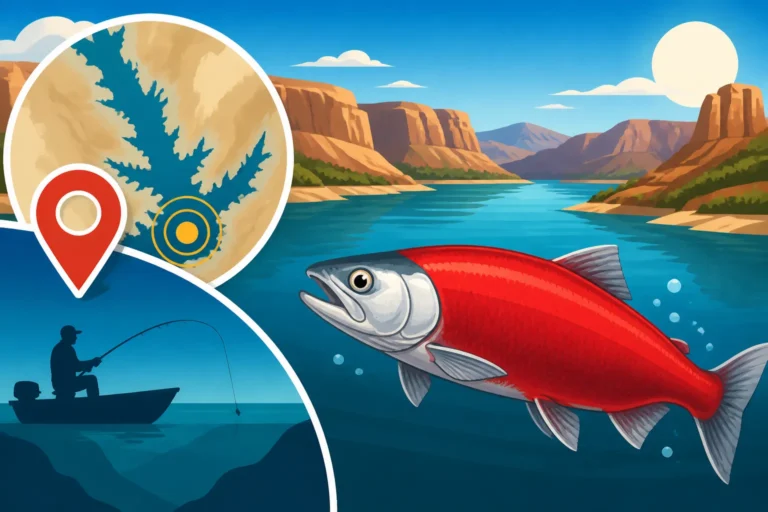
Navajo Lake is famous for its kokanee salmon, which put on an incredible spawning run in the fall, drawing anglers from all over for the snagging season. These landlocked sockeye salmon are a thrill to catch and are excellent table fare. Beyond salmon, the lake hosts a robust population of smallmouth bass, particularly in the rocky areas and submerged structures, providing exciting action for those who enjoy chasing aggressive fighters. Largemouth bass can also be found in the warmer, shallower coves. Additionally, anglers target channel catfish, northern pike, and even an occasional rainbow trout, especially in the deeper, cooler waters near the dam. For a comprehensive overview of how to tackle this magnificent fishery, check out our Navajo Lake Fishing Guide.
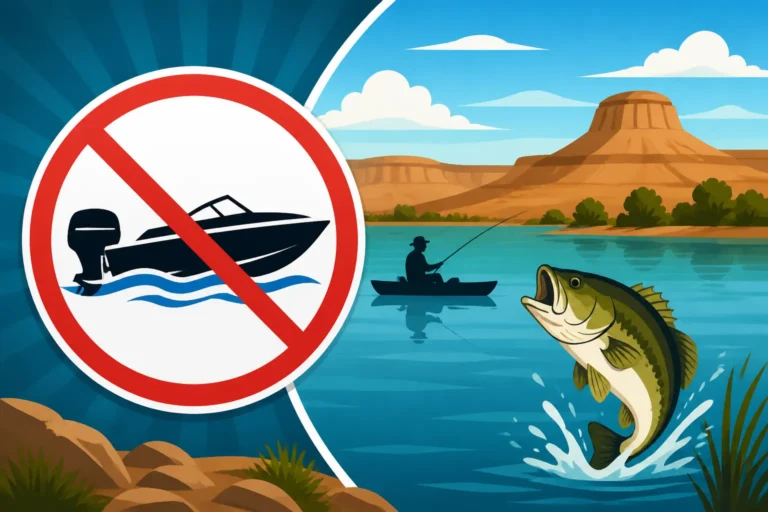
Access to Navajo Lake is excellent, with multiple boat ramps, marinas, and developed camping areas within the state park. Whether you're launching a bass boat, a pontoon, or a kayak, you'll find facilities to suit your needs. Bank fishing is also popular, especially around the developed recreation areas and along the many coves and points. During peak seasons, it can get busy, but the sheer size of the lake means there's always a quiet corner to be found if you're willing to explore. For those without their own boat, marinas often offer rentals, allowing everyone to experience the expansive waters and diverse fishing. If you're planning a trip, considering using a platform like FishingBooker to find local guides who can put you on the best spots, especially for those elusive kokanee or trophy smallmouth bass.
Central New Mexico: Lesser-Known Gems and High Desert Access
While the northern reaches of Highway 550 get most of the attention for their famous fisheries, the central and southern parts of the corridor still offer some intriguing, albeit often more modest, fishing opportunities. These spots might require a bit more local knowledge or a willingness to explore off the beaten path, but they can reward the persistent angler with solitude and some surprisingly good catches. This stretch, particularly around towns like Cuba and San Ysidro, is characterized by its high desert landscape, with intermittent river systems and smaller ponds.
Around Cuba and Counselor: Smaller Streams and Ponds
As you travel through the high desert regions, particularly around the towns of Cuba and Counselor, the larger, well-known fisheries become scarcer. However, this doesn't mean fishing is non-existent. Instead, you'll find a network of smaller streams, irrigation ditches, and stock ponds that can hold various species, often stocked by the New Mexico Department of Game and Fish (NMDGF). These waters are typically smaller scale, providing a more intimate angling experience, far removed from the crowds of more popular destinations.
Many of these smaller waterways are tributaries to larger systems like the Rio Puerco or the Chama River drainage. While some might only be seasonal or depend heavily on local rainfall and snowmelt, others are fed by more consistent sources and can hold surprising populations of trout, catfish, or warm water species like bluegill. One notable spot, though a slight detour west of 550, is Fenton Lake State Park, known for its trout fishing, often requiring specific Fenton Lake Fly Fishing Only Rules. Closer to Cuba, smaller, less-advertised ponds managed by NMDGF for community fishing programs might be stocked with trout in cooler months or catfish in warmer seasons. These spots are fantastic for a quick stop to wet a line, especially if you're traveling with kids or looking for a convenient, low-pressure fishing experience. Always consult the latest NMDGF fishing proclamation or use resources like FishingBooker to confirm current stocking schedules and regulations for these more localized spots.
BLM and Forest Service Access: Opportunities for Intrepid Anglers
For those with a spirit of adventure and a willingness to explore, the vast stretches of Bureau of Land Management (BLM) and National Forest lands bordering Highway 550 present numerous opportunities for primitive fishing. These areas, particularly within the Santa Fe National Forest or the Carson National Forest as you move further north and east from the highway, contain countless small creeks, high-mountain lakes, and remote ponds that often see very little angling pressure. While not directly "along" the highway, many are accessible via well-maintained (or sometimes less-maintained) dirt roads leading off 550.
These backcountry waters can hold native species like the Rio Grande cutthroat trout, as well as wild brown trout and rainbow trout populations. The fishing here is often about the experience – the solitude, the stunning scenery, and the challenge of finding unpressured fish. You'll likely need to hike to reach many of these spots, so proper backpacking and wading gear is essential. Light spinning tackle or a packable fly rod are ideal. Keep in mind that access might be seasonal, particularly for high-mountain lakes that are snowed in during winter and early spring. Always be prepared with maps, appropriate safety gear, and a solid understanding of wilderness ethics. This type of fishing truly allows you to immerse yourself in the natural beauty of New Mexico, far from any paved road. Remember that a New Mexico Habitat Stamp and Validation Requirements is often needed for fishing on federal lands, so make sure you're properly licensed.
Planning Your Trip Along 550: Logistics and Local Insight
Embarking on a fishing adventure along Highway 550 requires a bit more than just a fishing rod and a willingness to drive. To ensure a smooth, enjoyable, and legal experience, it's crucial to understand the necessary permits, typical weather patterns, and where to acquire essential gear or find local expertise. This isn't just about catching fish; it's about respecting the environment and being prepared for whatever the New Mexico landscape throws at you.
Licensing and Regulations: What You Need to Know
Before you even think about wetting a line in New Mexico, securing the correct fishing license is paramount. The state has specific requirements for residents and non-residents, and it's not a place where you want to gamble on getting caught without one. Generally, anyone aged 12 and older needs a license to fish in public waters. This includes a basic fishing license, and often an additional "Habitat Management and Access Validation" stamp is required, which helps fund wildlife management and improve public access. For specialized fishing, like trout in specific waters, a "New Mexico Trout Stamp" might also be necessary. You can find detailed information and purchase your licenses online through the New Mexico Department of Game and Fish website, or in person at various vendors like sporting goods stores and some Walmart locations. For a deeper dive into the specifics, our guide on New Mexico Fishing License Guide or even How to Get a New Mexico Fishing License are excellent resources.
It's equally important to be familiar with the New Mexico fishing regulations overview, which can change annually. The regulations cover everything from bag and possession limits for different species to size restrictions and specific tackle rules, especially in designated "Quality Waters" or "Special Trout Waters" like sections of the San Juan River. These rules are in place to protect fish populations and ensure sustainable fishing for future generations. Ignorance of the law is not an excuse, and penalties for violations can be steep. Always carry a copy of the current year's fishing proclamation (available online or at license vendors) and read it thoroughly before you fish a new body of water.
Here’s a quick overview of common license types and requirements:
| License Type | Who Needs It | Key Requirement (General) |
|---|---|---|
| Annual Fishing License | Residents/Non-residents 12+ | Valid for a full license year |
| One-Day/Five-Day License | Short-term visitors, casual anglers | Good for specified consecutive days |
| Junior Fishing License | Residents/Non-residents 12-17 years old | Reduced cost |
| Habitat Mgmt & Access Valid. | Most anglers, in addition to fishing license | Supports access and conservation |
| New Mexico Trout Stamp | Required for fishing "Special Trout Waters" | Check specific water regulations |
| Second Rod Validation | For using a second rod simultaneously | Allows more lines in the water |
Remember, special discounts and exemptions exist for certain groups like seniors, disabled veterans, and children under 12, who may fish without a license entirely or at a reduced cost. Always verify your eligibility.
Gear and Accommodations: Preparing for Diverse Conditions
New Mexico's diverse geography along Highway 550 means you'll encounter a wide range of conditions, from high-altitude mountain streams to expansive desert reservoirs. Proper gear selection is crucial for both comfort and success. For the renowned San Juan River, a 4-weight or 5-weight fly rod is typical for trout, coupled with a reliable reel and appropriate leader/tippet. If you're targeting the larger fish in the Quality Waters, specialized nymphing rigs are often key. For reservoir fishing at Navajo Lake, a medium-action spinning rod with 6-10 lb test line will handle most species, from bass to catfish. Lures like crankbaits, jigs, and soft plastics are popular for bass, while cut bait or stink bait works wonders for catfish. When snagging kokanee, heavier gear is needed to handle the fight and the unique snagging technique. Our guide on Best Fishing Gear for New Mexico Anglers offers a more detailed breakdown.
Beyond fishing tackle, consider the environment. New Mexico weather can be unpredictable, with hot days turning into cool evenings, especially at higher elevations. Layered clothing is a must. Sun protection, including a wide-brimmed hat, sunglasses (polarized are a game-changer for spotting fish), and high SPF sunscreen, is vital given the intense sun at elevation. Sturdy wading boots with good grip are essential for river fishing, and a quality pair of waders will keep you dry and comfortable in colder water. For those exploring remote areas, a fishing backpack, plenty of water, and emergency supplies are non-negotiable.
When it comes to accommodations, the towns along Highway 550 offer a range of options. Farmington and Bloomfield, being closest to the San Juan River and Navajo Lake, have numerous hotels, motels, and RV parks. Navajo Lake State Park itself boasts excellent campgrounds, often requiring reservations during peak season. Further south, towns like Cuba and Bernalillo offer more limited, but still viable, lodging choices. For a truly immersive experience, many choose to camp on BLM or National Forest lands, which often allows for more direct access to remote fishing spots, though these usually lack amenities. Planning ahead, especially during popular fishing seasons, will ensure you have a comfortable base for your New Mexico fishing adventures. If you're looking for a guided trip, local outfitters often bundle gear and advice with their services, making it easier for visitors.
Disclaimer
This article is for general informational purposes only and does not constitute professional advice. Laws, prices and regulations vary by location and change over time. Consult a qualified professional for guidance on your specific situation.