How Often Are New Mexico Lakes Stocked?
It’s a common frustration for New Mexico anglers: you plan a fishing trip, get all your gear ready, only to arrive at your favorite lake or pond wondering if it’s been stocked recently. You might even feel like you're playing a guessing game, hoping the fish fairies have paid a visit. Getting a clear picture of fish stocking frequency is absolutely key to increasing your chances of a successful and enjoyable outing in the Land of Enchantment. This guide will pull back the curtain on how often New Mexico's lakes and other waters receive their finned residents, and how you can stay informed.
Understanding New Mexico's Fish Stocking Program
Navigating the waters of New Mexico's fishing scene means understanding a bit about how and why fish are stocked. It’s not just a random act; it’s a carefully managed program vital to supporting the state’s vibrant angling community.
Why Fish Stocking is Essential in New Mexico
New Mexico is a high desert state, and let's be honest, it's not exactly brimming with naturally occurring, prolific fisheries like some other parts of the country. Many of our lakes, especially the larger reservoirs, experience significant fluctuations in water levels, temperature extremes, and periods of drought, which can make it tough for certain fish species to reproduce and thrive on their own. This is where the New Mexico Department of Game and Fish (NMDGF) steps in.
The NMDGF's stocking program isn't just about putting fish in the water; it's a strategic effort with several key goals. Primarily, it aims to enhance recreational fishing opportunities for residents and visitors alike, ensuring there are enough fish for everyone to enjoy catching. For popular species like rainbow trout, which are often raised to "catchable" size before release, stocking provides that immediate gratification for anglers. For other species, like walleye or bass, stocking might involve releasing smaller fingerlings to supplement existing populations, helping to build a healthy, sustainable fishery over time. Without these proactive stocking efforts, many of New Mexico’s most beloved fishing spots simply wouldn't be able to sustain the level of angler pressure they receive or provide the consistent action we all crave. It's a critical component of the overall New Mexico Fishing Regulations Overview that ensures our fisheries remain viable.
Who Manages Stocking Operations?
The meticulous process of fish stocking in New Mexico is spearheaded by the dedicated team at the NMDGF. They operate a network of state-of-the-art fish hatcheries, such as the Glenwood Fish Hatchery and the Red River Fish Hatchery, where millions of fish are raised each year. These facilities are staffed by biologists and technicians who are experts in aquaculture, ensuring the fish are healthy and robust before release.
The planning process for stocking is incredibly detailed. Biologists assess everything from water temperatures and oxygen levels to predator populations and angler usage trends in various bodies of water. They also take into account feedback from the public and local wildlife officers. The decision on which species to stock, how many, and when, is a complex one, driven by scientific data and a commitment to providing the best possible fishing experience. This program is largely funded through the sale of fishing licenses and federal excise taxes on fishing equipment. So, every time you purchase a license, you're directly contributing to these vital efforts, which really makes you think about Where New Mexico Fishing License Fees Go. It's a true cycle of conservation and recreation.
Stocking Frequency: What to Expect for Different Waters
Knowing the general stocking patterns for different types of New Mexico waters can significantly improve your planning. Not all lakes are created equal when it comes to how often they receive new fish.
Urban Waters and Community Ponds
If you're looking for the most consistent and frequent stocking action, look no further than New Mexico's urban waters and community ponds. These easily accessible fishing spots are often the lifeblood for local anglers, especially families and beginners. Locations like Tingley Beach in Albuquerque, some of the smaller community ponds around Las Cruces, and the numerous municipal lakes throughout the state are generally stocked with rainbow trout on a very regular basis.
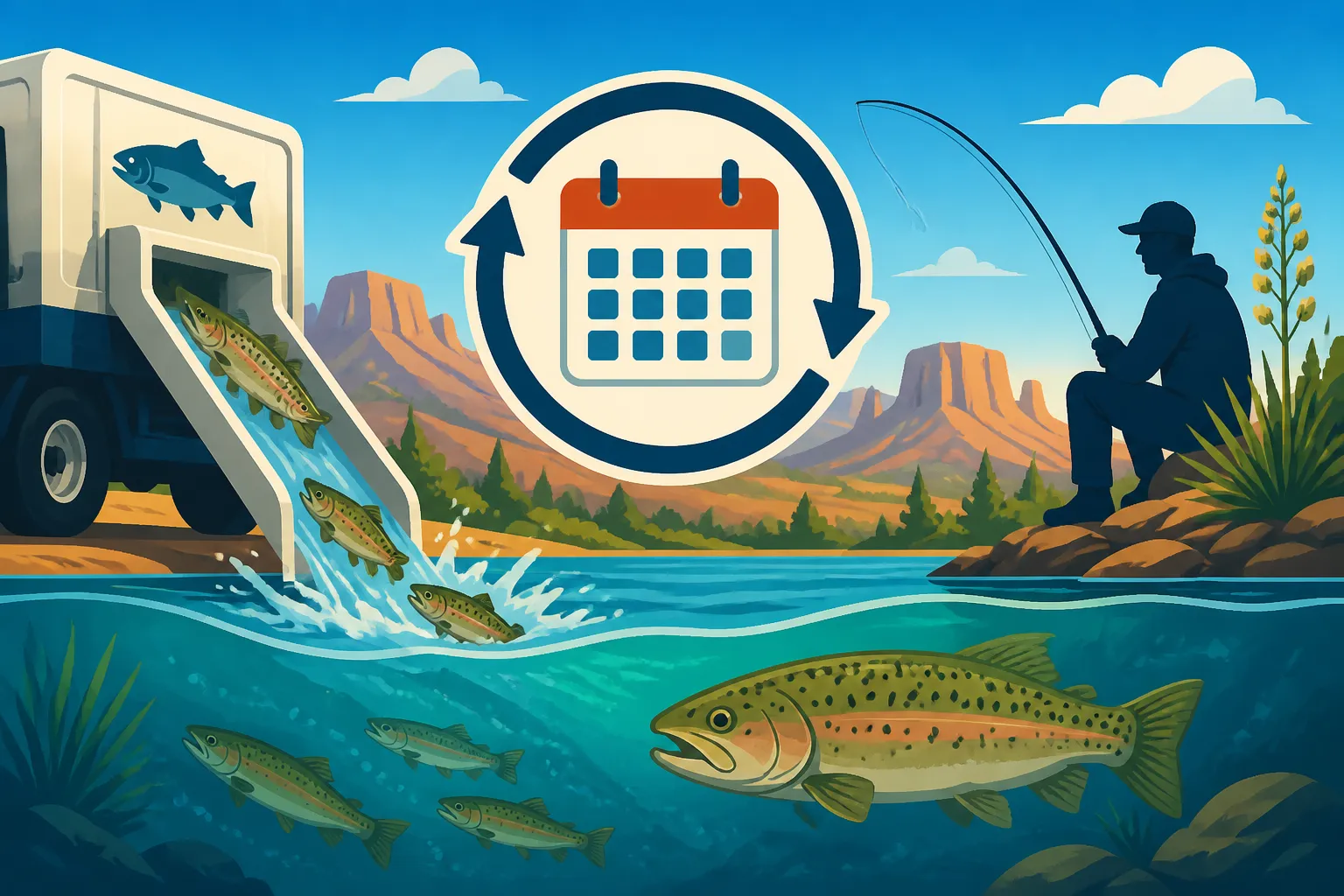
During the cooler months, typically from fall through late spring, you can often expect these waters to be stocked weekly or bi-weekly with "catchable" size trout. This high frequency is due to several factors: intense angler pressure, limited natural reproduction of trout in warmer urban environments, and the NMDGF's commitment to providing accessible, family-friendly fishing opportunities. When the temperatures rise in summer, trout stocking usually slows down or ceases, as the water can become too warm for these cold-water species. Instead, some urban waters might receive stockings of warm-water fish like channel catfish or bluegill, though typically less frequently than the peak trout season. These spots are fantastic for a quick trip with the kids, and if you’re in the Albuquerque area, checking out the Urban Ponds Stocked With Trout in Albuquerque can give you a head start. They are definitely some of the Best Fish Species to Target With Kids!
Major Lakes and Reservoirs
When we talk about New Mexico's larger lakes and reservoirs, the stocking frequency becomes a bit more nuanced and varies greatly depending on the specific lake and the target fish species. These are vast bodies of water, and managing their fish populations involves a different strategy than small urban ponds.
For trout species in higher elevation lakes or those with cold tailwater releases (like Heron Lake, Eagle Nest Lake, or the waters below Navajo Dam), stocking might occur monthly or several times throughout the fishing season, especially in spring and fall. These stockings aim to boost populations in areas where fishing pressure is high but natural reproduction might still be limited. For example, Navajo Lake Kokanee Salmon Fishing often sees periodic stocking of Kokanee salmon, but these are often smaller fish intended to grow into the trophy-sized catches anglers seek.
Warm water species, such as walleye, largemouth bass, smallmouth bass, crappie, and channel catfish, are handled differently. Rather than frequent stockings of catchable-sized fish, these species are typically stocked as fingerlings or juveniles, often annually or every few years, to supplement existing, naturally reproducing populations. The goal here is long-term population management, ensuring a healthy balance and diversity of fish. Lakes like Elephant Butte Lake and Conchas Lake receive these types of stockings, which are less about an immediate "put-and-take" and more about bolstering the future of the fishery. Knowing the Seasonal Stocking Schedule in New Mexico is crucial here, as it can pinpoint when certain species were introduced to grow. For larger reservoirs, a good resource like the Elephant Butte Lake Fishing Guide often has details on what fish species are being managed and stocked.
Rivers and Streams
New Mexico's rivers and streams present another layer of complexity when it comes to stocking. Many of the state's most revered river fisheries, especially designated "Quality Waters" or "Special Trout Waters" like the pristine upper sections of the San Juan River or the Rio Grande Gorge, are managed primarily for wild, self-sustaining trout populations. In these sensitive ecosystems, extensive stocking of hatchery fish can actually be detrimental to the genetic integrity and survival of native wild trout. The San Juan River Fishing Guide highlights a fishery where wild trout thrive, and stocking is minimal in the Quality Waters.
However, some more accessible river sections, particularly those near towns or popular recreational areas, do receive periodic stockings of catchable rainbow trout. These might occur monthly or bi-monthly during peak seasons, especially in areas with easy access and high angler usage where natural reproduction can't keep up. The Pecos River, certain stretches of the Rio Chama, and sections of the Rio Grande accessible from state parks are good examples of rivers that might see supplemental stockings. The frequency will always be less than urban ponds, and these stockings are generally meant to provide a "put-and-take" opportunity rather than to establish long-term populations. Always remember to consult the specific New Mexico Trout Fishing Rules for any river you plan to fish, as regulations can vary significantly, especially regarding stocking and special water designations.
How to Find the Latest Stocking Schedules
Okay, so now you know why fish are stocked and what to generally expect. But how do you get the most up-to-date, actionable information for your next trip? This is where staying connected to official and local sources becomes invaluable.
The NMDGF Website and Social Media
Without a doubt, the most reliable and primary source for current fish stocking information in New Mexico is the official NMDGF website. They consistently update their "Weekly Fishing Report" which often includes recent stocking details. Beyond that, many times they have a dedicated "Stocking Schedule" or "Fish Stocking" page that provides projected and recent stocking dates for various waters across the state. It’s absolutely essential to bookmark these pages and check them regularly, especially before you head out.
In addition to their website, the NMDGF also uses social media channels, primarily Facebook and X (formerly Twitter), to disseminate timely information. Following their official accounts can give you real-time alerts about recent stockings, especially for popular lakes and urban ponds. Sometimes, they'll even share photos or videos of the stocking process, which is pretty cool! This is often where you'll get the freshest news on When Do Trout Get Stocked in New Mexico Rivers? or your favorite lake.
Local Bait Shops and Fishing Forums
While official sources are paramount, never underestimate the power of local knowledge. Your local bait and tackle shop owners are often the unofficial ambassadors of New Mexico fishing. They're on the front lines, talking to anglers every day, and often have direct connections with NMDGF staff or local hatchery personnel. They hear about stockings as soon as they happen, and sometimes even have insights into upcoming plans before they’re officially posted. A quick stop or phone call to a reputable bait shop near your destination can provide invaluable, up-to-the-minute details and even tips on what bait or lures are working best for those freshly stocked fish.
Online fishing forums and local social media fishing groups also serve as excellent community hubs. Anglers often share their experiences, including when and where they’ve seen recent stockings, or discuss fishing conditions related to stock releases. While these informal sources can be incredibly helpful for gathering anecdotal evidence, always try to cross-reference information with the official NMDGF channels to confirm details.
Interpreting Stocking Reports
Reading a stocking report isn't always as straightforward as it seems. Understanding the terminology and what factors can influence the schedules will help you make better sense of the information you find.
When you see a report, pay close attention to the specific fish species mentioned and the quantity. "Catchable trout" usually refers to rainbow trout around 10-12 inches, ready for anglers to target immediately. "Fingerlings" or "fry," on the other hand, are very small fish, typically stocked to grow into a fishery over time, and aren't usually targeted right after release. The date of the stocking is obviously critical – the more recent, the better for targeting those disoriented, hungry fish.
It's also important to remember that stocking schedules are sometimes fluid. Factors beyond human control, like sudden changes in water levels due to heavy rains or drought, unexpected shifts in water temperature, or even unforeseen issues at a fish hatchery, can cause delays or alterations to planned stockings. New Mexico is particularly susceptible to these environmental factors. If you're trying to figure out how often a lake is stocked, it's worth noting that persistent drought conditions, which are unfortunately a reality for us, can significantly impact stocking numbers and timing. For instance, Fishing New Mexico During Drought Years often means reduced stocking or re-prioritization of waters.
Here’s a general guide to typical stocking frequencies in New Mexico:
| Water Type | Primary Species Stocked | Typical Stocking Frequency | Goal of Stocking |
|---|---|---|---|
| Urban Ponds/Community Lakes | Rainbow Trout, Channel Catfish | Weekly/Bi-weekly (Cool Season) | High angler success, "put-and-take" |
| Major Cold Water Lakes | Rainbow, Brown Trout, Kokanee | Monthly/Several times a season | Enhance recreational fishing, supplement wild |
| Large Warm Water Reservoirs | Walleye, Bass, Catfish, Crappie | Annually/Bi-annually (Fingerlings) | Build/maintain populations, long-term fishery |
| Accessible River Sections | Rainbow Trout | Monthly/Bi-monthly (Peak Season) | "Put-and-take" in high-use areas |
| Quality/Wild Trout Rivers | N/A (Self-sustaining populations) | Very rarely, if ever | Preserve wild genetics, natural experience |
Maximizing Your Chances After a Stocking
Knowing when and where fish are stocked is half the battle. The other half is using that information to plan your trip effectively and employ the right techniques.
Timing Your Trip for Freshly Stocked Fish
This is where the diligent work of checking those stocking reports pays off! The absolute best time to target stocked fish, especially trout, is typically within a few days to a week after they've been released. When hatchery-raised fish are introduced to a new environment, they are often disoriented and, most importantly, very hungry. They haven't had to forage much in the hatchery, so their instinct is to gobble up anything that looks like an easy meal. This makes them significantly easier to catch immediately after stocking.
If you can manage it, planning your trip for a weekday shortly after a known stocking can give you a significant advantage. Weekends, especially after a fresh release, can draw large crowds to popular stocking locations, which can spook the fish and make the experience less enjoyable. While the fish will still be around for a bit, that initial "feeding frenzy" window is often the most productive. This is why knowing How Soon After Stocking Should You Fish a Lake? is such a critical piece of information for eager anglers.
Effective Techniques for Stocked Trout
Stocked trout, particularly rainbow trout, are often accustomed to a pellet-based diet in the hatchery. While they adapt quickly to natural food sources, they also tend to be less wary of baits and lures than their wild counterparts. This makes them relatively easy targets, especially in the days following a stocking event.
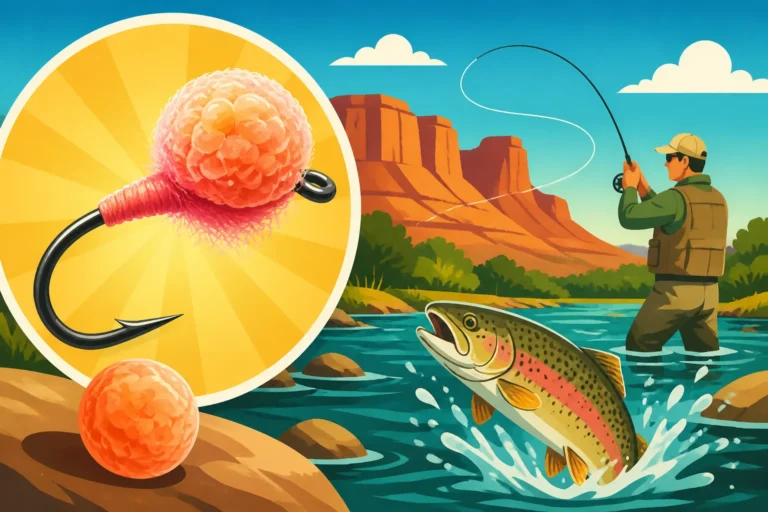
For bait fishing, popular choices that mimic their former diet or are simply irresistible include PowerBait (in various colors and forms like dough or nuggets), salmon eggs, and good old-fashioned worms. Using a simple slip-sinker rig or a small bobber setup that allows the bait to drift naturally near the bottom or at a shallow depth is often incredibly effective. This is particularly true for those who like to use How to Fish PowerBait for Stocked Trout.
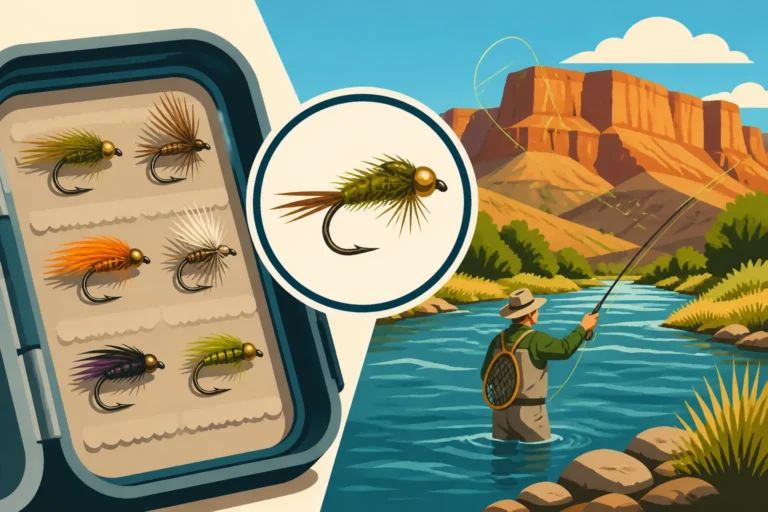
When it comes to lures, small inline spinners (like Mepps Aglias or Panther Martins) in bright colors, tiny spoons (such as Kastmasters or Super Dupers), and even small soft plastic jigs can entice strikes. A slow, steady retrieve often works best, mimicking easy prey. Fly anglers can also find success with simple patterns like woolly buggers, San Juan worms, or even small nymph patterns, especially right after a stocking. Remember, these fish aren't usually picky right off the truck! For a more comprehensive look at what works, consider exploring resources on Best Lures for New Mexico Trout.
Ultimately, staying informed about stocking schedules is a game-changer for fishing in New Mexico. By leveraging the resources available and understanding the patterns, you can turn a hit-or-miss fishing trip into a consistently rewarding experience.
Disclaimer
Fishing conditions and regulations in New Mexico can change rapidly due to weather, water levels, and management decisions by the New Mexico Department of Game and Fish. Always consult the official NMDGF website and the current New Mexico Fishing Rules and Regulations booklet before planning any fishing trip to ensure you have the most up-to-date information. This guide is for informational purposes only and does not supersede official regulations.