Best Line Weight for San Juan River Fly Fishing
One of the most common dilemmas I hear from fellow anglers heading to the legendary San Juan River is, "What on earth is the right line weight to use?" It’s a completely fair question, and one that can make or break your day on these hallowed waters. Picking the wrong line weight can lead to frustratingly poor casts, spooked fish, or even lost trophy trout. This guide is going to meticulously break down everything you need to know about selecting the best fly line weight for fly fishing the San Juan River, helping you optimize your setup for success and truly enjoy your time on this world-class fishery.
Understanding the San Juan River's Unique Character
The San Juan River, particularly the "Quality Waters" section below Navajo Dam, isn't just any trout stream. It's a highly unique, intensely productive, and often challenging fishery that demands a specific approach to gear. Understanding its distinct characteristics is the first step in choosing the right line weight.
The Quality Waters and Its Inhabitants
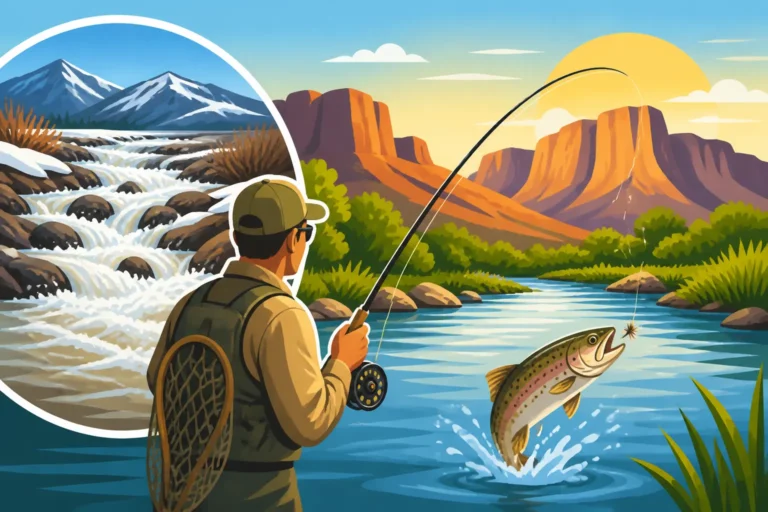
The San Juan River's "Quality Waters" are renowned for their incredible population of large, healthy trout, primarily rainbow trout, but also a good number of substantial brown trout. These fish are often very well-fed, educated, and can reach impressive sizes, with 18 to 22-inch fish being common and larger specimens not unheard of. This means you’re not just chasing small stockers; you’re engaging with powerful fish that can test your tackle. The sheer abundance of food, from tiny midges to larger annelids and scuds, allows these fish to grow quickly, and their consistent feeding habits make them a joy to pursue. However, their size and strength mean your gear needs to be up to the task of handling strong runs and powerful head shakes, especially when dealing with the river's flows.
Consistent Flows and Clear Water Challenges
One of the defining features of the San Juan River is its incredibly consistent flow, regulated by Navajo Dam. This creates a stable aquatic environment, but also means the fish are accustomed to very clear water, making them incredibly wary. You won't often find murky conditions here, which places a premium on stealthy presentations and delicate drifts. When the water is crystal clear, trout have a much better chance of seeing your fly line, leader, and even your shadow. This clarity, combined with the often-calm surface, means that a heavy, splashing line or a poorly turned-over leader can instantly put down a pod of feeding fish. Therefore, the line weight you choose isn't just about casting distance or fighting power; it's crucially about presentation and invisibility.
The Core Debate: 5-Weight vs. 4-Weight Fly Rods for the San Juan
When it comes to the San Juan, the discussion almost always boils down to a 4-weight or a 5-weight fly rod. Both have their ardent supporters, and both can be highly effective, but they excel in slightly different scenarios. Your choice will largely depend on your personal casting style, the conditions you expect, and your preference for the fight.
The Versatile 5-Weight Setup
For many, the 5-weight fly rod is the quintessential "all-around" choice for the San Juan River. It strikes a fantastic balance, offering enough backbone to cast a variety of fly rigs, including light nymph rigs with multiple flies and split shot, or even a smaller streamer. A good quality 5-weight rod, often paired with a weight-forward floating line, provides the power needed to punch through the occasional New Mexico breeze without being overly clunky.
Imagine you're standing knee-deep in the San Juan, and a gust of wind picks up as you try to cast to a rising fish on the far bank. A 5-weight often gives you that extra bit of oomph to turn over your leader and present your fly accurately. It also offers a bit more leverage when fighting those strong, healthy San Juan rainbows. When a 20-inch fish decides to run downstream, a 5-weight rod gives you a better chance to turn its head and bring it to the net without putting undue stress on your tippet. It’s a workhorse that can handle most situations you'll encounter, making it an excellent choice for anglers who want one reliable setup for their trip. Many popular rod manufacturers, like Orvis, Sage, and Redington, offer fantastic 5-weight options that perform beautifully on these waters, and you can often find great deals on them through retailers like Amazon.
The Finesse of a 4-Weight System
On the other end of the spectrum is the 4-weight fly rod, a favorite for those who prioritize delicate presentations and enjoy a more spirited fight with these large trout. A 4-weight is inherently lighter, translating to a more subtle splash when the line lands on the water. This can be a huge advantage when fishing for incredibly selective or easily spooked fish in flat, clear water sections of the San Juan. It excels when you're primarily nymphing with very light setups, like a single midge or a small annelid pattern, or when dry fly fishing is an option and presentation is everything.
The downside, of course, is that a 4-weight has less power. Casting into a strong headwind with a heavy nymph rig can become a struggle, leading to less accurate casts and more effort. However, the true joy of a 4-weight comes in the fight. A 20-inch rainbow on a 4-weight feels like a true battle, allowing you to really feel every head shake and run. This can be exhilarating, but it also means you need to be very adept at fighting fish gently and efficiently to avoid over-stressing them, especially if you're practicing Catch and Release Best Practices in New Mexico. For many seasoned San Juan anglers, the trade-off of less casting power for increased sensitivity and fighting excitement is well worth it.
Considering the "Feel" of the Fight
Beyond just casting and presentation, the "feel" of the fight is a significant factor in choosing your line weight. With the robust trout of the San Juan, even a 4-weight can provide an incredible challenge. A 5-weight, while still offering a thrilling fight, provides a bit more margin for error, particularly when a large fish makes a powerful run into strong current.
Think about the longevity and health of the fish you're catching. While lighter tackle can be fun, prolonging the fight unnecessarily can lead to increased stress on the trout, especially during warmer months. This is why many anglers opt for a slightly heavier rod, like a 5-weight, if they aren't completely confident in their ability to land a large fish quickly and safely on lighter gear. The goal is always to bring the fish to the net as efficiently as possible, allowing for a quick release and minimizing harm. This consideration ties directly into the ethical responsibility of anglers on such a pressured yet productive fishery.
When a Heavier (or Lighter) Line Might Be Necessary
While the 4-weight and 5-weight dominate the San Juan conversation, there are specific situations where a slight deviation from these norms can be beneficial. Understanding these niche scenarios can further fine-tune your approach and make you even more effective on the river.
Tackling Windy Days or Larger Flies
New Mexico is known for its wind, and the San Juan River valley is no exception. A strong headwind can make casting even a light nymph rig nearly impossible with a 4-weight. In these conditions, a 6-weight fly rod, or even a specialized 5-weight with a heavier-than-standard fly line (like an overweighted "half-size heavy" line), can be a game-changer. The increased mass of the line helps punch through the wind, maintaining loop stability and allowing for more accurate and less exhausting casts.
Furthermore, if you find yourself needing to throw larger fly patterns—perhaps during a rare streamer bite or when fishing bigger worm patterns—a 6-weight provides the necessary power to turn over these more air-resistant flies. While the San Juan is primarily a nymph and midge fishery, there are times when larger presentations are effective, especially for targeting bigger brown trout. A heavier line reduces the effort required for these casts, prevents frustrating tangles, and ensures your fly lands where you intend, not in a heap just inches from your rod tip. This consideration might be more relevant for anglers exploring the lower sections of the Quality Waters or targeting fish specifically looking for a larger meal.
When a 6-Weight Could Be Justified
A 6-weight is certainly not the go-to for typical San Juan nymphing, but it does have its place. If you're consistently running multiple large nymph patterns with significant amounts of split shot, or if you plan to spend a lot of time fishing streamers, a 6-weight will handle the load much better. It also offers considerable advantage when you're battling fish in strong currents. The sheer power of a 6-weight means you can apply more pressure to a fish, turning its head faster and reducing the fight time, which is beneficial for the fish's survival.
However, the trade-off is often a less delicate presentation. A 6-weight line landing on the water can create a more noticeable splash, which might spook wary San Juan trout, especially in shallower or slower moving water. It also makes achieving those incredibly subtle drifts with tiny midges a bit harder. For dedicated nymph anglers focused on finesse, the 6-weight is likely overkill. But for those who anticipate varied conditions, particularly wind, or who enjoy throwing larger flies, it's a justifiable choice to have in the arsenal. Keep in mind that for specialized approaches like this, you might also consider specific Trolling Techniques for New Mexico Lakes if you were fishing other larger bodies of water, but on the San Juan, it's more about casting power than trolling.
Beyond the Rod: Matching Your Leader and Tippet
Choosing the right fly line weight is only one piece of the puzzle. To truly maximize your effectiveness on the San Juan, you need to understand how your leader and tippet integrate with your chosen line weight. This is where the delicate balance between strength and stealth truly comes into play.
The Importance of a Tapered Leader
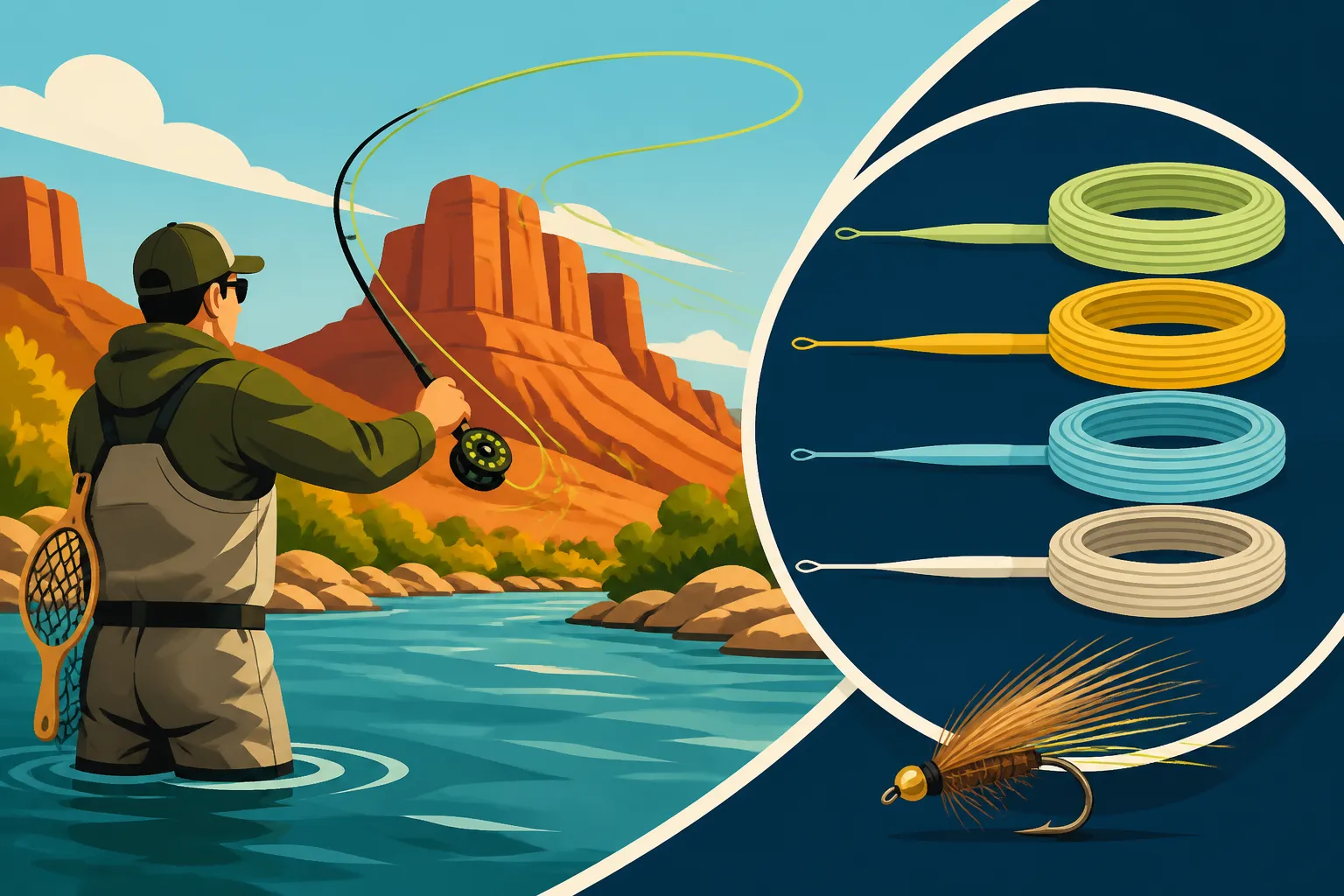
A properly tapered leader is critical for turning over your fly line smoothly and delivering your fly accurately and delicately. For the San Juan, you’ll typically want a longer leader, often 9 to 12 feet, and sometimes even longer, especially for nymphing. The taper helps transfer the energy from your heavier fly line down to the lighter tippet and fly. Without a good taper, your line will simply "pile up" at the end, leading to poor presentations and frustrating tangles.
Consider a 9-foot 5X or 6X tapered leader as a starting point. If you’re using a 4-weight rod for ultimate delicacy, you might lean towards a 6X leader. For a 5-weight, a 5X leader is often a perfect match. The key is that the leader should extend the "reach" of your presentation without hindering turnover. Many anglers prefer fluorocarbon leaders for their invisibility underwater and faster sink rate, which can be advantageous when nymphing the deeper runs. The best leader choice can drastically improve your drift and reduce drag, giving you a more natural presentation of your fly.
The Role of Fine Tippet for Stealth
The San Juan River is infamous for its selective trout, making your tippet choice paramount. These fish see a lot of flies, and they are incredibly wary of heavy or visible tippet. For most nymphing and dry fly applications on the San Juan, you'll be fishing 5X, 6X, or even 7X tippet. This ultra-fine diameter makes your connection to the fly nearly invisible underwater, which is often the difference between a refusal and a hook-up.
However, there's a delicate balance to strike. While fine tippet offers stealth, it reduces strength. You'll need to be mindful of this when fighting large San Juan trout, especially with lighter line weights. Your drag setting and fish-fighting technique become even more critical to avoid breaking off a trophy fish on a tiny piece of tippet. Many anglers use a short section of 5X or 6X leader, then add a long section of 6X or 7X tippet to their flies, sometimes extending the total leader and tippet length to 15 feet or more for maximum stealth. Brands like Rio, Scientific Anglers, and Maxima offer excellent tippet materials that are strong for their diameter. Learning the proper leader length for San Juan River nymphing is an art in itself, and a combination of experimentation and local advice will guide you.
Practical Tips for San Juan Line Management
Successfully fishing the San Juan River isn't just about having the right gear; it's about how you use it. Effective line management is crucial, particularly given the river's clear water and the wary nature of its trout. Mastering a few key techniques can significantly increase your hook-up rates and overall enjoyment.
Casting in Tight Spaces
Despite being a relatively wide river in parts, the San Juan often presents anglers with tight casting situations. Bankside vegetation, overhanging trees, and fellow anglers can limit your backcast. This is where a well-matched fly line and rod combination truly shines. A 4-weight or 5-weight rod, especially one with a medium-fast action, can make short-to-medium distance casting much easier in confined spaces. You'll rely on techniques like roll casts, water-loaded casts, and various spey-style casts to get your fly out without needing a lot of room for a traditional backcast.
Practice these casts before you hit the river. The San Juan is not the place to be learning fundamental casting mechanics. Your ability to deliver a fly accurately with minimal effort, even with limited casting room, will directly translate to more time with your fly in the water and less time tangled in bushes. Additionally, the line weight affects how easily you can mend and reposition your line, which is particularly important in varying currents. For general New Mexico fishing, especially on lakes, Kayak Fishing Techniques for New Mexico Lakes might focus on different casting needs, but on the river, it's all about precision and maneuverability.
Mending and Drifting
Mending your fly line is arguably the most important skill for fly fishing the San Juan River, especially when nymphing. The diverse currents and seams demand constant line management to ensure a drag-free drift. A properly chosen fly line weight will load your rod smoothly, allowing you to pick up and reposition your line with minimal disturbance to the water and your fly. Heavy lines can create too much splash during a mend, while extremely light lines might not have enough mass to effectively move a long section of line.
The goal on the San Juan is a "dead drift" – making your fly move at the exact speed of the current, just like natural insects. This often requires multiple mends throughout your drift. A floating weight-forward fly line is almost universally preferred for its ability to float high and be easily mended. Some anglers even use specialized nymphing lines that have a thinner diameter running line and a heavier front taper to help with subtle presentations and turning over heavier nymph rigs. Your choice of line weight will influence the ease and effectiveness of your mends, directly impacting how naturally your fly behaves in the water and how many fish you entice.
Protecting the Fish
Our responsibility as anglers extends beyond just catching fish; it includes protecting them for future generations. Choosing an appropriate line weight, leader, and tippet plays a crucial role in this. While it's tempting to use ultra-light gear for the thrill of the fight, you must also consider the welfare of the fish. As discussed, a prolonged fight on extremely light tackle can exhaust a fish, making it more vulnerable to predators or post-release mortality.
When fishing the San Juan, which is primarily a catch-and-release fishery in its Quality Waters, ensuring a quick and clean release is paramount. This means having a rod and line capable of bringing a large trout to net reasonably efficiently, without over-stressing it. Often, this leans towards the 5-weight over the 4-weight for newer anglers or those less experienced with handling powerful fish on light gear. Always use a net, preferably a rubberized net, to minimize damage to the fish's protective slime coat, and handle the fish gently with wet hands. Understanding How to Handle a Trout Before Releasing It is just as important as the gear you choose.
| Line Weight | Ideal Scenarios on the San Juan River | Pros | Cons |
|---|---|---|---|
| 4-Weight | Delicate nymphing, dry fly fishing, clear/calm water, sensitive takes | Superb presentation, exhilarating fight, less line splash | Less power in wind, harder to cast heavy rigs, longer fight times |
| 5-Weight | All-around versatile, nymphing, occasional dry fly, light streamers | Good balance of power & presentation, handles light wind, effective fighting power | Less delicate than a 4-weight, may feel less "sporting" to some |
| 6-Weight | Very windy conditions, heavy nymph rigs (multiple flies + heavy shot), larger streamers | Excellent for cutting wind, strong fish-fighting power, handles heavy flies | Can be overkill, less delicate presentation, more line splash |
Disclaimer
Please remember that fishing regulations, water conditions, and fish behavior can change. Always consult the latest New Mexico Department of Game and Fish regulations before heading out. This guide provides general advice and should be adapted to current conditions and personal experience. Stay safe and enjoy your time on the water!