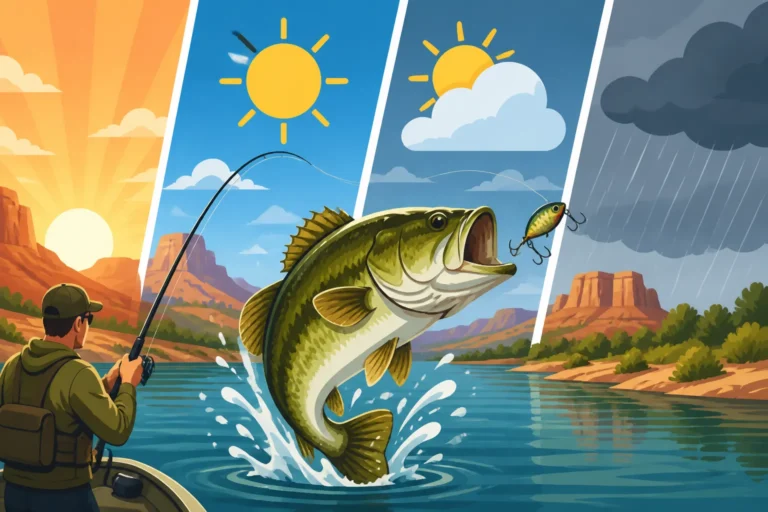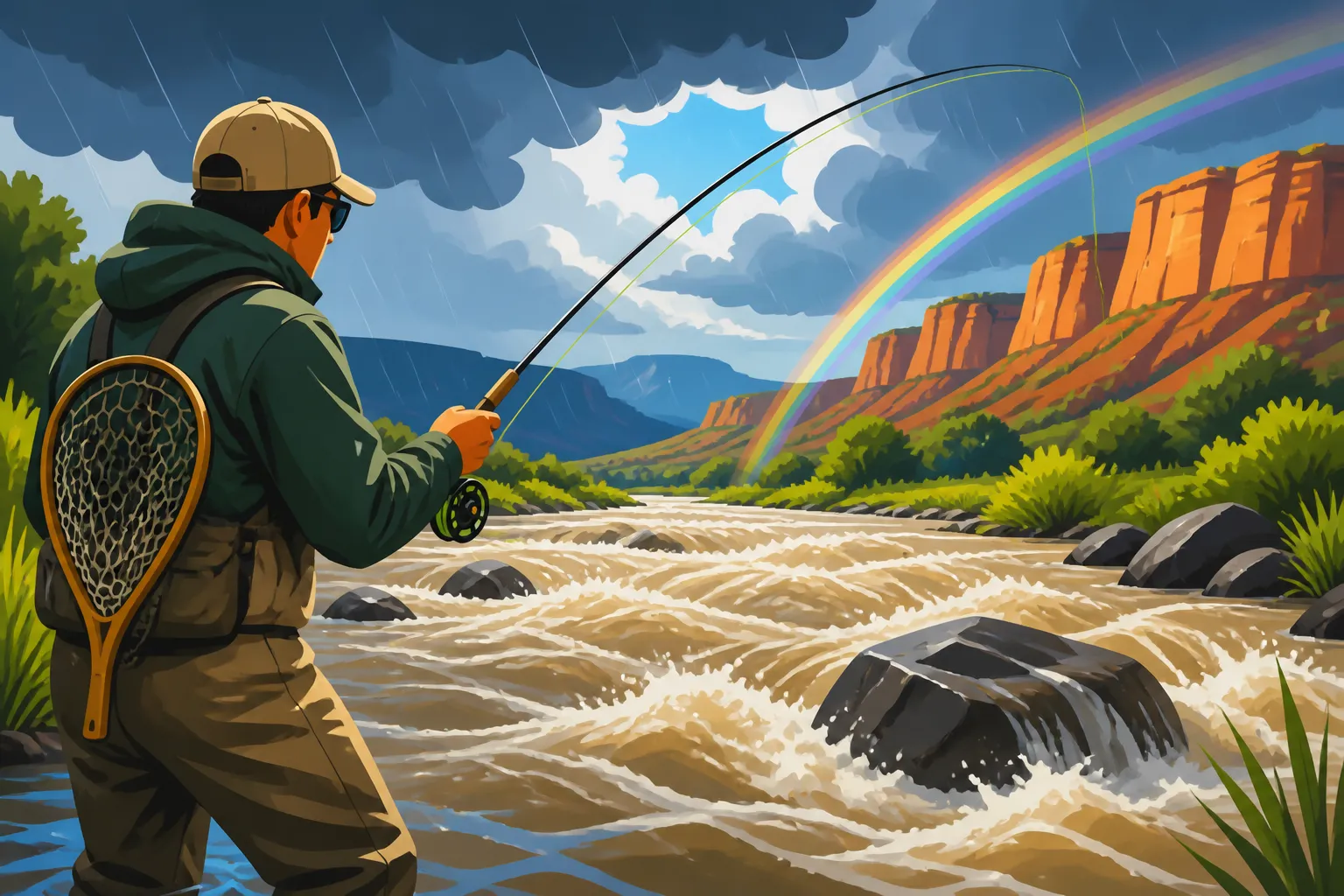
Fishing New Mexico Rivers After Heavy Rain
There’s nothing quite as disheartening as planning a much-anticipated fishing trip to your favorite New Mexico river, only to arrive and find the water a raging, muddy torrent after a recent downpour. It feels like all your plans are washed away with the extra flow, leaving you wondering if it’s even worth casting a line. But don’t despair! While heavy rain certainly changes the game, it doesn't necessarily close the window on a successful fishing day. This comprehensive guide will walk you through understanding these challenging conditions and how to adapt your approach to still find fish in New Mexico's rain-swollen rivers.
Understanding the Impact of Heavy Rain on New Mexico Rivers
When the skies open up and the rain comes down hard in New Mexico, especially after a dry spell, our rivers respond dramatically. This isn't just a slight bump in water level; it's a complete transformation of the aquatic environment. Understanding these changes is the first step to figuring out how to approach the water.
The Immediate Aftermath: High Flows and Turbidity
The most obvious change you'll notice after heavy rain is the sheer volume and speed of the water. Rivers swell, pushing their banks and creating powerful currents that can be intimidating. This increased flow also brings a significant amount of sediment and debris from the surrounding landscape, turning once-clear water into a coffee-colored, opaque mess. This phenomenon is called turbidity, and it's perhaps the biggest challenge for anglers.
For us anglers, this means our usual go-to spots might be unfishable, and the crystal-clear visibility we rely on for sight fishing is completely gone. Fish, too, are affected. Their world is suddenly a lot darker and faster. Trout, for instance, which rely heavily on sight to feed, find it much harder to spot their usual insect prey. They also have to expend more energy to hold their position in the stronger currents. This often causes them to seek refuge in slower, less turbulent areas, or to feed on whatever larger, more visible morsels might be washed downstream. It’s a frustrating scenario when you’re used to seeing fish rise or dart for your lure, but a shift in perspective can reveal new opportunities.
Water Temperature Changes and Oxygen Levels
Beyond the visual changes, heavy rain also significantly impacts the physical properties of the river water. Depending on the time of year and the temperature of the rainfall, it can either cool down or warm up the river. In the heat of summer, a good thunderstorm can bring cooler water into the system, which can be a welcome relief for heat-stressed trout and other cold-water species. This can invigorate them and make them more active, often leading to better feeding opportunities once the initial surge of dirty water subsides.
Conversely, cold rain during an already chilly spring or fall can drop water temperatures, potentially slowing down fish metabolism. However, the increased flow from heavy rain also acts as a natural aerator, introducing more dissolved oxygen into the water. This can be particularly beneficial in stretches of river that might suffer from lower oxygen levels during periods of drought or high summer temperatures. Higher oxygen content can make fish more comfortable and active, even if the visibility is low. Understanding these subtle environmental shifts, not just the obvious muddy water, helps you predict fish behavior and position yourself for success.
Essential Gear and Preparations for Post-Rain Fishing
Fishing in New Mexico rivers after heavy rain isn't just about changing your strategy; it often means adapting your gear too. The conditions demand a more robust setup, better suited to battling strong currents and ensuring your presentation can be seen and felt by fish in murky water. A little preparation here can make a world of difference.
Choosing the Right Rod, Line, and Leaders for Muddy Water
When the river is raging and muddy, delicate presentations often get lost. This is not the time for ultralight setups. You'll want to opt for a slightly heavier rod and reel combination than you might typically use. For spin fishing, a medium to medium-heavy action rod, around 6 to 7 feet long, paired with a reel spooled with 8-12 pound monofilament or fluorocarbon line, will give you the backbone needed to cast heavier lures and handle larger fish in strong currents. The added diameter of a heavier line can also be easier to manage with cold, wet hands.
For fly anglers tackling high, turbid flows, stepping up your line weight is crucial. A 6 or 7-weight fly rod will give you more power to turn over larger flies and fight wind. You'll also want to consider using a heavier leader and tippet than usual – think 1X or 2X for your leader, and 3X or 4X for your tippet, especially if you're targeting trout with larger streamers or nymphs. This increased strength is essential not just for landing fish, but also for preventing break-offs when your lure snags on unseen debris that the rain has washed into the river. You can often find a wide selection of durable fishing lines and robust rods suitable for these conditions on platforms like Amazon, making it easy to stock up before your next rainy-day adventure.
Lure and Bait Selection: Standing Out in the Murk
In muddy water, fish's primary senses shift from sight to lateral line and scent. This means your lures and baits need to make a statement. Forget subtle, natural colors; you want something that screams "eat me!" in the murky depths. High-contrast colors like chartreuse, orange, bright pink, or even pure white are excellent choices, as they create a more defined silhouette in low visibility. Lures with plenty of vibration, like spinnerbaits, chatterbaits, or even larger spoons, can also be highly effective, as the fish can detect the movement through their lateral line.
For bait anglers, scent becomes paramount. Natural baits like worms (especially large nightcrawlers), cut bait, or stink baits are incredibly effective because their strong odor can travel further in the current and attract fish from a distance. For trout, popular choices include heavily scented PowerBait in bright colors or even salmon eggs. When it comes to flies, larger, heavier patterns that sink quickly and offer a good profile are key. Think big San Juan Worms, heavily weighted stonefly nymphs, or flashy streamer patterns in black, olive, or white. Often, the best approach is to present something sizable and smelly that drifts naturally with the current, making it an easy target for fish hunkering down.
| Lure/Bait Type | Best for Turbidity | Target Species (General) | Notes |
|---|---|---|---|
| Natural Baits | High | Catfish, Trout, Bass | Worms, cut bait, PowerBait. Scent is key. |
| Vibrating Lures | Medium-High | Bass, Walleye | Spinnerbaits, chatterbaits. Detectable via lateral line. |
| High-Contrast Jigs | Medium | Trout, Panfish | Bright colors (chartreuse, orange). Add scent if possible. |
| Large Streamers (Flies) | Medium-High | Trout, Bass | Black, olive, white. Add weight for depth. |
| Heavy Nymphs (Flies) | Medium | Trout | Stoneflies, San Juan Worms. Weighted to reach bottom. |
Safety First: Wading and Boating Precautions
Fishing in high, fast, and turbid water is inherently more dangerous than fishing in calm conditions. Safety should always be your absolute top priority. The swift current can easily sweep you off your feet, and the murky water hides treacherous obstacles like submerged logs, large rocks, or sudden drop-offs. Never wade into water that is above your knees, and always use a sturdy wading staff to probe the bottom before each step. A good pair of studded wading boots can provide much-needed traction on slippery riverbeds.
If you’re planning on boating on New Mexico rivers after heavy rain, exercise extreme caution. Water levels can fluctuate rapidly, creating new hazards like strong eddies, submerged debris, and changes in riverbed morphology. Always wear a U.S. Coast Guard-approved life jacket, and make sure all necessary Boat Safety Equipment Required in New Mexico is on board and easily accessible. Avoid areas with strong rapids or unfamiliar currents. It’s always best to scout the river from shore if possible, or even wait until flows subside and visibility improves before launching your vessel. Remember, no fish is worth risking your life over.
Strategic Approaches to Fishing Post-Rain New Mexico Rivers
Once you’ve got your gear dialed in and your safety checks complete, it's time to think about how to actually fish these challenging conditions. The key is to understand how fish behave in high, murky water and to adjust your tactics accordingly. It’s a game of patience, observation, and adaptability.
Locating Fish in High, Turbid Water
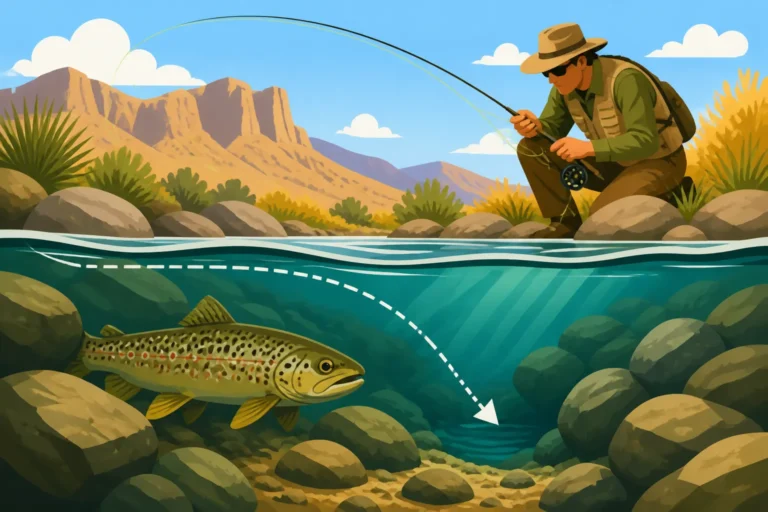
When the river blows out, fish don’t just vanish; they simply relocate to more comfortable and safer areas. Trout, bass, and even catfish will seek refuge from the main current, conserving energy and waiting for an ambush opportunity. Your job is to find these pockets of sanctuary. Look for areas with slower current, such as eddies behind large boulders or fallen trees, inside bends of the river, or the slack water along the banks. These calmer zones provide a respite from the main flow and often accumulate food washed down from upstream.
Another excellent strategy is to target the mouths of feeder creeks or smaller tributaries. These smaller waterways often clear up much faster than the main river, and fish from the main stem will frequently move into them to escape the heavy flows and seek clearer water. Even if the feeder creek itself is still murky, its confluence with the main river can create an attractive "seam" where fish will stage, waiting for food to drift by. Pay close attention to any subtle changes in water color or current speed, as these are tell-tale signs of potential holding water.
Adapting Your Presentation and Retrieve
With reduced visibility, your presentation needs to be slower, deeper, and more deliberate. Fish aren't going to chase a fast-moving lure or fly in these conditions. They’re often hunkered down, waiting for an easy meal to come to them. This means you need to get your offering right into their strike zone and keep it there for an extended period. For spin fishing, consider using heavier weights or jig heads to ensure your bait or lure gets down to the bottom where fish are likely holding. A slow, bottom-bouncing retrieve can be incredibly effective, mimicking a struggling baitfish or a piece of debris being washed along.
Fly anglers will want to use multiple split shot or heavier weighted flies to penetrate the strong currents and reach the bottom. Nymphing with an indicator, or even tight-line nymphing, allows you to maintain contact with your flies and detect subtle takes. When fishing streamers, a slow, deliberate strip or swing, allowing the current to impart action, is often more productive than a fast retrieve. Consider drifting natural baits, like a large nightcrawler or an egg pattern, under a bobber or with minimal weight to allow it to tumble naturally through promising pockets of slack water. The key is to present your offering as an effortless, high-calorie meal that’s hard for a lazy fish to pass up.
Targeting Specific Species: Trout, Bass, and Catfish
Different fish species react to heavy rain and high flows in distinct ways, and tailoring your approach to your target species can significantly improve your chances. For trout, especially rainbow and brown trout, they tend to move out of the fastest currents and tuck into eddies, behind structure, or into the quieter sections of feeder creeks. They might become less aggressive feeders initially but will take larger, more visible flies or baits as water begins to clear. Knowing your New Mexico Trout Fishing Rules is also vital, especially concerning specific waters.
Bass, both largemouth and smallmouth, can be surprisingly active in post-rain conditions. They often utilize the increased turbidity to their advantage, ambushing prey that can't see them coming. Look for them holding tight to cover like submerged brush, rock piles, or undercut banks. Vibrating lures, dark-colored jigs, and slow-moving crankbaits can be highly effective. Catfish, on the other hand, absolutely thrive in muddy, high-water conditions. The increased current spreads their scent far and wide, and they'll actively forage along the bottom. This is prime time for targeting channel catfish with smelly baits like cut bait, chicken livers, or commercial stink baits fished on the bottom. Focus on the main channel edges and deeper holes where they congregate.
Post-Rain Fishing Opportunities and When to Hit the Water
While the immediate aftermath of a torrential downpour can seem bleak, those who wait patiently and know what to look for can often find some of the best fishing opportunities New Mexico rivers have to offer. It's about timing your return to the water for that magical "sweet spot."
The Sweet Spot: When Turbidity Begins to Clear
The ideal time to fish after heavy rain isn't necessarily immediately after the storm, but rather as the river begins its transition back to normal. This period is often referred to as the "sweet spot" or "falling and clearing." Once the heavy rain has stopped and the river crests, the flows will gradually start to drop, and the water will slowly begin to clear. It won't be crystal clear overnight, but you'll notice the opaque "chocolate milk" color lighten to more of a "tea" stain or a greenish tint. This is your cue!
During this phase, the river is still well-oxygenated, and fish are still eager to feed on the abundant food items that have been dislodged and washed downstream. The slight discoloration offers them a sense of security, allowing them to feed more aggressively than in bright, clear conditions. This is when those larger, brighter, or more scent-laden baits and lures truly shine. Keep an eye on local river gauges (like those provided by the USGS) to track water levels, and check reports for major rivers like the New Mexico Rio Grande Fishing Guide or the Pecos River Fishing to get an idea of flow conditions before you head out. A quick drive-by to visually inspect the water can also be incredibly informative.
Long-Term Benefits: Replenished Water and Cooler Temperatures
While the short-term challenges of heavy rain are undeniable, the long-term benefits to New Mexico's river ecosystems are substantial. Heavy rains replenish groundwater, recharge reservoirs, and increase the overall water volume in our often-arid state. This can lead to healthier fish populations, better habitat, and improved fishing conditions for months to come. The influx of fresh water often brings in new nutrients, stimulating aquatic insect hatches and boosting the food chain that sustains our fish.
For trout fisheries, especially in warmer summer months, the cooler water introduced by rain can be a literal lifesaver, alleviating thermal stress and creating more favorable conditions for trout to thrive. This can extend the productive fishing season in certain areas and create opportunities for bigger, healthier fish. Knowing the New Mexico Fishing Season Calendar and the Best Time of Year to Fish in New Mexico will help you align these benefits with your fishing plans. So, even if a rainy day puts a damper on your immediate plans, remember that it's often setting the stage for even better fishing in the future.
Specific New Mexico Rivers to Consider
Each river system in New Mexico reacts differently to heavy rain, depending on its watershed size, geology, and surrounding vegetation. The mighty Rio Grande, with its vast drainage, can swell dramatically and take several days to weeks to fully clear, especially in its lower stretches. Here, targeting catfish or bass along the slower edges can be productive in the interim. Smaller, high-country streams, like sections of the Rio Chama Fishing, often clear much faster due to steeper gradients and less sediment-laden banks. These can be excellent choices a day or two after a good rain, especially for trout.
Lakes and reservoirs can also be impacted, with feeder creeks bringing in turbid water to specific coves. This can concentrate baitfish and predatory species like bass and walleye near these inflows. Even the famous San Juan River below Navajo Dam, while largely controlled, can see increased turbidity from side creeks after heavy local rainfall. The key is local knowledge and paying attention to conditions. Don't be afraid to experiment, and remember that How to Fish Muddy Water in New Mexico is a skill that, once mastered, opens up new angling opportunities.
Disclaimer
Fishing conditions and regulations in New Mexico can change frequently. Always consult the latest New Mexico Department of Game and Fish regulations handbook or their official website before heading out to fish. The information provided in this guide is for general informational purposes only and should not be considered legal advice or a substitute for official regulations.