What Counts as an Artificial Lure on Special Trout Water?
There's nothing quite as frustrating as heading out to a pristine fishing spot, tackle box in hand, only to realize you're unsure if your favorite lure even counts as "legal" for that specific water. New Mexico's special trout waters offer incredible angling opportunities, but they also come with a unique set of rules, particularly around what constitutes an artificial lure. This guide will meticulously break down those regulations, helping you understand precisely what gear is permitted so you can fish with confidence and avoid potential issues.
Understanding New Mexico's Special Trout Waters
Before we dive into what an artificial lure is, it’s crucial to understand why these rules even exist and what "special trout water" truly means in New Mexico. These designated areas are often managed for quality fishing experiences, frequently supporting wild trout populations or highly productive stocked fisheries. They are designed to promote catch and release, minimize harm to fish, and maintain a challenging, rewarding experience for anglers.
The Purpose Behind Special Designations
New Mexico's Game and Fish Department designates certain waters as "Special Trout Waters" or "Quality Waters" to protect valuable fish populations and enhance the angling experience. For example, the renowned San Juan River Quality Waters Section is a prime example, known globally for its large, healthy trout. The rules in these areas, including lure restrictions, are a cornerstone of their success. The goal isn't to make fishing harder, but to ensure these precious resources remain vibrant for generations to come.
These regulations are often a balancing act between providing access and ensuring conservation. They limit angler impact, particularly concerning bait-related mortality, which can be much higher with natural or scented baits due to deeper hooking. When you respect these rules, you're contributing directly to the health and abundance of the fish you love to catch. It’s about being a responsible steward of our natural heritage.
Common Examples of Special Trout Waters
While you should always consult the current New Mexico Fishing Regulations Overview, some of the most well-known special trout waters include sections of the San Juan River, specific stretches of the Pecos River, certain high-country lakes, and designated "Quality Water" sections on various streams. These areas are usually clearly marked and detailed in the official regulations booklet. You'll often find signage near these areas reminding anglers of the specific rules.
When planning a trip, especially to a new destination, it’s always wise to double-check the specific regulations for that particular body of water. A quick look at the New Mexico Trout Fishing Rules will clarify any ambiguities. Getting caught unaware can lead to fines and frustration, so a little homework goes a long way in ensuring a smooth and enjoyable fishing excursion.
Defining an Artificial Lure in New Mexico Regulations
The term "artificial lure" might seem straightforward, but in the context of New Mexico's special trout waters, it carries a very specific legal definition. This definition aims to prevent the use of baits that could be easily ingested by fish, leading to higher mortality rates, especially in catch-and-release scenarios. The core principle revolves around materials and their natural edibility.
The Legal Framework for Artificial Lures
In New Mexico, an artificial lure is generally defined as a man-made device used to attract and catch fish, made of materials like wood, plastic, metal, rubber, or feathers. The critical distinction is that these lures must not contain or have applied to them any edible substance, liquid, powder, or gas that attracts fish through taste or smell. This means no scents, flavors, or organic attractants can be added. This applies to all components of the lure itself, and anything you might dip it in or spray on it.
This definition is designed to encourage fish to strike at the lure out of aggression or curiosity, rather than hunger. When a fish strikes an artificial lure without any edible properties, it's more likely to be hooked in the mouth, making for an easier and less harmful release. This is a key part of promoting New Mexico Catch and Release Regulations in these sensitive areas.
Materials and Composition
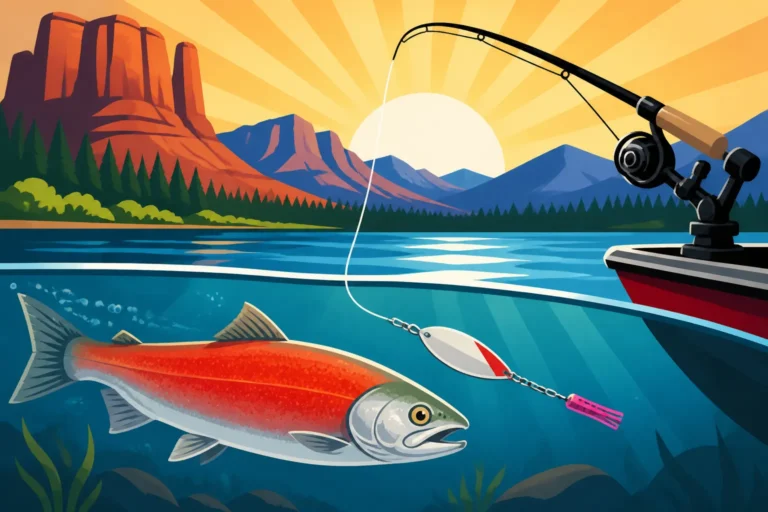
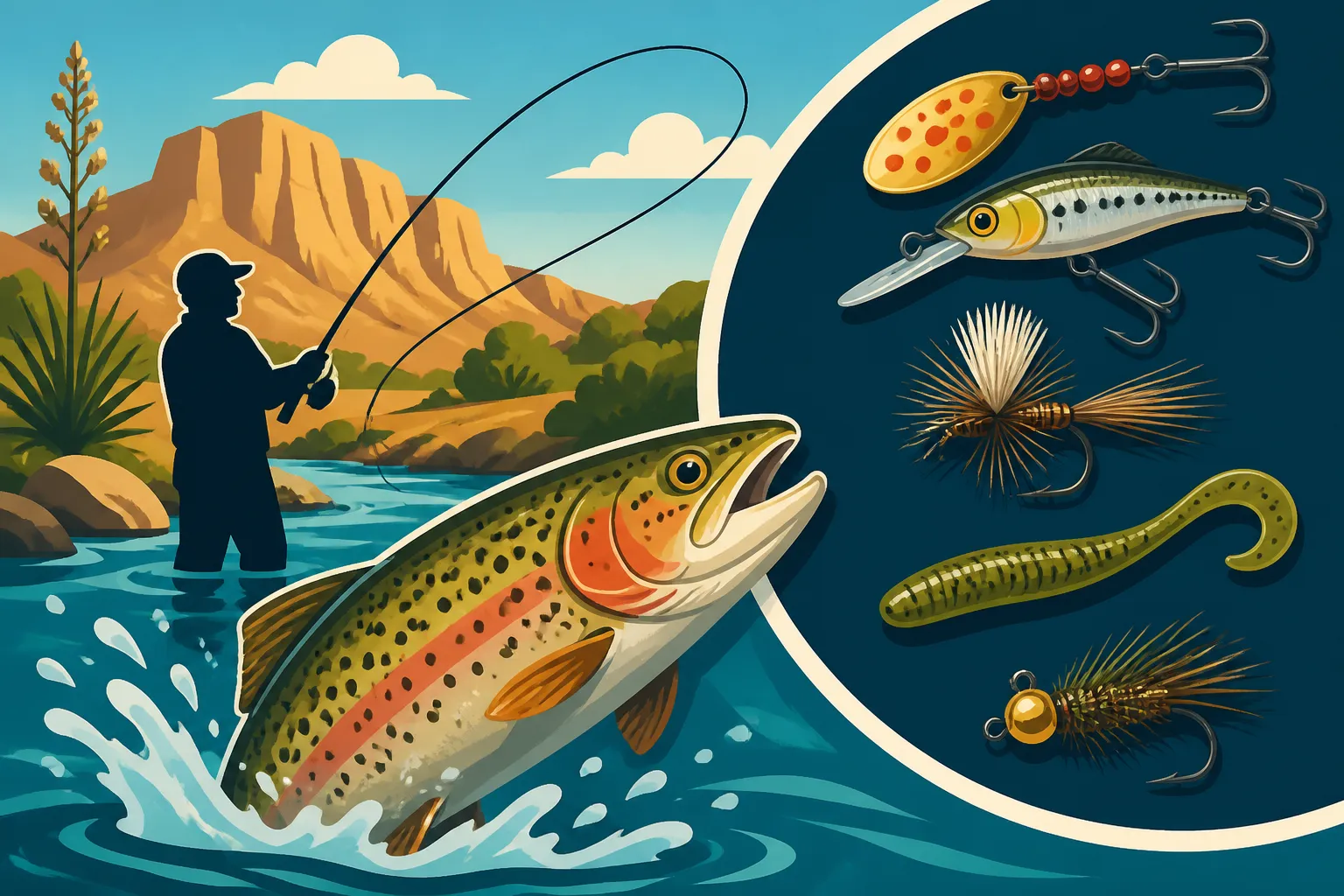
So, what does that practically mean for your tackle box? Artificial lures are typically made from inert, non-edible materials. Think hard plastics molded into the shape of minnows or crawfish, shiny metal spoons or spinners, jigs dressed with synthetic fibers or rubber, and flies tied with feathers, fur, and synthetic threads. These materials are designed to mimic natural prey through movement, color, and flash, not through scent or taste.
If your lure has a built-in scent or is designed to slowly dissolve edible particles, it likely falls outside the "artificial" definition for special trout waters. Even adding a commercially available scent or attractant to an otherwise artificial lure would render it illegal in these specific areas. It’s all about keeping things as purely mechanical and visual as possible. When shopping for appropriate lures, many anglers find a wide selection of compliant options on platforms like Amazon, making it easy to stock up on the right gear.
Key Characteristics of a Legal Artificial Lure
To further clarify, let's break down the essential characteristics that define a legal artificial lure for special trout waters in New Mexico. Adhering to these principles will keep you on the right side of the regulations and ensure you're fishing responsibly.
No Natural or Organic Edible Components
This is perhaps the most important characteristic. A legal artificial lure must not incorporate any natural or organic edible materials that fish might consume. This means no pieces of actual fish, worms, insects (live or dead), corn, cheese, or any other food source. Even if a lure is mostly plastic, if it has a small piece of a worm attached, it's no longer considered purely artificial in these waters.
Think of it this way: if a fish would naturally try to eat it for sustenance, it’s probably not allowed. This rule is stringent because even small amounts of edible material can lead to a fish swallowing the hook, significantly increasing the chances of injury or death upon release. This is why areas like the San Juan River Special Trout Water Rules are so explicit about this.
Absence of Scent or Flavor Attractants
Beyond physical edible components, artificial lures on special trout waters cannot have any added scents, flavors, or chemical attractants. This includes both natural and synthetic substances designed to draw fish in through their sense of smell or taste. Many popular soft plastics and jigs on the market today come impregnated with scent, or are designed to be used with scent pastes or sprays. While great for other waters, these are a definite no-go for special trout areas.
This means you need to be mindful of how you store your lures too. If you keep a scented soft plastic in the same compartment as your unscented flies, there's a risk of cross-contamination. It's a good practice to have a dedicated tackle box or separate compartments for lures intended for special trout waters. When looking for lures, you can often filter options on sites like Amazon by "unscented" or "no added attractant" to ensure compliance.
Must Be Man-Made and Non-Biodegradable
A truly artificial lure is, by its very nature, man-made and generally non-biodegradable in the short term. It's constructed from synthetic or processed materials that do not break down into edible components in the water. This covers everything from traditional spoons and spinners made of metal, to modern crankbaits made of hard plastic, and intricate flies tied from synthetic fibers, feathers, and fur.
The durability and inertness of these materials are key. They're designed to be retrieved and reused, not consumed. If you're ever in doubt, consider whether the item would decompose and become a food source for fish if left in the water for an extended period. If the answer is yes, it's probably not an artificial lure in the eyes of New Mexico's special trout regulations.
What Doesn't Qualify as an Artificial Lure
Just as important as understanding what does count is knowing what definitely does not. Many popular fishing baits and techniques are explicitly prohibited in New Mexico's special trout waters because they fall outside the strict definition of an artificial lure.
Live Bait and Organic Materials
This category includes the most common and often most effective baits used in general fishing. Any live or dead organism used to attract fish is absolutely prohibited in special trout waters. This means no worms, minnows, grasshoppers, salmon eggs, or even grubs you might find in your garden. The same goes for common organic food items like corn, cheese, bread, or dough balls.
The rationale here is straightforward: these are actual food sources that fish are highly likely to swallow deeply. This significantly reduces their chances of survival, even if carefully released. The rules for Can You Use Bait on the San Juan River Quality Waters? are very clear on this point – only artificial lures are permitted.
Scented Baits and Soft Plastics
Many modern fishing baits are designed with built-in scents, flavors, or attractants. This includes many types of soft plastic worms, grubs, and creature baits that are impregnated with fish oils, salt, or other chemical attractants. While incredibly effective in many situations, these are considered "edible" by regulatory standards and are therefore not allowed in special trout waters.
The same applies to adding any form of liquid, paste, or spray scent to an otherwise artificial lure. Even if you have a perfectly legal spinner, dipping it in an attractant before casting it into special trout water immediately makes it illegal. Always read the packaging of any soft plastic carefully; if it boasts about scent or flavor, leave it out of your special trout water tackle box. You can find a vast array of unscented options on places like Amazon, but you need to be diligent in checking descriptions.
Biodegradable Lures and Paste Baits
Some manufacturers produce "biodegradable" lures or paste baits that are designed to mimic natural food sources and break down over time. While marketed as environmentally friendly, if these lures are designed to be ingested or have any edible properties (even if they're "artificial" in their creation), they generally fall outside the scope of what's permitted in New Mexico's special trout waters. Think of common trout dough baits or powerbaits – these are almost universally prohibited in these specific areas due to their edible nature.
To summarize the distinction, here's a helpful table:
| Feature/Item | Artificial Lure (Legal on Special Trout Water) | Natural Bait/Illegal (Not Legal on Special Trout Water) |
|---|---|---|
| Composition | Non-edible, man-made materials | Edible, organic, or biodegradable components |
| Taste/Smell | None (inert, no added scent/flavor) | Has natural or added scent/flavor/taste |
| Examples | Flies, metal spoons, hard plastic crankbaits, jigs with synthetic dressing | Live worms, minnows, corn, cheese, PowerBait, scented soft plastics |
| Purpose | Attracts via sight/motion | Attracts via taste/smell, mimics food |
| Hooking Tendency | More likely to be lip-hooked | More likely to be deeply ingested |
| Catch & Release Impact | Lower mortality | Higher mortality |
The Rationale: Why These Strict Rules?
It might feel like a hassle sometimes, having to remember different rules for different stretches of water, but there’s a very good reason behind New Mexico's strict artificial lure regulations on special trout waters. These rules are not arbitrary; they are rooted in sound fishery management principles aimed at protecting and enhancing the very resource we cherish.
Conservation and Fish Health
The primary reason for these regulations is conservation. Special trout waters are often home to sensitive fish populations, including native species like the Rio Grande Cutthroat Trout or large, wild brown and rainbow trout that have taken years to grow to trophy size. Natural baits and scented lures significantly increase the likelihood of fish swallowing the hook. A deeply hooked fish, even if released, has a much lower chance of survival due to internal injuries.
By requiring purely artificial, unscented lures, the regulations aim to promote fish striking out of aggression or curiosity rather than hunger. This typically results in a hook-up in the mouth or lip, making for an easier, quicker, and less traumatic release. Anglers are often encouraged to use a Barbless Hook Fishing Technique for New Mexico Rivers in these areas for even greater protection of the fish. These combined efforts are critical to maintaining healthy, thriving fish populations that anglers can enjoy for years to come.
Enhancing the Angling Experience
Beyond pure conservation, these rules also contribute to a higher quality angling experience. When fishing with artificial lures, there's a greater emphasis on skill, presentation, and "matching the hatch" (for fly fishing) or understanding fish behavior. It becomes less about the bait itself and more about how you work your lure, adding a layer of challenge and reward.
These waters often produce larger, stronger fish because they've had the chance to grow without excessive pressure from baits that might lead to deep hooking. Knowing that the fish you catch are likely to survive and be caught again by you or another angler makes the experience more fulfilling. It fosters a sense of stewardship and appreciation for the resource.
Fair Chase and Minimizing Impact
Another aspect is "fair chase." Using natural bait can sometimes be seen as giving an angler an unfair advantage, particularly in areas where fish are easily caught. Artificial lure regulations level the playing field, requiring more finesse and technique. This aligns with the ethos of many dedicated trout anglers who seek a genuine challenge.
Moreover, preventing the introduction of foreign organic material (like corn or cheese) into sensitive aquatic ecosystems helps maintain water quality and the natural food chain. It prevents fish from becoming unnaturally conditioned to non-native food sources, keeping them focused on their natural diet. This holistic approach is why you'll find these regulations detailed comprehensively in resources like the New Mexico Special Trout Water Regulations.
Practical Tips for Fishing New Mexico's Special Trout Waters
Navigating the regulations for special trout waters doesn't have to be intimidating. With a little preparation and mindfulness, you can enjoy these fantastic fisheries responsibly and successfully.
Always Check Current Regulations
This is rule number one. Regulations can and do change, sometimes annually. Before heading out, especially to a new-to-you spot, always consult the most current New Mexico Fishing Regulations. These are available online through the New Mexico Department of Game and Fish website and often in print at license vendors. This simple step can save you a lot of grief and potential New Mexico Fishing Violations and Penalties.
Pay close attention to specific sections designated as "Special Trout Waters" or "Quality Waters" within the regulations. They will explicitly state the lure requirements, bag limits, and any other unique rules for that particular area. Don't assume that rules for one special trout water apply to all of them; there can be subtle differences.
Organize Your Tackle
To avoid accidental violations, it's a great idea to organize your tackle box or bag with special trout waters in mind. Consider dedicating a separate compartment or even a small, separate tackle box solely for your artificial, unscented lures. This way, you won't accidentally grab a scented bait or soft plastic when you're in a restricted area.
Ensure your flies, spinners, spoons, and other artificials are free of any scent. If you've previously used a particular lure with a scent, give it a thorough cleaning before using it in special trout water. This attention to detail will help you maintain compliance and peace of mind. Many anglers find specific fly boxes or small utility boxes helpful for keeping their specialized trout gear separate. You can find excellent organizational tools for fishing gear on Amazon.
Embrace Different Techniques
Fishing with artificial lures, especially flies, spinners, or specific soft plastics, often requires different techniques than bait fishing. This is an opportunity to expand your skills and try new approaches. If you're new to fly fishing, a special trout water might be the perfect place to hone your casting and presentation, as fish in these areas often respond well to well-presented artificial flies. Resources like Fly Selection for New Mexico's San Juan River can be a great starting point.
Consider learning more about Spinner Fishing for New Mexico Trout if you prefer conventional gear. Focus on retrieve speed, depth, and matching the color or action of your lure to what the fish might be feeding on. It's a rewarding challenge, and the satisfaction of catching a beautiful trout on a meticulously chosen and presented artificial lure is hard to beat. The journey of becoming a more versatile angler is part of the joy of fishing in New Mexico.
Disclaimer
This article is for general informational purposes only and does not constitute professional advice. Laws, prices and regulations vary by location and change over time. Consult a qualified professional for guidance on your specific situation.