Catch and Release Techniques for Native Trout
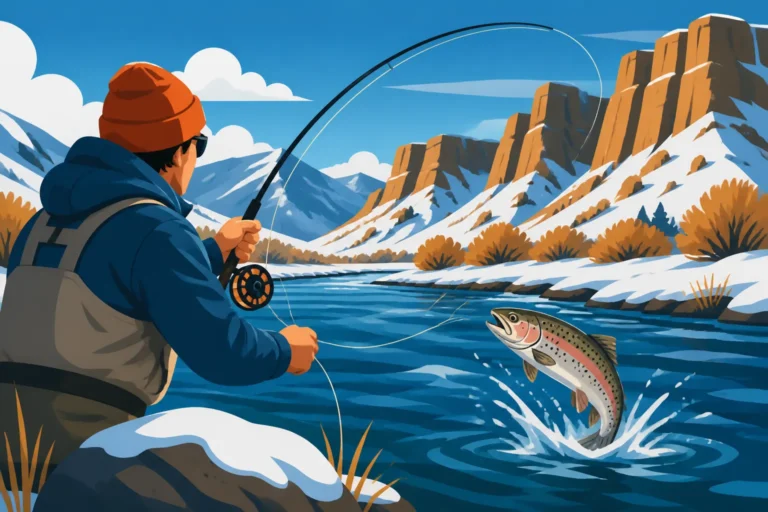
There’s nothing quite like the thrill of hooking into a beautiful native trout in New Mexico, whether it’s a vibrant Rio Grande Cutthroat or a feisty Gila Trout. But with that incredible experience comes a big responsibility: ensuring these precious fish live to fight another day and continue to thrive in our delicate ecosystems. This guide is all about mastering the art of catch and release, giving you the tools and techniques to minimize stress and maximize survival rates for New Mexico’s incredible native trout.
The Vital Importance of Catch and Release for Native Trout
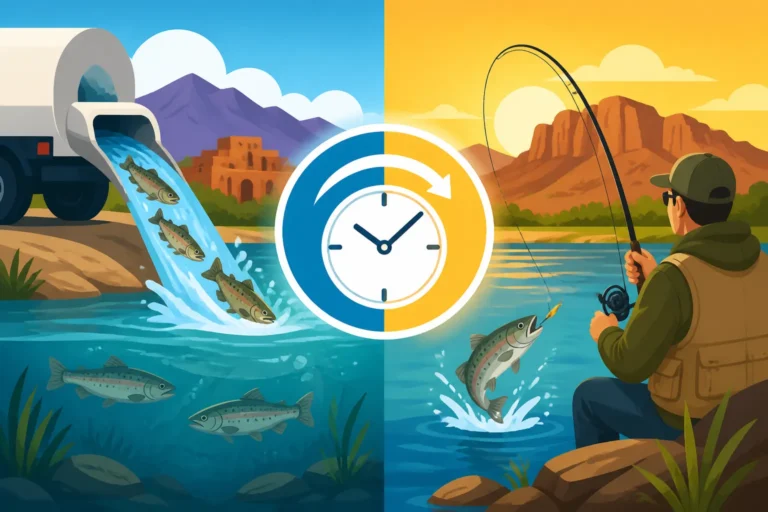
When we talk about native trout, we're not just discussing any fish. These are the fish that have called New Mexico's waters home for millennia, perfectly adapted to their unique environments. They often face significant challenges, from habitat loss to fluctuating water levels, and angler pressure can add another layer of stress. That's why catch and release isn't just a suggestion; it's a cornerstone of responsible fishing practices, especially when targeting our unique indigenous species.
The Fragility of Native Populations
Native trout populations, like the stunning Rio Grande Cutthroat Trout in their high-mountain strongholds, are often smaller, more localized, and more susceptible to environmental changes than their widely stocked counterparts. A single mishandled fish, or one that succumbs to stress after release, can have a disproportionate impact on these delicate populations. These fish aren't just swimming around for our entertainment; they are vital indicators of ecological health and crucial components of complex food webs. We have a shared responsibility to protect them, ensuring future generations can experience the same joy of discovering these wild beauties.
Their genetics are often unique to specific drainages, making them irreplaceable. Unlike hatchery-raised fish which are bred for survival in various conditions and often replenished, native trout rely on natural reproduction and the health of their specific streams and rivers. Losing a breeding-age native fish means losing potential offspring and genetic diversity that helps the population adapt over time. Understanding the deeper ecological context helps us appreciate why every single successful release truly matters.
The Role of Anglers in Conservation
As anglers, we are on the front lines of conservation. Our actions directly influence the health and sustainability of these fisheries. By adopting meticulous catch and release techniques, we become stewards of the resource, actively participating in the preservation of these incredible creatures. It's a privilege to fish these waters, and that privilege comes with the duty to leave them better than we found them, or at the very least, no worse off. This responsibility extends beyond just adhering to regulations; it's about embracing an ethical approach to fishing.
Think of it as giving back to the river. Every time you gently release a native trout, you're contributing to the long-term health of the fishery. This commitment is particularly evident in areas designated as "quality waters" or special trout waters, where regulations like barbless hooks are often mandated specifically to promote the survival of released fish. Anglers who consistently practice good catch and release set a positive example for others and help cultivate a culture of conservation throughout the angling community. It's a powerful way to ensure the future of New Mexico's incredible Trout Species in New Mexico for everyone.
Essential Gear for Successful Catch and Release
Having the right tools in your tackle box makes a world of difference when it comes to the safety and survival of a released trout. It's not just about having a rod and reel; it's about having the right gear specifically chosen to minimize harm during the catching and handling process. Investing a little in thoughtful gear can save a lot of fish.
Barbless Hooks and Knotless Nets
First and foremost, barbless hooks are non-negotiable for native trout. A barbed hook creates a larger wound and is much harder to remove, often causing significant tissue damage, especially if the fish is hooked deep. You can buy hooks that are already barbless, or you can easily crimp down the barb on any standard hook with a pair of pliers. It takes seconds and makes an enormous impact on the fish's recovery. Many special regulations regarding New Mexico Special Trout Water Rules specifically require barbless hooks for this very reason.
Equally important is a knotless, rubberized landing net. Those old string nets with coarse knots might save you a few bucks, but they strip away the fish's protective slime coat, damage fins, and can even cause eye injuries. A rubber net, which you can easily find on sites like Amazon, cradles the fish, keeps its slime intact, and prevents hooks from getting tangled, making for a much quicker and smoother release. Always wet your net before bringing a fish into it, too, further protecting that vital slime layer. This simple piece of gear is paramount for How to Handle a Trout Before Releasing It with care.
Proper Tool Selection for Quick Release
Beyond hooks and nets, a few other tools are absolute must-haves for any ethical catch-and-release angler. Forceps or hemostats are indispensable for quick hook removal. These long, slender pliers allow you to reach small hooks, even those swallowed a bit deeper, without having to stick your fingers into the fish's gills or struggle excessively. The quicker you can get that hook out, the less stress and injury the fish endures. Keep them easily accessible, perhaps on a lanyard or zinger.
Additionally, a good pair of nippers is handy for quickly cutting line if a hook is truly stubborn or deeply embedded and you decide cutting the line is the safest option. While not ideal, leaving a barbless hook in can sometimes be less traumatic than prolonged struggling to remove it, as barbless hooks will rust out relatively quickly. Having all these tools organized and within arm's reach means you won't be fumbling around, extending the fight and handling time, which is critical for the fish's survival. Remember, the less time the fish is out of the water and being handled, the better its chances. For additional tips on effective gear, check out our guide on Best Landing Nets for New Mexico Catch and Release Fishing.
Here's a quick rundown of essential catch and release gear:
| Gear Item | Purpose | Why It's Essential |
|---|---|---|
| Barbless Hooks | Easy removal, minimizes tissue damage | Less stress, faster release, higher survival |
| Knotless, Rubber Net | Protects slime coat, fins, and eyes | Prevents injury, keeps fish calm, quick untangling |
| Forceps/Hemostats | Quick and precise hook removal | Avoids deep handling, reduces time out of water |
| Nippers (Line Cutter) | Emergency line cutting for deeply hooked fish | Prevents excessive struggling if hook is unremovable |
| Wet Rag/Towel (Optional) | For gentle handling if necessary, keeps hands wet | Extra layer of slime protection, secure grip |
On-the-Water Techniques for Minimizing Stress
The moment you hook a fish, the clock starts ticking. How you play it, where you land it, and how quickly you act all contribute significantly to its chances of survival. These on-the-water strategies are just as important as the gear you choose.
Quick Fights and Spotting Holding Water
When you hook a native trout, especially a larger one, your first instinct might be to horse it in. However, a prolonged, exhausting fight pumps lactic acid into the fish's muscles, similar to how an athlete's muscles burn after an intense workout. This lactic acid buildup can be fatal, even if the fish swims away seemingly fine. Aim for a quick, decisive fight without being overly aggressive. Use a rod with enough backbone to bring the fish in efficiently, but not so stiff that you risk tearing its mouth. Consider a medium-light to medium action rod for general trout fishing, which allows for good control.
Also, try to land the fish in calm, shallow water, ideally near areas where you suspect other fish are holding. This allows you to work quickly and gives the fish a safe, less turbulent place to recover upon release. Avoid dragging fish onto dry banks or abrasive rocks. If you’re fishing a fast-moving river, try to steer the fish into an eddy or a slower current section for landing. This strategic approach minimizes the time the fish is exposed to air and reduces the physical trauma of being landed. Understanding How to Read Water on the San Juan River can help identify these safe landing zones.
Avoiding Excessive Exposure to Air
This is perhaps one of the most critical, yet often overlooked, aspects of catch and release. Trout need to breathe, and they do that through their gills in water. Holding a trout out of the water for photos, or just to admire it, is akin to holding your breath. While a few seconds might not seem like much, it rapidly stresses the fish and can cause irreversible damage to its delicate gill structures, leading to delayed mortality.
The best practice is to keep the fish in the water as much as possible. If you must lift it for a quick photo, do so briefly, holding it horizontally with wet hands to support its body. Get your camera ready before you lift the fish, snap the shot, and immediately return it to the water. A good rule of thumb is: if you're taking more than one breath, the fish has been out of the water too long. This discipline is a core part of Catch and Release Best Practices in New Mexico. Remember, a blurry underwater photo of a healthy fish is far more rewarding than a perfect photo of a fish that might not survive.
Handling and Releasing Native Trout Properly
The actual moment of handling and release is where you can truly seal the deal on a successful catch and release. It's about being gentle, quick, and thoughtful, prioritizing the fish's well-being above all else.
Wet Hands and Gentle Grips
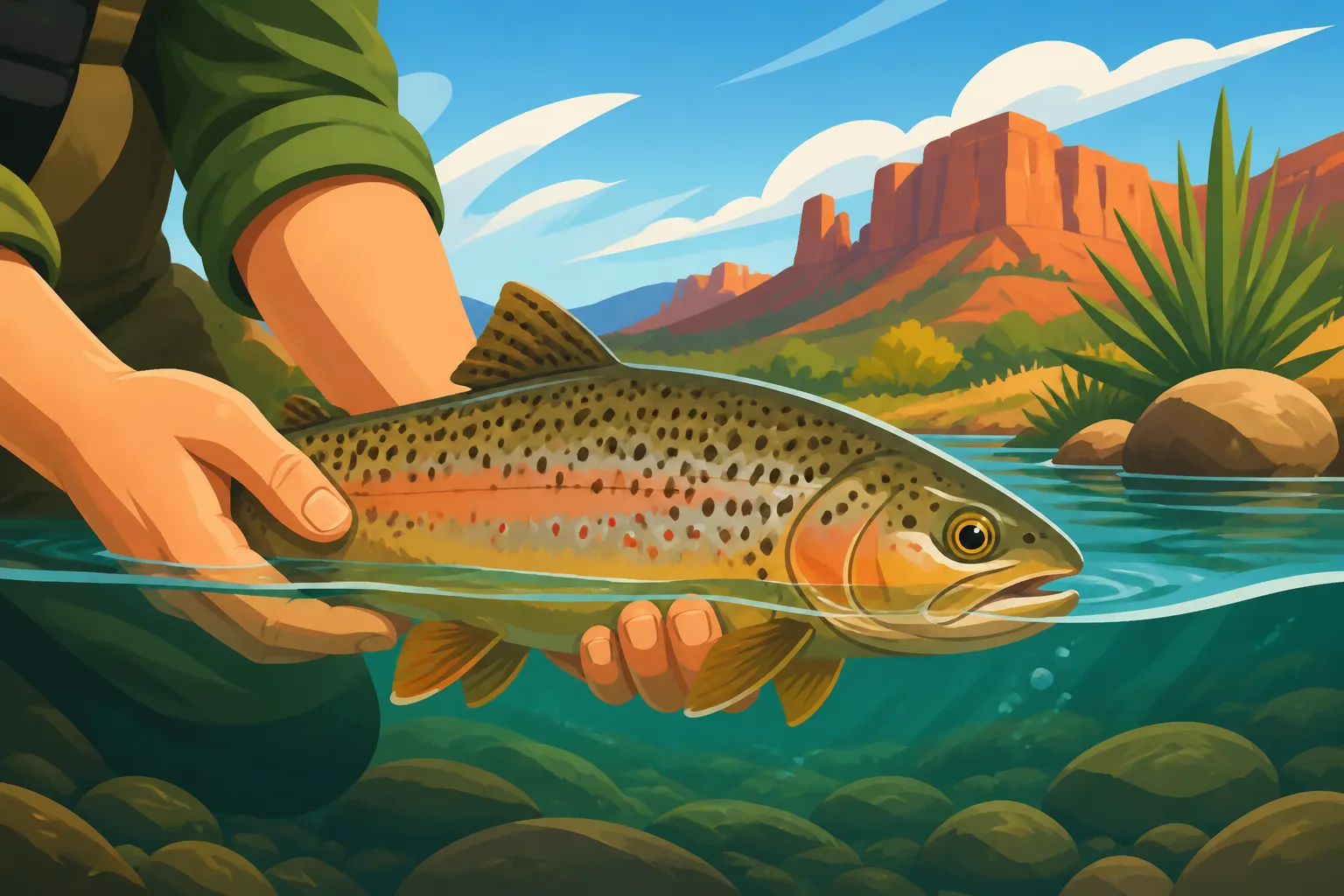
Before you even touch a fish, make sure your hands are thoroughly wet. Dry hands can strip away the trout's protective slime coat, which is its first line of defense against parasites, bacteria, and fungi. Without this crucial layer, the fish becomes highly vulnerable to infection. It’s like us losing our skin! If you're using a net, you might not even need to touch the fish directly to unhook it.
When you do need to handle a fish, use a gentle, firm grip to support its entire body. Avoid squeezing its midsection or gills, as these are incredibly delicate areas containing vital organs. If possible, cradle the fish with one hand supporting its belly and the other gently gripping the tail. Keep the fish submerged in the net or water while you remove the hook. For species like the Gila Trout in New Mexico, which are still recovering in some areas, this gentle approach is absolutely non-negotiable for their long-term survival. Learning How to Handle a Trout Before Releasing It effectively is a skill that comes with practice but starts with intention.
Revival and Observation
Once the hook is out, don't just toss the fish back into the current. Take a moment to revive it. Hold the fish gently in the water, facing upstream into a mild current. If the water is still, gently move the fish back and forth to force water through its gills. You'll feel the fish regain strength, often giving a little wiggle or attempting to swim away. Don't release it until it can swim off under its own power. Sometimes, especially after a longer fight or in warmer water, this revival process can take a few minutes. Be patient.
After the fish swims away, take a moment to observe its departure. Does it swim off strongly, or does it list to one side or struggle? Seeing a strong, confident swim-away is the ultimate reward and confirmation that you've done your part. If a fish appears to be struggling, it may need further revival. Remember that even small details, like using barbless hooks, which are a specific requirement for areas like the San Juan River Quality Waters Section, contribute to successful releases. Your dedication to these practices helps sustain the vibrant fisheries that make New Mexico a truly special place to fish.
Disclaimer
This article is for general informational purposes only and does not constitute professional advice. Laws, prices and regulations vary by location and change over time. Consult a qualified professional for guidance on your specific situation.