New Mexico State Record Fish
There’s a special kind of thrill that courses through you when you feel a truly monumental tug on your line. Every angler, from the seasoned veteran to the eager newcomer, dreams of reeling in that once-in-a-lifetime fish, a true giant that makes for an unforgettable story and maybe, just maybe, earns a spot in the record books. This guide is all about those legendary catches in the Land of Enchantment, delving into the New Mexico state record fish and what it takes to join that elite club.
Understanding New Mexico's State Record Program
When you hear about a "state record fish," it's not just a tall tale; there's a serious system behind it. The New Mexico Department of Game and Fish (NMDGF) maintains an official list of state records for various species, both by weight and sometimes by length for certain categories. This program is designed to celebrate exceptional catches, encourage ethical angling, and provide a fascinating benchmark for what our waters can produce. It's a testament to the health and potential of New Mexico's diverse fisheries.
The New Mexico Department of Game and Fish Role
The NMDGF plays a crucial role in validating these impressive catches. They are the official arbiters, ensuring that all submissions meet stringent criteria. This isn't just about someone saying, "I caught a huge fish!" It involves a formal process of verification, including proper identification of the species, accurate weighing, and often, measurement by certified officials. Their dedication ensures the integrity of the record book, giving true bragging rights to those who make the cut. They also oversee all the rules that govern our fishing, so it's wise to always be familiar with the New Mexico Fishing Regulations Overview.
The Prestige and the Pursuit
Holding a state record isn't just about a name in a book; it's about angling history. It represents countless hours on the water, dedication to a craft, and often, a bit of luck. For many anglers, the pursuit of a record-breaking fish becomes a lifelong passion. It drives them to explore new waters, refine their techniques, and constantly learn more about the fish they chase. There's a deep respect for those who achieve this feat, and their stories become part of the rich tapestry of New Mexico's fishing heritage. Imagine the satisfaction of knowing your catch is the biggest of its kind ever officially recorded in the state!
Key Freshwater Game Fish Records
New Mexico is blessed with a wide variety of fish, from cold-water trout in our high mountain streams to warm-water giants in our sprawling reservoirs. Each species has its own set of records, and looking through them is like a "who's who" of New Mexico's angling legends. It truly highlights the incredible diversity of our aquatic environments.
Trout Records: Rainbow, Brown, Cutthroat, and More
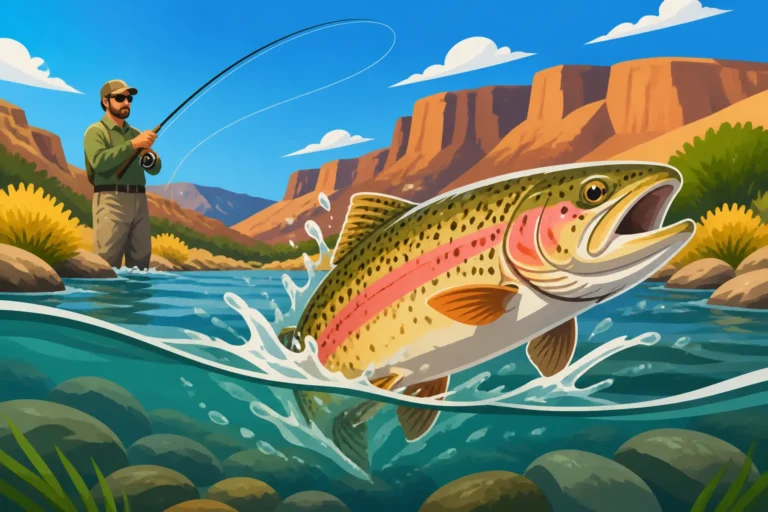
Trout are arguably some of New Mexico's most iconic game fish, drawing anglers from all over for their beauty and fighting spirit. Our state holds records for several trout species, including the elusive Gila Trout, the robust Brown Trout, and the popular Rainbow Trout. The sheer size of some of these record trout can be astounding, a testament to the rich forage and cold, clean waters they inhabit. For instance, the waters of the San Juan River are renowned for their incredible trout populations, and while not all records come from there, it’s certainly a place where giants lurk. Understanding New Mexico Trout Fishing Rules is essential if you're chasing these beauties.
Many of these record-setting trout were caught in diverse habitats, from the high mountain lakes, which are often home to native cutthroat species, to the productive tailwaters below major dams. Each species presents its own challenge, and the records reflect the pinnacle of success for anglers targeting them. Whether you're fly fishing a tiny stream or trolling a large lake, the dream of a record-breaking trout is a powerful motivator.
Bass Records: Largemouth, Smallmouth, and Striped Bass
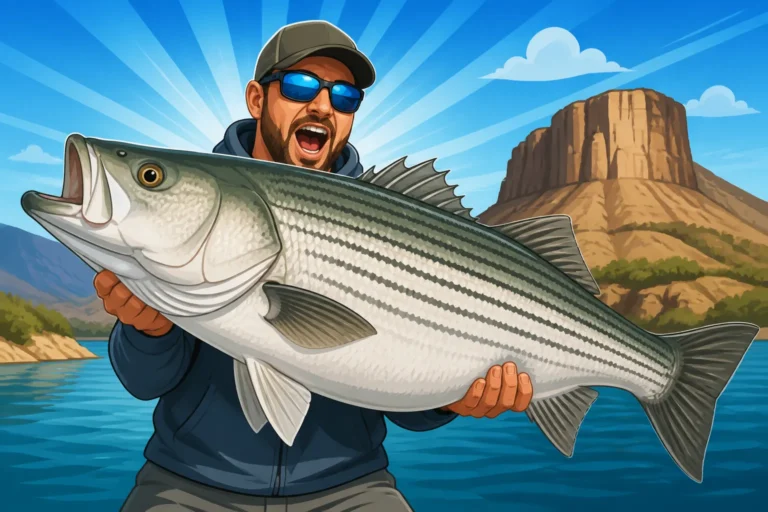
New Mexico's warm-water reservoirs are prime territory for bass anglers, and our state boasts impressive records for Largemouth, Smallmouth, and especially the hard-fighting Striped Bass. The Striped Bass record, often caught in massive impoundments like Elephant Butte Lake, can be truly gargantuan, weighing in at many tens of pounds. These records showcase the immense size potential when these powerful fish find ample food and ideal growing conditions. You'll find incredible opportunities for Largemouth Bass Fishing in New Mexico and Smallmouth Bass Fishing in New Mexico in many of our bigger lakes.
For dedicated bass anglers, the pursuit of these records means understanding seasonal patterns, preferred forage, and the deep structure where these fish often hold. The excitement of hooking into a truly large bass, whether it's a bucketmouth from a weedy cove or a powerful striper from the open water, is what keeps many coming back for more. The sheer force of a record-class bass can test both angler and tackle to their limits. If you're hoping to land one of these, exploring Elephant Butte Lake Fishing Guide for its famous stripers is a great start.
Walleye, Catfish, and Other Prized Catches
Beyond trout and bass, New Mexico's waters hold records for many other sought-after species. Walleye, known for their delicious fillets and challenging nature, have produced some truly massive specimens, particularly in lakes like Ute Lake and Conchas Lake. The state record Catfish, often Channel Catfish or Flathead Catfish, are also impressive, with some weighing in at sizes that would dwarf a small child. These bottom-dwelling giants are often caught on heavy gear, a testament to their incredible strength. Many anglers specifically target Walleye Fishing in New Mexico or Catfish Fishing in New Mexico due to their size and table fare.
Then there are other intriguing fish like the mighty Tiger Muskie, a hybrid known for its predatory prowess and intimidating size, typically found in lakes like Bluewater. Each of these species offers a unique challenge and the potential for a record-breaking catch that anglers will talk about for years. The diversity of records truly underscores why New Mexico is such an exciting place to fish.
| Species Category (Example) | Common Habitat | Record Potential (General) | Notes |
|---|---|---|---|
| Trout (e.g., Rainbow) | Coldwater Rivers & Lakes | Impressive lengths, double-digit weights possible in prime fisheries | Often caught on flies, lures, or bait in tailwaters and alpine lakes. |
| Bass (e.g., Striped) | Large Reservoirs | Multi-decade record holders, truly massive fish | Known for powerful fights in big open water. |
| Catfish (e.g., Channel) | Rivers, Warm Lakes | Heavy weights, often 30+ pounds | Typically bottom feeders, caught on various baits. |
| Walleye | Reservoirs & Lakes | Respectable weights, known for elusive nature | Sought after for table fare, often caught jigging or trolling. |
| Tiger Muskie | Specific Stocked Lakes | Long, lean, powerful predators | Requires specialized heavy tackle and lures. |
This table provides a general overview based on common fish characteristics and typical record-setting potential. Actual records will vary.
The Process of Certifying a State Record Fish
So, you've just wrestled a beast to the boat or shore, and you have a strong suspicion it might be a new state record. What do you do? This isn't the time for a quick selfie and release. There's a precise procedure you need to follow immediately to ensure your potential record is legitimate and stands up to scrutiny. Missing a step could mean your monumental catch, no matter how big, won't make it into the official books.
Immediate Steps at the Water's Edge
The moment you realize you might have a record, time is of the essence, especially if you intend to keep the fish for consumption. First, do your best to keep the fish alive and healthy if possible, especially if catch-and-release is intended for species like Gila Trout or if you're waiting to get it to an official scale. If you are keeping it, handle it carefully to avoid damaging it, which could affect its weight or length. Make sure you have a valid New Mexico Fishing License Guide and are adhering to all New Mexico Fishing Regulations Overview.
The most critical first step is to get the fish weighed and measured on a certified scale as quickly as possible. This means a scale that has been inspected and approved for trade by the New Mexico Department of Agriculture, typically found at grocery stores, meat markets, or feed stores. Don't rely on your personal scale, no matter how accurate you think it is. You'll also want to take clear, well-lit photographs of the fish, ideally with a ruler or measuring tape next to it to provide visual proof of its size. These initial steps are crucial to validate your claim.
Official Weighing and Measurement Procedures
Once you've identified a certified scale, carefully transport your fish to the location. The NMDGF requires that the fish be weighed in the presence of at least two witnesses, who are not members of your immediate fishing party. The scale operator should confirm the scale's certification. The fish must be weighed whole and unmutilated. It cannot be gutted, bled, or altered in any way before the official weighing.
Length measurements are also critical. For many species, girth measurements might also be taken. Use a reliable measuring tape, laying the fish flat and measuring from the tip of the jaw to the tip of the tail, pinching the tail if necessary to get the maximum length. These details, along with the names and contact information of your witnesses, will be vital for your application. This meticulous approach ensures that every record is beyond dispute, maintaining the integrity of the state record system.
Documentation and Application
After the official weighing and measurement, you'll need to complete the NMDGF's state record application form. This form typically asks for detailed information about your catch, including the species, date, time, location (as specific as possible, e.g., "near the marina at Elephant Butte Lake" rather than just "a lake in New Mexico"), the type of tackle used, and the bait or lure. This is also where you'll submit your photographs and the attested witness statements.
It's also a good idea to bring the fish to an NMDGF office or to a certified biologist for species verification, especially if there's any ambiguity. Some fish species can look quite similar, and a professional identification can prevent disqualification. The more thorough your documentation, the smoother the review process will be, and the better your chances of seeing your name etched into New Mexico's angling history. Be sure to understand New Mexico Trout Bag and Possession Limits before heading out.
Factors Influencing Record-Breaking Fish
Catching a state record isn't just about being in the right place at the right time; it's also about the complex ecological factors that allow fish to grow to such incredible sizes. New Mexico's unique environment, with its varied climates and water bodies, plays a huge role in producing these giants. Understanding these elements can not only help you appreciate the records but also improve your own chances of landing a trophy.
Habitat and Forage Availability
The first ingredient for a record-breaking fish is an exceptional habitat. This means a water body that provides ample cover, optimal water temperatures, and, most critically, a rich and abundant food source. For trout, this might mean cold, oxygenated waters with plentiful insect hatches and smaller baitfish. For bass, it could be large reservoirs with extensive submerged structure, schools of shad, or abundant crawfish. Lakes like Navajo Lake, for instance, are known for their healthy Kokanee Salmon populations, which in turn can support larger predatory fish. Fish Species Found in New Mexico are very diverse, and each needs specific habitat conditions to thrive and reach trophy sizes.
When fish have access to a consistent, high-quality diet, they can put on weight much faster and grow larger than their counterparts in less productive waters. Reservoirs like Elephant Butte and Conchas Lake, with their vastness and diverse forage bases, are classic examples of places where fish can truly reach their maximum potential. It's a delicate balance, and when all these factors align, you get the conditions for a true lunker.
Age, Genetics, and Fishing Pressure
Beyond habitat and food, the age and genetics of a fish are critical. Older fish have simply had more time to grow, accumulating mass over many seasons. A fish with superior genetics for growth will naturally become larger than others of its kind, given the same conditions. This is why certain strains of fish in particular lakes might consistently grow larger.
Fishing pressure also plays a significant role. In heavily fished waters, large fish might be caught and kept more frequently, removing them from the gene pool and preventing them from reaching truly old ages. In contrast, waters with less pressure or those managed with strict catch-and-release regulations (like certain sections of the San Juan River Quality Waters Section) can allow fish to survive longer and grow larger. The combination of an older, genetically superior fish in a low-pressure, high-forage environment is often the recipe for a state record.
Tips for Targeting Trophy Fish in New Mexico
While setting a state record might feel like a monumental task, many of the strategies used by record holders are simply advanced versions of techniques for targeting any trophy fish. If you dream of that huge catch, here are some actionable tips to increase your odds, even if you don't break a record, you'll likely have a fantastic day on the water.
Researching Productive Waters
You can't catch a big fish where big fish don't live! Start by researching which New Mexico waters are known for producing trophy-sized fish of your target species. Look at historical stocking reports, previous large catches, and water body characteristics. For example, if you're after a giant Walleye, you might focus on Conchas Lake Fishing Guide or Ute Lake, known for their strong walleye populations. If trout are your passion, the San Juan River Fishing Guide or some of our high mountain lakes, accessible through places like the Carson National Forest, are prime spots.
Pay attention to seasonal patterns too. The "best time of year" to target certain species can vary dramatically. For instance, Best Time of Year to Fish in New Mexico will tell you that spring and fall are often excellent for many species as fish are more active and feeding aggressively. Local bait shops and fishing forums can be invaluable resources for up-to-the-minute information on water conditions and recent catches.
Gearing Up for Giants
Trophy fish require appropriate gear. Trying to land a forty-pound Striped Bass on ultra-light trout tackle is a recipe for heartbreak. Invest in quality rods, reels, and lines that are suited for the size and power of the fish you're pursuing. For heavy-hitting species like large bass or catfish, you'll want a stout rod, a reel with a strong drag system, and heavier monofilament or braided line. When targeting trophy trout in rivers with strong currents, a good quality fly rod with the right weight line and durable leaders is essential.
Don't forget the terminal tackle—strong hooks that won't straighten out, and leaders that can withstand sharp teeth or powerful runs. Many anglers find great deals on specialized gear, from heavy-duty reels to unique lures, on platforms like Amazon, ensuring they're prepared for whatever bites. Best Fishing Gear for New Mexico Anglers covers a wide array of options for different species and situations.
Patience and Persistence
Perhaps the most crucial "secret" to catching trophy fish, and certainly record-breakers, is a combination of patience and persistence. These fish didn't get big by being easy to catch. They are often wary, experienced, and require anglers to put in the time. This might mean spending multiple trips on the same water, enduring slow days, and learning the nuances of a particular fishery.
Being patient means being willing to wait out slow periods, to experiment with different techniques when your go-to isn't working, and to keep a positive attitude. Persistence means getting back out there, even after a tough day, constantly refining your approach, and never giving up on the dream of that big one. Many record catches are the culmination of years of dedicated angling, not just a lucky fluke. So, keep at it, keep learning, and your chances of landing a fish of a lifetime in New Mexico will surely grow.
Disclaimer
This article is for general informational purposes only and does not constitute professional advice. Laws, prices and regulations vary by location and change over time. Consult a qualified professional for guidance on your specific situation.