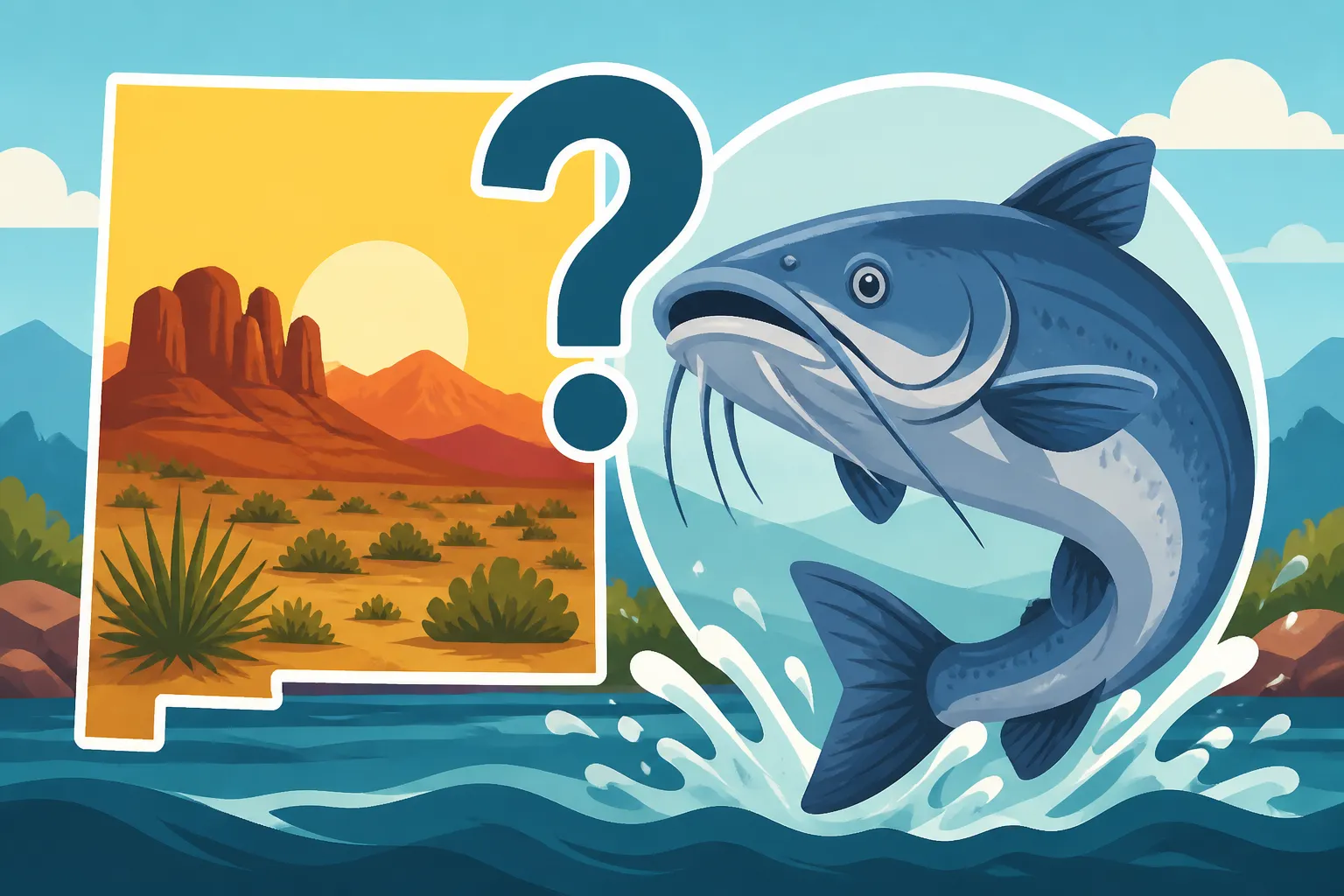
Are There Blue Catfish in New Mexico?
Many anglers, especially those new to New Mexico or visiting from states where massive Blue Catfish are common, often wonder if they can hook into one of these freshwater giants in our high desert waters. It's a valid question, given the impressive size and fighting spirit of blue cats, but the truth about their presence here is a little more nuanced than a simple yes or no. This guide will dive deep into the world of catfish in New Mexico, clarifying which species you're likely to encounter, why Blue Catfish aren't a common target, and how you can still enjoy some fantastic catfishing action in the Land of Enchantment.
The Catfish Landscape in New Mexico: The Blue Catfish Question
Let's address the big question right upfront: are there Blue Catfish in New Mexico? While it's certainly possible for an isolated specimen to turn up, Blue Catfish are generally not considered an established or widespread species in New Mexico's waters. When you talk about catfishing here, the conversation almost exclusively revolves around two other prominent species: the Channel Catfish and the Flathead Catfish. These are the workhorses of our warm-water fisheries, providing countless hours of angling enjoyment for residents and visitors alike.
Why Blue Catfish Aren’t Common in New Mexico
The primary reason you won't find extensive populations of Blue Catfish here comes down to a few key factors, largely related to stocking priorities and habitat suitability. Blue Catfish prefer large, deep rivers with strong currents and extensive open water, often found in the southeastern and central United States. While New Mexico certainly has large reservoirs and some significant rivers like the Rio Grande, the specific environmental conditions and the historical focus of fisheries management haven't typically centered on introducing and maintaining blue cat populations. Our fisheries managers have traditionally focused on species that thrive in New Mexico's unique hydrological and climatic conditions, which often means conserving native species or managing for highly successful introduced species like channel catfish.
Another aspect is the investment in establishing a new species. Introducing and sustaining a new game fish population requires significant effort in terms of stocking, habitat assessment, and ongoing monitoring. Given the robust populations of Channel and Flathead Catfish that already provide excellent angling opportunities, the New Mexico Department of Game and Fish has historically channeled its resources into managing these existing species rather than trying to establish a new, potentially less suitable, catfish species. This approach ensures that the state's limited resources are utilized to maximize the health and productivity of the fisheries that are most likely to succeed and provide consistent recreation.
Potential for Misidentification and Isolated Instances
It's not uncommon for anglers to occasionally wonder if they've caught a Blue Catfish, especially if they land a particularly large Channel Catfish. Channel Catfish, particularly bigger ones, can sometimes exhibit a bluish-gray hue on their backs, leading to confusion. However, there are distinct differences in their physical characteristics that seasoned anglers and fisheries biologists use to tell them apart. We'll delve into those identifying features shortly.
While Blue Catfish aren't established, it's theoretically possible that an individual fish could have been introduced illicitly or moved through connected waterways from areas where they are present, though this would be an extremely rare occurrence and not indicative of a viable population. Anglers exploring different fishing spots should always be aware of the regulations and species limits, and if you ever catch something truly unusual, it's always a good idea to take a photo and report it to the state game and fish department. This kind of information can be valuable for monitoring the health and composition of our aquatic ecosystems.
Understanding New Mexico's Common Catfish Species: Channel and Flathead
Even without Blue Catfish, New Mexico offers fantastic opportunities to chase their cousins: Channel Catfish and Flathead Catfish. These two species are widespread and provide thrilling fishing experiences across many of our lakes and rivers. Understanding their differences and preferences is key to successful catfishing in the state.
Channel Catfish: The Widespread Favorite
The Channel Catfish is arguably the most popular and widely distributed catfish species in New Mexico. You'll find them in almost every major reservoir, river, and even many smaller ponds across the state. They are incredibly adaptable and can thrive in a variety of conditions, from the slow-moving sections of the Rio Grande to the vast open waters of Elephant Butte Lake. What makes them so beloved? They're abundant, they're not too picky about what they eat, and they put up a surprisingly strong fight, especially the larger specimens. They're also excellent table fare, which is a big plus for many anglers.
Channel catfish are identifiable by their deeply forked tails, smooth, scaleless skin, and typically olive-brown to grayish-blue backs that fade to silver-white on their bellies. Younger channel cats often have distinct dark spots along their sides, which tend to fade as they grow older. Their barbels (whiskers) are long and prominent, helping them locate food in murky water or at night. They are opportunistic feeders, consuming anything from insects, crayfish, and small fish to decaying organic matter. You can often find them patrolling the bottom, but they'll readily strike suspended baits as well. These fish are a blast to catch, whether you're using stink baits, cut bait, or even chicken livers. If you're looking for a reliable catfish experience, the channel cat is your go-to. Channel Catfish in New Mexico provides more in-depth information.
Flathead Catfish: The Ambush Predator of Our Waters
Flathead Catfish are a completely different beast compared to their channel cat cousins. These are true ambush predators, preferring live bait and often found in rocky, snag-filled areas with good cover and strong current. While not as universally distributed as channel cats, flatheads are present in significant numbers in larger river systems and impoundments, particularly in the lower Rio Grande and some of the larger southern reservoirs. They are known for their immense size, sometimes reaching truly trophy proportions, and their incredible fighting power. Landing a big flathead is an epic battle that many dedicated catfish anglers seek out.
Identifying a Flathead Catfish is relatively easy once you know what to look for. Unlike the channel cat's deeply forked tail, the flathead has a squared or slightly rounded tail, and its head is noticeably flattened – hence the name. Their coloration is usually mottled brown and yellow, providing excellent camouflage against sandy or rocky bottoms. Their lower jaw protrudes beyond the upper jaw, a clear sign of their predatory nature, and their eyes are relatively small. Flatheads primarily feed on live fish, crayfish, and other aquatic creatures, which means your bait choices will differ significantly from those for channel cats. Many anglers use live sunfish, carp, or even small suckers to entice these behemoths. Pursuing a flathead often means fishing at night in specific, rugged locations, requiring patience and heavy-duty gear. Check out Flathead Catfish in New Mexico for more details on these formidable fish.
| Feature | Channel Catfish | Flathead Catfish |
|---|---|---|
| Tail Shape | Deeply forked | Square or slightly rounded |
| Head Shape | Rounded profile | Noticeably flattened, broad head |
| Lower Jaw | Upper jaw protrudes slightly or even | Lower jaw protrudes beyond upper jaw |
| Coloration (Adult) | Olive-brown to grayish-blue, often unspotted, lighter belly | Mottled brown and yellow, dark spots, camouflaged |
| Spots (Juvenile) | Dark spots often present | No spots |
| Preferred Habitat | Diverse: rivers, lakes, ponds, prefers slower currents | Large rivers, reservoirs, deep pools, heavy cover, strong current |
| Primary Diet | Omnivorous: insects, crustaceans, small fish, decaying matter, prepared baits | Predatory: primarily live fish, crayfish |
| Typical Size | Common up to 10-15 lbs, can reach 30+ lbs | Common up to 30-40 lbs, can reach 100+ lbs |
| New Mexico Status | Widespread and abundant | Present in larger river systems and reservoirs |
Where to Find and How to Target Catfish in New Mexico
Now that we've cleared up the Blue Catfish mystery, let's focus on where you can find excellent catfishing opportunities in New Mexico and the best ways to target them. New Mexico's diverse aquatic environments, from sprawling reservoirs to winding rivers, offer a range of experiences for every catfish enthusiast.
Top Catfish Waters in New Mexico
When it comes to prime catfishing locations, New Mexico has several standout options. For Channel Catfish, places like Elephant Butte Lake, New Mexico's largest reservoir, are absolute goldmines. You can find them almost anywhere on the lake, from rocky points to coves, and especially around areas with submerged vegetation or structure. Conchas Lake and Ute Lake in eastern New Mexico are also fantastic for channel cats, known for their consistent stocking and healthy populations. In these large reservoirs, targeting channels from the bank or a boat can be equally productive. River systems like the Pecos River and the Rio Grande also hold abundant channel catfish, especially in slower pools and eddies.
For those seeking the challenge of a Flathead Catfish, your focus will narrow to the larger, deeper waters. The lower sections of the Rio Grande, particularly south of Albuquerque down towards Elephant Butte, are renowned for their flathead populations. These fish prefer deeper holes, strong currents, and plenty of cover like logjams or rocky ledges. Elephant Butte Lake also holds some impressive flatheads, particularly in the river channel portions that run through the lake. Success often comes down to scouting these specific types of structure and understanding the flathead's ambush hunting style. Best Places to Fish in New Mexico offers a broader overview of fishing destinations, many of which are great for catfish.
Effective Techniques and Baits
Targeting Channel Catfish is often a more forgiving and active pursuit. They are eager eaters, and a wide array of baits will work. Stink baits, chicken livers, shrimp, hot dogs, and cut bait are all highly effective. Many anglers swear by commercially prepared stink baits, which can be easily found at local tackle shops or even on Amazon for convenient delivery. A simple bottom rig, using an egg sinker above a swivel, leader, and a sturdy circle hook (sizes 2/0 to 5/0 depending on bait size), is a classic and very effective setup. Fishing these baits near the bottom, especially in the evenings or at night, is usually the most productive strategy. Best Bait for Catfish in New Mexico Rivers has more specific recommendations. Don't forget that many channel cats are active after dark, so consider trying How to Catch Channel Catfish at Night.
Flathead Catfish, on the other hand, demand a more specialized approach. As ambush predators, they almost exclusively prefer live bait. Small sunfish, bluegill, carp, or even large shiners are excellent choices. Rigging live bait requires a stout rod and reel, heavy line (often 20-50 lb test monofilament or braid), and a large, strong circle hook (sizes 7/0 to 10/0). You'll typically fish these baits on the bottom, in or very near heavy cover, allowing the live bait to swim naturally and attract the attention of a lurking flathead. Patience is paramount with flatheads; you might spend hours without a bite, but when that rod doubles over, you'll know it was worth the wait. Ensure your gear is up to the task; you can find robust rods and reels suitable for flathead fishing on Amazon if your local shop doesn't carry heavy-duty options.
Gear and Regulations for New Mexico Catfishing
Having the right gear and a solid understanding of New Mexico's fishing regulations are crucial for a successful and legal catfishing trip. While catfishing might seem straightforward, a little preparation goes a long way, especially when you're targeting those larger, harder-fighting flatheads.
Essential Catfishing Gear
For Channel Catfish, a medium to medium-heavy spinning or baitcasting rod, about 6 to 7 feet long, paired with a reel spooled with 10-20 lb monofilament line, is usually sufficient. You'll want a selection of egg sinkers (1/2 oz to 2 oz), barrel swivels, and a variety of circle hooks. A sturdy pair of pliers for hook removal, a good stringer or cooler to keep your catch fresh, and a headlamp if you're fishing at night are also invaluable. These items are commonly available at sporting goods stores and can also be conveniently ordered online, for example, from Amazon, if you're looking for specific brands or bulk supplies.
When stepping up to Flathead Catfish, you'll need to upgrade your tackle considerably. Think heavy to extra-heavy action rods, often 7 to 9 feet long, paired with robust baitcasting reels capable of holding 50-80 lb braided line or heavy monofilament. You'll need much larger sinkers to hold bait in strong currents (3-8 oz or more), and extra-strong circle hooks (8/0 to 12/0) to handle the powerful jaws of a big flathead. A sturdy rod holder to keep your setup secure, a large net with a wide hoop to land trophy fish, and a heavy-duty cooler are all essential. Remember, these fish fight hard and live in challenging environments, so don't skimp on your gear.
Navigating New Mexico’s Fishing Regulations
Before you even cast a line, always ensure you have a valid New Mexico Fishing License Guide. New Mexico, like all states, has specific regulations governing fishing, including bag and possession limits for various species. For catfish, these limits can vary by species and specific water bodies. Generally, you'll find statewide limits for Channel Catfish and Flathead Catfish, but it's always wise to consult the most current New Mexico Fishing Regulations & Information booklet, available online or at license vendors, to confirm the rules for your chosen fishing spot. New Mexico Fishing Regulations Overview provides a starting point for understanding these rules.
Understanding New Mexico Warm Water Fish Bag Limits is crucial. For example, while the daily bag limit for Channel Catfish might be generous, the limit for Flathead Catfish could be more restrictive, often designed to protect larger, breeding fish. Special regulations might also apply to certain waters, so checking specific lake or river rules is paramount. Always be aware of whether bait restrictions apply, particularly in "Special Trout Water" or "Quality Water" areas, where bait might be prohibited or limited to artificial lures only. While most catfish fishing doesn't occur in these specific trout-focused zones, it's good to be knowledgeable about the general rules of responsible angling in New Mexico.
The Joy of New Mexico Catfishing
While the mythical Blue Catfish might not be a common catch in New Mexico, the state offers fantastic and often overlooked opportunities for catching its widespread and exciting cousins: the Channel Catfish and the Flathead Catfish. These species provide abundant action for anglers of all skill levels, from families looking for a relaxing day at a stocked pond to hardcore trophy hunters seeking a monumental fight in the state's largest reservoirs and rivers.
Embrace the unique challenges and rewards that New Mexico's catfishing scene offers. The adaptability of the Channel Catfish means you're rarely far from a good bite, offering steady action with a variety of baits. Meanwhile, the elusive and powerful Flathead Catfish presents a captivating challenge for those willing to put in the time and use specialized live bait techniques. Regardless of which species you target, the experience of fishing under our vast New Mexico skies, particularly during a warm evening or under the stars, is truly something special. So, gear up, check those regulations, and get ready to create some unforgettable catfishing memories in the Land of Enchantment!
Disclaimer
This article is for general informational purposes only and does not constitute professional advice. Laws, prices and regulations vary by location and change over time. Consult a qualified professional for guidance on your specific situation.