Endangered Fish Species in New Mexico
It's incredibly disheartening when we talk about our precious fish, isn't it? The thought that some of these magnificent creatures, native to our beloved New Mexico waters, are teetering on the brink of extinction can really weigh on an angler's heart. It's a stark reminder that our passion for fishing comes with a deep responsibility. This guide aims to shed light on the endangered and threatened fish species in New Mexico, helping you understand their struggles, identify them, and most importantly, learn how you, as a responsible angler, can contribute to their survival and recovery.
Understanding Endangered Species in New Mexico's Waters
When we hear terms like "endangered" or "threatened," it can feel quite abstract, almost like something happening far away. But here in New Mexico, these classifications apply to several species right in our backyard, impacting the very ecosystems we love to explore with a rod and reel. It’s not just a scientific designation; it’s a cry for help from species that have been a part of this landscape for millennia.
Defining "Endangered" and "Threatened"
Let's start by clarifying what these terms actually mean, because they're often used interchangeably, but there's a crucial difference, especially when it comes to legal protections and conservation efforts. Under the Endangered Species Act (ESA), a species is classified as "endangered" when it's in danger of extinction throughout all or a significant portion of its range. Think of it as a five-alarm fire; the species is in critical condition, and immediate, intensive intervention is required to prevent its complete disappearance. These are species where populations have plummeted, their habitats are severely degraded, or they face overwhelming threats.
A "threatened" species, on the other hand, is one that is likely to become endangered in the foreseeable future. While still in serious trouble, it's a step back from the brink, indicating that there's still a window of opportunity to implement proactive conservation measures before the situation becomes dire. Both designations trigger a cascade of protections, from habitat preservation to strict regulations on interactions, all designed to give these species a fighting chance. Understanding these definitions helps us grasp the urgency and the careful thought behind the conservation strategies deployed by state and federal agencies alike.
Why New Mexico's Fish Are At Risk
New Mexico's unique geography, with its arid climate and often isolated aquatic systems, makes its fish populations particularly vulnerable. Our rivers and streams, many of which are already naturally intermittent, are critical lifelines. The threats facing these species are complex and often interconnected. One major factor is habitat loss and degradation. This can come from a variety of sources: diversions for agriculture, groundwater pumping, pollution from various sources, and the alteration of natural stream flows by dams and other infrastructure. Imagine a fish trying to survive when its river home is reduced to a series of disconnected puddles, or when the water quality becomes toxic.
Another significant threat is the introduction of non-native, or "invasive," fish species. These newcomers often outcompete native fish for food and habitat, prey on them, or even interbreed, diluting the genetic purity of our indigenous populations. For example, stocked rainbow trout, while great for angler recreation, can sometimes outcompete native cutthroat trout in certain waters. Drought, a persistent reality in our state, exacerbates all these issues, shrinking available water and intensifying competition. All these factors combine to create a challenging environment for our delicate native fish. You can learn more about these issues in our guide to Invasive Fish Species in New Mexico.
The Plight of the Rio Grande Cutthroat Trout
Among New Mexico's most iconic native fish, the Rio Grande Cutthroat Trout (Oncorhynchus clarkii virginalis) holds a special place. It’s not just a beautiful fish; it's a living piece of New Mexico's natural heritage, a testament to the resilience of life in our high-desert and mountain environments. However, its continued existence is far from guaranteed.
Identifying the Rio Grande Cutthroat
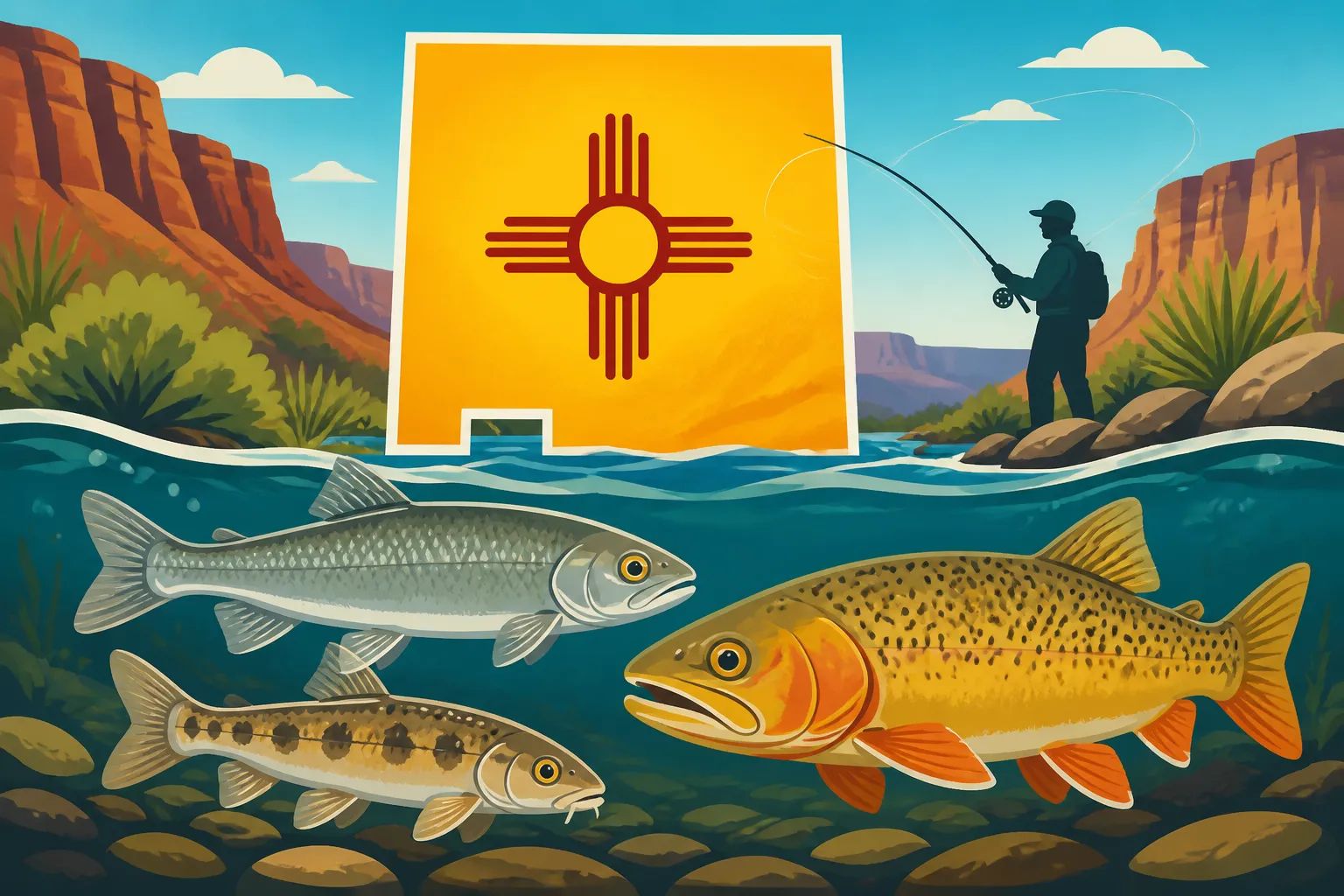
For many anglers, spotting a true Rio Grande Cutthroat Trout is a coveted experience. These fish are absolute gems. They typically feature a striking golden-olive to brassy color on their sides, fading to a lighter belly. What truly sets them apart, and gives them their name, are those distinctive crimson slashes beneath their lower jaws. They also often have sparse, dark spots concentrated towards their tail, rather than covering their entire body like many rainbow trout. You'll generally find them in cooler, clearer waters, often in the high-elevation streams and mountain lakes of northern New Mexico. They’re usually not huge fish, often ranging from 6 to 12 inches, but what they lack in size, they make up for in beauty and fighting spirit.
Distinguishing them from other trout, especially stocked rainbows, can sometimes be tricky for the untrained eye. Rainbows tend to have more uniform spotting and lack those prominent red throat slashes. It's a good idea to carry a reliable field guide or reference material – many excellent ones are available on platforms like Amazon – to help you with identification when you’re out on the water. Proper identification is key, not just for your own satisfaction, but also because these fish are often found in special management areas where specific rules, such as catch and release or bait restrictions, apply to protect them.
Challenges Facing Their Survival
The journey of the Rio Grande Cutthroat Trout has been a tough one, marked by significant population declines. Originally, these fish were widespread throughout the Rio Grande basin in New Mexico and southern Colorado. Today, their populations are severely fragmented, occupying only a fraction of their historic range. The primary culprit? Habitat degradation and loss. As mentioned earlier, water diversions, grazing, logging, and road construction have all taken their toll on the pristine, cold-water streams they need to thrive. Sedimentation from eroded stream banks can smother their spawning beds, making it hard for new generations to emerge.
Perhaps an even more insidious threat is genetic introgression, or interbreeding, with non-native rainbow trout. When rainbows are stocked in streams where Rio Grande Cutthroats live, the two species can hybridize. This dilutes the unique genetic makeup of the native cutthroat, essentially erasing what makes them distinct and adapted to their specific environment. Competition with other non-native species, like brown trout, which are more aggressive and can outcompete the cutthroats for food and territory, also plays a significant role. Drought conditions further stress these isolated populations, making them more vulnerable to disease and predation. The struggle is very real, and without continued, dedicated conservation efforts, we risk losing this incredible native fish. We cover some of the specific regulations designed to protect them in our New Mexico Trout Fishing Rules overview.
Saving the Gila Trout: A Story of Resilience
The Gila Trout (Oncorhynchus gilae) represents another vital piece of New Mexico's aquatic biodiversity, and its story is one of both peril and hope. Unique to the Gila River Basin in southwestern New Mexico and southeastern Arizona, this beautiful fish has faced extreme challenges but has also been the focus of one of the most remarkable conservation success stories in the region.
Recognizing the Gila Trout
The Gila Trout is a distinct and strikingly beautiful fish, often characterized by its brassy, golden-yellow sides that fade into a lighter, often silvery, belly. They typically have small, dark spots scattered over their upper body, dorsal fin, and tail. Unlike their cutthroat cousins, they lack the prominent red slashes under their jaw, though some individuals might show a faint yellowish or orange tint in that area. When they’re in their prime, especially in clear mountain streams, their colors can be quite vibrant. They tend to be smaller than many other trout species, usually growing to about 6-12 inches, perfectly adapted to the smaller, high-gradient streams they call home.
Their native range is very restricted, primarily to headwater streams within the Gila National Forest. This isolation has helped maintain their genetic purity but also makes them highly vulnerable to localized threats. If you're lucky enough to encounter one, you'll notice their streamlined body, built for navigating fast-flowing mountain creeks. Learning to identify them correctly is crucial, as fishing for Gila Trout often requires specific permits or adheres to strict regulations, depending on the particular stream. You can dive deeper into this species with our Gila Trout in New Mexico article.
Conservation Successes and Ongoing Work
The Gila Trout’s journey is a powerful testament to what focused conservation can achieve. Once listed as endangered under the ESA, extensive efforts have led to a remarkable turnaround. The primary threats to Gila Trout historically included habitat degradation from past logging and grazing practices, and perhaps most critically, hybridization and competition with non-native rainbow and brown trout. To protect their genetic integrity, managers often undertook drastic measures, including removing non-native fish from specific streams through electrofishing or rotenone treatments, followed by restocking with genetically pure Gila Trout from hatchery programs or isolated source populations.
These efforts have been so successful that, in a rare and celebrated event, the Gila Trout was downlisted from "endangered" to "threatened" in 2012. This was a monumental achievement, a clear indicator that dedicated conservation work, supported by agencies and local communities, can truly make a difference. However, the work isn't over. Ongoing challenges include managing existing populations to prevent further habitat degradation, continuing to control non-native fish, and adapting to the increasing threats posed by climate change and prolonged drought, which can dramatically reduce stream flows and suitable habitat. Researchers and field biologists continue to monitor populations closely and implement stream restoration projects, like installing stream bank stabilization measures, to ensure this species continues its path to recovery. You can find out How the Gila Trout Was Removed From the Endangered List in more detail.
Other Native Fish Under Threat
While the Rio Grande Cutthroat and Gila Trout often capture the spotlight due to their charismatic nature and angler appeal, New Mexico is home to numerous other native fish species, many of which are also in significant trouble. These lesser-known aquatic residents play critical roles in their ecosystems and deserve our attention and protection.
Lesser-Known Species in Peril
Beyond the well-known trout, New Mexico's waters harbor a fascinating array of smaller, often overlooked fish that are just as vital to the state's natural heritage. Species like the Chihuahua Chub, the Rio Grande Chub, the Rio Grande Sucker, the Bluehead Sucker, and the Zuni Bluehead Sucker are all facing precarious futures. These fish might not offer the thrill of a big fight on the line, but they are incredibly important for the health of our aquatic ecosystems. For instance, suckers play a crucial role in nutrient cycling by feeding on algae and detritus, helping to keep stream beds clean. Chubs are often important forage fish for larger predators, supporting the entire food web.
Many of these species are endemic, meaning they are found nowhere else on Earth, making their loss truly irreplaceable. The threats they face mirror those of the trout: habitat loss due to water scarcity and degradation, competition from non-native species, and the cumulative impacts of human activity on their fragile river and stream systems. Their survival depends heavily on maintaining healthy, connected waterways that allow them to move, feed, and spawn naturally. For a broader perspective on the diverse aquatic life here, check out our guide on Native Fish Species of New Mexico.
Habitat Degradation and Non-Native Species
The persistent drumbeat of habitat degradation is perhaps the single largest threat to New Mexico’s aquatic biodiversity. It’s not just about one dam or one polluted discharge; it's the cumulative effect of decades of land use, water management practices, and climate patterns. For many of our native chubs and suckers, their historical river systems have been heavily altered. Sections of the Rio Grande, for instance, have been channelized, straightened, and diverted, removing the natural complexity of riffles, pools, and side channels that these fish depend on for different life stages. When their habitat is simplified, their ability to find refuge, spawn, or forage effectively is severely diminished.
Compounding this, the introduction of non-native species continues to be a massive problem. Bass, catfish, and even other species of sunfish introduced for recreational fishing can outcompete native species for food and space, or directly prey on their eggs and young. Imagine a small, defenseless native chub trying to survive in a pond now dominated by larger, more aggressive non-native bass. The odds are stacked against them. This ecological imbalance drastically reduces the chances of survival for our native populations. Anglers often purchase specific gear, from specialized lures to bait, and many of these products, though convenient and readily available on sites like Amazon, need to be used responsibly to prevent further spread of non-native species or diseases.
Conservation Efforts and How You Can Help
The challenges facing New Mexico’s endangered fish are formidable, but there is significant dedication and ongoing work to protect and restore these precious resources. Both governmental bodies and individual anglers have crucial roles to play in safeguarding the future of our aquatic ecosystems.
Governmental Programs and Agencies
The New Mexico Department of Game and Fish (NMDGF) works tirelessly, often in conjunction with federal partners like the U.S. Fish and Wildlife Service (USFWS) and the U.S. Forest Service, to implement comprehensive conservation programs. These programs include everything from habitat restoration projects, such as restoring stream banks and improving riparian vegetation, to actively managing fish populations through controlled stocking of native species and removal of non-native ones. For instance, NMDGF biologists regularly monitor known populations of endangered fish, conducting surveys to track their numbers, genetic health, and habitat conditions.
One key aspect of these efforts involves establishing and maintaining "refugia"—isolated habitats where genetically pure populations of native fish can thrive without the threat of hybridization or competition from non-native species. These refugia are often located in remote, high-elevation streams. Furthermore, special regulations are often put in place for sensitive areas, such as limiting fishing to specific times of the year, requiring barbless hooks, or mandating catch and release. Understanding and respecting these rules, which are detailed in the New Mexico Fishing Regulations Overview, is one of the most direct ways anglers can support these governmental conservation initiatives.
Angler's Role in Protection
As anglers, we are often the eyes and ears on the water, and our actions have a direct impact on the health of aquatic ecosystems. Our role in protecting endangered species is paramount. First and foremost, educating ourselves about native fish species and the regulations in place to protect them is crucial. Knowing how to correctly identify a Rio Grande Cutthroat or a Gila Trout means you can take extra care if you accidentally hook one in a sensitive area. Using proper Catch and Release Best Practices in New Mexico is vital to minimize stress and injury to any fish, especially native and endangered ones. This includes handling fish minimally, keeping them in the water as much as possible, and using barbless hooks, which are often required in special trout waters anyway (as discussed in Barbless Hook Fishing Technique for New Mexico Rivers).
Beyond careful fishing, reporting any suspicious activities, like illegal dumping or unauthorized fish stocking, to NMDGF can provide critical information for conservationists. Participating in volunteer stream cleanups or habitat restoration projects, if available in your area, is another direct way to contribute. Finally, supporting organizations dedicated to aquatic conservation, whether through donations or advocacy, helps fund the vital research and fieldwork needed to protect these species. Even something as simple as making sure your waders and gear are cleaned thoroughly between fishing trips can prevent the spread of invasive species or diseases to new waters.
The Future of New Mexico's Endangered Fish
Looking ahead, the path for New Mexico's endangered fish species remains challenging, but it's far from hopeless. The dedicated efforts of biologists, conservationists, and responsible anglers are steadily building a future where these native gems can not only survive but truly thrive once again. It's a long game, but one worth playing.
Hope Through Restoration
The success story of the Gila Trout proves that restoration is not just a dream, but an achievable reality. The ongoing commitment to restoring habitats, reconnecting fragmented populations, and maintaining genetic purity for species like the Rio Grande Cutthroat Trout is paramount. Projects focusing on improving water quality, restoring natural stream morphology, and removing barriers to fish passage are critical. Imagine a future where headwater streams are once again vibrant havens for these native fish, interconnected enough to allow for healthy genetic exchange and resilience against localized disturbances.
Furthermore, advancements in science and technology, like improved genetic analysis and sophisticated monitoring techniques, allow conservationists to better understand populations and tailor interventions more effectively. For instance, mapping precise cold-water refugia helps prioritize protection efforts in areas critical for survival during drought. These scientific endeavors, often supported by grants and public engagement, continue to refine our strategies. You can often find resources on understanding and supporting these scientific efforts, including informative books or documentaries, through major online retailers like Amazon. The goal isn't just to keep these fish alive in isolated pockets, but to restore them to healthy, self-sustaining populations across their historical range, ensuring their place in New Mexico's natural legacy for generations to come.
Sustainable Fishing Practices
For anglers, embracing sustainable fishing practices isn't just a recommendation; it's a moral imperative. This means consciously choosing to fish in ways that minimize our impact on fragile ecosystems and support the recovery of endangered species. Beyond careful catch and release and barbless hooks, it involves a mindset of stewardship. Consider exploring less-fished areas to reduce pressure on popular spots, or focusing your efforts on abundant non-native species that can sometimes outcompete native fish. Learning about the New Mexico Quality Waters Program and how it benefits specific species can also guide your fishing choices.
Understanding the broader ecological picture, such as the impact of drought on water levels and fish health, allows us to make informed decisions about when and where to fish. Perhaps some years, it’s better to give certain waters a break if conditions are particularly harsh for native species. Our collective actions, both individually and as a community, have the power to shape the future of New Mexico's precious aquatic life. By being mindful, educated, and responsible, we can ensure that future generations of anglers will also have the privilege of connecting with these incredible native fish in the Land of Enchantment.
Here's a quick look at two of our most iconic native trout:
| Feature | Rio Grande Cutthroat Trout | Gila Trout |
|---|---|---|
| Conservation Status | Currently under evaluation; petitions for listing | Threatened (downlisted from Endangered in 2012) |
| Appearance | Golden-olive to brassy; red "cutthroat" slashes; sparse spots near tail | Brassy golden-yellow; small dark spots; no red slashes |
| Primary Habitat | High-elevation streams and mountain lakes of the Rio Grande basin | Headwater streams of the Gila River basin |
| Key Threats | Habitat loss, hybridization with rainbows, competition with browns | Habitat loss, hybridization, climate change |
| Distinguishing Feature | Red throat slashes | Distinct golden coloration, small spots |
Disclaimer
This article is for general informational purposes only and does not constitute professional advice. Laws, prices and regulations vary by location and change over time. Consult a qualified professional for guidance on your specific situation.