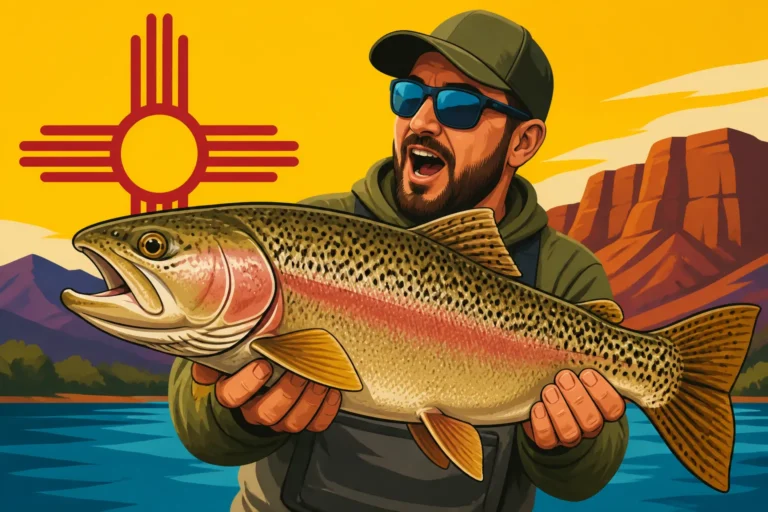
Warm Water Game Fish in New Mexico
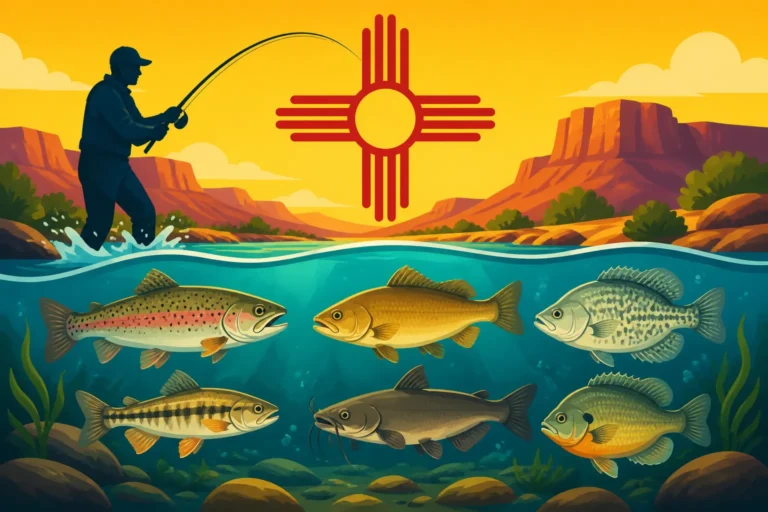
Many anglers in New Mexico immediately picture pristine mountain streams and elusive trout when they think about fishing in the Land of Enchantment. While our cold-water fisheries are indeed incredible, it’s a big mistake to overlook the fantastic opportunities that our warm water lakes and rivers offer! This guide is here to shed light on the diverse and exciting world of warm water game fish in New Mexico, helping you discover new species to target and new spots to explore.
Understanding New Mexico's Warm Water Fisheries
It’s easy to get caught up in the allure of trout fishing, especially with New Mexico's reputation for stunning mountain rivers and quality trout waters. But trust me, our warmer lakes, reservoirs, and slower-moving river sections are absolutely brimming with a variety of challenging and delicious fish. These aren't just incidental catches; they're thriving populations that offer incredible sport for anglers of all skill levels.
What Defines a Warm Water Fish?
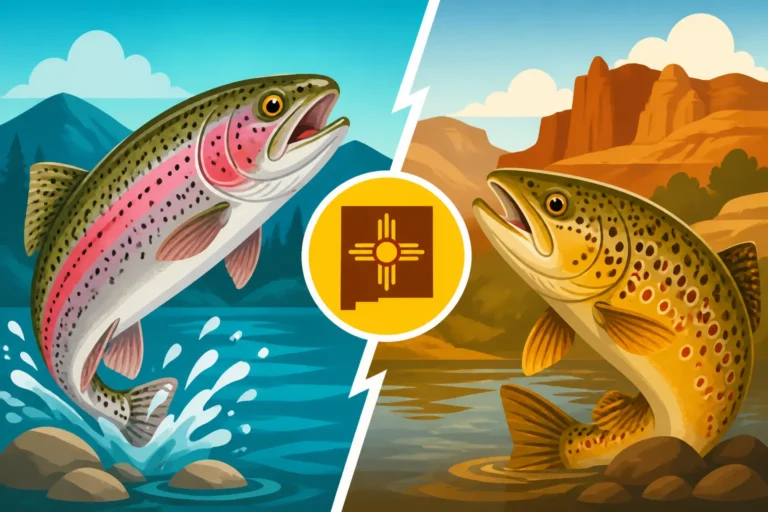
So, what exactly is a "warm water fish" in New Mexico? Generally, these are species that thrive in water temperatures above 60-65°F (around 15-18°C), often much warmer. Unlike trout, which prefer cooler, oxygen-rich environments, warm water species are built to handle the higher temperatures found in our larger, shallower lakes and slower rivers during the spring, summer, and fall. They often have different diets, behaviors, and preferred habitats than their cold-water cousins, making them a unique challenge and a ton of fun to pursue. Think of species that love submerged structure, weed beds, and long, lazy river bends – those are typically your warm water havens.
Key Warm Water Environments in New Mexico
New Mexico boasts several fantastic warm water environments that are hotbeds for these species. Our major reservoirs like Elephant Butte Lake, Navajo Lake (despite its trout reputation, it has great bass!), Conchas Lake, Ute Lake, and Sumner Lake are prime examples. These large impoundments offer vast expanses of water with varying depths, coves, points, and submerged features that warm water fish adore. Beyond the big lakes, sections of the Rio Grande and other rivers, especially their slower, wider stretches, also hold excellent populations of warm water species. Don't forget the numerous smaller community ponds and state park lakes, which often provide easily accessible fishing for panfish and bass. Each of these environments presents unique challenges and rewards, making every outing a new adventure. For a general overview, check out our Best Places to Fish in New Mexico guide.
The Mighty Bass Family: Kings of the Warm Water
When you talk about warm water game fish, the bass family almost always takes center stage. New Mexico is home to several incredible bass species, each offering a distinct fishing experience. From the hard-hitting largemouth to the feisty smallmouth and the powerful striped bass, these fish are sought after for their aggressive strikes and strong fights. Understanding their habits and preferred habitats is key to success.
Largemouth Bass: The Reservoir King
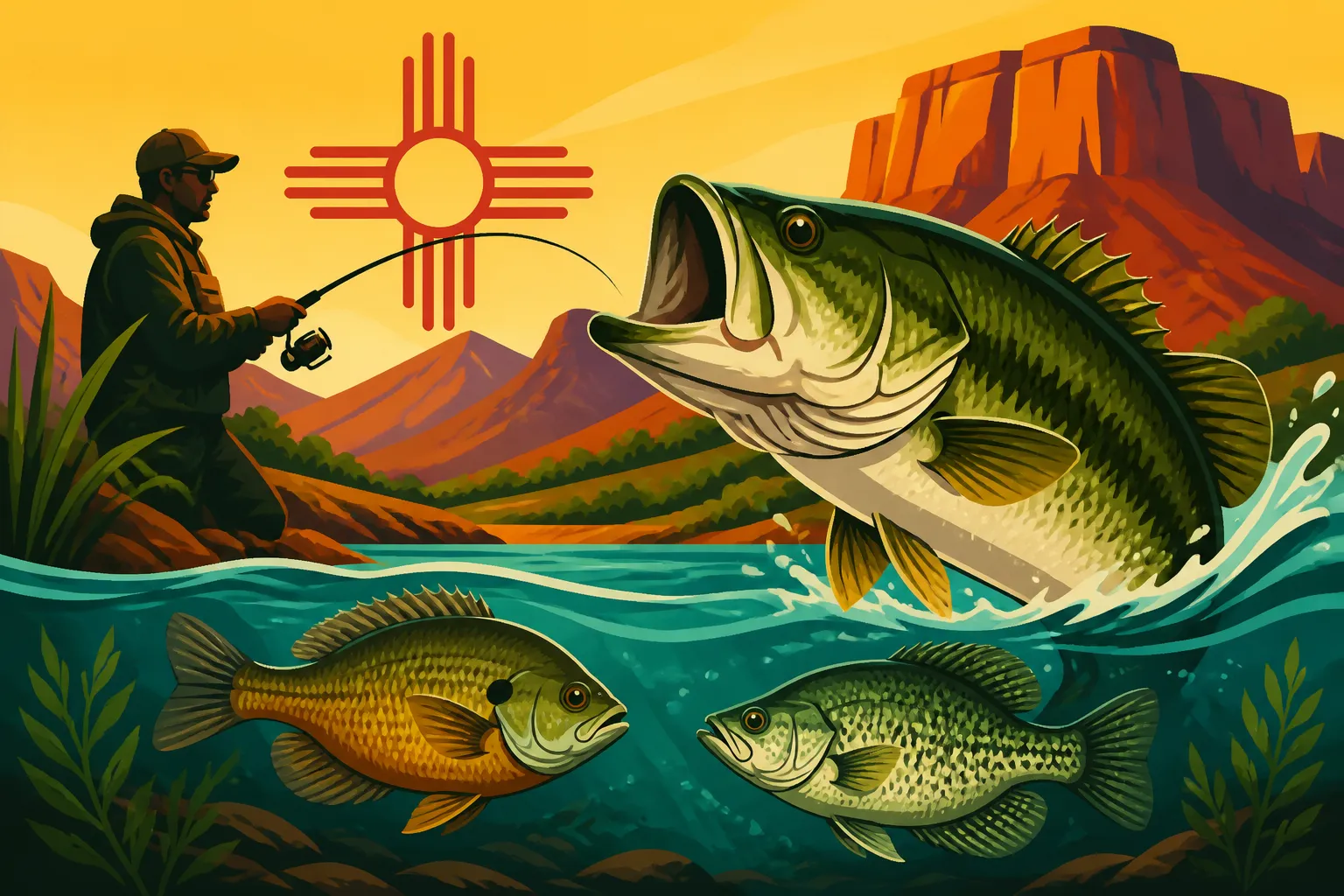
The largemouth bass is probably what most people envision when they think of bass fishing. These green-backed beauties are ambush predators, often found lurking in submerged vegetation, around fallen timber, rock piles, or any kind of structure that offers cover and a chance to surprise their prey. In New Mexico, you'll find thriving populations in lakes like Elephant Butte, Conchas Lake, and Ute Lake. They love to hang out in coves, along shorelines with brush, and near transition areas where shallow water drops off into deeper sections. Targeting them often involves casting jigs, crankbaits, or soft plastics into these cover-rich areas. There’s nothing quite like the explosive strike of a largemouth bass in heavy cover! If you're looking to dive deeper into techniques, our Bass Fishing Techniques for New Mexico Lakes article has some great insights.
Smallmouth Bass: River and Rocky Lake Brawler
While the largemouth prefers thick cover, the smallmouth bass is a fan of clear, rocky waters. You’ll find these feisty fighters in rivers and lakes with gravelly or rocky bottoms, often in areas with current or wave action. They are known for their strong, acrobatic fights, often leaping clear of the water when hooked. Lakes like Abiquiu Lake and Navajo Lake offer excellent smallmouth opportunities, as do sections of the Rio Grande. Smallmouth bass often chase down their prey, so lures like crankbaits, spinnerbaits, and tube jigs that imitate crawfish or small baitfish work wonderfully. They might not get as big as some largemouth, but what they lack in size, they more than make up for in sheer fighting spirit.
Striped Bass: The Apex Predator of Our Big Lakes
Now, if you're looking for brute strength and a truly challenging fight, the striped bass is your fish. These powerful predators are found primarily in our largest reservoirs, most famously Elephant Butte Lake. Stripers are pelagic, meaning they often roam open water in schools, chasing baitfish like shad. They can grow to impressive sizes, making them a true trophy fish. Anglers often target them by trolling with large crankbaits or spoons, casting topwater lures during feeding frenzies, or fishing with live bait like shad or sunfish. The sheer power of a big striper pulling drag is an experience you won't soon forget. Keeping an eye on what baitfish they are feeding on is crucial for success, as they can be quite particular. Our dedicated Elephant Butte Lake Fishing Guide offers more specific tips for chasing these magnificent fish.
Catfish and Walleye: Delicious Pursuits
Beyond the bass, New Mexico's warm waters offer fantastic opportunities for species that are not only fun to catch but also make for excellent table fare. Catfish and walleye are two such species that draw dedicated anglers year-round, each with its own unique appeal and fishing style.
Channel Catfish: The Nighttime Nibbler
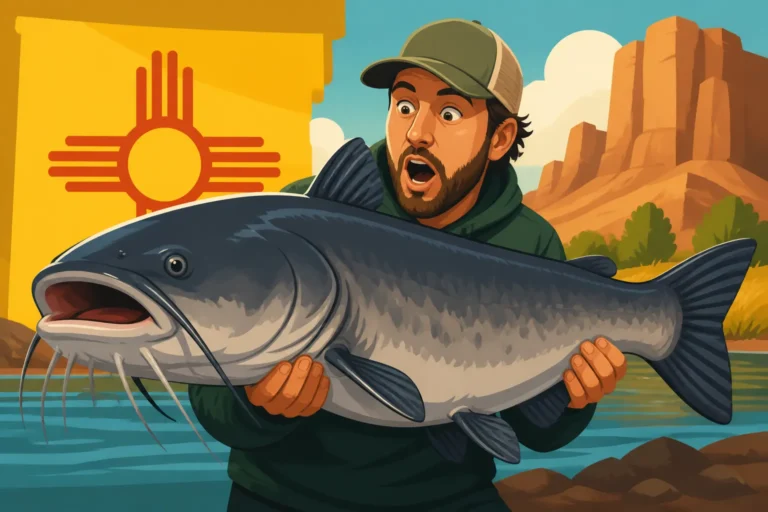
Ah, the channel catfish! If you grew up fishing in the warmer parts of the country, chances are you have fond memories of catching these whiskered beauties. Channel cats are abundant in many of New Mexico's lakes, reservoirs, and rivers, including Elephant Butte, Conchas Lake, and the Rio Grande. They are omnivores and scavengers, known for their strong sense of smell, which makes smelly baits like chicken liver, stink bait, or cut bait incredibly effective. They're particularly active during low light conditions – dawn, dusk, and especially at night – offering a fantastic opportunity for an evening fishing adventure. Setting up a comfortable camp by the water and waiting for that tell-tale tug on the line under a starry New Mexico sky is a cherished tradition for many anglers. They're also wonderfully firm and flaky when cooked, making them a popular choice for a fish fry. Learn more about targeting these whiskered wonders in our Catfish Fishing in New Mexico guide.
Flathead Catfish: The Bottomland Beast
For those seeking a truly powerful opponent, the flathead catfish is a formidable challenge. Unlike the channel cat, flatheads are strict predators, preferring live bait like bluegill or shad. They grow to enormous sizes and inhabit deep, sluggish river sections, large reservoirs, and areas with heavy cover like log jams and rock piles. Catching a flathead is often an exercise in patience and strength, requiring heavy-duty gear and a stout line. These fish are less common than channel cats but offer an unparalleled fight. Finding their lairs – often in deep holes or beneath dense structure – is the first step, then presenting a lively bait near their hideout. Be prepared for a long battle, as a big flathead can put a serious bend in your rod!
Walleye: The Elusive Golden Eye
Walleye are revered by many anglers for their delicious, flaky white meat and their reputation as a challenging, intelligent game fish. Known for their large, light-sensitive eyes, walleye are often most active during low light conditions or in deeper, darker waters. In New Mexico, you'll find strong walleye populations in lakes like Ute Lake, Conchas Lake, and Elephant Butte. Trolling with crankbaits or worm harnesses, jigging with spoons or soft plastics, and fishing with live minnows are common tactics. Walleye often hold near underwater humps, points, and channel edges, so a good fish finder can be a huge asset in locating them. There's a real satisfaction that comes with cracking the code and landing a walleye, especially given their elusive nature. For specific strategies, our Walleye Fishing in New Mexico article is a great resource.
Panfish and Other Opportunities: Something for Everyone
While bass, catfish, and walleye often get the spotlight, New Mexico's warm waters also teem with a variety of panfish and other exciting species that offer endless fun, especially for families and beginner anglers. These smaller, abundant fish are perfect for a relaxing afternoon on the water and provide a fantastic introduction to fishing.
Crappie: The Slabs of the Brush Piles
Crappie, both black and white, are a favorite among panfish enthusiasts for their aggressive bites and schooling behavior. They are also, without a doubt, one of the tastiest fish to pull from New Mexico waters. You'll typically find crappie congregating around submerged brush piles, standing timber, docks, and other structures in lakes like Conchas Lake, Elephant Butte, and Ute Lake. They love to hide in cover, ambushing smaller baitfish and insects. Light tackle, small jigs, minnows, or even tiny spinnerbaits are incredibly effective. When you find a crappie school, you can often catch several in quick succession, making for an exciting and productive outing. They're a fantastic target for a fun day on the water with a cooler full of future fillets. Explore more on how to find these schooling fish in Crappie Fishing in New Mexico.
Bluegill and Other Sunfish: Perfect for Family Fun
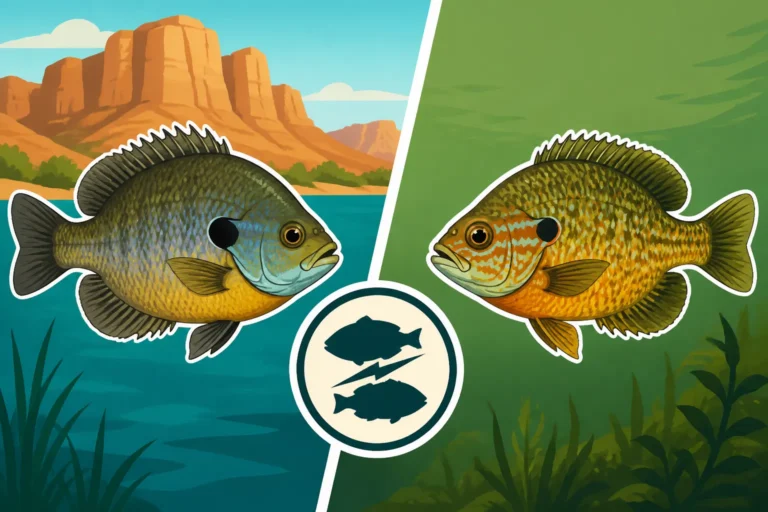
Bluegill and other sunfish species (like green sunfish and redear sunfish) are the quintessential beginner fish – and for good reason! They are almost universally found in New Mexico's warm waters, from the biggest reservoirs to the smallest farm ponds. They are eager biters, readily taking small worms, crickets, or even tiny artificial lures. Their smaller size makes them ideal for kids learning to cast and reel, offering constant action and building confidence. While they may not be trophy fish in the traditional sense, a stringer full of brightly colored bluegill provides endless enjoyment and a tasty snack. A simple rod and reel, a bobber, and a container of worms are often all you need for a memorable day chasing these abundant fish.
Tiger Muskie: The Toothiest Challenge
For those seeking a true adrenaline rush, the tiger muskie offers an unforgettable experience. This sterile hybrid of a northern pike and a muskellunge is stocked in a few select New Mexico lakes, most notably Bluewater Lake and Quemado Lake. Tiger muskies are ferocious predators known for their explosive strikes and impressive size. They can grow to be very large, and their razor-sharp teeth require specialized tackle, including wire leaders, to avoid being cut off. Targeting tiger muskies is often a game of patience, requiring large lures like swimbaits, jerkbaits, or muskie-specific bucktails. Catching one is a badge of honor, and they offer one of the most exciting battles you can find in New Mexico's warm waters. While not found everywhere, their presence adds an exciting, challenging dimension to our warm water fisheries.
Essential Gear and Techniques for Warm Water Success
Successfully targeting warm water game fish in New Mexico requires understanding their habits and having the right tools for the job. While you don't need to break the bank for every piece of gear, having a solid foundation will significantly increase your chances of success and enjoyment. Plus, who doesn't love browsing for new tackle?
Rods, Reels, and Lines for Warm Water Species
Your choice of rod and reel will largely depend on the specific species you're targeting. For panfish, a light-action spinning rod with a small reel spooled with 4-6 pound test monofilament is perfect. For largemouth and smallmouth bass, a medium to medium-heavy action spinning or baitcasting rod with 8-15 pound test fluorocarbon or braided line offers versatility for various lures and fighting power. When it comes to the heavy hitters like striped bass or flathead catfish, you'll want to step up to a heavy-action rod and a robust baitcasting reel spooled with 20-30 pound test monofilament or even heavier braid, especially for fishing around heavy cover. Many anglers find great deals and a wide selection for all these options on platforms like Amazon, making it easy to get geared up.
| Species Targeted | Recommended Rod Action | Recommended Line Weight | Preferred Reel Type |
|---|---|---|---|
| Panfish (Bluegill, Crappie) | Light to Ultralight | 2-6 lb mono | Spinning |
| Largemouth/Smallmouth Bass | Medium to Medium-Heavy | 8-15 lb fluoro/braid | Spinning or Baitcasting |
| Walleye | Medium-Light to Medium | 6-10 lb mono/fluoro | Spinning |
| Channel Catfish | Medium-Heavy to Heavy | 15-25 lb mono/braid | Spinning or Baitcasting |
| Flathead Catfish | Heavy to Extra-Heavy | 30-50 lb mono/braid | Baitcasting |
| Striped Bass | Medium-Heavy to Heavy | 20-40 lb mono/braid | Baitcasting |
| Tiger Muskie | Heavy to Extra-Heavy | 50-80 lb braid (with wire leader) | Baitcasting |
Bait and Lure Strategies
Warm water fish have incredibly diverse diets, so a variety of baits and lures will serve you well.
- Live Bait: For catfish, chicken liver, cut bait, or even a basic worm can be irresistible. Live minnows are excellent for crappie and walleye, while small bluegill or shad are top choices for trophy flatheads and stripers.
- Soft Plastics: These are a bass angler's best friend. Worms, creature baits, and swimbaits rigged Texas-style, Carolina-rigged, or on a jig head are incredibly effective for probing cover and enticing strikes. You'll find an endless array of colors and shapes, perfect for matching the forage in your chosen lake.
- Hard Baits: Crankbaits, spinnerbaits, jerkbaits, and topwater lures are crucial for covering water and triggering aggressive reaction strikes from bass, walleye, and even stripers. Matching the hatch (i.e., using lures that resemble the local baitfish) is often key.
- Jigs: From small hair jigs for crappie to large bucktail jigs for walleye and striped bass, jigs are versatile and can be fished at various depths. Pairing them with soft plastic trailers often enhances their appeal.
Stocking a good variety of these, maybe picking up a starter kit from Amazon, will prepare you for most warm water scenarios. Our guide on Best Lures for New Mexico Bass can also give you some ideas.
Finding the Fish: Reading the Water
Understanding where warm water fish hold is paramount. Look for "structure" and "cover."
- Structure refers to changes in the bottom contour, like points, humps, ledges, and channels. Fish often relate to these features, using them as travel routes or ambush points.
- Cover includes anything that provides shelter or concealment, such as submerged trees, rock piles, docks, weed beds, and even shadows. Bass and crappie, in particular, love to hide in cover.
Walleye often prefer deeper, cooler water during the day, moving shallower to feed at dawn and dusk. Catfish will patrol creek channels and flats, especially at night. For schooling fish like crappie and striped bass, look for baitfish activity – diving birds, ripples on the surface, or baitfish flickering – which often signals the presence of predators below. A good fish finder can be invaluable for identifying structure and schools of fish, especially on large reservoirs. Don't be afraid to move around until you start getting bites; sometimes it just takes finding that sweet spot.
Preserving the Warm Water Legacy: Regulations and Conservation
As with all fishing, enjoying New Mexico's warm water fisheries comes with the responsibility of understanding and adhering to regulations. These rules are put in place to ensure healthy fish populations for generations to come, and as anglers, it's our duty to respect them.
Understanding Bag and Size Limits
Each fish species in New Mexico's warm waters will have specific bag limits (the number of fish you can keep) and sometimes size limits (minimum or maximum lengths). These limits can vary not just by species, but also by specific water body. For example, some lakes might have special regulations for bass to promote trophy growth, while others might allow for more liberal harvest of common panfish. Always consult the current New Mexico Department of Game and Fish fishing proclamation before you head out. You can often find this information online or pick up a physical copy from license vendors. Knowing your limits prevents overharvest and helps maintain balanced ecosystems. Our New Mexico Fishing Regulations Overview provides a great starting point for understanding these rules, and specific details can be found in New Mexico Statewide Bag Limit for Bass and Catfish Limit in New Mexico.
Catch and Release Best Practices
Even if you plan to keep some fish for dinner, practicing good catch and release techniques for others is vital, especially for larger specimens or species you want to protect. Handle fish gently, minimize their time out of the water, and use a net designed for gentle handling if possible. If a fish is deeply hooked, it’s often best to cut the line rather than try to forcefully remove the hook, especially with sharp-toothed fish like tiger muskie or walleye. When releasing, support the fish gently in the water, allowing it to regain its strength before swimming off. These simple practices significantly increase the survival rate of released fish, contributing to the health and abundance of our warm water fisheries. It's about being a responsible steward of this amazing natural resource we all love.
Remember, every time you head out to chase those warm water fighters, you're not just fishing; you're connecting with nature and participating in a rich tradition. Enjoy the sun, the tug of the line, and the satisfaction of a great day on New Mexico's fantastic warm water.
Disclaimer
This article is for general informational purposes only and does not constitute professional advice. Laws, prices and regulations vary by location and change over time. Consult a qualified professional for guidance on your specific situation.