Where to Find Lake Trout in New Mexico
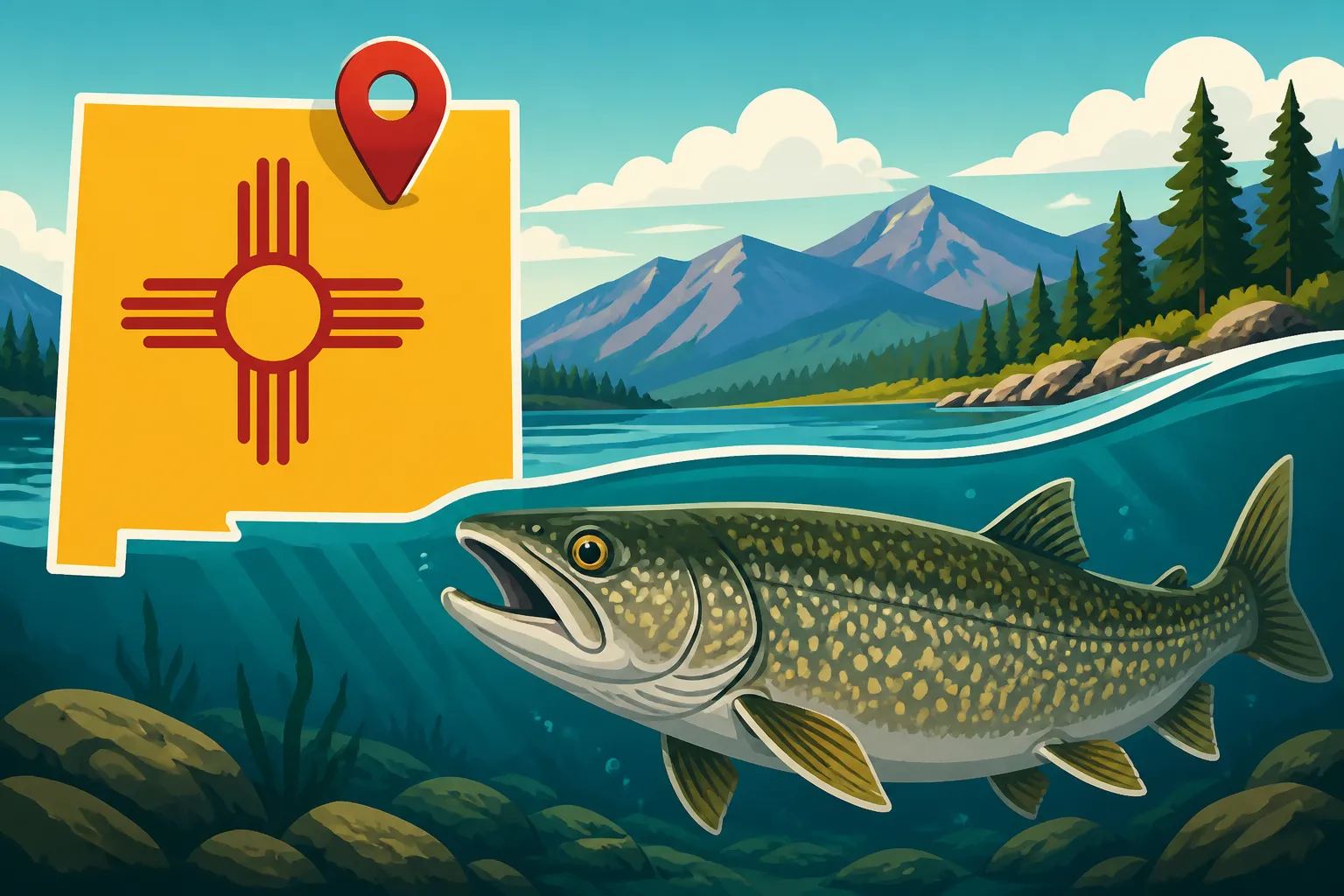
Many anglers dream of catching big, powerful trout, but often find that the more common rainbow or brown trout aren't quite the challenge they're looking for. Lake trout, with their deepwater habits and impressive size, offer a unique and thrilling experience that can be tough to pinpoint if you don't know where to start in New Mexico. This guide is here to help you understand exactly where these magnificent fish reside in our state and how to increase your chances of finding them.
The Elusive Nature of Lake Trout in New Mexico
New Mexico is a land of incredible angling diversity, from high-mountain streams teeming with native cutthroat to vast reservoirs holding formidable warm-water species. However, when it comes to Lake Trout, or "Lakers" as many of us affectionately call them, their presence is far more exclusive. Unlike the widely stocked rainbow trout or the naturalized brown trout that can be found in many rivers and lakes, Lake Trout require very specific conditions to thrive, making them a true trophy for many anglers.
They are a cold-water species, plain and simple. This isn't just a preference; it's a physiological necessity. Lake Trout need deep, cold, oxygen-rich water to survive and reproduce. Many of New Mexico's lakes, especially those in the southern and eastern parts of the state, simply don't offer these year-round conditions. They get too warm in the summer, or they aren't deep enough to maintain the necessary thermal stratification that Lake Trout depend on. This naturally limits their distribution to only a handful of locations where the unique geography and hydrography align perfectly. This limited habitat is why you can't just throw a line in any mountain lake and expect to hook a laker.
Another reason for their elusive nature is their behavior. Unlike some trout that will actively feed in shallower waters or near shorelines, Lake Trout often inhabit the deeper, darker reaches of a lake, particularly during the warmer months. This makes them less accessible to casual bank anglers and requires specialized techniques and equipment, like boats with good sonar or downriggers, to consistently reach them. It's a different game altogether, and understanding this deepwater preference is the first step to successfully targeting them.
Navajo Lake: New Mexico's Premier Lake Trout Destination
When it comes to finding Lake Trout in New Mexico, there is one location that stands head and shoulders above the rest: Navajo Lake. This massive reservoir, nestled in the scenic landscapes of northern New Mexico and extending into Colorado, is the undisputed champion for lakers in our state. If catching a Lake Trout is on your bucket list, Navajo Lake is where you absolutely need to focus your efforts.
Navajo Lake's unique characteristics make it a perfect habitat for Lake Trout. It's incredibly deep, reaching depths that exceed 300 feet in some areas. This depth ensures that even during the peak of summer, there are vast expanses of cold water where Lake Trout can retreat and thrive. The lake also receives a steady inflow of cold water from the San Juan River, further contributing to the ideal thermal conditions these fish demand. The combination of immense depth, cool temperatures, and abundant forage creates a robust ecosystem that supports a healthy and often trophy-sized Lake Trout population. For a broader overview of this excellent fishery, check out our Navajo Lake Fishing Guide.
Specific Areas and Structures at Navajo Lake
While Lake Trout can be found throughout the deep sections of Navajo Lake, certain areas tend to be more productive due to underwater structure and depth contours. These fish are structure-oriented, meaning they'll often relate to submerged points, humps, ledges, and channels. Using a good fish finder is absolutely crucial here; it's your window into their world far below the surface.
- The Main Channel: The old river channel that runs through the length of Navajo Lake is a prime hunting ground. Lake Trout will often patrol the edges and drop-offs of this channel, especially where it intersects with other underwater features.
- Deep Points and Humps: Look for submerged points that extend far out into the lake and then drop off dramatically. Similarly, underwater humps or islands are magnets for baitfish and, consequently, for hungry lakers. These areas provide ambush points and thermal refuge.
- The Dam Area: The deepest sections of the lake are often found near the dam. This region can hold concentrations of Lake Trout, particularly when they are seeking the coldest water in the summer months. However, be mindful of any restricted areas or closures around the dam itself.
- Canyons and Inlets: While Lake Trout prefer deep water, they will move into the deeper sections of major canyons and inlets if the water conditions are right and baitfish are present. The larger, deeper arms of the lake can be productive, especially earlier in the season or during cooler periods.
Understanding the underwater topography is key. Before you even launch your boat, spend some time studying a detailed contour map of Navajo Lake. You can find these online or often at local tackle shops near the lake. Identify potential hotspots – those steep drops, submerged islands, and channel edges – and plan your attack accordingly. This pre-fishing research will save you a lot of time and greatly increase your chances of success.
Other Potential (But Less Consistent) Lake Trout Waters
While Navajo Lake is the undeniable hotspot, some anglers might wonder if Lake Trout exist elsewhere in New Mexico. Historically, there have been occasional reports or experimental stockings in other deep, cold-water reservoirs. However, these are generally not consistent, self-sustaining fisheries like Navajo Lake.
- Heron Lake: Heron Lake, another beautiful northern New Mexico reservoir, is renowned for its Kokanee Salmon fishery. While it's deep and cold, it's not typically known as a Lake Trout destination. Any Lake Trout found here would likely be rare, incidental catches or remnants from very old stockings that never established a strong population. The focus at Heron Lake for most anglers remains on Kokanee and rainbow trout. You can learn more about this fishery in our Heron Lake Fishing Guide.
- High Mountain Lakes: Some of New Mexico's highest alpine lakes are incredibly cold and deep. While they hold various species of trout, including native cutthroat and brook trout, they are generally too small or lack the consistent food sources for a robust Lake Trout population to thrive. Lake Trout grow to immense sizes and require vast territories and abundant prey, which smaller mountain lakes typically cannot provide. So, while the water might be cold enough, other factors often prevent them from becoming laker havens.
For practical purposes and consistent success, if you're targeting Lake Trout in New Mexico, Navajo Lake is truly your best, and frankly, only reliable option. Trying to find them elsewhere will likely lead to disappointment.
Gear and Tactics for Targeting Deepwater "Lakers" at Navajo
Successfully catching Lake Trout at Navajo Lake requires a specific approach, primarily because of their deepwater habitat. You can't just cast a spinner from shore and hope for the best, especially in warmer months. These fish are often holding hundreds of feet down, requiring specialized gear and techniques.
Essential Gear for Lake Trout
To reach the depths where Lake Trout reside, you'll need more than your average trout setup.
- Heavy Trolling Rods and Reels: You'll want sturdy rods designed for trolling, usually 7-9 feet long with a medium-heavy to heavy action. These need to handle heavy weights, strong lines, and the immense power of a large Lake Trout. Paired with this, a robust baitcasting or conventional reel with a reliable drag system and significant line capacity (at least 200-300 yards of 20-30 lb test monofilament or braided line) is essential. For those looking to upgrade their setup, browsing fishing gear on platforms like Amazon can help you find suitable heavy-duty trolling rods and reels that can withstand the demands of deepwater Lake Trout fishing.
- Downriggers or Dipsy Divers: These are non-negotiable for consistent deepwater success. Downriggers allow you to precisely control the depth of your lure, sending it down to where the fish are holding, often 50 to 150 feet or more. Dipsy Divers or similar diving planers can achieve considerable depth without the need for a full downrigger setup, though they are less precise.
- Fish Finder/Sonar: A high-quality fish finder is your eyes beneath the surface. You'll need it to locate baitfish schools, identify underwater structure (like ledges, humps, and the old river channel), and, most importantly, mark individual Lake Trout. Don't skimp on this piece of equipment; it's the difference between guessing and knowing. There are many great models available from various brands, often found on online marketplaces like Amazon, offering different features and price points.
- Depth Temperature Gauge: Lake Trout are extremely sensitive to water temperature. Knowing the thermocline (the layer where water temperature changes rapidly) and the ambient temperature at various depths can help you pinpoint where the fish are most comfortable and actively feeding.
- Heavy Lures and Baits: You'll need lures designed to be fished deep and attract large predators.
- Large Spoons: Heavy trolling spoons, often 4-6 inches long, in colors like silver, chartreuse, blue, or pearl, are very effective. Brands like Daredevle, Little Cleo, or Doctor Spoons are popular choices.
- Stickbaits/Plugs: Deep-diving crankbaits or large stickbaits that mimic baitfish are also excellent, especially in natural baitfish patterns.
- Tube Jigs/Grubs: Heavy tube jigs or large soft plastic grubs, often tipped with a piece of cut bait (like sucker meat or anchovy), can be deadly when jigged directly over marked fish.
- Live or Cut Bait: For many, the most effective bait for Lake Trout is live or cut baitfish, such as shiners or suckers. Always check current New Mexico Fishing Regulations Overview for bait restrictions, as live bait rules can vary.
Effective Tactics for Navajo Lake Trout
The main tactic for Lake Trout at Navajo is trolling, but jigging can also be highly effective when fish are concentrated.
- Deep Trolling: This is the most common and often most productive method. Deploy your downriggers or dipsy divers to get your lures down to the depths where you're marking fish on your sonar. Pay close attention to your speed; Lake Trout often prefer slower trolling speeds, typically 1.5 to 2.5 mph. Experiment with different depths and lure presentations until you find what triggers bites. Keep an eye on your fish finder for schools of baitfish, as lakers are often close by. Trolling Techniques for New Mexico Lakes can provide more general guidance, but remember to adapt for the extreme depths of laker fishing.
- Vertical Jigging: When you've located a concentration of Lake Trout on your sonar, especially near structure like a submerged hump, vertical jigging can be incredibly effective. Drop a heavy jig or spoon directly down to their depth and work it with an erratic jigging motion. This simulates a dying or injured baitfish, often irresistible to a lurking laker. This method requires precise boat control to stay over the fish, especially if there's wind.
- Timing: While Lake Trout are deep-water residents, their activity can still be influenced by time of day and season. Early mornings and late evenings can often be productive, even in deeper water. In colder months, they might be found shallower than in the heat of summer. Always check New Mexico Fishing Season Dates and Limits for any specific seasonal considerations.
| Tactic | Description | Key Gear | Best Conditions |
|---|---|---|---|
| Deep Trolling | Moving slowly with lures at specific depths using downriggers/dipsy divers. | Trolling rods/reels, downriggers, fish finder, large spoons/plugs | Covering large areas, finding scattered fish |
| Vertical Jigging | Dropping a heavy lure directly over marked fish and working it vertically. | Jigging rod/reel, heavy jigs/spoons, fish finder, precise boat control | Fish concentrated on structure, good sonar marks |
Remember, patience is a virtue when targeting Lake Trout. They are not always easy to find or entice, but the reward of landing one of these powerful, majestic fish from the depths of Navajo Lake is truly unforgettable. Make sure you're familiar with New Mexico Trout Fishing Rules before you head out, as regulations can sometimes have specific nuances for certain species or waters.
Understanding Lake Trout Habitat and Behavior for Better Success
To consistently find Lake Trout, it's not enough to just know which lake they're in; you need to understand why they're there and how they behave. These factors dictate their location within Navajo Lake and, consequently, your strategy for catching them.
Cold Water is Key
Lake Trout are physiologically adapted to cold water. They thrive in temperatures typically ranging from the low 40s to the mid-50s Fahrenheit. Anything much warmer than that and they become stressed, lethargic, and often move to the deepest, coolest parts of the lake. This phenomenon is known as thermal stratification. In Navajo Lake, during the summer, the surface waters can warm significantly, while the deeper layers remain consistently cold. This creates a "thermal refuge" for lakers.
Knowing this means your fish finder isn't just for spotting fish, it's for finding the right temperature band. Many modern fish finders have temperature sensors, or you can use a separate depth temperature gauge. Locate the thermocline and focus your efforts just below it, or in the coldest, most oxygenated water you can find at depth. If you're not getting bites at one depth, try moving your lures a little deeper or shallower within that cold-water zone.
Forage Base Dictates Location
Like any predator, Lake Trout will be found where their food is. In Navajo Lake, the primary forage for larger Lake Trout often includes Kokanee Salmon and various baitfish. Kokanee are a significant food source and are themselves a cold-water species, often schooling in deep, open water. Where you find schools of Kokanee, you're likely to find Lake Trout lurking nearby, preying on them.
Your fish finder becomes invaluable here. Look for dense schools of baitfish, often appearing as clouds or arches on your screen. If you see baitfish, especially deeper in the water column, slow down, mark the spot, and focus your trolling or jigging efforts there. Lake Trout are opportunistic feeders, so presentations that mimic an injured or isolated baitfish can be particularly effective. Keep this in mind when selecting your lures and baits – choose those that best imitate the prey fish found in Navajo Lake.
Seasonal Movements
While Lake Trout generally prefer deep, cold water, their precise locations and activity levels can shift with the seasons.
- Spring: As the ice melts (if the lake freezes) and surface waters are still cool, Lake Trout might be found in slightly shallower waters than during the peak of summer. They may move closer to prominent points or submerged structures as they become more active after winter. This can be a great time for both trolling and even some casting in deeper areas near shore.
- Summer: This is when Lake Trout retreat to their deepest, coldest sanctuaries. You'll need downriggers and precise depth control to reach them. Focus on the main channel, dam areas, and deep humps. Early mornings and late evenings might see them rise slightly in the water column to feed, but they'll quickly descend as the sun climbs high.
- Fall: As surface temperatures begin to drop, Lake Trout can become more active and might spread out a bit more throughout the lake. This can be a fantastic time for both size and numbers. They'll still be deep, but perhaps less concentrated in the absolute deepest holes. Towards late fall, they move shallower for spawning, making them more accessible, though often less interested in feeding. Always consult New Mexico Fishing Regulations Overview for any specific rules regarding spawning seasons.
- Winter: During winter, especially if Navajo Lake doesn't completely freeze over, Lake Trout will remain active in the cold water. They might be found at various depths depending on the thermocline and baitfish movement. Ice fishing for lakers is a whole different ballgame that requires robust gear and safety precautions; however, Navajo Lake generally doesn't offer extensive safe ice fishing opportunities due to its size and winds.
By combining your knowledge of Lake Trout's preference for cold water, their reliance on a strong forage base, and their seasonal movements, you can develop a much more informed and effective fishing strategy for Navajo Lake. It's about thinking like a fish and anticipating where they'll be.
Preserving the Future of New Mexico's Lake Trout Fishery
Catching a magnificent Lake Trout from Navajo Lake is truly a memorable experience, and it's essential that we, as anglers, do our part to ensure this fishery remains healthy and robust for generations to come. Conservation isn't just a buzzword; it's a responsibility that falls on each of us.
Catch and Release Best Practices
Lake Trout, especially the larger ones, can be quite old. Releasing them properly ensures they can continue to grow, spawn, and contribute to the population. If you decide to practice catch and release, especially for larger fish, follow these guidelines:
- Minimize Fight Time: Use appropriate tackle that can bring the fish in relatively quickly. Prolonged fights, especially in deep water, can exhaust a laker and reduce its chances of survival.
- Handle Gently: Keep the fish in the water as much as possible. If you must bring it aboard for a quick photo, use wet hands or a wet net. Avoid squeezing the fish, especially around its belly or gills.
- Barbless Hooks: Consider using barbless hooks or pinching down the barbs on your lures. This makes hook removal much easier and less damaging to the fish.
- De-hook Quickly: Have your pliers or de-hooking tool ready to remove the hook swiftly and efficiently.
- Revive the Fish: If the fish seems sluggish, hold it gently in the water, facing into the current, until it regains its strength and can swim away on its own. Never just toss a tired fish back into the water. For more detailed instructions, see How to Handle a Trout Before Releasing It.
The depths from which Lake Trout are caught can sometimes lead to barotrauma, where rapid changes in pressure cause their swim bladder to expand. If you notice a fish struggling to swim back down, it may need to be "fizzed" or vented, a technique that requires specialized tools and knowledge to release excess air from the swim bladder. This is a more advanced technique, and if you're not familiar with it, it's often best to release the fish quickly and gently, hoping for the best, or to keep it if it's within your legal limit and you plan to harvest it.
Respecting Regulations and Limits
New Mexico has specific regulations in place to manage its fish populations, including Lake Trout. These rules are designed to protect the fishery from overfishing and ensure its sustainability.
- Bag and Possession Limits: Always be aware of the daily bag limit and possession limit for Lake Trout on Navajo Lake. These numbers dictate how many fish you can keep in a single day and how many you can have in your possession (including those at your camp or vehicle). These limits can change, so always consult the latest New Mexico Fishing Regulations Overview or the current fishing proclamation before your trip.
- Size Restrictions: There may also be size restrictions, such as minimum or maximum lengths, or slot limits that only allow you to keep fish within a certain size range. This is often done to protect large, breeding-size fish or to encourage growth of smaller fish.
- License Requirements: Of course, you absolutely need a valid New Mexico Fishing License Guide to fish any public waters in the state. Make sure your license is current and that you have any necessary stamps or validations, such as the New Mexico Habitat Stamp and Validation Requirements.
By following all regulations, practicing responsible angling, and educating ourselves on the unique needs of species like the Lake Trout, we can all contribute to the thriving future of fishing in New Mexico. Navajo Lake truly is a special place, and its Lake Trout fishery is a testament to the diverse and incredible angling opportunities our state offers.
Disclaimer
This article is for general informational purposes only and does not constitute professional advice. Laws, prices and regulations vary by location and change over time. Consult a qualified professional for guidance on your specific situation.