Where to Catch White Bass in New Mexico
It's incredibly frustrating when you're geared up and ready to hit the water, but you're not entirely sure where to even begin looking for a specific species like white bass in New Mexico. You've heard the stories of their aggressive strikes and prolific numbers, but translating that into a successful fishing trip can feel like a mystery. This guide aims to clear up that confusion, offering a comprehensive look at where these energetic fish thrive across the Land of Enchantment, along with the best times and tactics to reel them in.
Understanding White Bass in New Mexico
White bass are a real treat for anglers in New Mexico. They're not native to the state, but they've established themselves wonderfully in several of our larger reservoirs, offering fantastic action, especially during their spawning runs. If you've never tangled with one, you're in for a fun fight – they're scrappy and pull hard for their size!
White Bass Characteristics and Habits
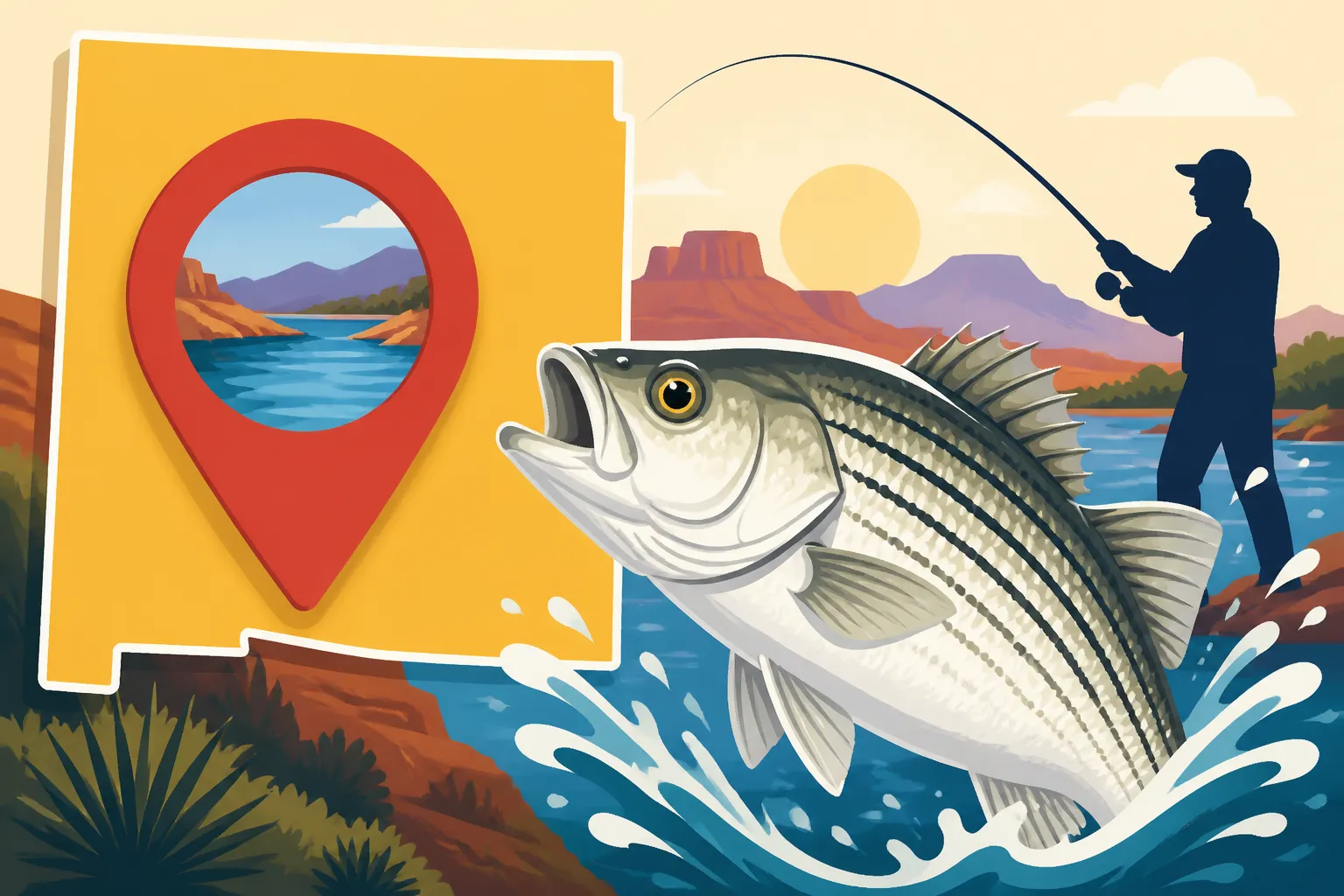
White bass are members of the temperate bass family, closely related to striped bass, though much smaller. They typically range from 10 to 15 inches and can weigh a pound or two, though bigger ones are definitely out there, putting up a respectable fight. What makes them so appealing is their schooling nature. When you find one white bass, you often find dozens, or even hundreds, making for fast-paced, exciting fishing. They're aggressive predators, feeding on shad, minnows, and insect larvae. Their silver sides and faint lateral stripes are quite distinctive.
They're also migratory within their lake systems, especially during spawning. This means they'll move from deeper, open water in the colder months into shallower, tributary-fed areas when water temperatures rise. Knowing these habits is key to consistently finding them. They love areas with a good baitfish population, often hanging around structure like submerged humps, points, and channel edges, always ready to ambush a school of shad. You'll often see them crashing the surface during a feeding frenzy, a sure sign you've hit the jackpot!
Preferred Habitats for White Bass
In New Mexico, white bass really thrive in our large, warm-water reservoirs that have significant populations of shad. These big, open bodies of water provide the expansive feeding grounds and migratory routes that white bass prefer. They need deep water for refuge in the summer and winter, but also access to inflowing rivers or creek channels for their spring spawning rituals.
Lakes with a good mix of open water, submerged structure, and fluctuating depths tend to hold the most robust white bass populations. They are much less common in smaller ponds or fast-flowing rivers, preferring the calmer, albeit vast, expanses of our major reservoirs. Look for them around main lake points, over submerged humps, near creek mouths, and within the main lake basin, especially where current or wind can concentrate baitfish. Understanding Warm Water Game Fish in New Mexico is crucial for pinpointing their preferred habitat types.
Top New Mexico Lakes for White Bass
While white bass might not be in every puddle, a few of New Mexico's larger reservoirs are absolutely legendary for them. These are the places where you can reliably expect to find schooling fish and some truly memorable days on the water.
Elephant Butte Lake: The White Bass Haven
When anyone talks about white bass fishing in New Mexico, Elephant Butte Lake is almost always the first place mentioned. This vast reservoir, the largest in New Mexico, is truly a white bass haven. Its sheer size, diverse underwater topography, and immense population of gizzard and threadfin shad create the perfect environment for these fish to flourish. During the spring, especially from late March through May, white bass migrate up the Rio Grande arm of the lake and into its major creek inflows, like Alamogordo Creek. This is often when anglers experience incredible "white bass runs," with fish stacked in specific areas, eager to bite.
Later in the summer and fall, the white bass scatter across the main lake, often forming massive schools that roam the open water, chasing baitfish. This is when a good fish finder and a keen eye for surface activity become invaluable. Anglers frequently encounter these schools over submerged humps, along old river channels, and near main lake points. Whether you're casting from shore, drifting in a boat, or trolling the open waters, Elephant Butte offers unparalleled opportunities for white bass action. If you're planning a trip there, be sure to check out Elephant Butte Lake Fishing Guide for even more detailed insights.
Ute Lake: A Hidden Gem for White Bass Anglers
Ute Lake, nestled in the eastern plains of New Mexico, is another fantastic, though perhaps lesser-known, destination for white bass. While Elephant Butte often steals the spotlight, Ute Lake holds its own, offering consistently good white bass fishing, sometimes with less pressure than its larger counterpart. The lake's clear waters and rocky structure, combined with a healthy baitfish population, create an excellent home for white bass.
Similar to Elephant Butte, spring is a prime time at Ute Lake when the white bass move into the river arm (the Canadian River) and tributary creeks to spawn. Anglers often line the banks during these runs, casting small jigs and spinners. As the water warms in summer, the white bass at Ute Lake will move to deeper water, suspending over channels or gathering around submerged structure. Trolling or casting small crankbaits and spoons can be very effective during these months. Keep an eye out for those tell-tale surface boils, especially in the early mornings or late evenings, as schools push shad to the top. For general information on this fantastic fishery, Ute Lake Fishing is a great resource.
Other Promising White Bass Waters
While Elephant Butte and Ute Lake are the undisputed kings for white bass in New Mexico, a few other waters might offer occasional catches or smaller, but still fun, populations.
- Conchas Lake: Located north of Tucumcari, Conchas Lake is known for its walleye and crappie, but it also supports a decent population of white bass. You might find them mixed in with other species, especially around spawning tributaries in spring or chasing shad in the main lake during warmer months. They don't typically reach the numbers seen in Elephant Butte, but they can provide a pleasant surprise. For more on this lake, consider reading Conchas Lake Fishing Guide.
- Caballo Lake: Just downstream from Elephant Butte, Caballo Lake also occasionally holds white bass, particularly during spring when fish might move between the two reservoirs. However, its white bass population tends to be less consistent than its upstream neighbor. Still, it's worth a try if you're in the area, especially in the upper reaches near the river inflow. For details on fishing this lake, check out Caballo Lake Fishing.
It's important to remember that fish populations can fluctuate, so always check the latest New Mexico Department of Game and Fish reports or local bait shop intel before heading out.
| Lake | Primary Target Species | White Bass Potential | Best Season for White Bass | Common White Bass Techniques |
|---|---|---|---|---|
| Elephant Butte | Striped Bass, Walleye, Catfish | Excellent, consistent | Spring, Summer, Fall | Casting, Trolling, Jigging |
| Ute Lake | Walleye, Crappie, Catfish | Very Good, reliable | Spring, Summer, Fall | Casting, Trolling, Bank Fishing |
| Conchas Lake | Walleye, Crappie, Bass | Good, often mixed bag | Spring, Summer | Casting, Jigging |
| Caballo Lake | Walleye, Catfish, Bass | Moderate, less consistent | Spring | Casting, Bank Fishing |
Seasonal Strategies for White Bass Success
Understanding the seasonal movements of white bass is paramount to consistent success. Their behavior changes dramatically from spring to winter, and adapting your tactics accordingly will pay off handsomely.
Spring Spawning Runs
Ah, spring! This is arguably the most anticipated time for white bass anglers in New Mexico. As water temperatures climb into the 50s and 60s Fahrenheit (around 13-18 degrees Celsius), typically from late March through May, white bass abandon their deep wintering grounds and embark on their spawning migration. They push upstream into the inflowing rivers and larger creek arms of their respective lakes. This concentration of fish in predictable areas is what makes the "white bass run" so legendary.
During the run, you'll find them in shallower, flowing water. Look for current breaks, gravel bars, and eddies where they can rest while waiting to spawn. Small jigs, spinnerbaits, and swimbaits are incredibly effective. Many anglers swear by a simple white or chartreuse jighead tipped with a soft plastic grub. Cast upstream and let it drift naturally with the current, retrieving it just fast enough to impart action. Sometimes, a simple, straight retrieve is all it takes to trigger a strike. Bank fishing can be excellent during these times, especially on the Rio Grande arm of Elephant Butte or the Canadian River arm of Ute Lake. Always be mindful of local regulations, especially concerning bag and possession limits, which you can find in the New Mexico Fishing Regulations Overview.
Summer Patterns and Deep Water Tactics
Once the spawning frenzy subsides and water temperatures continue to rise, white bass transition to their summer patterns. They'll disperse from the shallower spawning grounds and seek refuge in deeper, cooler main lake basins. This doesn't mean they stop feeding; it just means you have to work a little harder to find them. During the heat of summer, white bass often suspend over submerged humps, along old river channels, or near thermoclines if the lake stratifies. They'll still chase shad, but they might do it in deeper water.
Your fish finder becomes your best friend in summer. Look for large schools of baitfish, and the white bass won't be far behind. Trolling is a highly effective method for covering water and locating these scattered schools. Small crankbaits, spoons, or blade baits trolled at varying depths can entice strikes. When you mark a school on your electronics or see surface activity, you can stop and cast directly into them using spoons, Kastmasters, or small jigs. Early mornings and late evenings, or even night fishing, can be prime times as the fish become more active in cooler temperatures. Always be prepared for a fast and furious bite when you encounter a summer school! Check out Summer Fishing in New Mexico for more general summer fishing advice.
Fall Feeding Frenzies
As autumn approaches and water temperatures begin to cool, white bass enter another incredibly active feeding period. They know winter is coming, and they need to bulk up. This often leads to spectacular "feeding frenzies" where large schools of white bass (and often striped bass, if present) aggressively chase shad to the surface. These surface boils are unmistakable – a flurry of splashing water, diving birds, and frantic baitfish trying to escape. When you see this, race to the action and cast anything resembling a shad into the chaos.
Fall white bass fishing often mirrors summer tactics but with even more intensity. Trolling, casting spoons, blade baits, and small topwater lures (if they're really boiling) can be incredibly productive. Focus on main lake points, submerged islands, and areas where baitfish are abundant. The white bass will be shallower than in mid-summer but still prefer good access to deeper water. This is a fantastic time for both boat and shore anglers, as the fish are very active. Understanding New Mexico Fishing Season Calendar can help you time these prime fall bites.
Essential Gear and Techniques for White Bass
You don't need highly specialized, expensive gear to catch white bass, which is one of the many reasons they're such a popular game fish. Simple, effective tackle and a few key techniques will put plenty of fish in your boat or on your stringer.
Recommended Tackle and Lures
For white bass, a light to medium-light spinning rod and reel combo is perfect. A 6-foot to 7-foot rod with a fast action will give you the sensitivity to feel subtle bites and enough backbone to handle their spirited fights. Pair it with a 1000-2500 size spinning reel spooled with 6-10 pound test monofilament or fluorocarbon line. Braided line in the same strength range works well too, offering superior sensitivity. You can find many reliable spinning reel options on Amazon that fit this criteria.
When it comes to lures, simplicity often reigns supreme. White bass are opportunistic predators.
- Jigs and Grubs: These are absolute staples. A 1/8 to 1/4 ounce jighead paired with a 2-3 inch soft plastic grub or swimbait in white, chartreuse, or pearl is incredibly effective. The B-Fish-N Tackle AuthentX Moxie or Stinger plastics are popular choices among anglers.
- Spoons: Casting spoons like a Kastmaster or Little Cleo in chrome, silver, or gold are excellent for both casting to surface activity and jigging deeper water.
- Blade Baits: Lures like the Heddon Sonar or something similar offer a vibrating action that white bass find irresistible, especially when jigged vertically.
- Small Crankbaits: For trolling or covering water, small lipless crankbaits or shallow-diving crankbaits that imitate shad are very productive.
- Spinnerbaits/Inline Spinners: Small spinnerbaits or inline spinners, particularly during the spring run, can also trigger aggressive strikes. Mepps Aglia or Rooster Tail spinners are classic choices you can often find on Amazon.
Remember, white bass have smaller mouths than some other species, so hooks in the #4 to #8 range are usually appropriate. When you're thinking about Best Fishing Gear for New Mexico Anglers for multiple species, white bass gear often crosses over with trout or panfish setups.
Effective Fishing Techniques
Catching white bass often involves a mix of active techniques.
- Casting and Retrieving: This is the most common method. Cast your chosen lure (jig, spoon, spinner) and retrieve it with a steady, moderate pace. Vary your retrieve, adding pauses or short jerks, until you find what the fish prefer that day. If you see fish boiling on the surface, cast directly into the frenzy.
- Jigging: When white bass are holding deeper, especially over submerged structure or within schools located with your fish finder, vertical jigging is highly effective. Drop a spoon, blade bait, or heavy jig directly down to the depth where fish are holding. Lift your rod sharply a foot or two, then let the lure flutter back down on a semi-slack line. Most strikes occur on the fall.
- Trolling: For covering large expanses of water and locating schools, trolling small crankbaits or spoons is a proven method. Use your fish finder to identify the depth where fish are holding and adjust your lure depth or trolling speed accordingly. Trolling can be particularly effective in summer and fall. Learning about Trolling Techniques for New Mexico Lakes can drastically improve your success.
- Bank Fishing: During the spring spawning runs, bank fishing can be incredibly productive, especially where tributaries flow into the main lake. Cast jigs or spinners into the current breaks and retrieve them slowly. This is a great, accessible way to catch white bass without needing a boat.
Using Technology to Find White Bass
In large reservoirs, especially when white bass aren't schooling on the surface, technology can be a game-changer.
- Fish Finders: A good fish finder is almost essential for locating schools of white bass suspended in open water or holding near deep structure. Look for arches or solid blobs on your screen, often associated with baitfish schools. Modern side-imaging or down-imaging units can give you an even clearer picture of the underwater world. Many quality fish finders are readily available online through retailers like Amazon.
- GPS and Lake Maps: Detailed lake maps, whether on your fish finder, a dedicated GPS unit, or a mobile app, help you navigate and identify key features like old river channels, humps, and points that white bass frequent. Marking waypoints where you find fish can help you return to productive areas.
- Understanding Sonar Returns: Learning to interpret what you see on your fish finder is a skill that comes with practice. White bass schools often appear as dense clouds of marks, sometimes with larger, distinct arches (the bass themselves) around or within the baitfish. Being able to distinguish between baitfish and game fish will significantly increase your efficiency.
No matter which techniques you prefer, the thrill of hooking into a feisty white bass in New Mexico is something every angler should experience. They offer fantastic sport and, when prepared correctly, make for a delicious meal too!
Disclaimer
This article is for general informational purposes only and does not constitute professional advice. Laws, prices and regulations vary by location and change over time. Consult a qualified professional for guidance on your specific situation.