Best Lakes for Black Crappie in New Mexico
Finding those elusive black crappie in New Mexico can sometimes feel like chasing a phantom, especially when you're dreaming of a cooler full of those delicious panfish. It’s a common frustration among anglers here – where do you even start looking when the big lakes are so vast? This guide is going to break down some of the absolute best lakes in our beautiful state where you have a real shot at finding thriving populations of black crappie, and what you need to know to make your trip a success.
Understanding Black Crappie in New Mexico's Waters
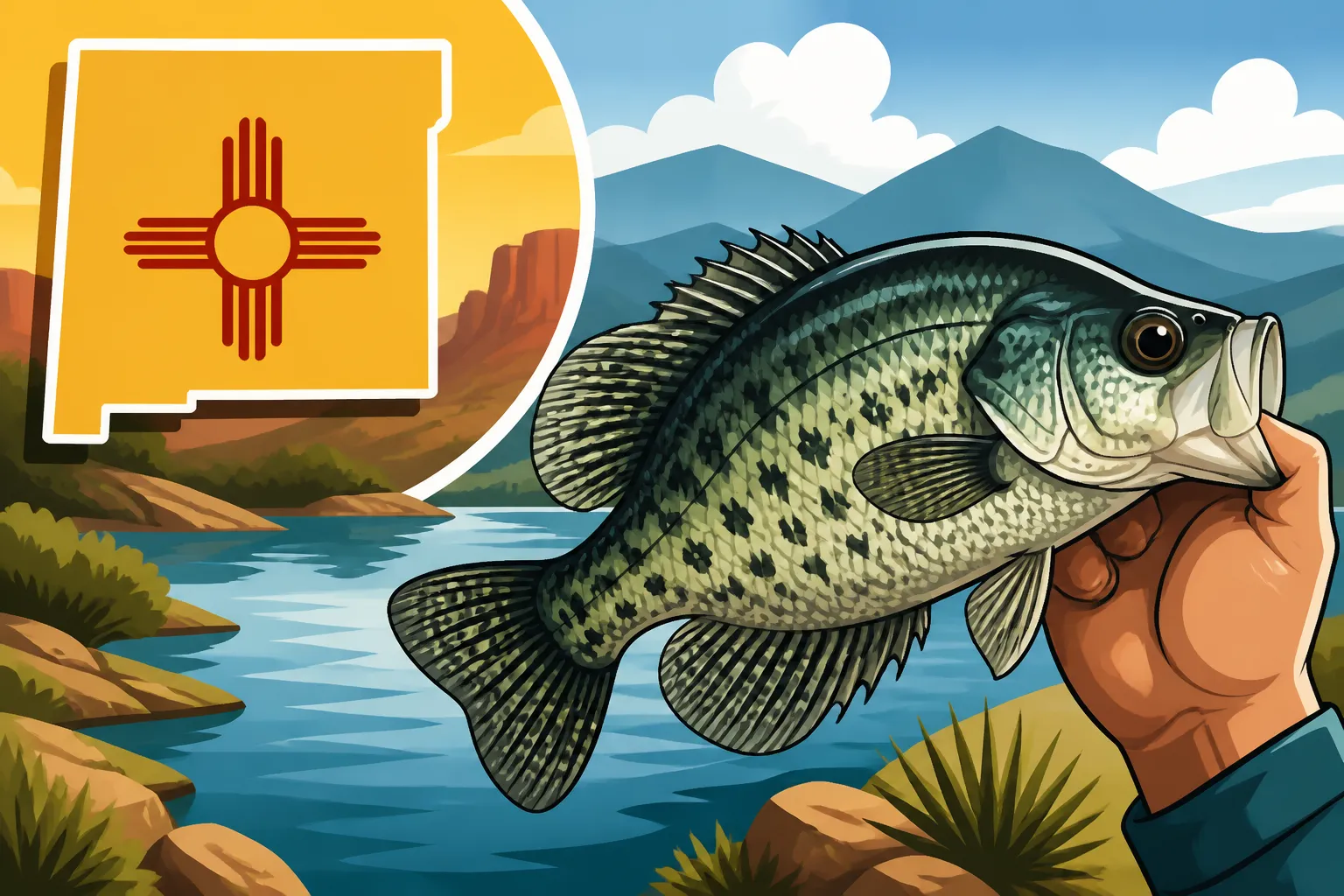
Before we dive into specific locations, let's take a moment to really understand what makes black crappie tick in New Mexico. Unlike their white crappie cousins, black crappie tend to prefer clearer water and more submerged vegetation or brush piles. They're often found around structure, patiently waiting to ambush smaller fish or insects. This preference shapes where you'll find them and how you'll approach catching them. Our New Mexico lakes, with their varying levels of clarity and structure, offer diverse habitats for these speckled beauties. Understanding their behavior is the first step to filling your livewell.
Habitat and Behavior of Black Crappie
Black crappie are ambush predators. They love to hang out around submerged trees, brush, rock piles, docks, and even artificial structures that anglers or wildlife management agencies have sunk. In lakes with clearer water, you might find them in deeper brush during the brightest parts of the day, moving shallower into coves or around points as the light fades or on overcast days. Their diet primarily consists of smaller fish, insects, and crustaceans, which is why baitfish imitations and small jigs work so well. They're also known to school up, especially during their spawning season, which can lead to some truly epic fishing days if you hit it just right. The challenge, of course, is locating those schools in the first place, especially in our expansive reservoirs. Knowing that they gravitate towards cover is key.
Seasonal Movements and Spawning
Crappie movements are heavily influenced by water temperature. In the spring, as water temperatures rise, black crappie will move into shallower coves and protected areas, often where there's some woody debris or emergent vegetation, to spawn. This is usually when they are most accessible to anglers, both from shore and by boat. After the spawn, they'll typically move back to deeper water, associating with submerged structure on main lake points or creek channels. During summer, they might suspend in open water over deep channels, or seek out thermal refuge near deep structure. Fall sees them becoming more active again, feeding heavily to prepare for winter, often moving back to shallower depths as the water cools. In winter, they'll hold in deeper parts of the lake, often near vertical structure or channels, but can still be caught with specialized techniques like ice fishing in lakes that freeze over. If you're planning a trip, knowing the New Mexico Fishing Season Dates and Limits is crucial for maximizing your chances.
Top New Mexico Lakes for Chasing Black Crappie
New Mexico offers some fantastic opportunities for crappie fishing, and while many lakes have both black and white crappie, a few consistently stand out for their black crappie populations. These lakes provide the ideal conditions that black crappie thrive in, from abundant forage to suitable habitat. It’s not always easy, but with patience and the right approach, these spots can yield some incredible fishing memories.
Elephant Butte Lake
Elephant Butte is New Mexico's largest reservoir, and it's a true gem for a variety of fish, including black crappie. While it’s famously known for its striped bass, the crappie here are often overlooked by anglers focused on bigger game, which can work to your advantage. The sheer size of Elephant Butte means there's a vast amount of diverse habitat, from rocky points to submerged brush. The crappie here tend to thrive in the clearer sections of the lake, particularly in the northern arms or in deeper coves where old brush and timber remain submerged. Fishing around standing timber, if the water levels allow, or targeting brush piles along old creek channels, can be incredibly productive. Anglers often find success drifting small jigs or live minnows over these structures. The key is finding those concentrated schools, which can be a real treasure hunt on such a massive body of water. Keep an eye out for submerged trees and brush along the shorelines, especially in the spring.
Ute Lake
Tucked away in eastern New Mexico, Ute Lake is another prime destination for black crappie. This lake is known for its excellent water quality and a good mix of structure, offering a fantastic environment for crappie. Unlike some of the other reservoirs, Ute often maintains good clarity, which black crappie prefer. Anglers often target the numerous submerged timber stands, ledges, and rocky points throughout the lake. The coves and smaller arms of the lake can be particularly productive during the spring spawn. Many local anglers have secret brush piles they've sunk over the years, which act as magnets for crappie. Using a fish finder to locate schools of crappie suspended over structure is incredibly helpful here. Small jigs tipped with minnows or soft plastics are tried-and-true methods. Ute Lake is a bit of a drive for many, but the consistent crappie action often makes it well worth the trip.
Conchas Lake
Conchas Lake, located northeast of Tucumcari, is a popular spot and another one that boasts a healthy population of black crappie. This lake features a diverse landscape, from steep canyon walls to expansive flats, providing a variety of habitats for crappie to utilize. Like Ute, Conchas can offer good water clarity in certain areas, particularly away from the main river channels after heavy rains. The key to finding black crappie here often involves locating submerged brush piles, old fence lines, and rocky ledges. The lake has several arms and coves that can hold crappie, especially during the spring migration into shallower waters. Anglers frequently have success drifting live minnows or vertical jigging small spoons and jigs around known structures. It's a lake where patience and persistence pay off, and exploring different depths and types of structure throughout the day can lead to a banner catch. If you're planning on staying for a while, you'll find Conchas Lake State Park Fishing Access makes for a comfortable basecamp.
Here’s a quick overview of these top crappie lakes:
| Lake | Primary Crappie Draw | Key Habitat for Black Crappie | Best Season for Crappie |
|---|---|---|---|
| Elephant Butte | Large population, diverse habitat | Submerged timber, brush piles, northern arms | Spring, Fall |
| Ute Lake | Consistent clarity, abundant structure | Submerged timber, ledges, rocky points | Spring, Fall |
| Conchas Lake | Diverse landscape, healthy population | Brush piles, old fence lines, rocky ledges | Spring, Fall |
Essential Tips and Techniques for New Mexico Black Crappie
Catching black crappie consistently requires a bit more finesse and understanding than some other species. They can be finicky eaters, and their preference for structure means you often need to put your bait right in front of them. Whether you're a seasoned angler or just starting out, refining your techniques will dramatically improve your success.
Gear Up: Rods, Reels, and Line
For black crappie, light tackle is your best friend. A good quality ultra-light or light action spinning rod, typically 5 to 7 feet long, paired with a small spinning reel spooled with 4 to 6 pound test monofilament or fluorocarbon line, is ideal. This setup allows for delicate presentations and can still handle a surprisingly strong crappie when it dives into cover. Many anglers prefer fluorocarbon leaders for its invisibility in clear water, especially when dealing with finicky fish. If you're looking for a new setup, you can often find great deals on specific ultra-light combos on sites like Amazon. For those who prefer to keep their tackle simple, a cane pole or a telescoping fiberglass rod can also be very effective for dipping jigs into tight cover. Best Rod Setup for New Mexico Trout Fishing often applies to crappie too, given their similar size and fighting style.
Jigs, Minnows, and Soft Plastics
When it comes to bait, the classics are classics for a reason. Small jigs, usually 1/32 to 1/8 ounce, in various colors (chartreuse, white, black, pink, and combinations thereof) are incredibly effective. Tipping these jigs with a small live minnow can be a deadly combination, especially when the bite is tough. Crappie jigs often have soft plastic bodies that mimic small baitfish or insect larvae. Experiment with different colors and sizes until you find what the crappie are keying in on that day. Small tubes, grubs, and tiny swimbaits are also excellent choices. Spider rigging, which involves using multiple rods with different bait presentations, can be very effective for covering water and finding what the crappie prefer. Remember, subtlety is often key with black crappie.
Finding and Fishing Structure
As mentioned, black crappie are structure-oriented fish. A good fish finder is an invaluable tool for locating submerged brush, timber, and ledges where crappie often school up. Once you've identified potential holding areas, approach quietly and try vertical jigging or slowly drifting your bait through the structure. Pay attention to your electronics for suspended fish arcs or bait balls. In shallower water, especially during the spawn, simply looking for visible cover like fallen trees, docks, or cattails can be productive. Don't be afraid to move around and try different depths until you find where the fish are holding. Crappie can often be concentrated in a very small area, so once you find one, there's a good chance there are more. For deeper dives into specific fishing tactics, check out Best Time to Fish New Mexico After Spring Runoff.
Preparing for Your New Mexico Crappie Fishing Adventure
A successful fishing trip isn't just about what happens on the water; it's also about what you do beforehand. From checking regulations to packing the right essentials, a little preparation goes a long way, especially when you're targeting a rewarding species like black crappie in New Mexico's diverse environments.
Licenses and Regulations
First and foremost, make sure your New Mexico Fishing License Guide is up to date. You'll need a valid New Mexico fishing license, and depending on where you're fishing and what you're targeting, you might also need a Habitat Management and Access Validation (HMAV) stamp. Always review the current New Mexico Fishing Regulations Overview for bag and possession limits for crappie, as these can vary by water body and change periodically. It’s your responsibility as an angler to know and follow these rules. Ignoring them can lead to fines and a ruined day on the water, so don't let that happen!
Essential Gear and Supplies
Beyond your rods, reels, and tackle, there are a few other items that are absolutely essential for a comfortable and productive crappie trip. Sun protection is paramount in New Mexico's intense sun; think wide-brimmed hats, polarized sunglasses (which help spot submerged structure), and sunscreen. A good cooler with ice is critical for keeping your catch fresh, especially if you plan on bringing some crappie home for dinner. Pliers for removing hooks, a small landing net, and a comfortable fishing chair if you're bank fishing, will make your day much more enjoyable. Don't forget plenty of water and snacks, too. For those long days out on the water, having a reliable fishing backpack to carry everything comfortably can make a huge difference, and you can find many options on Amazon.
Planning Your Trip: Timing and Conditions
Timing your crappie trip can significantly impact your success. As discussed earlier, spring and fall are generally considered the prime seasons for black crappie, when they are most active and accessible. However, they can be caught year-round with the right techniques. Pay attention to weather forecasts, including wind, which can make boat control difficult and muddy up shallow waters. Water levels, especially in our reservoirs, can fluctuate dramatically and affect fish behavior and access to certain spots. Checking the current conditions of your chosen lake before you go can help you plan your strategy. If you're heading to a lake known for specific fishing conditions, like the San Juan River Quality Waters Section for trout, remember that crappie will have their own preferences. A little research into recent fishing reports or calling a local bait shop can give you invaluable intel right before your trip.
Disclaimer
This article is for general informational purposes only and does not constitute professional advice. Laws, prices and regulations vary by location and change over time. Consult a qualified professional for guidance on your specific situation.