Are Goldfish a Problem in New Mexico Lakes?
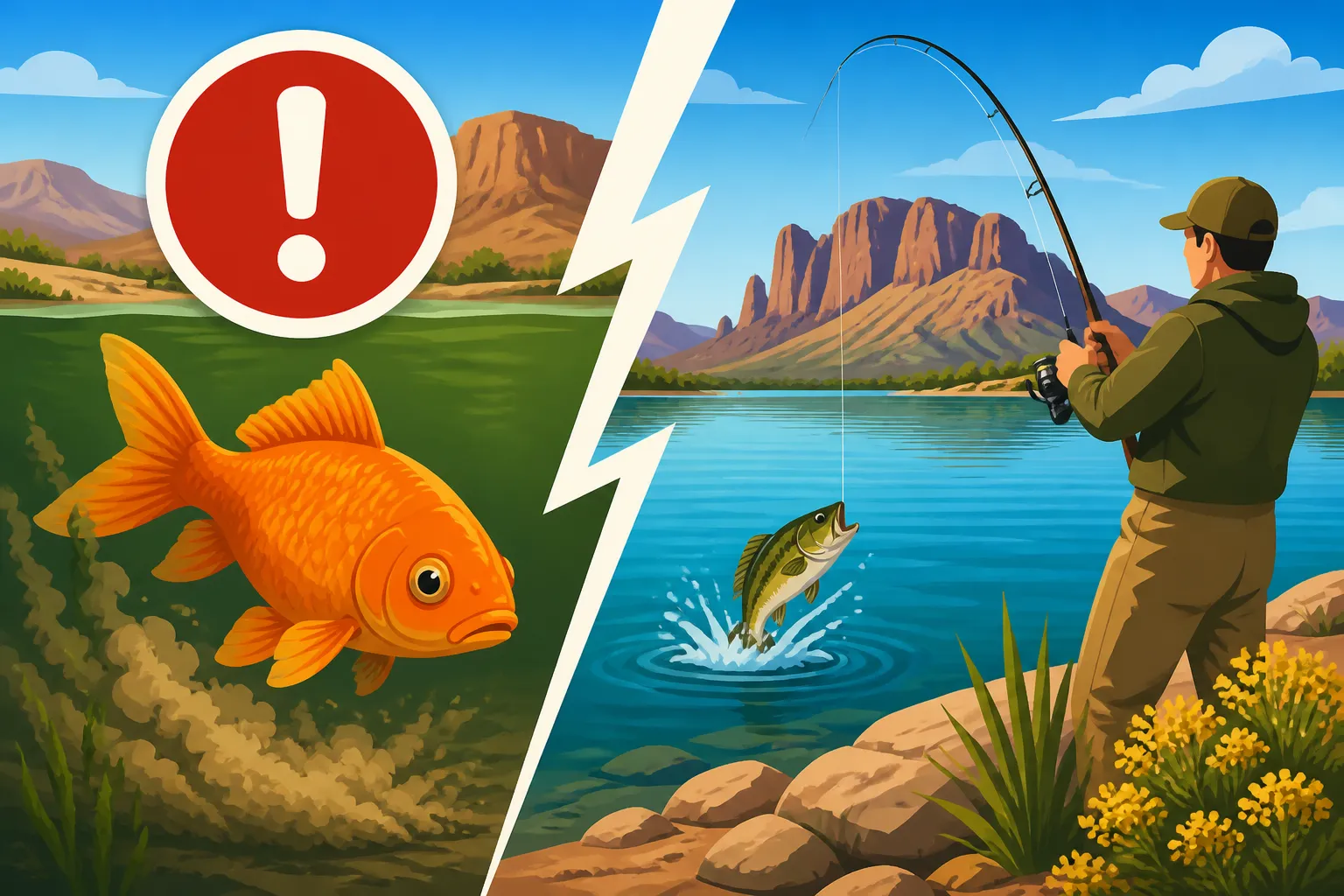
It's a scene many of us have encountered: strolling along a lake or pond in New Mexico, and there, swimming amongst the native minnows, is a flash of orange – a goldfish. You might wonder, "How did it get there?" and more importantly, "Is it causing any trouble?" This guide dives deep into why goldfish are indeed a serious concern for New Mexico's delicate aquatic ecosystems and what we can do about it.
The All-Too-Common Problem of Pet Release
The presence of goldfish in New Mexico's natural waterways isn't some strange natural phenomenon; it's almost always the direct result of people releasing their unwanted pets. It often starts with good intentions, or perhaps a lack of understanding about the consequences. A child wins a goldfish at a fair, or a family buys a few for a small aquarium, thinking they'll stay small and manageable forever. The reality, of course, is quite different.
The "Little Fish" That Grew Too Big
Goldfish, especially the comet varieties often sold in pet stores, are incredibly hardy and can grow much larger than most people anticipate. That little inch-long fish can, in the right conditions, reach lengths of a foot or more and live for decades. When it outgrows its tank or pond, or the owner simply tires of caring for it, the impulse might be to "set it free" into a nearby ditch, canal, or lake. The thought is often, "It'll be happier in nature," or "It's just one fish, what harm could it do?" This seemingly innocent act, however, has far-reaching and often devastating consequences for the existing ecosystem. This common misunderstanding is a critical factor in why we see these fish showing up in places like Bill Evans Lake or even parts of the Rio Grande.
Backyard Ponds and Accidental Escapes
It's not always intentional release, either. Many New Mexico homeowners enjoy backyard water features and ponds, often stocked with goldfish or koi. While beautiful, these ponds can, under certain circumstances, allow fish to escape. Heavy rains, flooding, or even breaches in pond liners can lead to ornamental fish finding their way into local drainages, which then connect to larger rivers and lakes. What started as a contained aquatic display can become an unintentional source of invasive species. Ensuring your backyard pond is properly sealed and protected from overflow is a crucial step in preventing these accidental introductions. For those setting up new pond systems, taking the time to research robust filtration and containment systems, easily found on retailers like Amazon, can save a lot of ecological heartache down the line.
Why Goldfish Are a Real Threat to New Mexico Waters
Goldfish (Carassius auratus) are not native to North America, let alone the arid and semi-arid landscapes of New Mexico. Like many non-native species, they possess characteristics that allow them to thrive and outcompete native fish, making them a significant threat to aquatic biodiversity and ecosystem health. Their hardiness and adaptability are a double-edged sword.
Unstoppable Breeders and Survivors
One of the primary reasons goldfish are such a problem is their incredible ability to survive and reproduce in a wide range of conditions. They can tolerate varying water temperatures, low oxygen levels, and poor water quality that would quickly kill many native species. This means they can survive in stagnant ditches, turbid ponds, and even cold-water environments if given time to adapt.
Once established, goldfish reproduce prolifically. Females can lay hundreds of thousands of eggs, and because they are so adaptable, a large percentage of those eggs can hatch and survive to adulthood. This rapid population growth can quickly overwhelm an ecosystem, leading to an explosion in goldfish numbers at the expense of other species. This is a common pattern observed with many Invasive Fish Species in New Mexico.
Voracious Eaters and Mudders
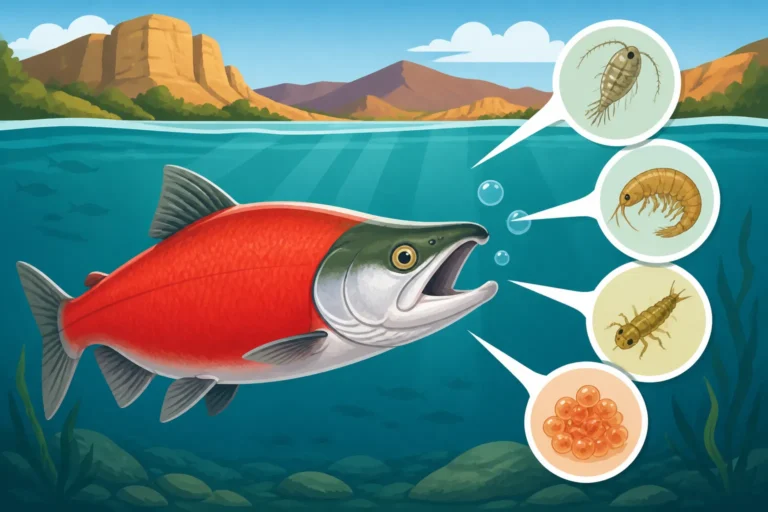
Goldfish are omnivores with a diverse diet. They will eat just about anything: aquatic insects, small crustaceans, fish eggs (including those of native fish), young fish, and a variety of aquatic plants. This broad diet means they directly compete with native species for limited food resources. Imagine a hungry crowd descending on a buffet; the native fish, who are often more specialized eaters, simply can't keep up.
Beyond direct competition, goldfish also contribute to habitat degradation through their feeding behavior. They are bottom feeders, constantly rooting around in the substrate in search of food. This activity stirs up sediment, increasing the turbidity of the water. Murky water reduces light penetration, which harms aquatic plants that form the base of the food web and provide critical habitat for other organisms. It also makes it harder for sight-feeding fish to find prey and can clog the gills of fish and invertebrates. A clear, vibrant lake can quickly become a muddy, less productive environment when goldfish populations boom.
Impacts on Native Fish Species and Habitat
The consequences of established goldfish populations ripple throughout the entire aquatic food web in New Mexico. From competition for resources to disease transmission, their presence can severely undermine the delicate balance of native ecosystems, some of which are already under stress from drought and habitat loss.
Outcompeting and Displacing Native Fish
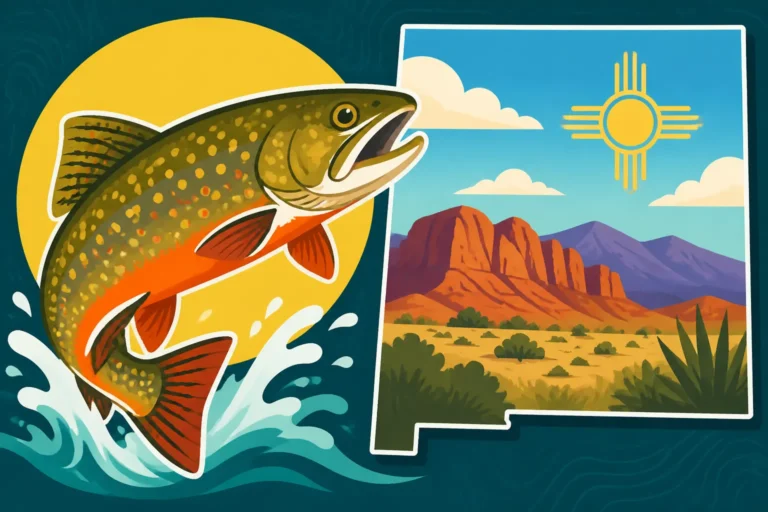
New Mexico is home to several unique and often sensitive native fish species, such as the Rio Grande Cutthroat Trout in New Mexico and the federally protected Gila Trout in New Mexico. These fish have evolved over millennia to thrive in specific conditions and often have specialized diets and habitat requirements. Goldfish, with their generalist diet and aggressive feeding habits, directly compete with these native species for food, especially insect larvae and small invertebrates.
Beyond food, goldfish can also outcompete native species for spawning habitat. Their sheer numbers and adaptability allow them to dominate prime breeding grounds, leaving less desirable areas for native fish. Over time, this intense competition can lead to declines in native fish populations, and in extreme cases, localized extinctions. The slow but steady displacement of native fish by invasive species is a serious concern for biologists across the state.
Disease Transmission and Hybridization Risks
Another significant, yet often unseen, danger posed by introduced goldfish is the potential for disease transmission. Fish brought from outside environments can carry pathogens, parasites, or diseases that native fish have no natural immunity to. A goldfish that appears healthy might be a carrier for a disease that could decimate a population of native trout or minnows.
While goldfish are not known to hybridize with New Mexico's native game fish like trout, they can crossbreed with other carp species, potentially creating hybrid forms that are even more robust and invasive. The introduction of any non-native species carries an inherent risk of disrupting the genetic integrity and health of existing fish communities. Protecting our native fish populations means preventing these introductions in the first place.
Here's a quick comparison of Goldfish vs. Native Fish characteristics in New Mexico waters:
| Characteristic | Native New Mexico Fish (e.g., Trout, Native Minnows) | Introduced Goldfish (Invasive) |
|---|---|---|
| Origin | Indigenous to New Mexico/North America | East Asia (Introduced) |
| Diet | Often specialized (insects, smaller fish, specific plants) | Generalist (insects, plants, eggs, small fish, detritus) |
| Hardiness/Tolerance | Specific habitat/water quality needs | Highly tolerant (low O2, varied temps, poor quality) |
| Reproduction | Often tied to specific seasonal cues, less prolific | Prolific, frequent spawners, high survival rate |
| Impact on Habitat | Maintain ecosystem balance | Increase turbidity, destroy vegetation |
| Disease Resistance | Evolved resistance to local pathogens | Can introduce new diseases, no immunity for natives |
| Competition | Balanced within ecosystem | Outcompetes natives for food and space |
What Anglers and Homeowners Can Do
Understanding the problem is the first step, but taking action is where real change happens. Whether you're a responsible pet owner or an avid angler, you have a role to play in protecting New Mexico's aquatic resources from invasive goldfish.
Responsible Pet Ownership is Key
The most crucial action is to never, ever release pet fish into natural waterways. This includes goldfish, koi, feeder minnows, or any other aquatic animal. If you find yourself with a pet fish you can no longer care for, here are some humane and responsible alternatives:
- Rehome it: Ask friends, family, or local pet stores if they can take the fish. Many aquatic hobbyist groups online might also be able to help find a new home.
- Donate to a school or public aquarium: Some educational institutions or small public aquariums might accept donations of healthy fish, especially larger specimens.
- Euthanasia: If no other options are available, humane euthanasia is preferable to releasing a fish to die slowly or cause ecological harm. Consult a veterinarian or local animal shelter for guidance on humane methods.
Remember, what might seem like a kind gesture of "freedom" is actually a death sentence for the fish and a threat to the ecosystem. For those considering starting a small aquarium or pond, it's wise to properly research the needs of the fish beforehand and invest in appropriate tank sizes and filtration, items that are easily accessible via Amazon.
Report Sightings and Learn the Regulations
If you spot goldfish or any other unusual fish species in a New Mexico lake, river, or pond, it's important to report it to the New Mexico Department of Game and Fish. They have programs in place to monitor and, where possible, remove invasive species. Providing accurate information about the location and number of fish seen can greatly assist their efforts.
Familiarize yourself with the New Mexico Fishing Regulations Overview and understand that releasing any animal into public waters is not only harmful but often illegal, carrying potential New Mexico Fishing Violations and Penalties. Anglers should also be diligent about cleaning their gear, boats, and waders to prevent the spread of aquatic invasive species, including microscopic organisms or fish eggs, between different bodies of water. This practice is detailed in guides like New Mexico Boat Registration for Anglers and is vital for protecting all our waters.
Support Conservation Efforts
Beyond individual actions, supporting organizations dedicated to aquatic conservation in New Mexico is vital. These groups work on habitat restoration, native fish stocking programs, and public education initiatives that directly address the threats posed by invasive species. Purchasing a New Mexico Habitat Management and Access Validation Stamp, for example, directly contributes to funding these types of critical conservation projects across the state. By being informed, responsible, and proactive, we can all play a part in preserving the health and biodiversity of New Mexico's precious aquatic ecosystems for generations to come.
Disclaimer
This article is for general informational purposes only and does not constitute professional advice. Laws, prices and regulations vary by location and change over time. Consult a qualified professional for guidance on your specific situation.