Fish Species Living in the Gila River
Many anglers dream of exploring the wild, untouched beauty of New Mexico's Gila River, but understanding the diverse aquatic life thriving within its currents can feel like navigating a maze. From ancient native species clinging to survival to the more recently introduced game fish, the Gila's ecosystem is complex and fascinating. This guide is designed to peel back the layers, helping you discover the array of fish species that call the Gila home and understand their roles in this unique desert river system, preparing you for a more informed and respectful angling adventure.
The Unique Ecosystem of the Gila River and Its Fish
The Gila River, particularly its headwaters and main stem within the Gila National Forest, is a true gem in New Mexico. It's not your typical wide, slow-moving river; instead, it's a mosaic of freestone sections, deep pools, riffles, and fluctuating flows that present both opportunities and challenges for its aquatic inhabitants. This wild and often remote character shapes the very existence of the fish that live here, creating a dynamic environment unlike many other fisheries in the state.
A Lifeline in the Desert: What Makes the Gila Special
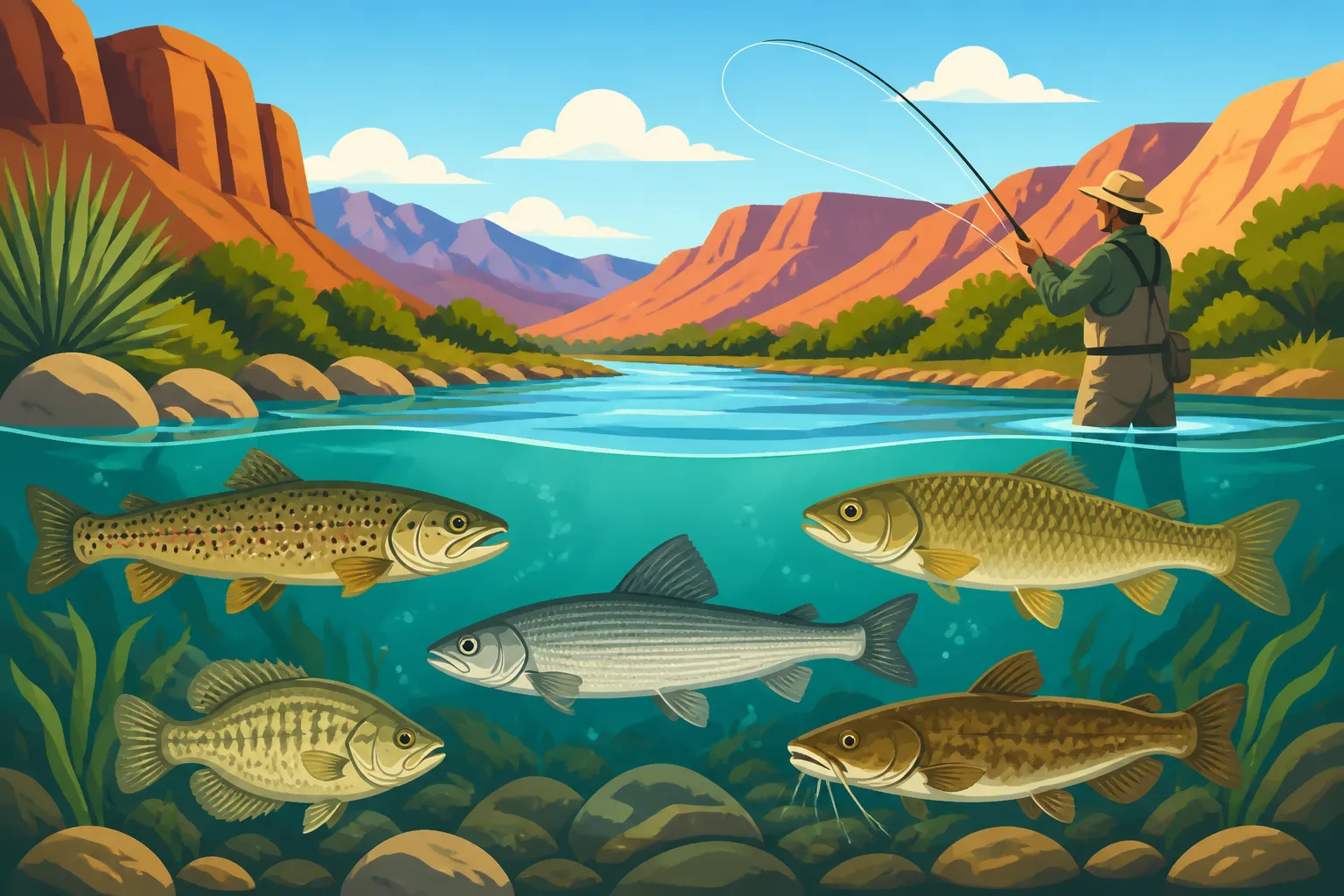
Imagine a ribbon of life winding through vast, arid landscapes, carving canyons and nourishing pockets of lush riparian habitat – that's the Gila River. Its unique geography, with significant elevation changes from mountain springs to lower desert stretches, creates distinct zones where different fish species thrive. The cooler, higher elevation tributaries offer crisp, oxygen-rich waters that are perfect for trout, while the warmer, broader lower sections become havens for species more tolerant of heat and slower currents. This incredible natural diversity means that fishing one stretch of the Gila can feel entirely different from another, demanding varied approaches and a keen understanding of the specific environment you're in.
However, life here isn't always easy. The Gila experiences significant seasonal variations, from powerful spring runoff that scours riverbeds to drought conditions that can reduce mighty flows to a trickle. Fish must adapt to these dramatic shifts in water levels, temperature, and food availability. Predator species, both avian and mammalian, also play a significant role, adding another layer of challenge. Understanding these environmental pressures helps you appreciate the resilience of the Gila's fish and why conservation efforts are so vital. If you're planning a trip to this incredible waterway, you'll want to dive deeper into the overall Gila River Fishing experience.
Native vs. Non-Native Species: A Delicate Balance
The fish community of the Gila River is a blend of the ancient and the introduced, a delicate balance that conservationists work tirelessly to maintain. Native fish are those species that evolved in this specific ecosystem, adapting over millennia to its unique conditions. They are the true inhabitants, perfectly suited to the ebb and flow of the Gila. Their presence is a strong indicator of the river's ecological health, reflecting a natural and functioning system. These species are often smaller, less flamboyant, but incredibly resilient.
Unfortunately, like many rivers across the West, the Gila has also seen the introduction of non-native species. Some of these were stocked decades ago to provide sport fishing opportunities, while others arrived unintentionally, perhaps as bait bucket releases or migrating from connected waterways. While many of these introduced species offer exciting angling, their presence can sometimes disrupt the delicate balance. They might compete with native fish for food and habitat, prey on native fry, or even alter the river environment in ways that harm indigenous populations. This creates a complex management challenge, where agencies strive to provide recreational opportunities while also protecting the irreplaceable native fauna.
Spotlight on Native Fish of the Gila River
The heart and soul of the Gila River's aquatic ecosystem lie with its native fish. These species represent a living history, perfectly adapted to the challenges and opportunities presented by this arid landscape. Protecting them is a cornerstone of responsible stewardship of the river.
The Iconic Gila Trout and Its Recovery Story
Without a doubt, the most famous native fish of the Gila River is the Gila Trout (Oncorhynchus gilae). This beautiful, olive-gold trout, often adorned with black spots, is truly special. Once on the brink of extinction due to habitat loss, hybridization with rainbow trout, and competition from non-native species, the Gila Trout has become a symbol of successful conservation. Its recovery is a testament to dedicated efforts by biologists and concerned anglers. These fish typically inhabit the cooler, higher elevation headwaters and pristine tributary streams, preferring clear, cold water with plenty of overhead cover and a gravel bottom for spawning. They are ambush predators, feeding on aquatic insects, small terrestrial insects that fall into the water, and even tiny minnows.
Anglers seeking Gila Trout are often driven by a passion for conservation and the unique experience of targeting such a rare fish. Fishing for them typically occurs in remote, often hike-in areas, requiring a bit of an adventure. Regulations are usually very strict, often mandating catch and release, artificial lures only, and sometimes even barbless hooks to minimize stress on the fish. You'll definitely want to understand How to Catch Gila Trout Without Harming the Population before you go. The satisfaction of spotting one of these rare beauties darting out from under a log, feeling its delicate strike, and then gently releasing it, knowing you've played a part in its survival, is truly unmatched. It's a reminder of the preciousness of wild places and native species. It's also worth knowing Where You Can Legally Fish for Gila Trout as designated recovery waters have specific access and fishing protocols.
Other Resilient Natives: Minnows, Suckers, and More
While the Gila Trout often steals the spotlight, many other native species form the foundation of the river's food web. These include a variety of minnows and suckers, which might not be sport fish in the traditional sense, but are absolutely vital to the ecosystem's health. Species like the Sonora Sucker, Desert Sucker, Speckled Dace, and Longfin Dace are incredibly hardy and adaptable, thriving in conditions that would stress many other fish. The Sonora Sucker, for instance, can often be found grazing on algae and detritus on the river bottom, playing an important role in nutrient cycling. The Desert Sucker has an impressive ability to survive in fluctuating water conditions, often migrating to deeper pools during dry spells.
Then there's the Roundtail Chub, a fascinating native sport fish that, while not a trout, provides an exciting challenge. Chubs are sleek, olive-colored fish that can grow surprisingly large in good conditions, often found in deeper pools and runs, preying on insects and smaller fish. These native non-game species might not get the same attention as trout, but they are crucial food sources for larger predators, including the Gila Trout itself, as well as birds of prey and mammals that rely on the river. Understanding their presence gives you a much fuller picture of the Native Fish Species of New Mexico and the Gila's incredible biodiversity.
| Fish Species | Native/Non-Native | Typical Gila Habitat | Conservation Status / Angling Notes |
|---|---|---|---|
| Gila Trout | Native | Cold, clear headwater streams, high elevation | Federally protected, catch & release often required, artificial lures |
| Sonora Sucker | Native | Riffles, runs, and pools, various elevations | Important forage fish, algae grazer |
| Speckled Dace | Native | Small streams, riffles, often tolerant of warmer water | Important forage fish, insectivore |
| Roundtail Chub | Native | Larger pools, runs, deeper sections | Fun sport fish on light tackle, insect and small fish predator |
| Rainbow Trout | Non-Native | Cooler, stocked sections, higher elevations | Popular sport fish, widely stocked |
| Brown Trout | Non-Native | Cooler, structured sections, can be wild | Popular sport fish, known for being wary and large |
| Smallmouth Bass | Non-Native | Warmer, rocky sections, pools | Aggressive sport fish, good fighting qualities |
| Channel Catfish | Non-Native | Warmer, slower, deeper pools, lower elevations | Popular food fish, often targeted at night |
Non-Native (Introduced) Fish Species in the Gila
While the focus on native species is paramount for conservation, the Gila River also offers opportunities to target a variety of non-native fish. These species were often introduced to provide additional sport fishing recreation, and they have adapted well to certain sections of the river.
Game Fish That Call the Gila Home (for Better or Worse)
In the appropriate sections of the Gila River, particularly in areas that have been stocked or where conditions allow for naturalized populations, you can find popular game fish. Rainbow Trout are a common sight, especially in the more accessible, cooler stretches where they are frequently stocked by the New Mexico Department of Game and Fish. These vibrant, hard-fighting fish provide excellent sport for anglers of all skill levels. They often respond well to a variety of baits and lures, from PowerBait and worms to spinners and flies. For those looking to entice these stocked beauties, a quick browse on Amazon can reveal a vast selection of Best Lures for New Mexico Trout that are perfectly suited for the Gila's conditions.
You might also encounter Brown Trout, especially in sections where conditions mimic their preferred European habitats. Brown trout are known for being warier and often growing to larger sizes than rainbows, offering a more challenging angling experience. Further downstream, in the warmer, wider sections of the Gila, particularly those with rocky structure, Smallmouth Bass have established themselves. These feisty fish are incredible fighters, known for their powerful runs and aerial acrobatics. They eagerly strike at small crankbaits, jigs, and soft plastics. Knowing the Smallmouth Bass Average Size in New Mexico Lakes can give you an idea of what to expect from their riverine counterparts. While these species offer fantastic fishing, it’s important to remember their impact on native species, especially when fishing areas where both native and non-native fish coexist.
Alongside these, Channel Catfish are prevalent in the slower, deeper, warmer pools of the lower Gila. These whiskered bottom-dwellers are a favorite target for many, especially those looking for a delicious meal or a strong tug on the line. They are often caught using stink baits, cut bait, or worms, and are particularly active during the evening and nighttime hours. Targeting these introduced game fish can be a rewarding experience, providing plenty of action and a different kind of challenge compared to the delicate approach often required for native trout.
Rough Fish and Aquatic Invaders
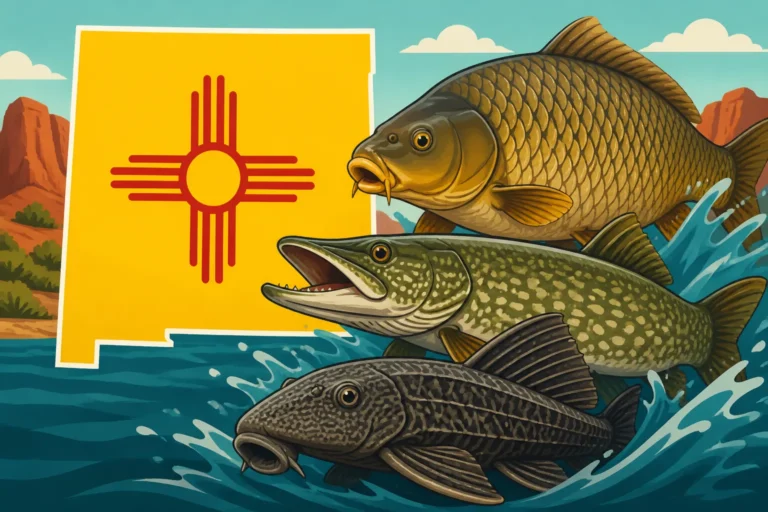
Beyond the popular game fish, the Gila River, like many river systems, hosts a number of what are often termed "rough fish" or aquatic invaders. These include species such as Common Carp and various types of sunfish that, while sometimes offering casual angling opportunities, are generally not desirable from an ecological standpoint. Common Carp, for instance, are highly adaptable, bottom-feeding fish that can disturb sediments, uproot aquatic vegetation, and reduce water quality, potentially impacting the habitat of native species. They are incredibly prolific and can outcompete native fish for resources.
Other species, like Green Sunfish, which are members of the panfish family, are also common in many areas. While fun for kids to catch, they can also outcompete native minnows and dace for food and space, and their aggressive nature can impact native fry. The presence of these non-native rough fish often points to altered habitats, such as warmer water or increased sedimentation, which favor them over the more sensitive native species. Responsible anglers understand that while these fish are present, the overall goal in the Gila should always be to support and protect the precious native populations. It’s a delicate ecosystem, and every fish plays a part, for better or worse.
Angling Considerations and Conservation on the Gila River
Fishing the Gila River is more than just catching fish; it's an immersive experience in a truly wild landscape. To ensure this incredible resource remains healthy for generations to come, thoughtful angling practices and a strong conservation ethic are essential.
Fishing the Gila: Regulations and Best Practices
Before you even tie a knot, understanding the specific rules and regulations for the section of the Gila River you plan to visit is absolutely critical. The Gila National Forest covers vast and varied terrain, and different stretches of the river can have vastly different regulations, particularly concerning native species like the Gila Trout. These rules can dictate everything from tackle type (e.g., artificial lures only, single barbless hooks) to bag limits and even whether fishing is permitted at all in certain sensitive recovery areas. Consulting the current New Mexico Fishing Regulations Overview published by the state game and fish department is your first and most important step. Regulations are put in place to protect the ecosystem, and adhering to them is non-negotiable for a responsible angler.
Beyond the letter of the law, embracing best practices is a hallmark of ethical angling on the Gila. This means practicing Catch and Release Best Practices in New Mexico, especially for native species and larger trout. Minimize handling time, keep fish in the water as much as possible, and use a rubberized landing net to protect their delicate slime coat. You can find excellent, fish-friendly nets on Amazon that help reduce harm. It also means leaving no trace: packing out all your trash, staying on designated trails where possible, and respecting the solitude and beauty of the wilderness. Being prepared with the right gear, from sturdy wading boots to a backpack stocked with essentials (first-aid, water, snacks), is also part of being a responsible angler in such a remote setting. If you're new to fishing, looking into What Gear Beginners Need to Start Fishing in New Mexico will give you a solid foundation for your Gila adventure.
Protecting the Gila's Future: What Anglers Can Do
The future of the Gila River's unique fish populations largely depends on the actions of those who appreciate it most – the anglers. Each one of us has a role to play in protecting this precious resource. First and foremost, educate yourself. Learn to identify the different species, particularly the native Gila Trout versus other trout, such as how to distinguish it from the How to Identify a Rio Grande Cutthroat Trout (another native species found in New Mexico, though not typically in the Gila). Understanding what you're catching allows you to apply the correct regulations and practice appropriate handling. This knowledge empowers you to be a steward, not just a visitor.
Furthermore, consider becoming involved in conservation efforts. Many local and national organizations work to protect the Gila River and its native species. Simple actions, like reporting any suspicious activity or New Mexico Fishing Violations and Penalties you observe, can make a significant difference. Participate in river cleanups, support organizations dedicated to Gila Trout recovery, or simply spread the word about responsible angling practices. The Gila River is a wild and magnificent place, a sanctuary for both fish and humans. By fishing mindfully and respecting its delicate balance, we ensure that its vibrant aquatic life continues to thrive for future generations of anglers to discover and cherish. Exploring the smaller streams and knowing How to Fish Small Streams in the Gila National Forest can also deepen your appreciation for this special ecosystem.
Disclaimer
This article is for general informational purposes only and does not constitute professional advice. Laws, prices and regulations vary by location and change over time. Consult a qualified professional for guidance on your specific situation.