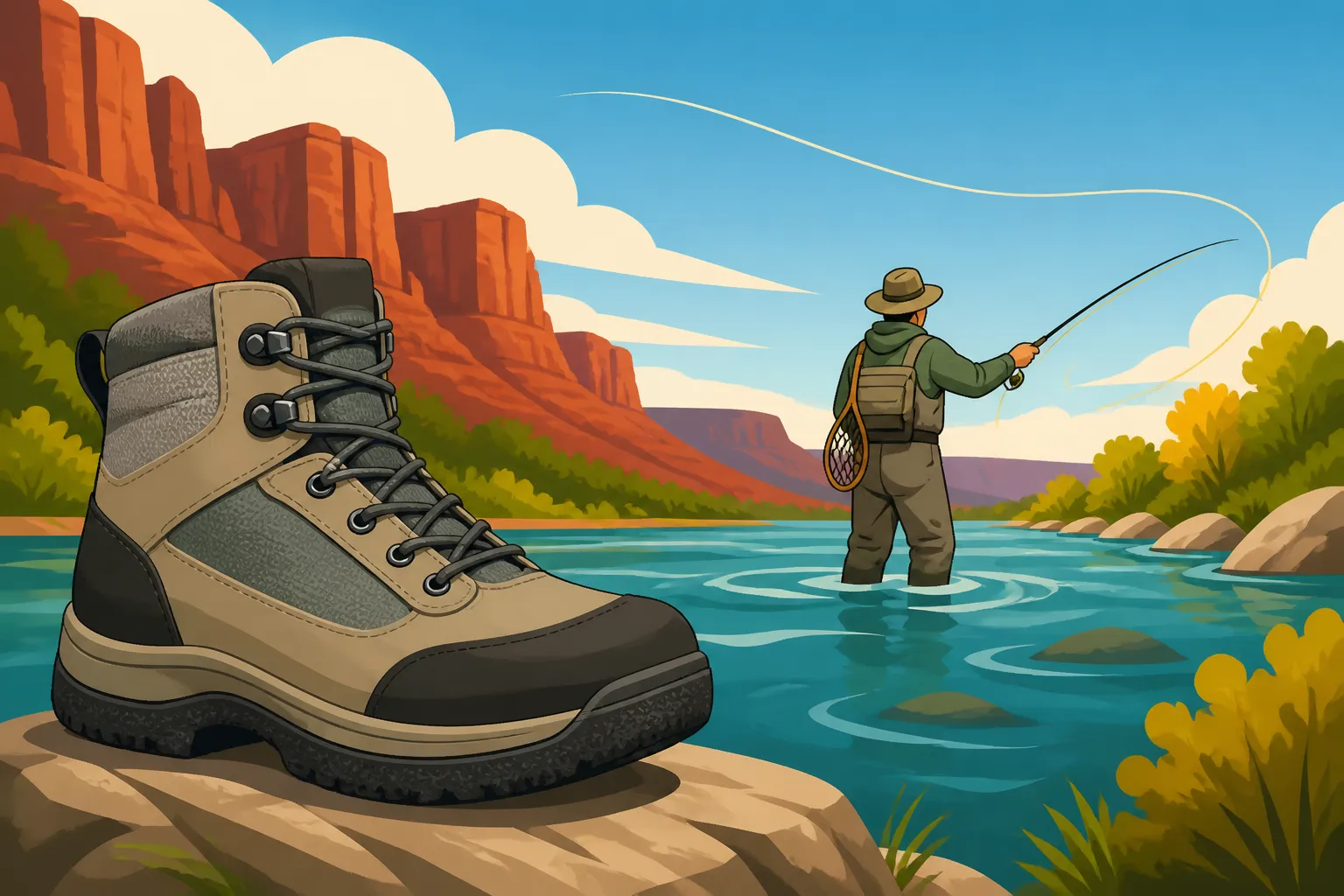
Best Wading Boots for New Mexico’s San Juan River
Stepping into the famed waters of the San Juan River in New Mexico is an experience unlike any other, but if you've ever felt that heart-stopping slip on an algae-covered rock, you know that the wrong footwear can quickly turn a dream trip into a precarious scramble. This isn't just about comfort; it's about safety, stability, and truly enjoying one of the best trout fisheries in the country. This guide is dedicated to helping you navigate the sometimes treacherous, often stunning, San Juan riverbed by choosing the absolute best wading boots for your adventure.
Understanding the San Juan River's Unique Environment
The San Juan River, particularly its world-renowned Quality Waters section below Navajo Dam, is a fly angler's paradise, but it's also a challenging environment for wading. The riverbed, the water conditions, and the weather all play a significant role in determining what kind of wading boots will serve you best. It's not just about getting wet; it's about maintaining your footing in sometimes strong currents and on notoriously slick surfaces.
The Notorious Slippery Riverbed
If you've spent any time on the San Juan, you'll know exactly what I'm talking about: those smooth, rounded river rocks covered in a fine, almost invisible layer of algae. It's like walking on greased bowling balls. This isn't your average gravel-bottomed stream. The consistent, cold water temperatures from Navajo Dam provide a perfect environment for algae growth, making the bottom incredibly slick. Without adequate traction, even experienced waders can find themselves taking an unplanned dip. This unique characteristic is often the primary factor that dictates boot choice for many San Juan regulars. You need something that will grip, bite, and hold, giving you confidence with every step, rather than leaving you guessing if your next stride will send you tumbling.
Variable Water Flows and Depths
The San Juan River's flow is managed by Navajo Dam, which means water levels can change. While typically consistent in the Quality Waters, releases can vary, affecting current speed and depth. What might be an easy crossing one day could be a swift, waist-deep channel the next. This variability demands boots that not only offer superior grip but also provide excellent ankle support to prevent twists and sprains when navigating uneven terrain under powerful currents. A stable boot can make all the difference when you're focusing on that perfect drift and suddenly find yourself in a deeper, faster pocket of water. The last thing you want is to lose your balance when you've got a trophy trout on the line.
Year-Round Fishing and Temperature Considerations
One of the beauties of the San Juan is its year-round fishability. However, "year-round" means experiencing everything from scorching summer days to bitter winter freezes. The water itself, being a tailwater, remains consistently cold, often in the 40s or 50s, regardless of ambient air temperature. This cold water requires proper insulation in your waders, which then impacts the fit of your wading boots. If you plan to fish in colder months, you'll likely be wearing thicker socks or insulated wader booties, which means your boots need to accommodate that extra bulk without feeling too tight or restrictive. Comfort over a full day of wading, whether it's 20 degrees or 80 degrees Fahrenheit, is paramount, and the right boot-and-wader combination is key to staying warm and dry.
Essential Features of High-Performance Wading Boots
Choosing the right wading boots for the San Juan River isn't just about picking the first pair you see. It involves a thoughtful consideration of several key features that contribute to safety, comfort, and durability in this particular environment. You're looking for gear that acts as an extension of your body, providing reliable footing so you can focus on fishing.
Superior Traction for Slippery Surfaces
This is arguably the most critical feature for San Juan River wading boots. As mentioned, the riverbed is notoriously slick due to algae and smooth rocks. You need an outsole that provides maximum grip. While we'll dive deeper into specific sole types shortly, understand that anything less than exceptional traction will leave you feeling unstable and unsafe. Many experienced anglers opt for a combination of felt and studs, or highly aggressive rubber with built-in or added studs. Brands often incorporate proprietary rubber compounds designed to stick to wet, slick surfaces, which can be a game-changer. Think of it like high-performance tires for your feet; they need to grab onto every tiny imperfection in the rock.
Robust Ankle Support and Stability
Wading in uneven, rocky rivers with varying current speeds puts a lot of stress on your ankles. A good pair of wading boots for the San Juan will offer substantial ankle support, often extending higher up the ankle than a typical hiking boot. This support helps prevent twists and sprains, especially when you're stepping blind into deeper water or navigating around submerged obstacles. Look for boots with stiff midsoles and well-padded collars that cradle your ankle without restricting movement. Lace-up systems that allow for a snug, customizable fit around the ankle are also highly beneficial. You want to feel connected to the ground, with your feet and ankles working together to keep you upright.
Durable Construction and Materials
The San Juan River can be hard on gear. Boots constantly scrape against rocks, get soaked, dry out, and get soaked again. This cycle demands boots made from highly durable materials that can withstand abrasion, punctures, and constant moisture. Synthetic leather, robust nylon, and reinforced toe and heel caps are common in quality wading boots. Stitching should be heavy-duty and reinforced, often with glue or welding, to prevent seams from failing. Think about the overall build: are they constructed to take a beating season after season? Investing in a well-made boot now will save you the frustration and cost of premature replacement down the line. You're looking for boots that feel substantial and capable of enduring the rigors of frequent river excursions.
Effective Drainage and Quick-Drying Properties
While your waders keep you dry, your boots will be constantly submerged. Effective drainage is important for shedding water quickly when you exit the river, preventing your boots from feeling heavy and waterlogged. Good drainage also contributes to quicker drying times off the water, which is crucial for preventing mold, mildew, and unpleasant odors, especially if you're on a multi-day trip or storing your gear. Look for boots with multiple drainage ports or mesh panels that allow water to escape efficiently. Materials like synthetic leather and hydrophobic fabrics also help in the drying process. A boot that dries quickly also reduces the risk of transporting aquatic invasive species, a critical concern in many fisheries.
Types of Outsoles for San Juan River Wading
The outsole of your wading boot is where the rubber (or felt) meets the river. For the San Juan, this choice is monumental. Each type of sole has its champions and its detractors, and often, the best solution involves a combination or a clear understanding of your personal wading style and the specific conditions you'll encounter.
Felt Soles: The Traditional Gripper
Felt soles have long been the go-to for river anglers, and for good reason: they offer exceptional grip on slick, algae-covered rocks. The soft, fibrous material essentially molds to the contours of the rocks, providing a wide surface area for friction. On the San Juan, many anglers swear by felt for its unparalleled stickiness on those treacherous, smooth stones. When properly maintained, a good felt sole can make you feel incredibly secure in fast currents.
However, felt soles come with significant drawbacks. They tend to wear down faster than rubber, especially if you do a lot of hiking on trails or pavement to reach your fishing spots. They also absorb and hold water, making them slower to dry and potentially heavier. More importantly, felt is a notorious vector for aquatic invasive species, as it can harbor microscopic organisms. Due to this environmental concern, some states and specific bodies of water have banned felt soles entirely. While they are still permitted on the San Juan River, responsible anglers using felt must meticulously clean and dry their boots between trips to prevent the spread of harmful invasives. If you opt for felt, ensure you're committed to rigorous cleaning protocols.
Rubber Soles: The Modern All-Arounder
Rubber soles have seen immense technological advancements in recent years, making them a strong contender and often a more versatile choice. Modern wading boots with specialized rubber compounds are designed to provide excellent wet-surface traction without the environmental concerns of felt. Brands like Simms with their Vibram Idrogrip or Orvis with their Orvis proprietary rubber have developed patterns and compounds that grip well on a variety of surfaces, from slick rocks to muddy banks and dry trails.
The primary advantage of rubber is its durability and versatility. You can comfortably hike to your favorite spot, wade the river, and then hike back without worrying about excessive wear or tracking mud. They dry faster and are easier to clean, significantly reducing the risk of spreading aquatic hitchhikers. While some argue that plain rubber can't quite match felt's "stickiness" on extreme algae, many anglers find that the grip is more than sufficient, especially when combined with a well-designed lug pattern. For those who want one boot that does it all, a high-quality rubber sole is often the best choice.
Studded and Combination Soles: Maximum Security
For the ultimate in traction on the San Juan, many anglers turn to studded soles or rubber soles that accept studs. Studs, often made of hardened steel or tungsten carbide, provide an aggressive bite into slick surfaces, ice, and soft riverbeds. They literally dig into the algae and rock, offering a level of security that can be unmatched. This is particularly valuable in fast currents or when navigating particularly difficult sections of the river.
You'll find several variations:
- Rubber with integrated studs: Some boots come with studs permanently molded into the rubber outsole.
- Rubber with screw-in studs: This allows you to customize your traction. You can add studs only where you need them, replace worn ones, or remove them for certain situations (like when walking on delicate boat decks). This flexibility is highly valued by many. You can purchase stud kits from companies like Korkers or other wading boot manufacturers.
- Felt with studs: This combines the natural stickiness of felt with the aggressive bite of studs, offering arguably the best all-around grip for the San Juan's specific challenges. However, the same environmental concerns and wear issues of felt still apply.
While studs provide phenomenal grip, they also have considerations. They can damage boat decks, vehicle interiors, and floors if you're not careful. They can also be noisy on dry land. However, for sheer wading confidence on the San Juan, a studded option is incredibly effective. For those wondering about the rules, a Do You Need Studded Boots for the San Juan River? question might naturally arise, and the answer typically relates to personal preference and safety rather than a strict regulation, assuming they don't damage property.
| Sole Type | Pros | Cons | Ideal San Juan Use Case |
|---|---|---|---|
| Felt | Excellent grip on slick, algae-covered rocks | Wears quickly, slow to dry, high risk of spreading aquatic invasives, limited dry land traction | Dedicated wading in extremely slick conditions, diligent cleaning required |
| Rubber | Durable, versatile, dries faster, easier to clean, good for hiking, lower invasive species risk | May not match felt's grip on extreme algae without studs | All-around use, frequent hiking, environmentally conscious anglers |
| Studded Rubber | Superior grip on all riverbed types, excellent in current and on ice | Can damage boat decks/floors, heavier, noisy on dry land, studs may wear/fall out over time | Maximum security in all challenging San Juan conditions, especially fast current |
| Felt + Studs | Combines best of both for ultimate wet grip | All cons of felt (wear, invasives) plus cons of studs (damage, weight); requires careful cleaning | Anglers prioritizing grip above all else, willing to manage maintenance |
Material and Construction: Beyond the Sole
While the outsole gets a lot of attention, the materials and construction of the boot's upper and mid-sections are equally important for overall performance, durability, and comfort on the San Juan River. These elements contribute to how long your boots last, how comfortable your feet are after a long day of wading, and how well they stand up to the unique challenges of the environment.
Synthetic Materials for Durability and Drying
The vast majority of modern wading boots are constructed from synthetic materials. This isn't just a cost-saving measure; it's a performance choice. Materials like heavy-denier nylon, synthetic leather, and reinforced rubber are highly resistant to abrasion, tears, and water absorption. Unlike traditional leather, synthetics don't stiffen or crack as readily after repeated wetting and drying cycles, and they tend to dry much faster. This quick-drying property is essential for preventing funk and mildew, especially when you're packing up gear or heading out for multiple days of fishing.
Look for boots that feature strategic reinforcement in high-wear areas, such as the toe box, heel, and sides. A good quality synthetic boot will often have welded seams or very tightly stitched, reinforced seams to prevent water intrusion and prolong the boot's life. Think about the rough and tumble nature of river wading—bumping against rocks, getting scraped by submerged branches. Your boots need to be tough enough to handle it all without falling apart.
The Importance of a Solid Midsole and Shank
Beneath your foot, inside the boot, lies the midsole and a component called a shank. These elements are critical for comfort and support, especially when standing for hours on uneven river bottom. A stiff, supportive midsole, often made of EVA foam or similar materials, provides cushioning and absorbs some of the impact of walking on rocks. More importantly, it helps prevent fatigue by distributing pressure evenly across your foot.
The shank, typically a piece of rigid material (plastic or fiberglass) embedded in the midsole, prevents the boot from flexing excessively in the arch. This rigidity is invaluable for stability when wading. Without a proper shank, your feet would feel every sharp rock and your arches would ache from the constant uneven pressure. A good shank provides torsional rigidity, meaning the boot resists twisting, which is key to maintaining balance in current. When trying on boots, pay attention to how much flex you feel in the midfoot – less flex generally means more support.
Corrosion-Resistant Hardware and Lacing Systems
The hardware on your wading boots, such as lace eyelets, D-rings for gravel guards, and any buckles, will be constantly exposed to water. Saltwater anglers know this well, but even in freshwater, prolonged moisture can cause standard metals to corrode. High-quality wading boots for the San Juan will feature corrosion-resistant hardware, typically made from stainless steel, brass, or durable plastics. This ensures that your lacing system remains functional and durable over time.
Lacing systems themselves vary. Traditional laces offer a customizable, secure fit that many prefer. However, they can sometimes come undone or accumulate debris. Some boots feature alternative systems, like the Boa system, which uses a dial and steel cables for quick, even tightening and easy release. While convenient, some anglers prefer traditional laces for their reliability and ease of field repair. Consider what works best for you: the adjustability of traditional laces or the speed and convenience of a Boa system. Ultimately, the system should allow you to get a snug, supportive fit that stays put throughout your fishing day.
Finding the Perfect Fit: Sizing and Comfort
Even the most technologically advanced wading boot won't perform well if it doesn't fit correctly. A poor fit can lead to discomfort, blisters, loss of stability, and ultimately, a miserable day on the water. Getting the sizing right, especially when factoring in your waders, is a crucial step in choosing the best boots for the San Juan River.
Sizing for Waders and Neoprene Socks
This is where most people make mistakes. Wading boots are not sized like your regular street shoes. They are designed to be worn over the neoprene booties of your waders, and often, with a pair of thick wading socks for insulation and comfort. This means you typically need to size up from your normal shoe size.
A common rule of thumb is to go one full size larger than your street shoe size. However, if you have particularly bulky wader booties, plan to wear very thick wool socks in winter, or have wide feet, you might even need to go up a size and a half or two full sizes. The goal is to have enough room for your foot, wader bootie, and socks without feeling cramped or pinched, but also without excessive slop that causes your foot to slide around. If you’re planning a trip to a Bass Pro Shops or other fly shop, bring your waders and the socks you typically wear to ensure a proper try-on.
Trying Boots On: The In-Store Test
Buying wading boots online, while convenient (especially from retailers like Amazon), can be tricky due to the sizing complexities. If possible, always try on wading boots in person. And here’s the key: wear your actual waders and the thickest socks you plan to use.
When trying them on:
- Slide your foot in with your waders: Make sure the neoprene bootie slides in easily without bunching.
- Lace them up snugly: Ensure a secure fit around the ankle and instep, but without uncomfortable pressure points.
- Check for toe room: You should have about a thumb's width of space between your longest toe and the end of the boot. This prevents your toes from jamming into the front on downhill slopes or when hitting obstacles.
- Walk around: Mimic wading by taking large steps, flexing your ankles, and even standing on your toes and heels. Does your heel lift excessively? Does your foot slide side-to-side? Excessive movement will lead to blisters and instability.
- Feel for pressure points: Any immediate hot spots or pinching will only get worse after hours on the river.
A proper fit will feel snug and supportive, but never tight or restrictive.
Adjustability and Lacing Systems
The lacing system of your wading boots plays a significant role in achieving and maintaining a good fit throughout the day.
- Traditional Laces: These offer the most customizable fit. You can adjust tension differently across various parts of your foot – tighter around the ankle for support, looser over the forefoot for comfort. They are also easily field-repaired or replaced if they break. The downside is they can loosen over time and may collect debris.
- Boa Lacing System: Popular in some models, this system uses a dial and steel cables. It allows for incredibly quick and even tightening with a simple twist, and a quick pull to release. This can be a huge convenience, especially with cold fingers. The tension is distributed very evenly, which many find comfortable. However, if the cable or dial breaks, it's not easily repaired in the field, though many manufacturers offer robust warranty support.
Consider your personal preference for ease of use versus ultimate adjustability and repairability. Regardless of the system, ensure it allows you to achieve a consistently secure and comfortable fit over your wader booties and socks.
Maintenance and Longevity of Your Wading Boots
You've invested in a great pair of wading boots to conquer the San Juan River's challenges. Now, it's essential to protect that investment with proper care. Good maintenance not only extends the life of your boots but also contributes to preventing the spread of aquatic invasive species, a critical responsibility for all anglers.
Cleaning and Drying After Every Trip
This is the single most important maintenance step. After every single outing on the San Juan:
- Rinse Thoroughly: Use a hose or pressure washer to rinse off all mud, sand, debris, and any visible algae from your boots, paying special attention to the soles, laces, and crevices. This helps prevent wear and also removes potential invasive species.
- Scrub Soles (Especially Felt): If you have felt soles, take a stiff brush and scrub them vigorously to remove any embedded organic material. This is crucial for preventing the spread of things like New Zealand mud snails or whirling disease.
- Inspect for Damage: While cleaning, check for any cuts, tears, or loose stitching. Addressing minor issues early can prevent them from becoming major problems.
- Dry Completely: This is paramount. Stuff your boots with newspaper (which absorbs moisture and helps them hold their shape) or use a boot dryer. Place them in a well-ventilated area, out of direct sunlight and away from heat sources that could damage materials. It might take 24-48 hours for them to dry completely, especially felt soles. Never store them wet or damp, as this promotes mildew, odor, and material breakdown.
Remember the "Clean, Drain, Dry" mantra. Even if you only fish the San Juan, you might fish other waters eventually, and preventing cross-contamination is vital.
Proper Storage for Extended Life
Once your boots are thoroughly clean and bone dry, proper storage will keep them in top condition between fishing adventures.
- Avoid Extreme Temperatures: Don't store your boots in a hot car trunk, direct sunlight, or freezing garage for extended periods. Extreme temperatures can degrade materials, especially rubber and adhesives.
- Well-Ventilated Area: Store them in a cool, dry, well-ventilated space. A mesh bag or open closet shelf is ideal. Avoid airtight containers, which can trap any residual moisture and lead to mildew.
- Maintain Shape: If you stuffed them with newspaper for drying, leave a little in there to help them hold their shape, or use boot trees. This prevents creasing and prolongs the integrity of the materials.
By storing them correctly, you'll find them fresh and ready for your next trip, whether it's for Winter Fishing in New Mexico or the spring runoff.
When to Repair and When to Replace
Even with the best care, wading boots will eventually show signs of wear. Knowing when to repair and when to invest in a new pair can save you frustration and potential safety hazards.
Repair when:
- Minor Sole Separation: Small sections of the sole starting to delaminate can often be fixed with a strong, flexible adhesive like AquaSeal.
- Lace Issues: Broken laces or a faulty Boa system component can usually be replaced. Many manufacturers offer replacement parts.
- Small Tears in Uppers: Minor punctures or tears in the fabric or synthetic leather uppers can sometimes be patched with a strong adhesive or patch kit.
Replace when:
- Worn-Out Soles: If your felt is threadbare, or your rubber lugs are completely smooth, your traction is compromised, and it's time for new boots. No amount of repair will restore grip.
- Significant Delamination: If large sections of the sole are coming off, or if the boot's upper is separating from the sole, it's usually beyond economical repair and compromises structural integrity.
- Loss of Ankle Support: If the boot feels floppy or has lost its stiffness, indicating a breakdown of the midsole or internal structure, it can no longer provide adequate support, increasing your risk of injury.
- Pervasive Odor/Mildew: If you've tried everything and your boots are perpetually stinky or growing mildew, it might be time to cut your losses.
- Safety Concerns: Ultimately, if you no longer feel secure and stable while wading, especially in a river like the San Juan, it's a clear sign that new boots are needed for your safety.
Remember, your wading boots are a crucial piece of safety equipment. Don't compromise on their performance, especially on challenging waters like the San Juan. You want them to perform optimally, whether you're fly fishing the San Juan River Quality Waters Section or exploring other New Mexico Trout Fishing Rules compliant areas.
Choosing the Best Boots for Your San Juan Adventure
Now that we've delved into the specifics, let's bring it all together to help you make an informed decision for your next San Juan River outing. The "best" boot truly depends on your individual preferences, how often you fish, and what aspects of wading are most important to you.
Considering Your Wading Style and Frequency
Think about how you typically fish the San Juan. Are you someone who stays mostly in one spot, carefully navigating a specific run? Or do you cover miles of river, hiking up and down banks, and crossing currents frequently?
- Frequent Waders / Aggressive Waders: If you're constantly on the move, crossing swift currents, and pushing into challenging spots, you'll benefit most from maximum traction and support. This often means a studded rubber sole or a felt/studded combination, along with excellent ankle support. Brands like Simms and Orvis offer highly technical boots designed for this kind of rigorous use. You might even want to consider a Best Wading Staff for the San Juan River Current to go along with your high-traction boots.
- Bank Anglers / Less Aggressive Waders: If you mostly fish from the bank or stick to slower, shallower sections, a high-quality rubber sole without studs might be perfectly adequate. These boots are lighter and more versatile for dry-land walking. They also pose less risk to inflatable boats or vehicle interiors.
- Environmental Advocates: If preventing the spread of aquatic invasive species is a top priority (and it should be for all of us!), then a dedicated rubber-soled boot that is easy to clean and dries quickly is the clear choice.
Your budget will also play a role, but remember that investing in quality wading boots is an investment in your safety and enjoyment on the river. Many excellent options are available across various price points, often found at reputable outdoor retailers like Bass Pro Shops or through online platforms such as Amazon.
Top Recommendations and What to Look For
When narrowing down your choices for the San Juan, here are some key takeaways:
- Prioritize Traction: Whether it's felt, aggressive rubber, or studs, make sure the sole has a reputation for gripping slick surfaces. Read reviews that specifically mention wading on algae-covered rocks.
- Ankle Support is Non-Negotiable: Look for a boot that comes up high enough on the ankle and offers strong lateral stability. This is your insurance against ankle twists.
- Durability Matters: Inspect the construction. Are the materials robust? Is the stitching reinforced? Look for toe and heel caps for abrasion resistance.
- Proper Fit with Waders: Seriously, try them on with your waders and thick socks. This is the only way to ensure comfort and prevent issues on the water.
- Consider Versatility: If you fish other waters that might ban felt or require a lot of hiking, a high-quality rubber sole (possibly with screw-in studs) will be your most versatile option.
Ultimately, the best wading boots for New Mexico's San Juan River will be the pair that instills confidence in your footing, keeps you comfortable throughout the day, and stands up to the demands of this exceptional fishery. By paying attention to these details, you'll be well-equipped for countless memorable days pursuing trout in one of the world's most beautiful rivers. Don't forget to pair them with your Best Waders for New Mexico Rivers and other essential Fly Fishing Gear for New Mexico Rivers for a complete setup.
Disclaimer
This article is for general informational purposes only and does not constitute professional advice. Laws, prices and regulations vary by location and change over time. Consult a qualified professional for guidance on your specific situation.