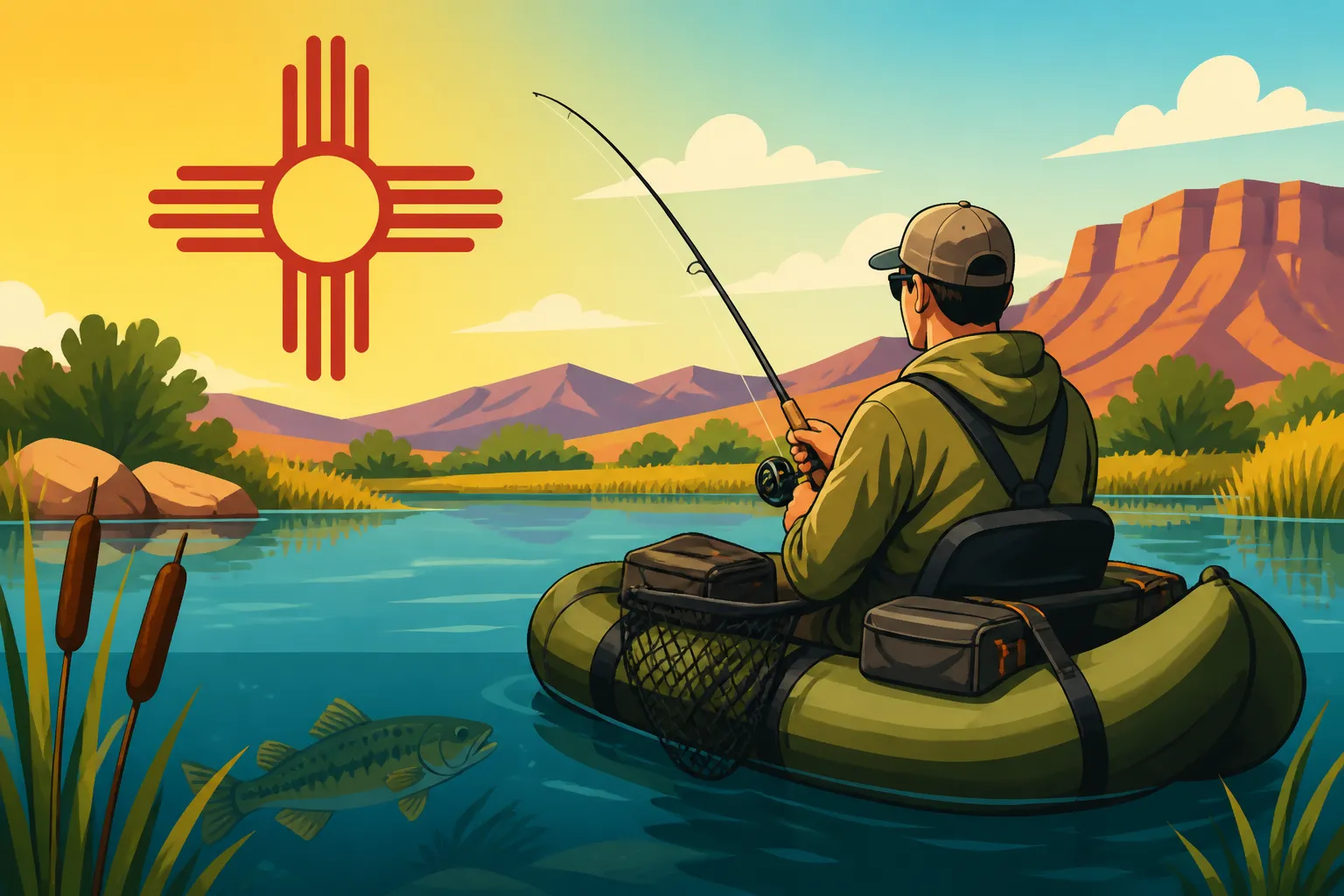
Best Float Tubes for New Mexico Ponds
It can be incredibly frustrating when you're itching to explore those quieter, often overlooked fishing spots in New Mexico, but your boat is too big, or the hike-in is just too far for a heavy kayak. You know those peaceful high-mountain ponds, the serene coves of smaller lakes, or even those little urban fisheries where a big rig just won't cut it. This guide is all about embracing the freedom and accessibility of float tubes, showing you how they can unlock a whole new world of angling opportunities in our beautiful state's more intimate waters.
Why Float Tubes Are Perfect for New Mexico's Smaller Waters
Float tubes might look a little unconventional to the uninitiated, but for New Mexico anglers who love to explore, they're an absolute game-changer. Imagine being able to access water that’s just too shallow or too tucked away for even a small Jon boat, all while maintaining a low profile that doesn't spook the fish. This isn't about replacing your bigger boat for reservoir trolling, but rather expanding your horizons to those tranquil, often less-pressured spots that truly offer a sense of escape.
Accessing Hidden Gems and Quiet Coves
New Mexico is blessed with countless small lakes, ponds, and even sections of rivers that are simply inaccessible to larger vessels. Think about some of those peaceful urban ponds near cities like Albuquerque or Santa Fe, or the pristine high-mountain lakes in the Pecos Wilderness that require a hike. Float tubes allow you to get right into the heart of these waters. You can slip quietly into shallow coves where bass might be hiding, or drift silently along weed lines in a trout pond that shore anglers can only dream of reaching. It opens up opportunities to fish spots that might otherwise be overlooked, giving you a distinct advantage and a more solitary experience.
Consider the satisfaction of discovering a small, unnamed pond after a short hike, then effortlessly inflating your tube and paddling out to cast into untouched waters. This level of access is what truly makes float tubes shine here in New Mexico. They’re perfect for places like Fenton Lake, where motor restrictions might apply, or for exploring the fringes of larger lakes like Abiquiu Lake, getting into tight spots that big boats can’t navigate.
Portability and Ease of Transport
One of the biggest headaches with traditional fishing boats or even larger kayaks is the sheer logistics of getting them to the water. Hauling a boat, needing a trailer, or strapping a heavy kayak to your roof rack can be a chore, especially if you're targeting those out-of-the-way spots. Float tubes, on the other hand, are remarkably portable. Most models deflate and pack down into a relatively compact bag, making them easy to toss in the trunk of your car, truck bed, or even strap to a backpack.
This ease of transport is a huge win for New Mexico anglers. Planning a camping trip to a high-mountain lake that requires a good trek? A float tube can often be packed in with your camping gear. Heading to a local community pond for a quick evening session after work? It's simple to inflate and deploy. This versatility means less time wrestling with gear and more time actually fishing. They remove a significant barrier to getting on the water, making impromptu fishing trips much more feasible.
The Stealth Factor for Spook-Prone Fish
Anyone who's ever tried to sneak up on a wary trout or a skittish bass knows how easily fish can be spooked by noise and commotion. Traditional boats, with their hull slap, motor noise, or even the sound of an anchor dropping, can send fish scattering before you've even made your first cast. Float tubes offer an unparalleled stealth advantage. You sit low in the water, making your profile less intimidating to fish, and you move silently, propelled by fins on your feet.
This quiet approach allows you to get incredibly close to fish without alerting them to your presence. Imagine drifting over a school of panfish or slowly approaching a cruising brown trout without a ripple of disturbance. The natural movements of finning through the water are far less intrusive than an oar splash or a trolling motor hum. For targeting intelligent, easily spooked species in clear, calm New Mexico waters, a float tube gives you an edge that few other fishing platforms can match. It’s all about becoming part of the environment, not just visiting it.
Understanding Different Float Tube Designs and Their Benefits
When you start looking into float tubes, you'll quickly discover that they aren't all built the same. There are a few primary designs, each with its own set of advantages that cater to different fishing styles and preferences. Understanding these differences is key to choosing the best float tube for your New Mexico fishing adventures, whether you’re targeting aggressive bass or delicate trout.
U-Shape (or Open Front) Float Tubes
The U-shape, often called an open-front float tube, is probably the most recognizable design and a popular choice, especially for beginners. As the name suggests, it's shaped like a 'U' with an open section at the front where you typically enter and exit the water. This design offers a fantastic balance of stability and ease of use, making it very forgiving for those new to float tube fishing.
One of the biggest benefits of the U-shape is how easy it is to get in and out of, which is a real plus when you're launching from a potentially rocky or muddy bank common to many New Mexico ponds. You can simply walk into the water, sit down, and swing your legs in. They tend to be very stable, providing a secure platform for casting and fighting fish. While not the fastest across the water, their stability makes them excellent for still-water fishing or gentle drifts where speed isn't the primary concern. They also often come with convenient storage pockets on either side of the 'U', keeping your tackle and other essentials close at hand. Many anglers find these tubes great for urban ponds or smaller, calm lakes where you want maximum comfort and easy access.
V-Shape Float Tubes
Stepping up in terms of hydrodynamics, the V-shape float tube features a pointed bow, much like a kayak or a small boat. This design is engineered for better tracking and efficiency through the water. If you find yourself wanting to cover more water, or if you encounter light currents in a river or larger pond, a V-shape tube will generally outperform a U-shape in terms of speed and maneuverability.
The V-shape cuts through the water more cleanly, reducing drag and making it easier to propel yourself with fins. This means less effort to get from one promising fishing spot to another. While still very stable, some anglers might find the entry and exit slightly less open than a U-shape, as the 'V' naturally creates a more enclosed space. However, for those who prioritize covering distance or navigating varied water conditions in places like larger sections of the Rio Grande's calmer backwaters or bigger reservoirs, the V-shape is a fantastic option. They often feature plenty of storage and comfortable seating, marrying performance with practicality for a serious day on the water.
Pontoon-Style Float Tubes
For anglers seeking maximum stability, comfort, and storage, the pontoon-style float tube is the ultimate choice. These tubes resemble miniature pontoon boats, with two distinct inflatable pontoons on either side of a raised seating platform. This design lifts you higher out of the water compared to U- and V-shape tubes, which can be a huge advantage for visibility and casting.
The elevated seating position not only improves your sightline for spotting fish or submerged structure but also keeps you drier and warmer, which is especially nice during cooler mornings or late evenings on New Mexico's waters. The dual pontoon structure makes them incredibly stable, capable of handling larger anglers or those carrying a lot of gear. They often come equipped with extensive storage options, including large side pockets, rod holders, and sometimes even a stripping apron to manage your line. While generally heavier and bulkier when deflated, and a bit slower to paddle than a V-shape, their supreme comfort and capacity make them ideal for longer fishing sessions on larger ponds, small lakes, or when you simply want to bring more amenities. If you’re planning an extended day at a place like Storrie Lake or Clayton Lake and want to bring a cooler and extra tackle, a pontoon-style float tube could be your best friend.
Here's a quick comparison of the main float tube types:
| Feature | U-Shape Float Tube | V-Shape Float Tube | Pontoon-Style Float Tube |
|---|---|---|---|
| Shape | Open front, horseshoe | Pointed bow, V-shaped | Two independent pontoons |
| Stability | Excellent | Very Good | Superior |
| Speed/Tracking | Moderate | Good to Excellent | Moderate |
| Entry/Exit | Easiest, walk-in | Easy, slightly more enclosed | Easy, often higher seat |
| Seating | Low to the water | Low to the water | Elevated, drier |
| Storage | Good, side pockets | Good, often more streamlined | Excellent, large side bags, deck |
| Ideal Use | Beginners, calm ponds, easy access | Covering water, light currents | Comfort, stability, long trips, heavy gear |
Key Features to Look For in a New Mexico Float Tube
Choosing the right float tube isn't just about its basic shape; it's also about the specific features that will enhance your fishing experience and ensure durability in New Mexico's unique environment. From rocky shorelines to intense sun, our waters can be tough on gear, so paying attention to these details can make a big difference in how much you enjoy your time on the water.
Material Durability and Puncture Resistance
New Mexico's landscapes are often rugged, and that extends to our waterways. Shorelines can be strewn with sharp rocks, thorny bushes, or even submerged snags. The last thing you want is a punctured float tube miles from your launch point. This makes the material and construction quality paramount. Look for tubes made from heavy-duty PVC or reinforced urethane. These materials offer superior puncture and abrasion resistance compared to lighter-duty fabrics. Many reputable brands will specify denier ratings for their outer shell materials, with higher numbers indicating greater durability.
Beyond punctures, New Mexico also experiences intense UV radiation at higher elevations and during clear sunny days. Prolonged exposure can degrade lesser materials over time, leading to cracking or weakening. A good quality float tube will feature materials designed to resist UV damage, ensuring a longer lifespan. Don’t shy away from investing a little more in a tube from a brand like Bass Pro Shops or even a well-reviewed model you find on Amazon that emphasizes robust construction. It's a small price to pay for peace of mind and longevity, especially if you plan to explore diverse New Mexico waters. New Mexico Fishing License Guide
Storage Capacity and Organization
When you’re out on a float tube, everything you need has to come with you. This makes ample, well-designed storage critical. Think about what you typically bring: tackle boxes, extra spools of line, a water bottle, snacks, sunscreen, perhaps a small first-aid kit, and certainly a way to keep your catches (if you're keeping them). Most float tubes come with various pockets, but their size, accessibility, and waterproofness can vary greatly.
Look for large, zippered side pockets that are easy to reach while you're sitting in the tube. Some models offer detachable gear bags or d-rings where you can clip additional items. Integrated rod holders are a huge plus, keeping your rods secure and out of the way when you're paddling or handling a fish, but quickly accessible when you need them. A stripping apron or work surface across your lap is also incredibly useful for managing line, tying knots, or holding small tools. Good organization prevents your gear from becoming a tangled mess and ensures that essential items are always within arm's reach. For longer outings, especially to remote high-mountain lakes, having enough capacity for water and emergency supplies is non-negotiable.
Comfort and Adjustability
While float tubes are inherently low-profile, that doesn't mean they have to be uncomfortable. You could be spending hours on the water, so ergonomic design and adjustability are important for preventing fatigue and ensuring an enjoyable experience. The seat is probably the most critical comfort component. Look for a seat that offers good padding and, crucially, solid back support. Inflatable seats often offer better cushioning than foam, and some high-end models even feature adjustable backrests, allowing you to fine-tune your seating position.
Consider how high the seat keeps you out of the water. While sitting low is great for stealth, being too low can make you cold, especially in the cooler waters of New Mexico's trout streams or high-elevation lakes. Higher seats, often found in pontoon-style tubes, keep you drier and warmer. Footrests or stirrups can also add to comfort by giving you a place to brace your feet, especially when finning. Ensure all straps and buckles are easy to adjust, even with cold hands, so you can achieve a secure and comfortable fit before you push off from the bank.
Fin Compatibility and Propulsion
Your legs and a pair of fins are your engine when float tube fishing, so understanding fin compatibility and choosing the right fins is crucial. Most float tubes are designed to be used with wading fins that attach to your wading boots. These fins are shorter and wider than swimming fins, optimized for propulsion in a seated position.
When selecting a float tube, consider if it comes as a package with fins or if you'll need to purchase them separately. If buying separately, ensure they are compatible with your wading boots. Some anglers prefer open-heel fins that strap over boots, while others like full-foot fins that integrate directly with a boot-like design. The ease of finning can greatly impact your range and energy levels. Look for fins that offer good thrust with minimal effort, allowing you to navigate across a pond or hold your position against a light breeze without exhausting yourself. Efficient propulsion is especially important if you plan to tackle larger bodies of water or want to extend your fishing range beyond a single cove. You can find excellent options for both fins and wading boots at your local Bass Pro Shops or through online retailers like Amazon. Wading Boots for New Mexico's San Juan River
Essential Gear to Complement Your Float Tube Experience
Having the best float tube is only part of the equation; you also need the right supplementary gear to make your New Mexico fishing trip safe, comfortable, and productive. Think of your float tube as your personal fishing platform, and these essential items as the tools that complete your mobile angling station.
Waders and Wading Boots
Waders are practically non-negotiable for float tube fishing, especially in New Mexico's varied climate. Even in summer, early mornings or evenings on high-elevation lakes can be surprisingly chilly, and sitting in direct contact with cold water will quickly sap your body heat. Breathable chest waders are often the best choice, offering full coverage and allowing perspiration to escape while keeping you dry and warm. Neoprene waders can be excellent for colder conditions, providing superior insulation. The choice depends on when and where you plan to fish, but breathable chest waders are a great all-around option for most of the year.
Complementing your waders are wading boots. These are essential for comfortable finning and for protecting your feet when you're launching or landing from potentially rough or slippery banks. Many fins are designed to fit over wading boots, providing a secure connection for efficient propulsion. Choosing good quality wading boots with sturdy soles will also give you better traction on wet rocks or muddy shorelines, preventing slips and falls before you even get in the water. Remember, good gear here improves comfort and safety significantly.
Personal Flotation Device PFD
Safety first, always. A Personal Flotation Device (PFD), or life jacket, is an absolute must-have when float tube fishing, regardless of how calm the water seems or how strong a swimmer you are. Accidents can happen quickly: a sudden gust of wind, an unexpected capsize, or even a medical emergency can put you in a dangerous situation. Wearing a PFD ensures you'll stay afloat, keeping your head above water and conserving energy.
New Mexico's boating regulations often mandate PFDs for all vessels, and while a float tube might feel like a personal inner tube, it's still considered a vessel. Choose a PFD that is comfortable for prolonged wear, allows for a full range of motion for casting and finning, and is appropriately sized for you. Inflatable PFDs, whether manual or auto-inflating, are popular among float tube anglers because they are compact and less restrictive, but traditional foam vests are also perfectly acceptable and often more affordable. Never skip this piece of gear. Life Jacket Requirements for New Mexico Boaters
Fishing Rods and Tackle Setup
When fishing from a float tube, minimalism and efficiency are your friends. Unlike a large boat, space is at a premium, so you’ll want to be selective with your fishing rods and tackle. Shorter rods, typically in the 5 to 7-foot range, are generally preferred. They are easier to maneuver while seated, make casting less cumbersome, and help prevent snagging your line on your tube or other gear. A medium-light to medium action rod is often versatile enough for targeting various species, from trout to bass.
For tackle, focus on compact, essential items. Instead of a huge tackle box, a small, organized tackle bag or a few small utility boxes that fit into your float tube's pockets are ideal. Pre-tie some leaders and have your most commonly used lures or flies easily accessible. For trout, consider small spinners, spoons, or dry flies and nymphs. For bass, lightweight jigs, soft plastics, or smaller crankbaits are good choices. The goal is to have enough options without bringing so much that it clutters your limited space. Best Lures for New Mexico Trout Best Rod Setup for New Mexico Trout Fishing
Safety and Navigation Gear
Beyond your PFD, a few other safety and navigation items can make a big difference, especially if you venture beyond small, familiar ponds. A whistle is a simple, effective signaling device to attract attention in an emergency. A small, waterproof first-aid kit, packed with essentials like bandages, antiseptic wipes, pain relievers, and any personal medications, is always a smart addition.
For larger ponds or small lakes, a basic compass or a GPS app on your phone (in a waterproof case) can be helpful, though less critical than on vast reservoirs. Sun protection is paramount in New Mexico's bright climate: a wide-brimmed hat, sunglasses (polarized are fantastic for spotting fish and reducing glare!), and high SPF sunscreen are vital. A small, waterproof headlamp can also be useful if you're staying out until dusk or launching before dawn. Lastly, a sturdy knife or multi-tool is always handy for cutting line, making repairs, or other unexpected needs. Staying prepared ensures a pleasant and safe trip on the water.
Best Practices for Float Tube Fishing in New Mexico
Float tube fishing, while incredibly rewarding, has its own set of techniques and considerations to ensure a successful and enjoyable experience. From choosing your location wisely to being mindful of your impact on the environment, adopting best practices will elevate your time on New Mexico's tranquil waters.
Choosing the Right Water
Not every body of water is ideal for float tube fishing, and New Mexico offers a vast array of options. Small to medium-sized ponds, calm coves of larger lakes, and slow-moving sections of rivers are generally perfect. Look for waters with easy access points – gently sloping banks or small launch areas where you can comfortably get in and out of your tube. Avoid heavily trafficked areas with lots of motorized boat activity, as waves and wakes can quickly become a safety hazard and an annoyance.
Consider the species you want to target. For trout, look for clear, cool waters often found at higher elevations like the many alpine lakes in the Carson and Santa Fe National Forests, or stocked ponds. For bass and panfish, warmer lowland ponds or the quiet backwaters of reservoirs like Caballo Lake can be productive. Always check the local regulations for specific waters, as some may have restrictions on float tubes or specific gear. The beauty of float tubing is its versatility, so take the time to scout locations that truly suit this method. Best Places to Fish in New Mexico Best New Mexico Lakes for Trout
Launching and Landing Safely
Getting into and out of a float tube gracefully is an art, but with a little practice, it becomes second nature. Always choose a launch site that is free of sharp rocks, debris, or excessive vegetation that could snag your tube or waders. Gently walk into the water until it's deep enough for you to sit comfortably in the tube, then slide your legs in. It’s often easiest to put your fins on once you're already seated in the water, as walking with them on land can be awkward and a tripping hazard.
When landing, approach the shore slowly, removing your fins before your feet touch bottom. Carefully stand up, using your arms to brace yourself on the tube, and walk your tube onto the bank. Always secure your float tube once you're out of it; a sudden gust of wind can easily send an empty tube drifting away. Pay attention to your surroundings: know your entry and exit points, especially if you’re fishing in an unfamiliar area.
Navigating and Maneuvering
Propelling a float tube is primarily done with fins on your feet, so mastering finning techniques is key to efficient movement. For forward motion, a gentle scissor kick or frog kick works well. To turn, simply paddle harder with one leg than the other, or use your hands as paddles for quick adjustments. Practicing these movements in shallow, calm water before venturing out will build your confidence.
Always be aware of wind and current. Even a light breeze can push a float tube surprisingly quickly across open water. Use the wind to your advantage for long drifts, but be mindful of how you'll get back. If you’re in an area with any current, always know where you are relative to downstream obstacles and plan your movements accordingly. Keep a close eye on your surroundings, submerged hazards, and other water users. The low profile of a float tube can sometimes make you less visible to others, so consider attaching a small flag or bright marker if you're on a larger body of water. Kayak Fishing Techniques for New Mexico Lakes
Environmental Awareness and Conservation
As anglers who enjoy the tranquility and beauty of New Mexico's waters, it's our responsibility to be good stewards of the environment. Float tube fishing, by its very nature, often brings us closer to nature, making conservation practices even more important. Always practice "Leave No Trace" principles: pack out everything you pack in, and if you see any trash, consider packing that out too. Even small pieces of fishing line can be deadly to wildlife.
Be mindful of fish handling, especially if you're practicing catch and release. Use barbless hooks where required or consider pinching barbs on your hooks to minimize harm to fish. Handle fish gently, keep them in the water as much as possible, and revive them properly before release. Avoid disturbing sensitive aquatic vegetation or spawning areas. Understanding and respecting the ecosystem ensures that these beautiful fishing spots will remain healthy and vibrant for future generations of anglers. Catch and Release Best Practices in New Mexico New Mexico Trout Fishing Rules
Disclaimer
This article is for general informational purposes only and does not constitute professional advice. Laws, prices and regulations vary by location and change over time. Consult a qualified professional for guidance on your specific situation.