Why Polarized Sunglasses Matter in New Mexico
Ever been out on one of New Mexico's stunning lakes or rivers, the sun beating down, and found yourself squinting so hard you miss that subtle twitch of your line, or worse, end the day with a throbbing headache and burning eyes? It’s a common frustration, especially under our intense desert sun. This guide is here to explain why polarized sunglasses aren’t just a luxury, but an absolute game-changer for any angler in the Land of Enchantment, offering you clearer vision, less strain, and ultimately, a better day on the water.
Understanding the Glare: The Science Behind Polarized Lenses
Before we dive into why they matter for New Mexico fishing, let's talk about how polarized sunglasses actually work. It’s not just about tinting; there's some clever science happening in those lenses that specifically tackles the bane of every angler: glare.
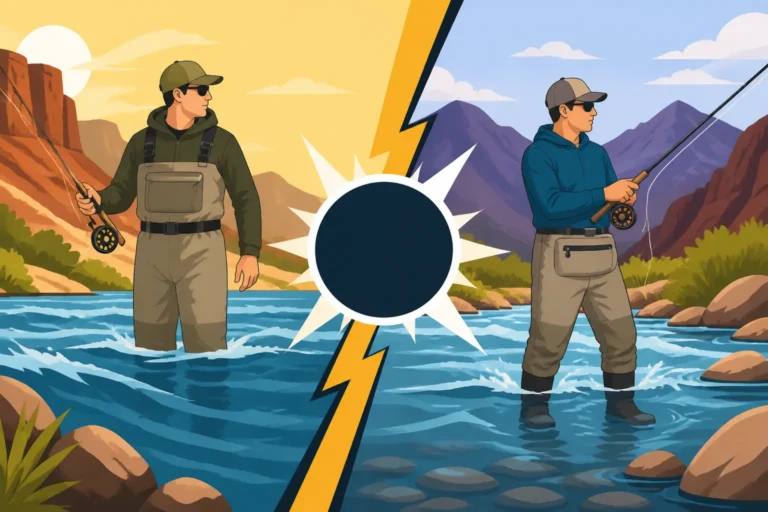
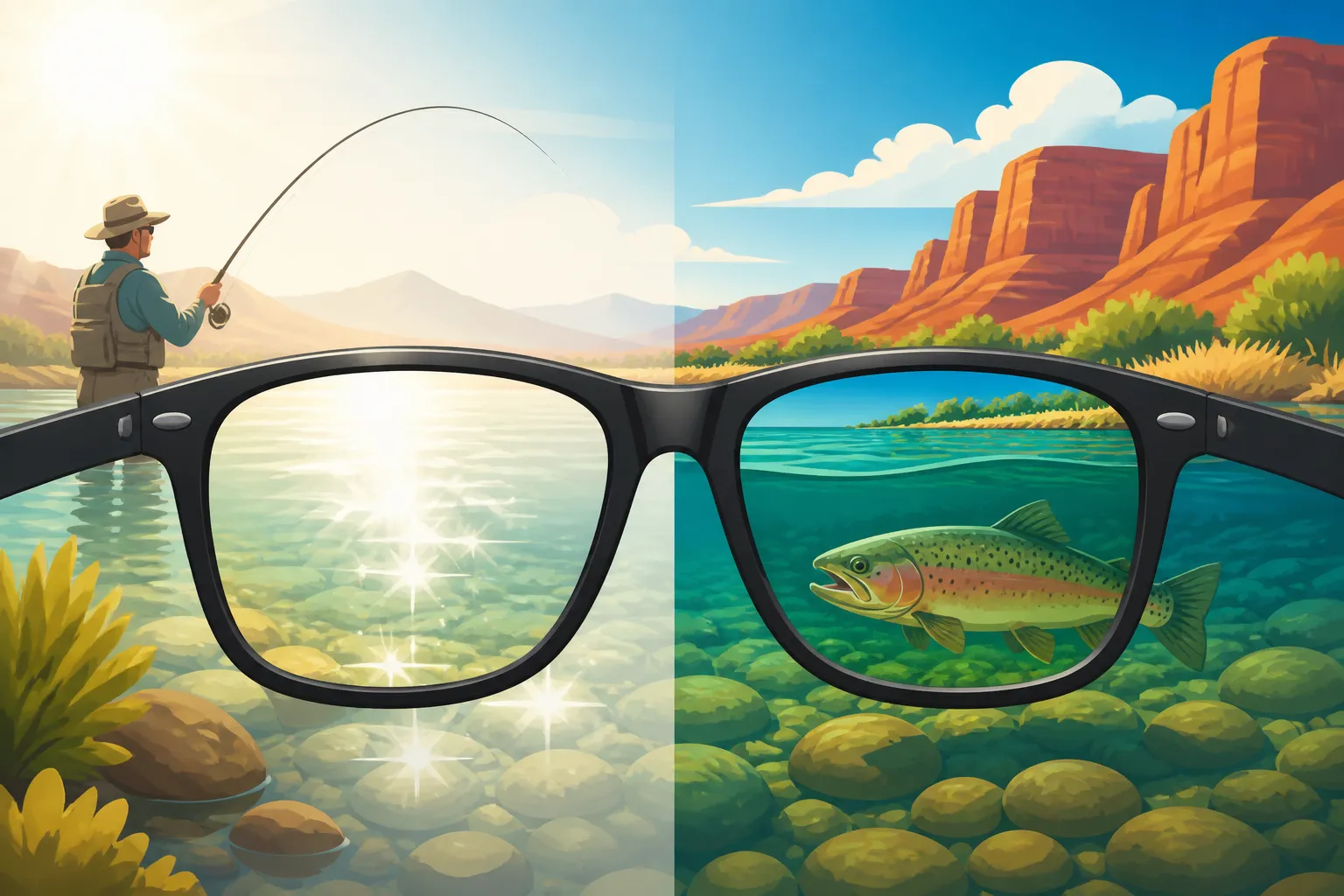
Imagine light traveling in waves. When sunlight hits a flat, reflective surface like the surface of a lake or a smooth river, it bounces off in a very specific way. Instead of scattering randomly, a large portion of that light reflects horizontally. This concentrated horizontal light is what we experience as blinding glare. It's the bright shimmer that obscures your view into the water, making it impossible to see submerged structures, cruising fish, or even your fishing line.
Polarized lenses are engineered with a special chemical filter embedded within the lens material. Think of this filter like a microscopic Venetian blind, with vertical slats. These vertical slats block out the horizontal light waves that cause glare, while allowing vertical light waves to pass through. The result? That harsh, blinding glare from the water's surface is dramatically reduced, allowing your eyes to perceive what's below the surface, not just what's reflecting on it. It’s a subtle but profoundly effective technology that transforms your visual experience on the water.
The Angler's Advantage: Why Polarization is Essential for New Mexico Fishing
For anyone who loves to fish in New Mexico, from the high mountain trout streams to the vast desert reservoirs, polarized sunglasses offer a suite of benefits that go far beyond basic sun protection. They truly provide an unfair advantage.
Unlocking the Underwater World: Enhanced Sight Fishing
This is arguably the biggest benefit for New Mexico anglers. The ability to see into the water instead of just seeing reflections on it is revolutionary. Think about fly fishing the crystal-clear waters of the San Juan River Quality Waters Section, where spotting individual trout holding in runs or eddies can be the key to success. Without polarized lenses, the surface glare makes this almost impossible; with them, you can often pick out the subtle flick of a fin or the darker shape of a fish against the riverbed.
It’s not just for trout. Imagine trying to locate bass hiding in submerged brush piles at Elephant Butte Lake, or crappie congregating around docks at Conchas Lake. Polarized lenses cut through that surface glare, revealing the contours of the bottom, the structure where fish hide, and even the fish themselves. This turns speculative casting into targeted presentations, significantly increasing your chances of a bite. It allows you to read the water more effectively, understanding depth changes, current breaks, and potential fish habitats that would otherwise remain hidden. New Mexico Trout Fishing Rules often govern where and how you can target certain species, and sight fishing helps ensure you're compliant and effective.
Reducing Eye Strain and Fatigue for Longer, More Enjoyable Days
New Mexico's sun is powerful, especially during the long summer days or at higher elevations. Constantly battling glare without polarized lenses means your eyes are working overtime, constantly trying to adjust to bright reflections and straining to see past them. This leads to tired, irritated eyes, headaches, and overall fatigue, which can cut a great fishing day short.
Polarized lenses dramatically reduce this strain. By filtering out the harsh glare, your eyes can relax, allowing you to focus on the fishing, not on discomfort. This means you can stay out longer, enjoy the scenery more, and maintain your concentration and reaction time. For those long days spent Trolling Techniques for New Mexico Lakes or exploring remote stretches of the Rio Grande, this comfort factor is invaluable. It’s about more than just seeing; it's about sustaining your ability to fish effectively and enjoyably for the entire duration of your trip.
Superior Clarity and Contrast in Diverse Conditions
Beyond just blocking glare, many polarized lenses also enhance contrast, helping you discern subtle details in varying light conditions. Different lens tints are designed to excel in specific environments, from bright sunny days to overcast mornings.
For instance, a brown or amber lens can make submerged rocks, weed lines, and fish stand out more clearly, even in slightly murky water, by enhancing reds and greens. This improved visual acuity helps you identify potential hazards for wading or boating, spot structures where fish might be holding, and even track your lure or fly more easily. Whether you're dealing with the intense reflections off a wide-open reservoir or the dappled light filtering through cottonwood trees along a river, polarized lenses provide a consistently clearer, more detailed view of your fishing environment. This clarity contributes directly to better decisions on where and how to fish.
Picking the Perfect Pair: Choosing Polarized Sunglasses for New Mexico Fishing
Now that you know why they're so important, how do you choose the right pair for your New Mexico adventures? It's not a one-size-fits-all situation, as different features can cater to specific needs and preferences.
Lens Color: Matching Your Environment
The color of your polarized lenses isn't just a style choice; it significantly impacts how you see in different light conditions.
- Gray/Smoke Lenses: These are excellent for bright, sunny days and open water conditions, like when you're out on a large reservoir such as Navajo Lake. They provide the most natural color perception, which means colors you see through the lens will be very true to life. They're fantastic for cutting intense glare without distorting the view. If most of your fishing is done under New Mexico's typically clear, sunny skies, a gray lens is a solid, versatile choice.
- Brown/Amber Lenses: Often favored by anglers, these lenses enhance contrast and depth perception, making them ideal for a variety of conditions, including partly cloudy days or when fishing rivers and lakes with varying light levels. They excel at making subtle contours and fish shapes pop against the background. For sight fishing in rivers like the Pecos or when you need to pick out structure in a lake with fluctuating light, amber or brown lenses can be incredibly effective. Many anglers consider these a fantastic all-around option for Best Time of Year to Fish in New Mexico across seasons.
- Copper/Rose Lenses: These tints offer the highest contrast, making them superb for low-light conditions, overcast days, or even murky water. They cut through haze and deepen shadows, making it easier to spot fish in challenging visibility. If you often fish early mornings, late evenings, or in waters prone to cloudiness, a copper or rose tint can give you a significant advantage. While not as common for the brightest New Mexico days, they are invaluable when conditions are less than ideal.
| Lens Color | Best Conditions | Key Benefits for NM Anglers |
|---|---|---|
| Gray/Smoke | Bright, sunny days; open water; intense glare | True color perception; maximum glare reduction on wide-open lakes. |
| Brown/Amber | Variable light; partly cloudy; rivers & diverse habitats | Enhanced contrast & depth perception; excellent for spotting fish. |
| Copper/Rose | Low light; overcast; murky water; dawn/dusk | Highest contrast; cuts through haze; ideal for challenging visibility. |
Fit, Comfort, and Coverage: Protecting Your Eyes Fully
Beyond the lenses themselves, the frame style and fit are crucial.
- Wrap-around Frames: These styles are highly recommended as they minimize light leakage from the sides, top, and bottom, offering superior protection from peripheral glare and harmful UV rays. This is especially important on wide-open New Mexico waters where glare can come from multiple angles.
- Comfort: Look for lightweight materials and comfortable nose pads that won't dig in or slip when wet or sweaty. Adjustable features can help customize the fit. You'll be wearing these for hours, so comfort is paramount. Try them on with any hats or visors you typically wear to ensure they sit well together.
- Durability: Fishing can be tough on gear. Opt for frames made from resilient materials that can withstand drops, bumps, and exposure to the elements. Quality hinges and robust construction will ensure your investment lasts through many fishing seasons.
Essential Features and Maintenance
Modern polarized sunglasses often come with additional features that enhance performance and longevity:
- UV Protection: Ensure your chosen pair offers 100% UV-A and UV-B protection. New Mexico’s high altitude means stronger UV radiation, making this an absolute must for eye health.
- Scratch Resistance: A good scratch-resistant coating will protect your lenses from the inevitable bumps and scrapes that come with fishing.
- Hydrophobic/Oleophobic Coatings: These coatings repel water, oils, and sweat, making the lenses easier to clean and improving visibility in wet conditions.
- Fog Resistance: For those cool mornings that quickly heat up, or when moving between different temperature zones, fog-resistant lenses can prevent frustrating momentary blindness.
You can find an extensive range of polarized sunglasses, from budget-friendly options to high-performance fishing-specific models, at retailers like Bass Pro Shops or even through online marketplaces like Amazon. Reading reviews from other anglers can also provide valuable insight into real-world performance. Remember to always clean your lenses with a microfiber cloth and a suitable lens cleaner, avoiding abrasive materials that can scratch the coatings. Storing them in a hard case when not in use will also extend their life considerably, ensuring they're ready for your next adventure to Best Places to Fish in New Mexico. Taking good care of your polarized sunglasses is just as important as selecting the right pair to begin with.
Maximizing Your Investment: Beyond Just Seeing Fish
While the primary benefit of polarized sunglasses for fishing is undoubtedly improved visibility and reduced eye strain, their importance stretches further into overall enjoyment and safety on the water.
When you can see clearly, you're not just spotting fish; you're also identifying potential snags for your line, assessing underwater terrain for safer wading, and navigating your boat or Kayak Fishing Gear for New Mexico Lakes with greater confidence. This heightened awareness contributes to a more efficient and less frustrating fishing experience. You spend less time untangling snags and more time fishing effectively. For example, if you're trying How to Catch Trout in New Mexico, seeing the subtle contours of the riverbed or rock structures can help you predict where trout might be holding, leading to more strategic casts and fewer hang-ups.
Moreover, the long-term health of your eyes is paramount. Constant exposure to intense sunlight and glare without adequate protection can contribute to various eye conditions over time. Polarized lenses, especially those with 100% UV protection, act as a crucial shield. Investing in a quality pair of polarized sunglasses is truly an investment in your fishing success, your comfort, and your ocular health for years to come. Think of them as an essential piece of your Best Fishing Gear for New Mexico Anglers puzzle, as vital as your rod and reel. They are not merely an accessory; they are a fundamental tool for success and enjoyment on New Mexico’s diverse waterways.
Disclaimer
This article is for general informational purposes only and does not constitute professional advice. Laws, prices and regulations vary by location and change over time. Consult a qualified professional for guidance on your specific situation.