Best Wading Belt for Safety in Fast Current
There’s nothing quite like the thrill of wading into a beautiful New Mexico river, feeling the cool water swirl around your legs as you cast your line. But let's be real, those swift currents, especially in our incredible trout streams, can be incredibly intimidating and downright dangerous if you're not prepared. Many anglers worry about losing their footing or, even worse, taking an unexpected tumble in a fast-moving section of water. This guide will walk you through everything you need to know about choosing and using the best wading belt to keep you safe and confident, even when the river tries to put you to the test.
Why a Wading Belt is Non-Negotiable in New Mexico's Currents
Wading through New Mexico's diverse waters, from the famed San Juan River Fishing Guide to the mighty Rio Grande, presents unique challenges. The currents can be deceptively strong, the riverbeds slick with algae-covered rocks, and a misstep can turn a peaceful fishing trip into a harrowing experience. A wading belt isn't just an accessory; it's a critical piece of safety equipment that every angler should use, no matter how calm the water appears.
Preventing the "Drowning Effect"
One of the biggest fears, and a very real danger, when wading without a belt is what many experienced anglers call the "drowning effect." Imagine you're fishing a stretch of the Pecos River, you slip, and suddenly you're submerged. Without a properly cinched wading belt, your waders can quickly fill with water, acting like giant, heavy balloons that try to pull you under and make it almost impossible to regain your footing or move. The sensation of being instantly weighted down by gallons of water is terrifying and can lead to panic. It makes it incredibly difficult to stand up, let alone walk to safety, even in relatively shallow water. A snug wading belt minimizes the amount of water that can rush into your waders, giving you precious seconds and the ability to maneuver yourself upright. It helps keep your chest and upper body dry, maintaining buoyancy and preventing hypothermia in colder waters.
Enhancing Stability and Support on Tricky Footing
Beyond preventing water intrusion, a good wading belt significantly enhances your stability. Think about navigating the rocky bottom of the Chama River, where every step is a calculation. A well-designed wading belt cinches your waders securely around your waist, becoming an extension of your body rather than a loose garment. This snug fit provides crucial lumbar support, which can reduce strain on your back as you lean, twist, and fight fish. It also keeps your waders from shifting or riding up, which can throw off your balance when you're trying to concentrate on your cast or navigate slick boulders. Plus, many belts offer attachment points for essential tools, keeping them secure and within easy reach, so you're not fumbling for your net or nippers when you need them most. This kind of stability allows you to focus on the fishing, not on whether your next step will send you tumbling.
Key Features to Look for in a Safety Wading Belt
When you're looking for a wading belt, don't just grab the cheapest one you see. Your safety is worth investing a little thought and perhaps a bit more money. Understanding the key features will help you choose a belt that will truly protect you.
Material and Durability for Rugged New Mexico Conditions
New Mexico's environment can be tough on gear, from scorching summer sun to icy winter winds, and the constant friction of wading through water. You need a belt that can withstand these conditions.
- Neoprene: Often found in wider, more supportive belts, neoprene offers excellent flexibility and a good grip against your waders, preventing slippage. It's durable and retains some insulating properties, which can be a bonus in colder water.
- Nylon or Webbing: These are common materials for standard wading belts. Look for thick, tightly woven nylon webbing that won't fray easily. The buckles, often plastic or metal, should be robust and show no signs of weakness. A high-quality nylon belt will dry quickly and resist mildew.
- Construction: Pay attention to the stitching. Reinforced stitching at stress points, particularly around buckles and any D-rings, is a sign of a well-made belt that will hold up over time. You don't want a buckle to snap or a seam to unravel when you're leaning against a strong current.
Consider how often you fish and in what conditions. If you're frequently in fast, deep water, a more robust, wider belt might be worth the investment. Many reputable brands offer belts built for the long haul, and you can often find a great selection at stores like Bass Pro Shops or through online retailers like Amazon.
Adjustability and a Secure Fit for All Body Types
A wading belt is only effective if it fits properly and can be adjusted to create a snug seal.
- Range of Adjustment: Look for belts that offer a wide range of adjustability to accommodate different body sizes and clothing layers. You might wear different thicknesses of layers depending on whether you're fishing in spring or during the New Mexico Ice Fishing Season.
- Closure Mechanism:
- Buckle Systems: Most belts feature a durable plastic or metal buckle. Make sure the buckle is easy to operate, even with cold hands or gloves, but also provides a secure, non-slip hold once cinched.
- Velcro/Hook-and-Loop: Some belts use a combination of Velcro and a buckle, or primarily Velcro. While convenient, ensure the Velcro section is wide and strong enough to maintain a tight fit, especially when wet or under pressure.
- Comfort: A good fit isn't just about tightness; it's about comfort. The belt should sit comfortably around your waist or just above your waders, without pinching or rubbing. Some wider belts offer more lumbar support, which can be a lifesaver on long days on the water. Experiment with different styles to find what feels right for your body.
Integrated Safety Features and Accessories
Modern wading belts often come with thoughtful additions that enhance both safety and convenience.
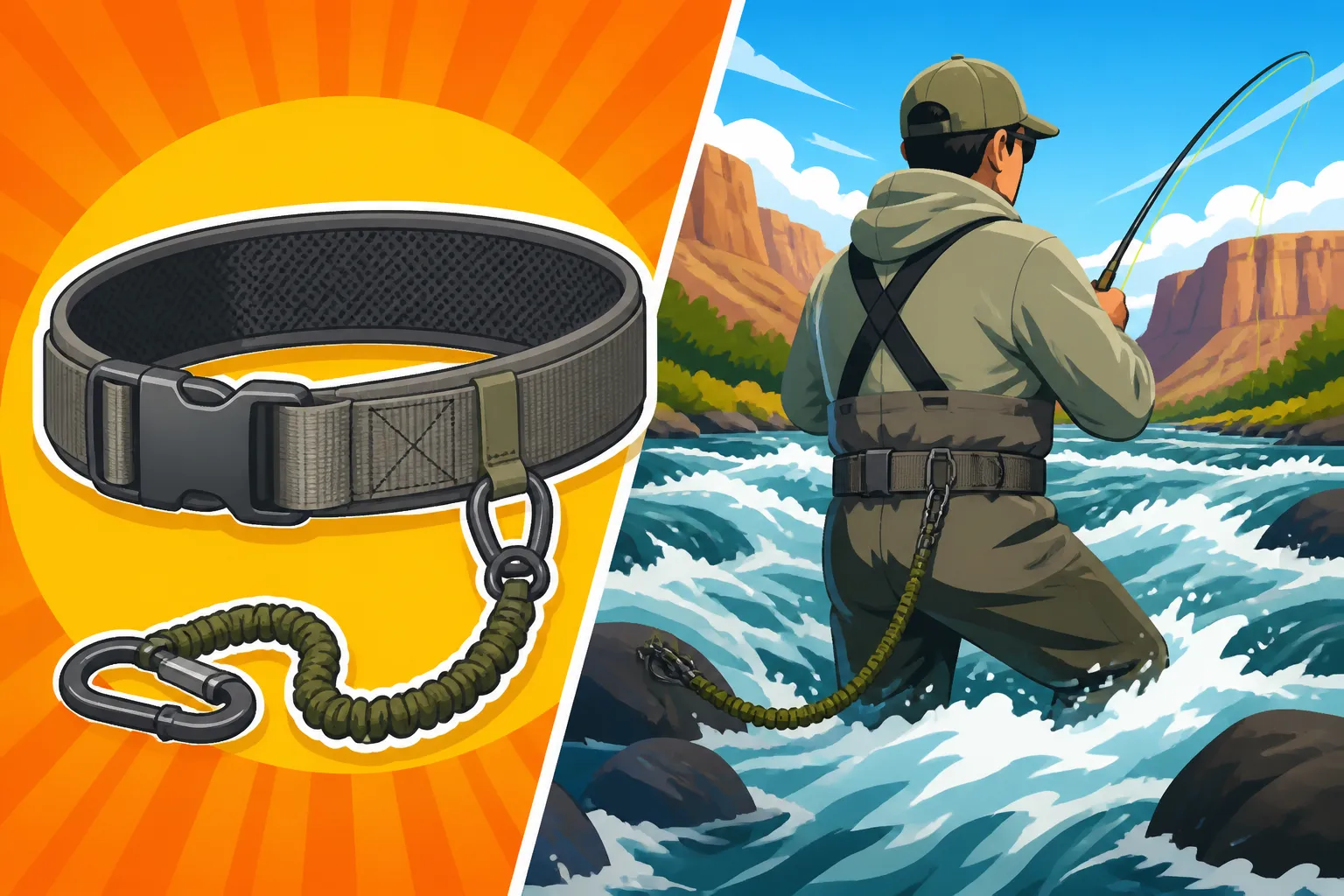
- Quick-Release Buckle: This is arguably the most crucial safety feature. In an emergency, such as a severe fall where the belt might be hindering movement, a quick-release buckle allows you to shed the belt (and potentially your waders if they've filled with water) instantly. Practice using it with one hand before you hit the water.
- D-Rings and Attachment Points: These are incredibly handy for attaching essential gear like a landing net, a wading staff, or a small tackle pouch. Ensure the D-rings are robust and made of corrosion-resistant metal.
- Tool Sheaths/Pockets: Some belts include small integrated pockets or sheaths for pliers, nippers, or even a wading knife. This keeps vital tools secure and accessible, preventing them from snagging on brush or being swept away by the current.
- Lumbar Support Pads: For anglers who spend long hours standing and casting, a belt with an integrated lumbar pad can provide significant comfort and support, helping to prevent back fatigue.
Top Recommendations and Where to Find Them
Finding the right wading belt doesn't have to be a scavenger hunt. Many excellent options are available, catering to different needs and budgets.
Belts Designed for Aggressive Wading Environments
If you're planning on tackling the swift currents of the San Juan River Quality Waters or other challenging New Mexico rivers where conditions can be unpredictable, you'll want a belt built for maximum security and support. These often feature wider designs, robust construction, and advanced quick-release systems.
Brands like Simms, Orvis, and Patagonia are well-known for their high-quality wading gear, and their belts are no exception. For instance, a wider, neoprene-backed belt might offer more substantial lumbar support and a more secure grip against your waders, reducing shifting when you're moving through fast water. Some models even feature integrated gear slings or extra padding. You can usually find a great selection of these premium wading belts at outdoor specialty stores, or browse the extensive fishing gear sections at Bass Pro Shops. When I'm gearing up for a serious trip, I often start by checking out the higher-end options to see the latest innovations in design and materials. Don't be afraid to try a few on with your waders (if possible) to get a real feel for the fit and comfort.
Budget-Friendly Options That Don't Skimp on Safety
It's completely understandable that not everyone wants to spend a fortune on a wading belt, especially if you're just starting out or only hit the water a few times a year. The good news is that you don't have to compromise on safety to save some money. There are plenty of affordable wading belts that still provide the essential protection you need.
Look for simpler nylon webbing belts with strong plastic quick-release buckles. These might not have all the bells and whistles of the premium models, but they will effectively cinch your waders and prevent water from filling them in a fall. Brands like Redington, Frogg Toggs, or even generic outdoor gear brands often offer reliable, no-frills options. I’ve seen some perfectly adequate wading belts on Amazon for a fraction of the cost of high-end ones. Just be sure to read reviews and confirm that the buckle is sturdy and has a quick-release function. Sometimes, you can even find good deals on last season's models at places like Bass Pro Shops during sales events. The most important thing is that the belt is durable, fits snugly, and has that all-important quick-release feature.
Proper Use and Maintenance for Longevity and Safety
Having the best wading belt in the world won't do you any good if you don't use it correctly or take care of it. A little attention to detail can ensure your belt is always ready to perform when you need it most. This is part of a complete Beginner Fishing Gear Checklist for New Mexico.
How to Properly Don and Cinch Your Wading Belt
This might seem obvious, but there's a right way to put on a wading belt to maximize its effectiveness.
- Put on your waders first: Before you even think about the belt, make sure your waders are on properly and your suspenders are adjusted.
- Position the belt: The wading belt should sit snugly around your waist, over the top of your waders. It should be positioned where the top of your waders is sealed against your body, usually just above your hips. Don't put it too low on your hips, as this can still allow water to ingress higher up.
- Cinch it tight, but not uncomfortably so: Pull the webbing or straps until the belt is snug against your waders. You want a firm seal that prevents water from easily entering if you fall, but not so tight that it restricts your breathing or movement. You should be able to take a deep breath comfortably.
- Engage the buckle: Secure the quick-release buckle. If your belt has additional Velcro closures, make sure those are also fastened.
- Check for twists: Ensure the belt isn't twisted anywhere. A twisted belt won't provide even pressure and can be uncomfortable.
Practicing this a few times before your trip, perhaps even in your living room, will make it second nature when you're lakeside or riverbank. This is just as important as selecting the Best Rod Setup for New Mexico Trout Fishing.
Cleaning and Storing Your Wading Belt
Taking a few minutes to clean and properly store your wading belt after each trip will dramatically extend its life and ensure it's ready for your next adventure. This goes for all your Best Fishing Gear for New Mexico Anglers.
- Rinse off dirt and debris: After each use, especially if you've been in muddy or silty water, give your wading belt a good rinse with fresh water. Use a soft brush to remove any stubborn dirt from the webbing, buckle, and any attached D-rings.
- Check for damage: While rinsing, take a moment to inspect the belt for any signs of wear and tear. Look for fraying in the webbing, cracks in plastic buckles, or corrosion on metal parts. If you spot significant damage, consider replacing the belt before your next outing.
- Air dry thoroughly: Hang your wading belt in a well-ventilated area away from direct sunlight to air dry completely. Never store it damp, as this can lead to mildew, unpleasant odors, and degradation of the materials, especially elastic or neoprene components.
- Store properly: Once completely dry, store your wading belt neatly with the rest of your Best Waders for New Mexico Rivers and gear. Avoid leaving it crumpled or exposed to extreme temperatures, which can shorten its lifespan.
By following these simple steps, your wading belt will remain a reliable piece of your safety equipment, helping you enjoy New Mexico's fantastic fishing opportunities with confidence and peace of mind. Remember, safety always comes first, especially when you're out enjoying the wild beauty of our state's rivers. Always check the New Mexico Fishing Regulations Overview and New Mexico Trout Fishing Rules before heading out.
Disclaimer
This article is for general informational purposes only and does not constitute professional advice. Laws, prices and regulations vary by location and change over time. Consult a qualified professional for guidance on your specific situation.