Heron Lake No-Wake Zone Fishing
Isn't it frustrating when you head out to a beautiful lake, ready for a peaceful day of fishing, only to have your calm shattered by roaring speedboats and churning wakes? It's a common complaint, and frankly, it can really ruin the experience. That's precisely why Heron Lake, nestled in the stunning landscapes of northern New Mexico, offers such a refreshing escape with its unique no-wake designation. This guide is dedicated to helping you unlock the secrets of fishing this tranquil gem, ensuring your next outing is as serene as it is successful.
Understanding Heron Lake's No-Wake Zone Philosophy
Heron Lake isn't just another body of water in New Mexico; it's a sanctuary designed with peace and preservation in mind. Its "no-wake" rule isn't some arbitrary restriction; it's a deliberate choice that profoundly impacts the fishing experience, making it a standout destination for those who cherish quiet waters and undisturbed nature.
Why a No-Wake Zone? Peace, Wildlife, and Safety
The decision to make Heron Lake a no-wake zone was a multi-faceted one, rooted in a commitment to both ecological health and recreational quality. From an environmental perspective, constant boat wakes can cause significant shoreline erosion, disturbing the delicate habitats where fish spawn and aquatic insects thrive. Imagine wave after wave crashing against the banks, washing away crucial nesting areas for birds and small mammals, and stirring up sediment that clouds the water. This policy helps maintain the lake's pristine environment, ensuring cleaner water and more stable shorelines, which ultimately benefits all the creatures that call Heron Lake home.
Beyond the ecological benefits, the no-wake rule dramatically enhances the human experience. For anglers, it means no more fighting against boat chop, no more shouting over loud engines, and no more having your carefully presented lure tossed around by passing waves. It fosters a quieter, more meditative atmosphere that many find deeply therapeutic. For wildlife enthusiasts, it means undisturbed viewing opportunities for the ospreys, eagles, and deer that frequent the lake's edges. And from a safety standpoint, slower speeds drastically reduce the risk of boating accidents, making the lake a safer place for kayakers, canoers, and paddleboarders, as well as those fishing from smaller vessels or the shore.
What "No-Wake" Truly Means for Anglers
When we talk about "no-wake," it doesn't mean you can't use a motorboat at all. Instead, it signifies a strict speed limit – generally, 5 miles per hour – or the slowest possible speed required to maintain steerage, ensuring that your vessel creates the minimal wake possible. Think of it as a gentle glide rather than a forceful push through the water. This means gas-powered boats are welcome, but their operators must adhere strictly to these reduced speeds.
For anglers, this directly translates into a different approach to fishing. High-speed trolling is out, but slow trolling with an electric motor or even oars becomes a highly effective technique. The absence of large wakes means your boat will remain stable, making it easier to concentrate on delicate bites and precise lure presentations. It also means you can approach prime fishing spots more stealthily, without spooking fish that might be holding close to the surface or near submerged structures. This undisturbed environment is particularly conducive to finesse techniques, where subtlety often spells success.
Benefits of Tranquil Waters for Fishing
The calm surface of Heron Lake has a profound impact on fish behavior and, consequently, on your fishing success. Fish, especially trout and salmon, are incredibly sensitive to vibrations and sudden movements. In a noisy, wake-filled environment, they are often on high alert, seeking deeper water or cover. But in Heron's tranquil setting, fish tend to be less stressed and more willing to venture into shallower feeding zones.
The lack of boat traffic and wakes also allows suspended particulate matter in the water to settle, leading to clearer visibility. This clarity can be a double-edged sword: it helps you spot structure and even cruising fish, but it also means fish can spot you more easily. Therefore, stealth becomes paramount. Using longer leaders, lighter lines, and making accurate, quiet casts are key. Furthermore, the undisturbed water surface can make it easier to detect subtle bites, as your line won't be constantly jiggling from wave action. This can be especially important when targeting delicate biters like kokanee salmon or wary brown trout. The overall effect is an environment where the fish are more comfortable, making them more receptive to your offerings and providing a genuinely peaceful angling experience.
Prime Fishing Locations Within Heron Lake's No-Wake Sanctuary
Heron Lake, being a sprawling reservoir, offers a multitude of nooks and crannies that become exceptional fishing spots precisely because of its no-wake designation. Knowing where to focus your efforts can make all the difference, transforming a casual outing into a memorable angling adventure.
The Quiet Coves and Inlets
The numerous coves and inlets around Heron Lake are often the first places seasoned anglers head. These sheltered areas are naturally protected from any residual wind chop, and the no-wake rule ensures they remain undisturbed havens. Look for features like submerged timber, rock outcroppings, or sudden depth changes in these areas.
One popular spot is the Willow Creek arm, which extends northwest from the main body of the lake. Here, the water often runs a bit clearer, and the long, winding fingers provide ample shoreline and structure for fish to hold. During the spring and fall, kokanee salmon and rainbow trout frequently cruise these coves, particularly in the mornings and evenings, searching for insects or small baitfish. Another excellent area is near Ridge Rock, which offers more rugged terrain and deeper water closer to shore, providing excellent ambush points for larger trout. When the water temperatures are right, you might even find brown trout lurking near these rocky ledges, especially after a fresh stocking. These quiet coves are ideal for both still fishing with bait and casting small lures or flies.
Shoreline Access Points for Serene Fishing
While a boat can open up many opportunities, Heron Lake is incredibly friendly to bank anglers, thanks to the accessibility provided by Heron Lake State Park. Several well-maintained areas allow you to fish from shore, and the no-wake rule means you won't have to contend with passing boats ruining your setup.
- Willow Creek Campground Area: This section of the park offers extensive shoreline access, with plenty of room to spread out. It's great for families or those who prefer to set up a comfortable chair and wait for the fish to come to them. PowerBait, worms, or corn on a slip-sinker rig are highly effective here, particularly for stocked rainbow trout. You can often find success near the campgrounds, especially early in the season.
- Ridge Rock Area: As mentioned, Ridge Rock provides excellent bank access with deeper water. It's a bit more rugged, but the rewards can be significant, especially for those targeting larger trout or kokanee that might move closer to shore during low light conditions.
- La Laja Day Use Area: This area offers another excellent vantage point, often providing easy access to calm waters. These shorelines are perfect for practicing your casting, enjoying the quiet, and soaking in the New Mexico scenery.
When fishing from the bank, remember that patience is a virtue, and experimenting with different depths and baits can significantly improve your odds. Consider using a New Mexico One-Day and Five-Day Fishing Licenses if you're just visiting for a short trip, or a New Mexico Annual Fishing License for longer stays.
Exploring Remote Areas by Kayak or Canoe
For the ultimate quiet water experience, a kayak, canoe, or paddleboard is truly the way to go on Heron Lake. These silent vessels allow you to explore areas that larger boats simply cannot reach, often holding undisturbed fish. You can paddle into the narrowest fingers of the coves, sneak along rocky shorelines, and access secluded points where fish feel safe.
The advantages are clear: stealth, maneuverability, and a unique perspective. You can move almost silently, drifting into prime areas without spooking fish. This is especially effective when targeting wary brown trout or sight-fishing for cruising kokanee. Furthermore, a kayak or canoe allows you to present your offerings with extreme precision, whether you're casting a fly, drifting a bait, or slowly trolling a small spinner. It's also a fantastic way to experience the lake's abundant wildlife up close. Just remember to always wear your personal flotation device, even in calm waters, and be mindful of changing weather conditions. If you're looking for more tips on this, our guide on Kayak Fishing Techniques for New Mexico Lakes has some excellent insights.
Targeting Fish Species in Heron Lake's Calm Waters
Heron Lake is renowned for its excellent cold-water fishery, particularly for salmon and trout. The no-wake environment plays a crucial role in how these fish behave and how best to target them. Understanding their habits in these tranquil conditions is key to a successful day on the water.
Kokanee Salmon Strategies
Kokanee salmon are a huge draw to Heron Lake, and they thrive in its cold, clear, and quiet waters. These landlocked sockeye salmon are primarily plankton feeders, which often makes them a bit finicky, but the calm conditions of Heron can work in your favor.
- Trolling Slow and Deep: While high-speed trolling is out, slow trolling with an electric motor or even by paddling is highly effective. Kokanee typically hold at specific depths, often suspending in the water column rather than hugging the bottom. Use a downrigger or weighted lines to get your lures to the right depth, which can vary seasonally but is often between 20-50 feet. Small dodgers or flashers paired with mini-hoochies, wedding rings, or small spoons in pink, orange, or green are perennial favorites. Tip them with a kernel of corn for added scent and attraction. The calm surface of Heron allows for precise depth control and consistent lure action, which is crucial for these particular eaters. For more specific tactics, check out Heron Lake Kokanee Salmon Fishing.
- Still Fishing: For bank anglers or those in kayaks, still fishing can also produce. Use a sensitive rod with light line and suspend a small piece of PowerBait or a worm under a bobber, letting it drift naturally. Pay attention to fish finder readings if you have one, or observe what local anglers are doing to gauge the preferred depth.
- Seasonal Specifics: Kokanee behavior changes dramatically with the seasons. In spring, they might be shallower, moving deeper as summer progresses. The fall brings the exciting (and legal) snagging season, where they congregate for their spawning run. Our New Mexico Salmon Snagging Season guide has more details on this.
Rainbow and Brown Trout Tactics
Heron Lake also boasts a healthy population of rainbow and brown trout, both of which benefit immensely from the tranquil waters. These species are often more opportunistic than kokanee, making them a bit more accessible to a wider range of techniques.
- Still Fishing with Bait: This is perhaps the most straightforward and often productive method. From the bank or a anchored boat, use PowerBait (rainbow, chartreuse, or garlic scents are popular), worms, or salmon eggs on a small hook with a sliding sinker rig. Cast out, let it sink to the bottom or suspend it off the bottom with a float, and wait for the subtle tap. The calm water makes it easier to spot bobber dips or feel light bites.
- Casting Lures: Small inline spinners (like Panther Martins or Mepps), Kastmasters, or smaller spoons can be very effective. Work them slowly along drop-offs, near submerged structures, or around the mouths of coves. Vary your retrieve speed and depth until you find what triggers a strike. The undisturbed water allows the lures to swim naturally without being buffeted by waves.
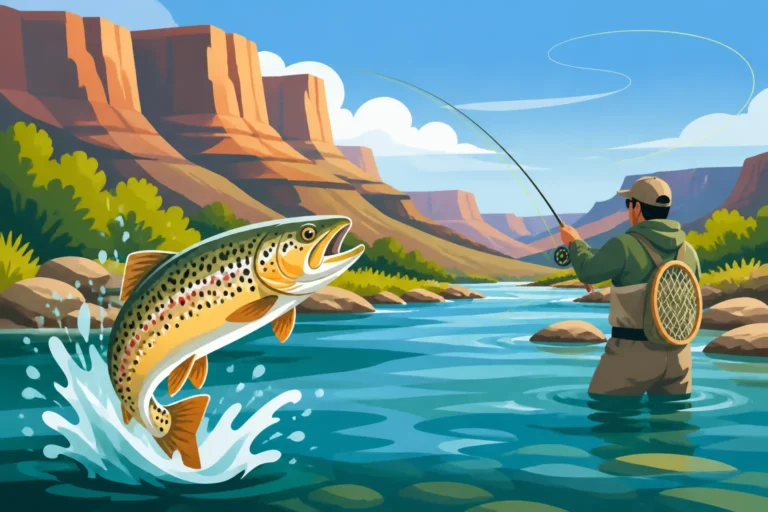
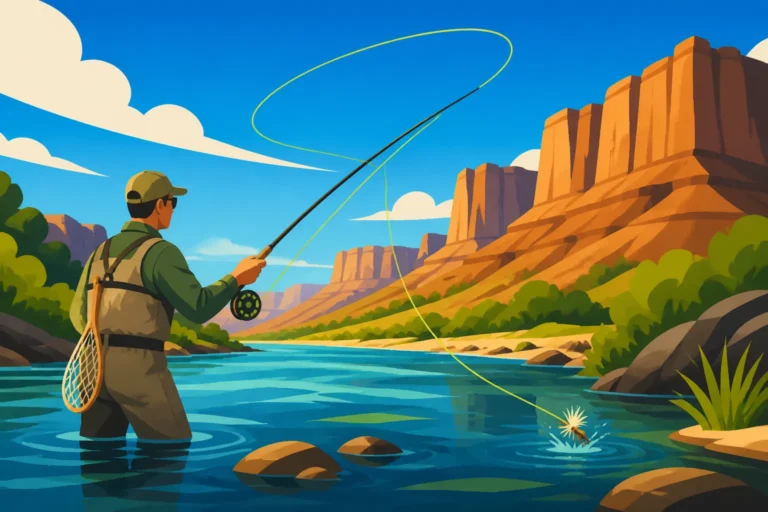
- Fly Fishing: For fly anglers, Heron Lake's no-wake environment is a dream. You can easily wade into shallow areas or drift quietly in a float tube or pontoon boat. Streamer patterns like Woolly Buggers (black, olive, brown) are excellent for imitating baitfish. During insect hatches, dry flies and nymphing techniques can be highly productive. Focus on areas with structure or where you see fish rising. Our guide on Best Fly Rods for the San Juan River offers excellent advice on fly gear that can be adapted for lake fishing.
Other Species and Unexpected Catches
While Heron Lake is primarily known for its trout and kokanee, anglers occasionally encounter other species, particularly yellow perch. These panfish are often found in shallower, vegetated areas or near submerged brush piles, especially during warmer months. While not the primary target, they can provide fun action, especially for younger anglers. Using small jigs tipped with a worm or a small spinner can entice them.
It's also worth noting that due to the interconnected nature of New Mexico's waters, sometimes other species can make their way into reservoirs. However, for Heron Lake, stick to the tried-and-true methods for kokanee and trout for the most consistent success. Always consult the official New Mexico Fishing Regulations Overview for bag limits and specific rules for all species.
| Fishing Method | Target Species | Preferred Gear | Best Conditions | Notes |
|---|---|---|---|---|
| Slow Trolling (Boat/Kayak) | Kokanee Salmon, Trout | Light spinning/baitcasting combo, downriggers, small flashers, hoochies, spoons, corn | Calm, overcast, early morning/late evening | Crucial for consistent depth control in no-wake zone. |
| Still Fishing (Bank/Boat) | Rainbow Trout, Brown Trout, Perch | Light spinning combo, slip-sinker rig, bobber, PowerBait, worms, salmon eggs | Any time, especially when fish are less active | Excellent for beginners and relaxed fishing. |
| Casting Lures | Rainbow Trout, Brown Trout | Light spinning combo, inline spinners, spoons, Kastmasters | Active fish, dawn/dusk, near structure | Vary retrieve speed; quiet casts essential. |
| Fly Fishing | Rainbow Trout, Brown Trout | 3-5 wt fly rod, floating/sinking line, streamers, nymphs, dry flies | Hatches, clear water, shallow edges | Stealth and accurate presentation are key in calm water. |
| Kayak/Canoe Drift | All species | Light spinning/fly gear, small jigs, various baits | Calmest days, exploring secluded coves | Maximizes stealth and access to untouched water. |
Essential Gear and Techniques for No-Wake Success
Fishing in a no-wake zone like Heron Lake isn't just about changing your approach to boating; it also influences your choice of fishing gear and techniques. The emphasis shifts to stealth, sensitivity, and precision, making certain tools and methods shine.
Silent Propulsion Methods
Since speedboats are restricted, the advantage goes to silent or near-silent propulsion.
- Kayaks, Canoes, and Paddleboards: These are the undisputed kings of no-wake zones. They offer unparalleled stealth, allowing you to sneak into tight coves and shallow areas without disturbing the fish. A good fishing kayak with rod holders and stable footing can be a game-changer, giving you access to pristine waters. You can glide silently along shorelines, casting to visible structure, or slowly troll small lures with minimal effort. This truly epitomizes the tranquil fishing experience Heron Lake aims for. If you're planning a trip, consider exploring options through services like FishingBooker to find local guides who specialize in silent watercraft for these conditions.
- Electric Trolling Motors: For those who prefer a bit more power than paddling but still want to adhere to the no-wake rule, an electric trolling motor is perfect. Mounted on a small boat, Jon boat, or even a larger fishing kayak, these motors provide quiet, efficient propulsion. They allow for very slow, controlled trolling speeds, which is ideal for targeting kokanee salmon at specific depths or methodically working a shoreline for trout. The ability to precisely control your speed and direction in a quiet manner gives you a significant edge over the fish. Just ensure your battery capacity is sufficient for a full day on the water.
Light Tackle for Sensitive Bites
The calm, clear waters of Heron Lake often mean fish are warier and bites can be incredibly subtle, especially when targeting kokanee. This calls for lighter, more sensitive tackle.
- Rods and Reels: Opt for a light to medium-light spinning rod, typically 6 to 7 feet long, with a fast action tip. This will give you the sensitivity to detect delicate bites and the backbone to handle fighting fish. Pair it with a small, smooth spinning reel (1000-2500 series) spooled with light line. Our Best Rods and Reels for New Mexico Trout Fishing guide can provide more specific recommendations. For fly fishing, a 3 to 5-weight rod is usually sufficient, allowing for delicate presentations.
- Lines: Using a lighter main line, such as 4-6 pound monofilament or fluorocarbon, or even braided line with a fluorocarbon leader, is crucial. Fluorocarbon is nearly invisible underwater and has less stretch than mono, offering improved sensitivity. The thin diameter also helps with casting distance and allows your lures or baits to present more naturally. The clarity of Heron Lake's water truly makes a difference in line choice, as thicker, more visible lines can deter wary fish.
Baits and Lures for Low-Disturbance Fishing
Your choice of bait and lure also needs to align with the no-wake philosophy, focusing on subtle attraction rather than aggressive action that might scare fish.
- PowerBait and Worms: These are staples for a reason, especially for stocked rainbow trout. In the calm water, they can sit enticingly on the bottom or slowly drift with subtle currents, mimicking natural food sources. The various colors and scents of PowerBait offer options for different water conditions and fish preferences. Worms, whether nightcrawlers or smaller garden worms, are universally appealing.
- Small Spinners and Spoons: Inline spinners like Rooster Tails, Panther Martins, or Mepps, and small casting spoons such as Kastmasters or Daredevils, are excellent choices. Their flash and vibration are often just enough to attract fish without being overly aggressive. Work them slowly and deliberately, allowing their natural action to entice strikes. In the absence of heavy boat traffic, these lures can be incredibly effective without being masked by other disturbances.
- Flies and Soft Plastics: For fly anglers, patterns that imitate local insects (midges, caddis, mayflies) or small baitfish (Woolly Buggers, scuds) are ideal. The calm surface of Heron Lake makes sight fishing with dry flies a joy, while nymphing under an indicator can be deadly in deeper pockets. For spinning gear, small soft plastic baits, such as tube jigs or tiny grubs, fished on light jig heads, can be very effective for trout and perch, mimicking small aquatic life. When planning your trip, consider using resources like FishingBooker to connect with local guides who can advise on the most current and effective bait and lure selections for Heron Lake's conditions.
Navigating Heron Lake: Rules, Safety, and Respect
Fishing Heron Lake isn't just about catching fish; it's about embracing a unique experience that prioritizes tranquility and conservation. To truly enjoy what this special lake offers, it's essential to understand and respect its specific rules, prioritize safety, and commit to responsible angling practices.
Adhering to No-Wake Speed Limits
The "no-wake" rule at Heron Lake State Park is not a suggestion; it's a mandatory regulation enforced by the New Mexico Department of Game and Fish and park rangers. The core of this rule means operating your motorized vessel at the slowest possible speed required to maintain steerage, ensuring your boat creates no discernible wake. Typically, this translates to a speed of around 5 miles per hour or less.
Why is this so important? Firstly, it maintains the very essence of the lake's designation – a peaceful environment for wildlife and anglers. Secondly, it's a matter of safety, preventing collisions and creating safe passages for smaller, non-motorized crafts like kayaks and canoes. Consequences for violating the no-wake rule can range from warnings to fines, and repeat offenders could face more severe penalties or even be asked to leave the lake. Always check local signage and current regulations, as rules can occasionally be updated. Being a responsible boater by diligently following these rules ensures everyone, including the wildlife, can enjoy the lake's serenity.
Understanding Water Levels and Access
Like many reservoirs in New Mexico, Heron Lake's water levels can fluctuate seasonally and year-to-year, largely dependent on snowmelt and rainfall. These fluctuations can significantly impact access points, shoreline fishing opportunities, and even fish behavior.
- Impact on Ramps and Shorelines: When water levels are low, some boat ramps might become difficult to use or completely inaccessible. Areas that were previously easy to wade or fish from the bank might expose muddy flats or rocky terrain, making access challenging. Conversely, high water levels can flood shoreline vegetation, creating new cover for fish but also making bank fishing more difficult in certain areas.
- Checking Conditions: Before heading out, especially if you're traveling a long distance, it's always a good idea to check the current conditions. The New Mexico State Parks website or the Heron Lake State Park office are excellent resources for up-to-date information on boat ramp status, water levels, and any alerts. Understanding these conditions will help you plan your day effectively, choosing the best access points and adapting your fishing strategies accordingly. This proactive approach prevents frustration and ensures you arrive prepared for whatever the lake presents. For comprehensive information, consult the Current Water Levels at New Mexico's Major Reservoirs guide.
Practicing Leave No Trace Principles
Fishing in a beautiful natural setting like Heron Lake comes with a responsibility to protect it for future generations. Embracing the Leave No Trace principles is fundamental to preserving the pristine character of this no-wake sanctuary.
- Pack It In, Pack It Out: This is the golden rule. Everything you bring to the lake – bait containers, snack wrappers, old fishing line, empty bottles – must leave with you. This includes organic waste like apple cores and banana peels, which can take a long time to decompose and attract wildlife.
- Respect Wildlife and Their Habitat: Observe wildlife from a distance and avoid disturbing them, especially during nesting or breeding seasons. The no-wake zone is specifically designed to protect these creatures, so do your part. Avoid trampling shoreline vegetation, as these areas provide crucial habitat and prevent erosion.
- Dispose of Fish Waste Properly: If you decide to keep your catch, clean your fish away from the water's edge and dispose of entrails in designated areas or by taking them home. Never leave fish carcasses on the shore or toss them into the water where they can attract scavengers and degrade water quality.
- Be Mindful of Other Users: Heron Lake is for everyone. Whether you're a powerboater adhering to the no-wake rule, a kayaker, a bank angler, or a birdwatcher, mutual respect ensures a pleasant experience for all. Keep noise to a minimum, and give other anglers ample space. Remember, we're all out here to enjoy the peace and beauty of New Mexico. By adhering to these principles, you contribute to keeping Heron Lake a tranquil and productive fishery for years to come.
Disclaimer
The information provided in this guide is for general informational purposes only and is subject to change. Fishing regulations, water conditions, and access points can vary. Always consult the official New Mexico Department of Game and Fish regulations and the Heron Lake State Park office for the most current and accurate information before planning your trip. Anglers are responsible for understanding and adhering to all applicable laws and regulations.