Sumner Lake Walleye Fishing
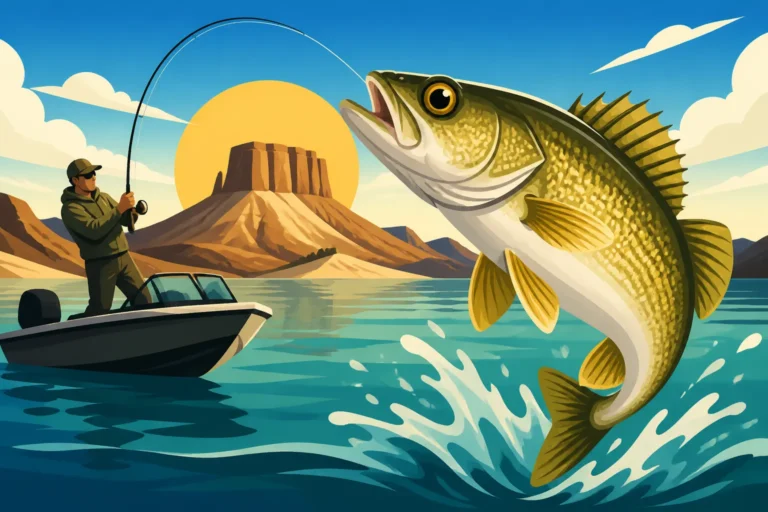
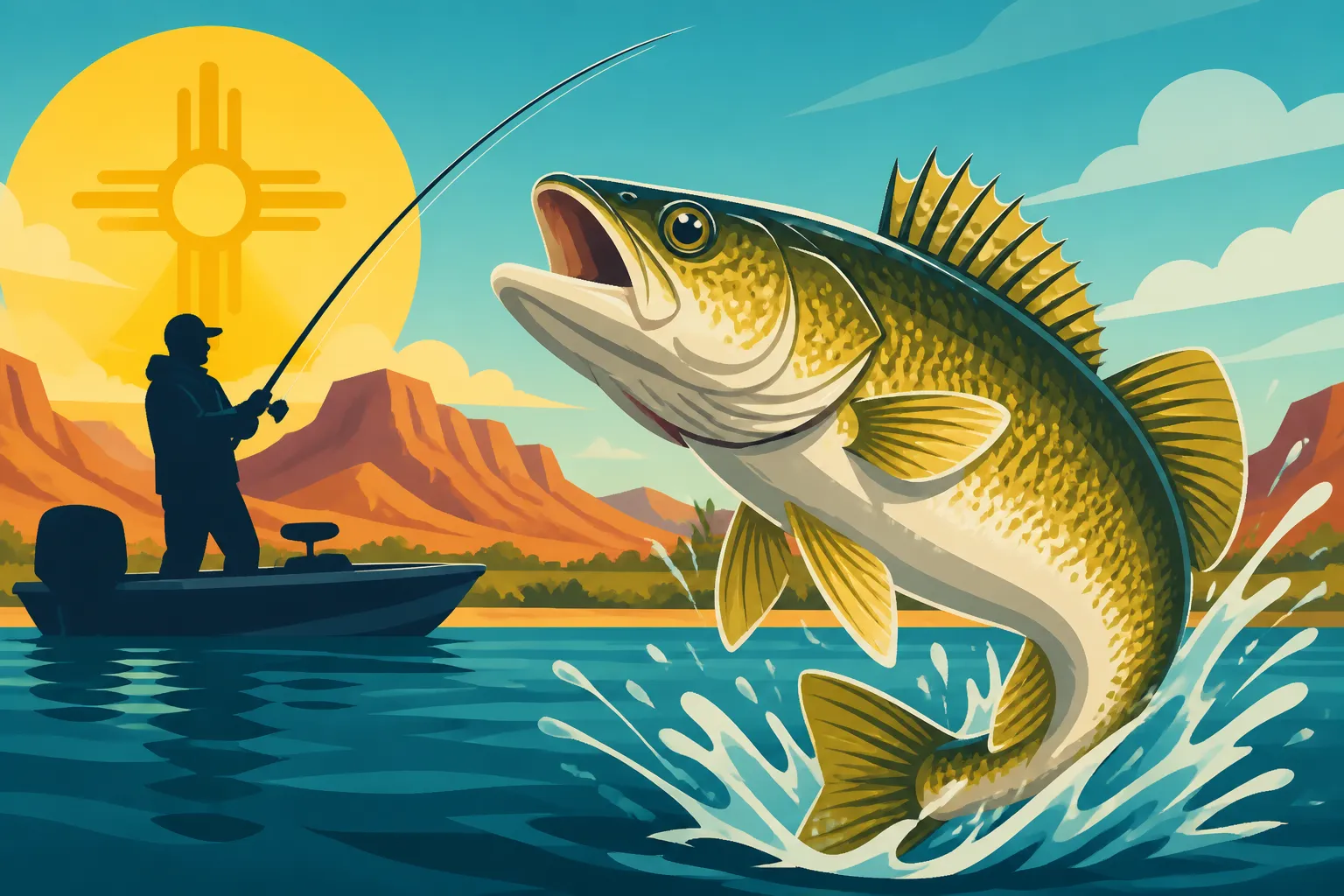
Trying to pin down the best spots for a specific species like walleye in a vast state like New Mexico can feel like a real treasure hunt. Many anglers come here hoping to find those elusive, delicious "marble eyes" only to get frustrated by the sheer size of our reservoirs and the finicky nature of the fish. This guide is dedicated to unlocking the secrets of Sumner Lake, a true gem for walleye enthusiasts, helping you understand where, when, and how to successfully target these prized fish in one of New Mexico's premier fishing destinations.
Why Sumner Lake is a Walleye Hotspot in New Mexico
Sumner Lake, nestled in the scenic Pecos River valley, isn't just another body of water; it's a vibrant ecosystem that has consistently proven itself as a prime location for walleye fishing. The unique blend of its geographical features, water management, and dedicated stocking programs makes it an angler's paradise for those pursuing this particular species. It's a place where the hunt for walleye truly pays off, offering both quantity and quality.
Lake Characteristics and Walleye Habitat
Sumner Lake is a relatively long, narrow reservoir formed by the Pecos River. Its irregular shoreline is dotted with rocky points, submerged humps, and varying depths, which are all crucial elements for creating an ideal walleye habitat. Walleye are structure-oriented fish, meaning they love to hang around features that offer cover, ambush points, and changes in depth. In Sumner, you'll find plenty of these. The lake's clear-to-stained water clarity, depending on recent rainfall and river flow, is also perfect for walleye, which prefer somewhat turbid conditions that allow them to use their superior low-light vision to their advantage.
The Pecos River arm, particularly in the spring and fall, acts as a natural highway for walleye moving upstream to spawn or feeding on baitfish pushed by current. Areas with submerged timber, especially in the upper reaches of the lake, provide excellent cover. These deep pockets and sharp drop-offs are where you’ll often find bigger walleye lurking, waiting for an opportune moment to strike. Understanding these nuances of the lake's structure is the first step to consistent success.
Stocking Programs and Population Health
The New Mexico Department of Game and Fish (NMDGF) has put a significant effort into maintaining and enhancing the walleye population in Sumner Lake. Through consistent stocking programs, they ensure a healthy and thriving fishery. These efforts often involve stocking fingerlings or even larger juvenile walleye, which then grow rapidly in Sumner's rich environment. This proactive management means that anglers can expect to find a robust population of walleye, ranging from respectable eaters to impressive trophy-sized fish.
The health of the walleye population in Sumner is regularly monitored, and the data often shows good growth rates and strong year classes. This commitment to fishery management is what makes Sumner Lake stand out as a reliable walleye destination compared to some other New Mexico lakes. It's not just about throwing fish in; it's about creating a sustainable and rewarding fishing experience. You can learn more about how the NMDGF manages various species by looking into the broader New Mexico Fishing Regulations Overview or specific New Mexico Warm Water Fish Bag Limits.
Essential Techniques for Catching Walleye at Sumner Lake
Walleye can be a bit finicky, but with the right techniques and a good understanding of their behavior, you can consistently put them in the boat at Sumner Lake. It's all about adapting your approach to the conditions, the season, and the specific structures you're fishing. Don't be afraid to experiment, but having a solid foundation in proven methods will give you a significant edge.
Trolling for Sumner Lake Walleye
Trolling is arguably one of the most effective methods for covering water and locating walleye in a large reservoir like Sumner Lake. This technique allows you to present lures at various depths and speeds, mimicking baitfish movement across broad areas or along specific contours.
- Lure Selection: Crankbaits are king when it comes to trolling for walleye. Deep-diving crankbaits are excellent for reaching those deeper walleye in the main lake body, while shallower-running models can be effective along points and flats. Popular brands like Rapala, Berkley Flicker Shad, and Bomber have proven effective here. Color choice can be critical; natural patterns like silver/black, perch, or shad work well in clearer water, while brighter colors like firetiger or chartreuse can shine in stained conditions or on overcast days. Spinner rigs, often tipped with a nightcrawler or minnow, are another deadly option, especially when walleye are scattered.
- Speed and Depth: Walleye prefer a slower presentation, generally between 1.0 to 2.5 miles per hour. However, don't be afraid to vary your speed; sometimes a slight acceleration or deceleration can trigger a strike. Pay close attention to your electronics to identify the depth where fish are holding. Using lead core line, snap weights, or planer boards can help you achieve precise depth control and spread out your presentation. For a deeper dive into this, check out specific Trolling Techniques for New Mexico Lakes.
- Target Areas: Focus your trolling efforts along breaklines, points that extend into the lake, and submerged humps. The main lake basin, particularly the deeper channels and the old river bed, are also prime trolling grounds.
Jigging and Live Bait Strategies
While trolling covers a lot of water, jigging and live bait fishing are often more effective when you've located a concentration of walleye or when they're holding tight to structure. These methods allow for a more precise, vertical presentation.
- Vertical Jigging: This is an excellent technique for targeting walleye holding directly on bottom structure or suspended tightly in schools. Use jigs ranging from 1/4 to 1/2 ounce, tipped with a minnow, a piece of nightcrawler, or a soft plastic grub. Colors like white, chartreuse, and perch are reliable. The key is a subtle lift-and-drop motion, keeping your jig close to the bottom. This works particularly well around rocky points, drop-offs, and humps that show up clearly on your fish finder.
- Live Bait Rigs: Nothing beats live bait for finicky walleye. A simple bottom bouncer rig with a spinner or snell hook, tipped with a lively nightcrawler or shiner minnow, can be incredibly effective. Drift these rigs slowly over promising structure, letting the bait do most of the work. Slip bobber rigs are also fantastic for suspending live bait at a precise depth over structure or around submerged timber. This method is often detailed in guides like Jigging for Walleye in New Mexico.
- Best Times: Live bait and jigging excel during low-light conditions (dawn, dusk, cloudy days) and at night, when walleye are most actively feeding. They are also incredibly productive during cooler water temperatures, such as in spring and fall, when walleye are less active and prefer an easier meal.
Seasonal Approaches to Walleye Fishing
Walleye behavior changes dramatically with the seasons, and so too should your fishing approach. Understanding these shifts is crucial for consistent success at Sumner Lake.
- Spring (Pre-spawn & Spawn): As water temperatures rise into the 40s and 50s Fahrenheit, walleye move shallower, often into the Pecos River arm or rocky shorelines to spawn. This can be a fantastic time for jigging with minnows or casting shallow-running crankbaits. The fish are often concentrated and aggressive. After spawning, they'll be hungry and often remain in shallower areas for a short period before moving deeper. This period is a prime opportunity to score a lot of fish.
- Summer: When the water warms up, walleye will seek deeper, cooler water. This is when trolling with deep-diving crankbaits or lead core line becomes highly effective, especially during low light periods or at night. They'll often be found near the thermocline (if one develops) or hugging main lake points and humps in 20-40 feet of water. Night fishing for walleye in the summer can be incredibly productive, as they move shallower to feed under the cover of darkness.
- Fall: As water temperatures begin to drop, walleye become very active feeders, bulking up for winter. They often move back to mid-depths, congregating around points, humps, and the mouths of feeder creeks. Trolling remains strong, but casting jigs or jerkbaits can also be very effective, especially during cloudy days. This can be some of the most exciting fishing of the year.
- Winter: Ice fishing for walleye at Sumner Lake is possible if the ice conditions are safe, though this varies year to year. When the lake freezes over, walleye will often be found in deeper areas, but they will still move into shallower foraging zones. Vertical jigging with small spoons or blade baits, tipped with a minnow head, can coax bites. Always prioritize safety when considering ice fishing. For more general advice on timing, check out the Best Time of Year to Fish in New Mexico.
Key Locations and Structure to Target on Sumner Lake
Knowing where to focus your efforts can save you a lot of time and increase your chances of finding Sumner Lake's walleye. The lake offers a variety of structures that attract these fish throughout the year.
Main Lake Body and Points
The main body of Sumner Lake is dotted with numerous points, humps, and subtle underwater contours that scream "walleye habitat." These areas are often prime feeding grounds, especially during the summer and fall.
- Rocky Points: Points that extend far into the lake, especially those with rocky bottoms, are classic walleye holding areas. Walleye will position themselves on the sides or tips of these points, ambushing baitfish that swim by. Target these with trolling passes that hug the contours, or by drifting live bait rigs.
- Submerged Humps and Islands: Look for underwater humps or islands that rise from the main lake basin. These are fish magnets, providing both cover and access to deep water. Walleye will often sit on top of these structures during low light or along their edges during brighter conditions. Using a good fish finder is essential for locating these hidden gems.
- Old River Channel: The original Pecos River channel winds its way through the lake bed. Walleye often use this channel as a travel corridor and will hold along its edges, especially where it meets other structures or drops significantly. Trolling along the channel breaks can be very productive.
River Arm and Inlet Areas
The upper Pecos River arm and other smaller creek inlets feeding into Sumner Lake are critical areas, particularly during specific seasons.
- Pecos River Inlet: In the spring, the Pecos River inlet becomes a major spawning ground for walleye. As the water warms, these fish migrate upstream to reproduce. Targeting the transition zones where the river meets the lake, and the deeper holes within the river section, can yield excellent results. However, be mindful of any special regulations during the spawn.
- Current Breaks: Anywhere there's a significant current break, such as behind an island, a submerged stump field, or a sharp bend in the river arm, walleye will often congregate. They use these areas to rest out of the main current while still being close to a food source. Jigging or slowly drifting live bait are effective here.
- Mud Flats and Weed Lines (Seasonal): While Sumner is largely rocky, some areas, particularly in the river arm, can develop seasonal mud flats or weed lines, especially in shallower bays. These can attract baitfish, and consequently, walleye. Pay attention to your electronics for any signs of vegetation.
Using Technology for Walleye Success
In today's fishing world, technology can significantly enhance your walleye fishing success at Sumner Lake. Don't underestimate the power of modern electronics.
- Fish Finders: A quality fish finder with Down Imaging and Side Imaging capabilities is invaluable. It allows you to see not just fish, but also the crucial bottom structure like humps, points, and submerged timber where walleye hide. Mark promising spots with your GPS. You can learn more about choosing the right equipment by reading a guide on Best Fish Finders for New Mexico Reservoirs.
- GPS and Lake Maps: Built-in GPS with detailed lake maps (like those from Lowrance, Garmin, or Humminbird) allows you to navigate precisely, mark waypoints, and return to productive spots. It’s also crucial for understanding contours and finding those subtle breaklines that are walleye magnets. Many modern units come preloaded with excellent New Mexico lake data, or you can purchase specific map cards.
- Utilizing Fishing Apps: Apps like Navionics or C-MAP on your smartphone or tablet can provide detailed contour maps and even crowd-sourced fishing reports, giving you a virtual tour of Sumner Lake before you even launch your boat. Many anglers also find success using services like FishingBooker to connect with local guides who have intimate knowledge of the lake's hot spots and the technology to find them.
Gear and Tackle Recommendations for Sumner Lake Walleye
Having the right gear makes a huge difference, especially when you're trying to outsmart a wary walleye. From your rod and reel setup to the lures in your tackle box, every piece plays a role in your success at Sumner Lake.
Rod, Reel, and Line Setup
Your rod, reel, and line are the direct connection to the fish, so choosing wisely is paramount.
- Rods: For trolling, a medium-light to medium power rod, 7 to 8 feet long, with a moderate action is ideal. This length helps spread lines and the moderate action absorbs the shock of strikes and helps keep fish pinned. For jigging, a sensitive medium-light to medium power spinning rod, 6 to 7 feet long, with a fast action, is preferred. The fast action allows for quick hook sets and better feel of subtle bites.
- Reels: Pair your trolling rods with baitcasting reels that have a reliable drag system and line counters. The line counter is incredibly useful for replicating successful depths. For jigging, a good quality spinning reel in the 2500-3000 size range is perfect, offering smooth retrieve and a strong drag.
- Line: Spool your trolling reels with 10-14 lb monofilament or fluorocarbon. Monofilament offers some stretch which is good for trolling, while fluorocarbon is nearly invisible and sinks, which can be an advantage. For jigging, 6-10 lb braided line with a 6-8 lb fluorocarbon leader is a popular choice. The braid offers incredible sensitivity for detecting those light walleye bites, and the fluorocarbon leader provides stealth. Remember to periodically check your line for nicks and abrasions, especially after fishing around rocky structure.
Lure and Bait Arsenal
Your tackle box for Sumner Lake walleye should be well-stocked with a variety of proven fish catchers.
- Crankbaits: As mentioned, deep-diving crankbaits are essential for trolling. Include a range of sizes and dive depths to match different conditions. Popular colors include natural shad, perch, silver/black, firetiger, and chartreuse. Shallow-diving crankbaits and jerkbaits are great for casting to points or shallow-water areas.
- Jigs: Keep a selection of jigs from 1/8 to 1/2 ounce. Finesse jigs, lead head jigs, and even blade baits should be included. White, black, green pumpkin, and chartreuse are solid color choices. Don't forget soft plastic grub tails or paddle tails in similar colors to tip your jigs.
- Spinner Rigs: Pre-tied spinner rigs with single or double blades (Colorado, Indiana, or willowleaf) are very effective, especially when tipped with live bait. Have a variety of blade colors like silver, gold, and fluorescent orange.
- Live Bait: Always have a supply of fresh nightcrawlers and a way to keep them lively. Minnows (shiners or fatheads) are also excellent, but check local bait shop availability.
- Terminal Tackle: Don't forget essential terminal tackle: extra hooks (octopus hooks are great for live bait), swivels, sinkers (bottom bouncers are a must for drift fishing), and perhaps some small split shots for fine-tuning presentations.
Navigating Sumner Lake and Local Resources
Sumner Lake is a fantastic fishery, but like any large body of water, knowing how to access it and what local resources are available can make your trip much smoother and more successful. Whether you're a seasoned local or a first-time visitor, some insider knowledge always helps.
Boat Ramps and Access Points
Sumner Lake State Park provides excellent facilities for anglers, ensuring relatively easy access to the water.
- Main Boat Ramps: The state park offers several concrete boat ramps, typically located in accessible areas with ample parking. The main ramps are usually well-maintained, but always check water levels, especially during drier seasons, as some ramps might become difficult to use for larger boats. You can often find current information on ramp status directly from the New Mexico State Parks website or by calling the park office.
- Shoreline Access: While walleye fishing is often best from a boat, there are some opportunities for bank fishing, particularly in the spring around rocky points or near the dam. However, the best walleye fishing typically requires covering more water, making a boat highly advantageous. Remember to respect private property lines if venturing outside state park boundaries.
- Kayak and Canoe Launch: For those with smaller watercraft, many of the shallower areas or designated kayak launch points within the state park offer easy access. Kayak fishing can be a highly effective and stealthy way to target walleye, particularly in the river arm or around specific structures.
Guide Services and Local Expertise
Sometimes, the best way to jumpstart your success on a new lake, or even to learn new techniques on a familiar one, is to tap into local expertise.
- Professional Fishing Guides: Hiring a local walleye fishing guide for Sumner Lake can be an invaluable investment. These guides spend countless hours on the water, understand the seasonal patterns, know the secret spots, and can teach you specific techniques that are working right now. Many reputable guides operate on Sumner Lake and can be found through online searches or by checking fishing forums specific to New Mexico. They'll have all the specialized gear and knowledge to put you on fish.
- Online Resources: Websites and apps like FishingBooker are excellent platforms for finding and booking local fishing charters and guides. You can read reviews, compare prices, and see what types of trips are offered, including specialized walleye trips on Sumner Lake. It's a convenient way to ensure you're getting a quality experience from a seasoned professional.
- Local Bait Shops and Marinas: Don't underestimate the wealth of information available at local bait shops and marinas around Sumner Lake. The folks working there often have their fingers on the pulse of the local bite. They can provide up-to-the-minute reports on what's working, where fish are being caught, and current lake conditions. They're also a great source for purchasing live bait, which can sometimes be hard to find in remote areas.
Regulations and Conservation for Sumner Lake Walleye
Fishing in New Mexico, especially for popular species like walleye, comes with a responsibility to understand and adhere to the state's regulations. These rules are in place to protect the fishery and ensure healthy populations for future generations of anglers.
New Mexico Walleye Bag and Size Limits
It's critical to know the specific regulations for walleye in New Mexico, as they can sometimes vary by water body. For Sumner Lake, the general statewide regulations typically apply, but always double-check the most current New Mexico Fishing Regulations booklet, which is updated annually.
As of the current regulations, the statewide bag limit for walleye is generally generous, but there are specific size restrictions to protect larger, spawning-capable fish. For instance, there might be a slot limit or a restriction on how many fish over a certain length you can keep. Always consult the official NMDGF regulations, which can be found online or at any license vendor. Ignoring these rules can lead to significant penalties, so it's not worth the risk. This is covered in more detail in the New Mexico Fishing Regulations Overview.
Practicing Responsible Angling
Beyond just following the rules, responsible angling practices contribute significantly to the health and sustainability of Sumner Lake's walleye fishery.
- Catch and Release: While walleye are delicious table fare, practicing catch and release, especially for larger breeding-sized fish, helps maintain a robust population. If you plan to release a fish, handle it carefully. Wet your hands before touching the fish, minimize its time out of the water, and use a de-hooking tool to remove hooks quickly and cleanly. Consider using barbless hooks to make release even easier.
- Respecting the Resource: Always pack out what you pack in. Litter harms the environment and detracts from the beauty of our fishing spots. Be mindful of other anglers and boaters, maintaining courteous distances.
- Reporting Violations: If you witness any fishing violations, such as someone exceeding bag limits or fishing illegally, report it to the New Mexico Department of Game and Fish. Protecting our resources is a collective effort.
- Fish Handling for Consumption: If you plan to keep walleye, ensure you know the bag limits and promptly place them on ice in a cooler. This keeps the fish fresh and ensures the best possible taste. For guidance on this, consider resources like Best Coolers for Keeping Fish Fresh in New Mexico.
Sumner Lake truly offers an incredible opportunity for walleye enthusiasts in New Mexico. By understanding the lake's unique characteristics, employing the right techniques, knowing where to target these fish, and respecting the regulations, you're well on your way to a memorable and successful walleye fishing experience. Good luck out there, and tight lines!
Disclaimer
Please note that fishing regulations, water levels, and fish stocking schedules can change. Always consult the most current New Mexico Department of Game and Fish regulations guide before heading out on your fishing trip. Local conditions, such as weather and lake access, can also vary.