Where to Catch Smallmouth Bass in New Mexico
If you're an angler in New Mexico, you know the thrill of the chase, but sometimes, figuring out where to find that specific, feisty smallmouth bass can feel like a real puzzle. While our state boasts some incredible fishing, smallmouth aren't as widespread as their largemouth cousins, and locating their preferred habitats requires a bit of insider knowledge. This comprehensive guide is here to cut through the confusion and point you directly to the best waters for hooking into New Mexico's hard-fighting smallmouth bass, along with the tactics you'll need to succeed.
Understanding Smallmouth Bass in New Mexico
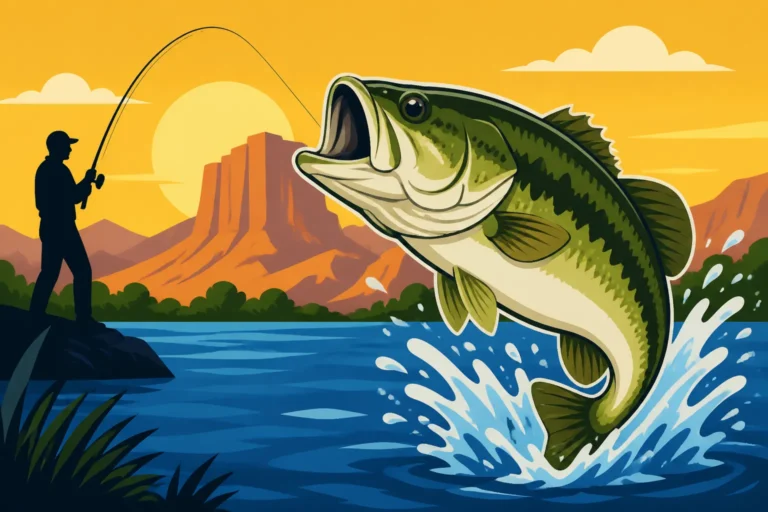
Smallmouth bass, often affectionately called "bronze-backs" or "brown bass," are a prized game fish known for their incredible fighting spirit and acrobatic leaps. Unlike largemouth bass, which thrive in weedy, murky waters, smallmouth prefer clear, cool water with rocky or gravel bottoms, often found in deeper lakes and rivers with current. This specific habitat preference means they aren't in every New Mexico lake or pond, making your search more focused.
Why Smallmouth Are a Unique Catch in the Land of Enchantment
New Mexico's diverse aquatic environments present unique challenges and opportunities for smallmouth enthusiasts. Our high-desert state might not immediately scream "smallmouth paradise," but we do have several excellent fisheries where these fish thrive. The key is understanding that these specific bodies of water mimic the rocky, cooler, and clearer conditions they crave. You won't find them lurking in the cattails of a shallow farm pond; instead, you'll be targeting rocky points, ledges, and drop-offs in our larger reservoirs and select river stretches. This makes the hunt for smallmouth a more strategic endeavor, often rewarding anglers who understand structure and water clarity.
Identifying Smallmouth vs. Largemouth Bass
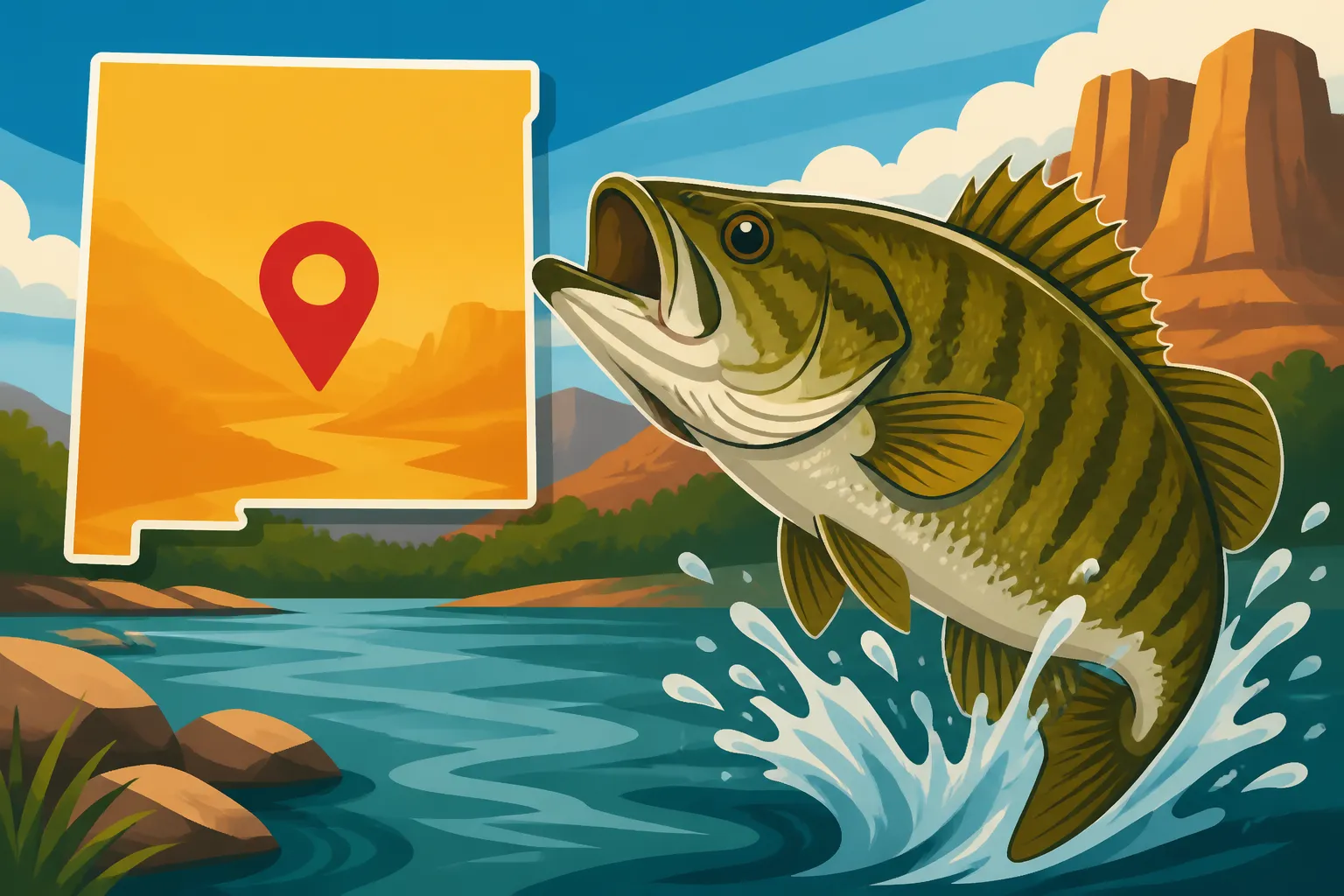
Before you even cast a line, it's super helpful to know what you're looking for! Sometimes, folks get their bass species mixed up, especially since both are widespread. The easiest way to tell a smallmouth from a largemouth bass is by checking the jaw. On a smallmouth, when its mouth is closed, the corner of its jaw typically doesn't extend past the middle of its eye. For a largemouth, that jaw goes well past the eye. Smallmouth also tend to have more uniform vertical bars or blotches along their sides, giving them that signature bronze color, while largemouth often have a distinct dark, horizontal stripe. Knowing this helps you confirm you're in the right spot and targeting the right fish, especially if you're trying to achieve a New Mexico State Record Smallmouth Bass.
Top New Mexico Fishing Spots for Smallmouth Bass
When it comes to smallmouth bass fishing in New Mexico, a few particular lakes and rivers stand out as prime destinations. These locations consistently produce good numbers of smallmouth, and sometimes even trophy-sized fish, due to their ideal habitat.
Ute Lake State Park
Located in eastern New Mexico near Logan, Ute Lake is often considered the state's premier smallmouth bass fishery. This large reservoir, formed by the Canadian River, is absolutely brimming with the rocky shorelines, steep drop-offs, and clear water that smallmouth adore. It’s not uncommon to pull 2 to 4-pound smallmouth here, and larger fish are certainly present.
Anglers often find success targeting the abundant rock piles, submerged timber, and bluff walls that characterize much of Ute Lake's structure. The lake's irregular shape with numerous coves and points offers endless opportunities for exploration. You'll find smallmouth congregating in these areas, especially during the spring spawn and throughout the summer months when they actively feed. For a fantastic experience, consider booking a local guide through platforms like FishingBooker, who can show you the lake's hot spots and share their specific knowledge of Ute Lake Striped Bass Fishing and other species.
Cochiti Lake
Nestled north of Albuquerque on the Rio Grande, Cochiti Lake offers a fantastic opportunity for smallmouth bass fishing, especially given its proximity to the state's largest city. This lake is another excellent smallmouth haven, largely due to its rocky bottom and clear waters. While Cochiti is known for being a "no-wake" lake for much of its surface, which creates a peaceful environment, it also has plenty of structure for smallmouth to inhabit.
The best fishing spots for smallmouth at Cochiti Lake are typically around the dam area, rocky shorelines, and any submerged structures or rubble. Early mornings and late evenings are prime times, especially during the warmer months, when the fish move shallower to feed. Light tackle and subtle presentations often work best here. It’s a great place for bank fishing, too, for those who don't have a boat, offering good access to some prime smallmouth habitat along the shores. You can learn more about general fishing at Cochiti Lake Fishing.
Abiquiu Lake
Further north, in the breathtaking red rock country, Abiquiu Lake is another strong contender for smallmouth bass. This reservoir, also on the Rio Chama, offers picturesque scenery along with its angling opportunities. Abiquiu's clear, deep waters and rocky ledges make it an ideal home for smallmouth, alongside a healthy population of kokanee salmon and other species.
Look for smallmouth around the numerous rock outcroppings, submerged islands, and steep banks that drop into deeper water. These fish can be a bit more elusive here, requiring patience and a good understanding of their behavior. Fishing the transition areas where rock meets sand or gravel can be particularly productive. Like Cochiti, Abiquiu provides a beautiful backdrop for a day on the water, and fishing from a kayak or smaller boat allows you to access some of the more secluded smallmouth haunts. If you're planning a trip, be sure to check out information on Abiquiu Lake Smallmouth Bass Fishing for more targeted advice.
Elephant Butte Lake
While Elephant Butte Lake is famous for its monstrous striped bass and abundant largemouth, it also holds a respectable population of smallmouth bass, particularly in certain areas. This massive reservoir, New Mexico's largest, has incredible diversity, and some of its deeper, rockier sections provide excellent smallmouth habitat.
To target smallmouth at Elephant Butte, focus your efforts on the northern end of the lake, particularly in areas with significant rock structure, bluffs, and steep banks. These are the areas where the water tends to be clearer and the habitat more suitable for smallmouth. During periods of lower water, exposed rock formations can be prime spots. Don't be surprised if you catch a trophy largemouth or a hard-fighting striper while hunting for smallmouth here; it's all part of the fun at this diverse fishery. For general information on this fantastic lake, check out the Elephant Butte Lake Fishing Guide.
Other Notable Smallmouth Waters
While the above lakes are the heavy hitters, a few other spots occasionally yield smallmouth or are known to have smaller, yet healthy, populations:
- Lake Sumner: Down in southeastern New Mexico, Sumner Lake is another reservoir on the Pecos River that, while primarily known for walleye and largemouth, can surprise you with a smallmouth or two, especially in its rockier sections.
- Bill Evans Lake: This smaller, often overlooked gem near Silver City is designated as a "Special Trout Water" but has also been known to hold smallmouth bass, particularly in the warmer months. Its clear waters and rocky features make it suitable habitat. You can find more details on Bill Evans Lake Fishing.
- The Rio Grande: While most of the Rio Grande is not prime smallmouth territory, some stretches, particularly those with rocky bottoms and good current, might occasionally turn up a smallmouth, especially in the more northern parts of the state.
Effective Techniques for Catching Smallmouth Bass
Now that you know where to go, let's talk about how to get those feisty smallmouth to bite! Smallmouth bass are aggressive predators, but they can also be finicky, especially in clear water. Tailoring your approach to their preferences is key.
Lure Selection and Presentation
Smallmouth bass are opportunistic feeders, but they do have their favorites. When fishing New Mexico waters, think about lures that imitate crayfish, minnows, or smaller baitfish that are common in rocky environments.
- Jigs: Finesse jigs, tube jigs, and hair jigs are incredibly effective. Mimic crayfish by hopping and dragging them along the bottom, especially around rocky structures. Colors like green pumpkin, brown, or black are often winners. The slow, methodical presentation of a jig can be irresistible to a smallmouth lurking in the rocks.
- Crankbaits: Smaller, shallow-diving crankbaits in natural baitfish patterns (shad, crawfish) can be deadly, particularly when retrieved to bounce off rocks. Squarebill crankbaits are excellent for this, as they deflect off cover without getting hung up as easily. Medium-diving crankbaits work well for covering deeper points and ledges.
- Spinnerbaits and Chatterbaits: For covering water quickly, especially around submerged brush or rock piles, these can be great choices. The flash and vibration can draw strikes from aggressive fish. White, chartreuse, or combinations of these colors are popular.
- Soft Plastics: Grubs, small swimbaits, and finesse worms rigged on a drop shot or shaky head can be incredibly effective when fish are pressured or less active. The subtle action of a small soft plastic can entice bites when other lures fail. For more ideas on what works, check out our guide on the Best Lures for New Mexico Bass.
Presenting your lure effectively means understanding the structure. Cast parallel to rocky banks, work jigs and plastics slowly along the bottom, and use erratic retrieves with crankbaits to mimic fleeing baitfish. Remember, smallmouth often hit hard, so be ready for a solid strike!
Tackle and Gear Recommendations
For smallmouth bass, a medium-light to medium-action spinning rod (6'6" to 7'0") paired with a reliable spinning reel spooled with 6-10 lb fluorocarbon or braided line with a fluorocarbon leader is a versatile setup. Fluorocarbon is often preferred for its low visibility and sensitivity, which is crucial in clear waters.
When it comes to Bass Fishing Techniques for New Mexico Lakes, having a good quality landing net is also advisable, as smallmouth can put up a strong fight right at the boat or bank. Polarized sunglasses are also a must for spotting underwater structure and even cruising fish in New Mexico’s bright sunlight. A sturdy pair of wading boots or boat shoes will help you navigate rocky shorelines safely.
| Lake/River | Primary Smallmouth Habitat | Recommended Lures | Best Fishing Season | Notes |
|---|---|---|---|---|
| Ute Lake | Rocky points, ledges, bluff walls | Jigs, crankbaits, tubes | Spring, Summer, Fall | NM's premier smallmouth lake; trophy potential |
| Cochiti Lake | Dam area, rocky shorelines, submerged structures | Finesse jigs, drop shot, small crankbaits | Spring, Summer | No-wake zones, peaceful, good bank access |
| Abiquiu Lake | Rock outcroppings, steep banks | Jigs, swimbaits, finesse worms | Spring, Summer, Early Fall | Scenic, clear water; sometimes deeper presentation needed |
| Elephant Butte (North End) | Northern rocky sections, bluffs | Tubes, jigs, swimbaits, jerkbaits | Spring, Fall | Mixed fishery, focus on specific rocky areas |
| Lake Sumner | Rocky areas, dam vicinity | Jigs, spinnerbaits | Spring, Fall | Secondary smallmouth fishery, good general bass |
Best Times to Target Smallmouth
Like most bass, smallmouth have seasonal patterns that dictate their behavior and where you'll find them.
- Spring: This is prime time! As water temperatures rise into the 50s and 60s Fahrenheit, smallmouth move into shallower, rocky areas for their spawn. They'll be aggressive and easier to locate. Target points, coves, and flats with rocky bottoms. This is when you can really hit a New Mexico Fishing Season Calendar hard for bass.
- Summer: Smallmouth move deeper to find cooler water and stable oxygen levels. Look for them on main lake points, submerged humps, rock piles, and deep ledges. Early mornings and late evenings can bring them shallower to feed, especially on cloudy days. Night fishing can also be surprisingly effective for larger fish. Check out tips for Summer Fishing in New Mexico.
- Fall: As water temperatures cool, smallmouth become active again, feeding heavily in preparation for winter. They'll often move back to shallower, rocky areas, similar to spring, before retreating to deeper wintering grounds. This can be a fantastic time for consistent action, often overlapping with excellent Fall Fishing in New Mexico.
- Winter: Smallmouth become lethargic and typically hold in deep, stable areas like channel swings, bluff ends, and deep rock piles. Fishing during this time usually requires slower presentations with jigs or small spoons, targeting them when they school up in their wintering holes.
Always remember to check the current New Mexico Fishing Regulations Overview before heading out, as limits and special rules can vary by water body.
Final Thoughts and Planning Your Trip
Catching smallmouth bass in New Mexico is a rewarding experience, offering a different kind of challenge than targeting their largemouth cousins. With their powerful fights and preference for beautiful, clear-water environments, they're a true prize for any angler. By focusing on the rocky, clear lakes like Ute, Cochiti, and Abiquiu, and employing the right techniques, you'll significantly increase your chances of hooking into these incredible bronze-backs.
Don't be afraid to experiment with different lures and presentations, especially when the bite is tough. The more time you spend on the water, observing fish behavior and learning the nuances of each fishery, the more successful you'll become. Whether you're a seasoned pro or just getting started, New Mexico's smallmouth bass waters offer an adventure you won't soon forget. If you're looking to maximize your success or explore a new lake with confidence, consider tapping into the expertise of local guides. A quick search on FishingBooker can connect you with experienced professionals who know these waters inside and out. Tight lines!
Disclaimer
The information provided in this guide is for general informational purposes only and is subject to change. Fishing regulations, season dates, and access points can vary and be updated by the New Mexico Department of Game and Fish. Always consult the most current official New Mexico Fishing Proclamation and any local ordinances before planning your fishing trip. The author and publisher are not responsible for any inaccuracies or for any loss, damage, or injury incurred as a result of using this information. Fish responsibly and safely.