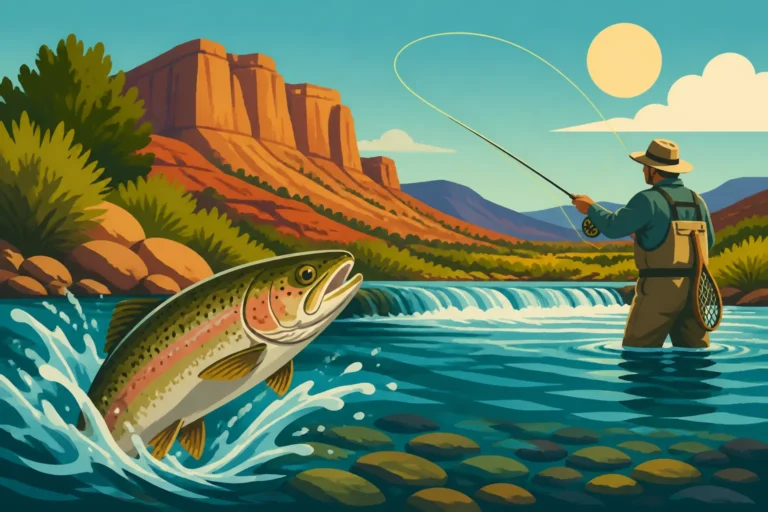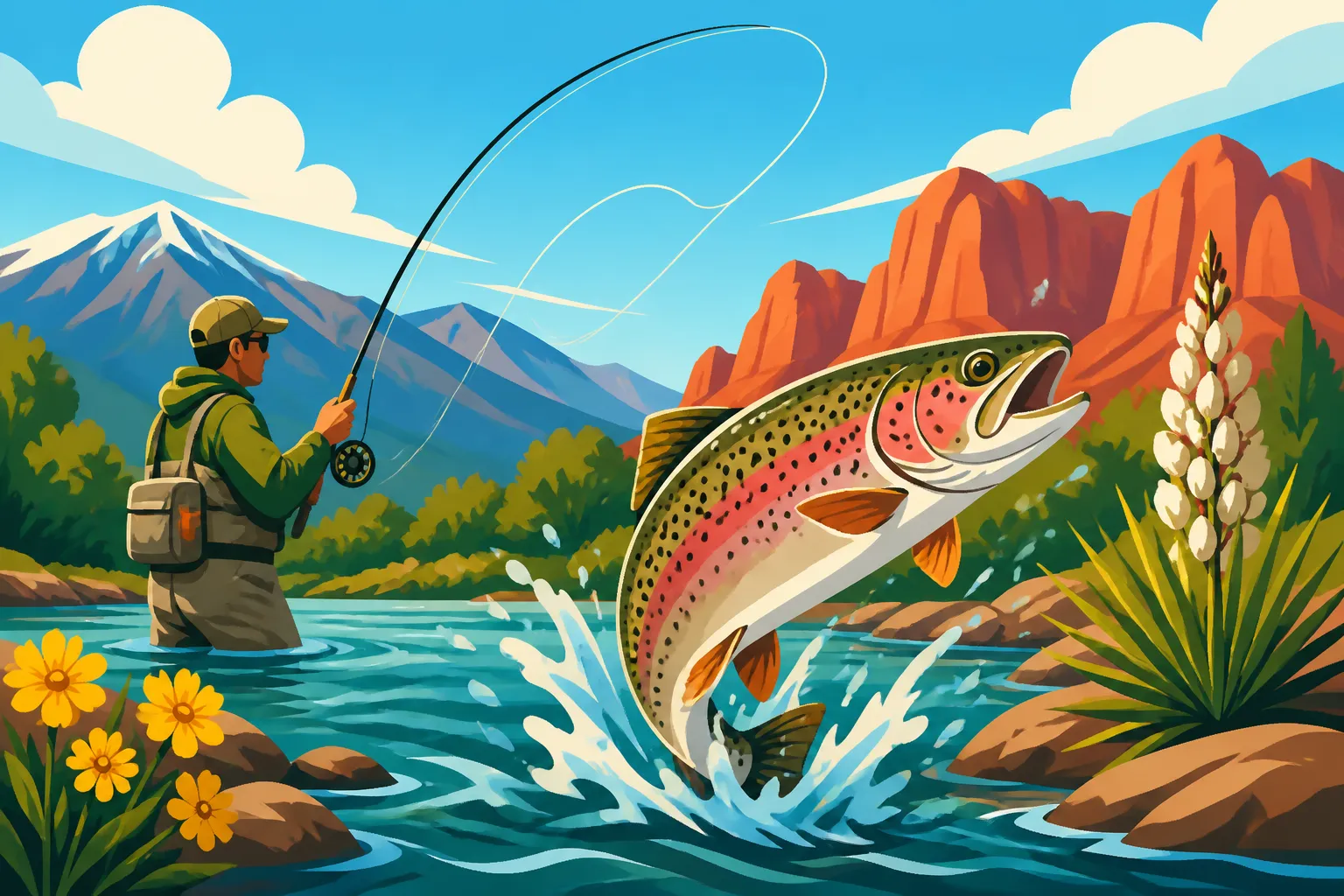
Spring Trout Fishing in New Mexico
Ah, spring in New Mexico! If you've ever felt that undeniable twitch in your rod hand as the days start stretching longer and the snow begins to melt in the mountains, you're not alone. The transition from winter's chill to spring's vibrant awakening can be a bit tricky for anglers, with unpredictable weather and ever-changing water conditions making it tough to know where to even begin. This comprehensive guide is here to untangle those spring fishing mysteries, providing you with the insights and strategies to make this season your most successful trout fishing adventure yet in the Land of Enchantment.
The Lure of Spring Trout in the Land of Enchantment
There's something truly magical about spring trout fishing in New Mexico. After the long, often quiet, winter months, the natural world seems to burst back to life, and the fish are no exception. For many of us, it's the season we've been dreaming of since the last snowfall. But what exactly makes spring such a prime time, and how do New Mexico's unique landscapes play into this?
Why Spring is Peak Time for Trout
Spring offers a window of opportunity that seasoned anglers eagerly anticipate. As water temperatures gradually rise from their winter lows, trout become significantly more active. Their metabolism picks up, and they begin feeding much more aggressively to replenish energy reserves lost during the colder months and prepare for spawning cycles later in the year. This increased activity means they're more likely to strike your offerings. Furthermore, spring often brings a flush of new aquatic insect hatches, from midges and blue-winged olives to caddis, providing a buffet that trout simply can't resist. These hatches can trigger frenzied feeding periods, offering some of the most exciting dry-fly or nymphing action of the year.
Beyond the biological reasons, spring in New Mexico is often characterized by moderate weather. While you might still encounter a late-season snowstorm or a blustery day, many spring days are simply glorious – crisp mornings giving way to warm, sunny afternoons. This comfortable weather makes for a much more enjoyable day on the water compared to the freezing temperatures of winter or the scorching heat of summer. It’s also a time when many of the state’s waters, particularly the high-country lakes and streams, become accessible again after being locked under ice or snow, opening up new possibilities for exploration. If you're wondering When Does Trout Season Start in New Mexico?, generally, trout fishing is open year-round in most waters, but spring is when the conditions really align for optimal success.
Understanding New Mexico's Diverse Trout Habitats
New Mexico isn't just one type of fishing experience; it's a tapestry of varied habitats, each presenting unique opportunities and challenges for spring trout anglers. From the high-desert rivers to the pristine alpine lakes, understanding these environments is key to finding success. You have classic freestone rivers like the Rio Chama and parts of the Pecos River, which can experience significant spring runoff from snowmelt, turning gin-clear waters into raging torrents. These rivers require specific strategies to navigate the higher, often murkier flows, but they also hold robust populations of wild brown and rainbow trout.
Then there are the renowned tailwater fisheries, most notably the San Juan River below Navajo Dam. These waters maintain a consistently cold temperature and stable flow throughout the year, making them less susceptible to the wild swings of spring runoff. The San Juan Quality Waters, in particular, are famous for their prolific insect life and large, healthy trout, offering incredible fly-fishing opportunities even when other rivers are blown out. Beyond the rivers, New Mexico boasts numerous high mountain lakes, such as Fenton Lake or Eagle Nest Lake, which transition from ice-covered gems to open water paradises as spring progresses. These lakes often receive regular stockings from the New Mexico Department of Game and Fish, providing readily available targets for bait and lure anglers. Each of these unique environments demands a slightly different approach, from gear selection to presentation, which we'll delve into further.
Navigating the Challenges of Spring Conditions
While spring fishing in New Mexico is fantastic, it's not without its quirks. The transition period can throw a lot at you, from fluctuating river levels to unpredictable temperature swings. Being prepared for these challenges is part of what makes a successful spring angler.
Dealing with Spring Runoff and High Water
One of the biggest hurdles for spring anglers in New Mexico, especially in our mountain rivers and streams, is the dreaded spring runoff. As the winter snowpack melts, especially during warm spells, rivers can swell rapidly, becoming high, fast, and often incredibly muddy. This can be frustrating when you're itching to get on the water. However, it doesn't mean you have to pack up and go home. Many anglers consider it a "blown out" condition, but it's often a matter of adjusting your strategy and knowing where to look. When rivers are high, trout tend to move out of the main current and seek refuge in slower, more predictable water. This means focusing your efforts on eddies, seams, backwaters, and the calmer inside bends of rivers. These areas provide relief from the heavy current and often concentrate food as well.
Furthermore, clarity is crucial. While the main channel might be a chocolate milk mess, sometimes smaller tributaries, spring creeks, or even sections of the river further downstream that receive less runoff can remain fishable. In these conditions, heavy nymph rigs, streamers, or larger, brighter lures that create a strong vibration can be incredibly effective, as fish rely more on scent and lateral line detection in murky water. It's also a prime time to consider fishing one of New Mexico's famous tailwater fisheries, like the San Juan River below Navajo Dam, where releases from the dam often stabilize flows, making them largely unaffected by upstream snowmelt. Keeping an eye on river flow data, which is readily available online for most major rivers, is crucial before heading out. Check out resources on Checking River Flow Before Fishing the San Juan to stay informed.
Temperature Swings and Their Impact on Trout Behavior
New Mexico weather in spring can be, shall we say, moody. One day it's shorts and t-shirt weather, the next you're bundling up against a late-season snow shower. These temperature swings, both in air and water, have a significant impact on trout behavior. Cold snaps can slow fish down, making them less willing to move for a meal, while sudden warm spells can kickstart insect hatches and aggressive feeding. Early spring mornings, especially in higher elevations, can be quite cold, keeping trout relatively dormant and hugging the bottom. As the sun climbs higher and warms the water, usually mid-morning to afternoon, activity tends to pick up.
Anglers need to be flexible and adaptable. If you start your day with a nymph rig probing deep pools, be prepared to switch to dry flies if a hatch suddenly erupts in the afternoon. Pay close attention to water temperature, if you have a thermometer, as even a few degrees can make a world of difference. Trout, being cold-blooded, are highly sensitive to these changes. Look for areas where the sun hits the water first, warming it slightly, or areas where warmer feeder creeks enter a colder main body of water, creating a comfortable thermal zone for fish. Dressing in layers is absolutely non-negotiable for spring fishing in New Mexico – you'll thank yourself when that unexpected squall rolls in or the sun beats down unexpectedly.
Essential Gear and Tackle for Spring Trout Success
Having the right tools for the job can make or break your spring trout fishing experience in New Mexico. Because conditions are so variable, a versatile setup or at least a few key pieces of specialized gear will serve you well. Don's just grab your summer bass rod and hope for the best; trout fishing is a nuanced game!
Rods, Reels, and Line for Varying Conditions
When it comes to rods, versatility is the name of the game for spring trout. For general-purpose spinning setups, a medium-light action rod, typically 6 to 7 feet in length, is a fantastic choice. This length provides good casting distance for covering larger water bodies like lakes and reservoirs, while still offering enough sensitivity for detecting subtle bites and enough backbone to handle a feisty rainbow or brown trout in a river current. Pair this with a lightweight spinning reel spooled with 4-6 pound test monofilament or fluorocarbon line. Fluorocarbon is excellent for its low visibility and abrasion resistance, especially in clear water or around rocky river bottoms. If you’re fishing smaller streams or heavily stocked ponds, a shorter, ultralight rod (5-6 feet) with 2-4 pound test line can be incredibly fun and sensitive.
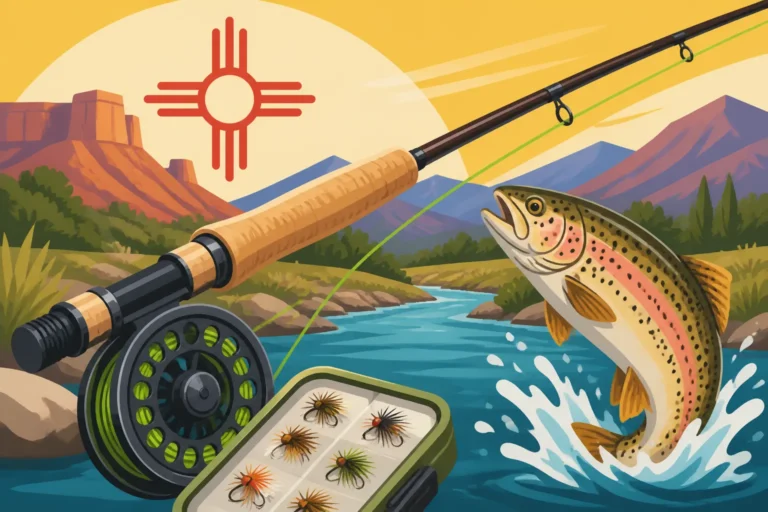
For the fly anglers among us, a 9-foot, 5-weight fly rod is widely considered the workhorse for New Mexico trout fishing. It's versatile enough to cast a wide range of fly sizes, from tiny midges to larger streamers, and can handle everything from small creek trout to bigger river specimens. A good quality, matching reel with a reliable drag system and a floating weight-forward fly line is essential. Don't forget to have a sinking leader or sink-tip line handy if you plan on fishing deep with nymphs or streamers, especially during runoff. Investing in a quality leader and tippet material (often 4x-6x for nymphs and dries, or heavier for streamers) is also crucial; cheap leader material can cost you a trophy fish. You can find excellent options for these on Amazon, often with reviews that help you gauge their performance in various conditions. Remember, having a slightly longer rod can also help with line management when you're dealing with higher, faster water.
Spring-Specific Baits, Lures, and Flies
The changing conditions of spring demand a varied approach to your bait, lure, and fly selection. What works one day might be completely ignored the next, so bringing a diverse arsenal is key.
For Bait Anglers:
When waters are cold and clear, PowerBait in bright, visible colors like chartreuse, white, or rainbow is a perennial favorite for stocked trout. Rigged on a small treble hook with a sliding sinker, it's highly effective for still waters or slower moving currents. For more natural presentations, try a worm or a salmon egg. As waters warm up, live worms or even prepared dough baits can become more appealing. Look for areas where the bait can settle on the bottom without getting swept away by strong currents.
For Lure Anglers:
Spinners are a fantastic choice in spring, especially for active trout in streams and rivers. Brands like Panther Martin, Mepps, and Roostertail in sizes #0 to #2 are extremely effective. Bright colors like gold, silver, and copper often work well, as do patterns with some orange or red accents, mimicking salmon eggs or irritated baitfish. Small spoons, such as Kastmasters or Little Cleos, are also excellent, particularly in lakes or larger pools where they can be cast a good distance and fished at varying depths. When the water is a bit murky from runoff, consider slightly larger, brighter, or more vibrantly colored lures that create more vibration, making them easier for fish to detect. These can be easily found on Amazon and are a staple in many New Mexico anglers' tackle boxes.
For Fly Anglers:
Spring is prime time for insect hatches, so your fly box should be well-stocked. Early spring will see a lot of small nymphs and midges, so patterns like zebra midges, pheasant tails, and prince nymphs in sizes #18-22 are essential. As the weather warms, look for blue-winged olive (BWO) hatches (sizes #18-20) and later, caddisflies (sizes #14-18). Having emerger patterns to match these hatches is also critical, as trout often key in on insects struggling to break the surface. For high or off-color water, don't shy away from larger, darker nymphs like a rubber-legged stonefly or a San Juan Worm. Streamers, mimicking baitfish, are also incredibly effective, especially for targeting larger, more aggressive trout, or when the water is slightly off-color. Woolly Buggers in black, olive, or brown in sizes #6-10 are a must-have. Don't forget your dry flies for those magical moments when trout are sipping insects off the surface. If you want to dive deeper into what specific patterns work, check out Fly Selection for New Mexico's San Juan River.
Top New Mexico Destinations for Spring Trout
New Mexico is blessed with an abundance of diverse fishing waters, and spring opens up many of these to incredible trout fishing. Knowing where to go can save you a lot of time and increase your chances of success.
Legendary Rivers and Their Spring Charms
New Mexico boasts some truly iconic rivers that come alive with trout fishing opportunities in the spring. Foremost among them is the San Juan River below Navajo Dam. This tailwater fishery is a world-renowned destination for a reason. Its consistent cold water temperatures and steady flows, thanks to the dam, mean it largely avoids the severe runoff issues that plague many other rivers. This stability provides an ideal environment for prolific insect hatches, leading to incredible nymphing and dry-fly fishing for large, robust rainbow and brown trout. The "Quality Waters" section, in particular, is a fly-fishing paradise, though it requires barbless hooks and artificial lures or flies only. Even in early spring, when other rivers are high and muddy, the San Juan often remains clear and fishable, making it a reliable choice. You can learn more about this incredible stretch in our guide to the San Juan River Quality Waters Section.
Further south and east, the Pecos River offers a completely different experience. As it flows through the Pecos Wilderness, it becomes a classic mountain freestone stream, accessible by hiking. Here, you'll find wild brown trout and native Rio Grande cutthroat trout. Early spring can be challenging with high snowmelt, but as runoff subsides and the water begins to clear, the Pecos offers solitude and stunning scenery alongside excellent fishing. Further downstream, closer to the towns of Pecos and Terrero, sections of the river are often stocked, providing easier access and more consistent action for bait and lure anglers. The Rio Chama, particularly the section below Abiquiu Dam, is another fantastic spring trout destination. Similar to the San Juan, this tailwater offers consistent flows and cold water, producing strong populations of rainbow and brown trout. Fly fishing here can be exceptional, especially as blue-winged olives and caddis hatches emerge. Just remember to check flow releases before you go, as conditions can change.
Lakes and High Mountain Waters Awakening
Beyond the rivers, New Mexico's lakes and reservoirs offer diverse spring trout fishing experiences. Fenton Lake State Park is a popular choice for families and anglers seeking a beautiful, serene setting. This high-elevation lake is typically stocked heavily with rainbow trout and, once the ice comes off in early spring, offers excellent bank fishing and opportunities for float tubers or small boats. PowerBait, worms, and small spinners are often very effective here. Fenton Lake also has special regulations in some areas, so always check the latest New Mexico Trout Fishing Rules.
Eagle Nest Lake in northern New Mexico is another jewel, famous for its kokanee salmon and trophy-sized rainbow trout. As the ice recedes, often in late April or early May, the lake awakens. Early spring can be fantastic for trolling with small spoons or pop gear for both kokanee and rainbows, or casting from shore near inlets. The lake is vast and can be windy, so prepare accordingly if you plan to boat. For those willing to hike, New Mexico's high mountain lakes truly shine in late spring as they become accessible. Waters in the Pecos Wilderness and Latir Wilderness, for instance, hold populations of brook, rainbow, and native cutthroat trout. These remote lakes offer unparalleled solitude and pristine fishing, but require robust gear and a willingness to trek. Always consult the New Mexico Fishing Regulations Overview for specific limits and rules in these sensitive areas.
Effective Techniques for Catching Spring Trout
Spring in New Mexico means you need to be a bit of a chameleon with your fishing tactics. What works in one water body or at one time of day might not work in another. Being adaptable and having a few different techniques in your arsenal will significantly boost your success rate.
Mastering Presentation in Murky and Clear Waters
One of the defining characteristics of spring fishing, as we discussed, is the variability in water clarity. Rivers swollen with snowmelt can be murky, while tailwaters and stillwaters often remain gin-clear. Your presentation needs to match these conditions.
In murky or high water conditions, visibility is low, so trout rely more on their other senses, like their lateral line for detecting vibrations and their sense of smell. This means your presentation needs to be assertive. For bait anglers, heavier weights might be necessary to get your bait down quickly and keep it in the strike zone. Consider using scented baits or adding scent to your lures and flies. For lure anglers, crankbaits, spinnerbaits, or larger, brighter spoons that create a lot of flash and vibration are often effective. Colors like chartreuse, orange, and even black can stand out better in stained water. The key is to get your offering in front of the fish and make it easy for them to find. Fishing slower water, like eddies and current seams, becomes even more important, as fish won't expend much energy fighting a strong current in low visibility.
Conversely, in clear water, stealth and realism become paramount. Trout in clear water have excellent vision and can be incredibly wary. This is where lighter lines, longer leaders, and precise casting come into play. For fly anglers, matching the hatch with accurate fly patterns and delicate presentations is crucial. Even a subtle drag on your dry fly can spook a fish. For spinning anglers, fluorocarbon line is your friend due to its near-invisibility underwater. Small, natural-colored lures that mimic the local forage, or even micro-jigs under a bobber, can be deadly. When the water is clear, trout often hold in deeper pools or under cover, so presenting your bait or lure naturally into these areas without creating a disturbance is key. Sometimes, simply fishing further away from the bank and making longer casts can make all the difference.
Adapting to Trout Feeding Patterns Post-Winter
After a winter of reduced activity and sparse feeding, spring trout are often hungry, but their feeding patterns can be quite specific and change throughout the day and as spring progresses. Early spring, when waters are still quite cold, trout tend to be lethargic and will often hug the bottom, expending minimal energy. During this period, slow, deep presentations are often most effective. Think heavy nymph rigs bounced along the bottom, or PowerBait fished with a sliding sinker to keep it stationary. Fish aren't typically willing to chase a fast-moving lure or fly when their metabolism is slow. The middle of the day, when the water has warmed slightly, often provides the best bite.
As spring advances and water temperatures consistently rise, insect activity increases dramatically. This is when you'll start to see prolific hatches of blue-winged olives (BWOs), midges, and later, caddisflies. Trout will often key in on these specific food sources, sometimes ignoring everything else. For fly anglers, matching the size, shape, and color of the hatching insects with your flies is critical. This can also be a fantastic time for dry-fly fishing when fish are actively rising. Even for bait and lure anglers, observing what insects are present can inform your choices – a small, olive-colored spinner might mimic a caddisfly, or a tiny jig could imitate a nymph. Understanding the New Mexico Fishing Season Calendar will help you anticipate these seasonal changes in feeding behavior. Don't be afraid to experiment with different depths, retrieve speeds, and patterns until you crack the code for the day.
Beyond the Catch: Spring Etiquette and Conservation
As anglers, we have a responsibility to not only enjoy New Mexico's incredible fisheries but also to protect them for future generations. Spring, with its delicate balance of new life and changing conditions, is an especially important time to practice good etiquette and strong conservation principles.
Practicing Responsible Catch and Release
While some anglers enjoy taking a few trout home for dinner, many New Mexico fisheries, especially the prime trout waters, thrive on catch and release. Even where keeping fish is allowed, practicing catch and release, particularly for larger, wilder fish, helps maintain healthy populations. If you are releasing fish, handling them properly is crucial. Always wet your hands before touching a fish to protect their protective slime coat, which is their first defense against disease. Try to keep the fish in the water as much as possible, especially during warmer parts of the day.
Use a de-hooking tool or forceps to remove hooks quickly and gently. If the fish is deeply hooked, it's often best to cut the line as close to the hook as possible rather than tearing sensitive internal organs. Avoid squeezing the fish or putting fingers in their gills. If a fish is exhausted, hold it gently upright in the current, facing upstream, until it swims away under its own power. Consider using barbless hooks, which make for much easier and less damaging releases. Many of the state's prime trout waters, like the San Juan River Quality Waters, actually mandate barbless hooks. Familiarize yourself with New Mexico Catch and Release Regulations before you head out, as rules can vary by waterbody.
Respecting Seasonal Changes and Regulations
Spring is a time of renewal, and many fish species are either preparing to spawn or are in the midst of it. While trout generally spawn in the fall or early winter, other species may be spawning in the spring. Being aware of these natural cycles helps us avoid disturbing fish during vulnerable times. Always consult the latest New Mexico Department of Game and Fish (NMDGF) fishing regulations booklet or website. These regulations are updated annually and specify bag limits, possession limits, tackle restrictions, and season dates for different water bodies and species. For instance, some lakes might have specific rules about boat speeds or access during certain times to protect nesting birds or spawning fish.
Furthermore, spring weather can be unpredictable. Be mindful of changing conditions, both for your safety and for the well-being of the environment. High water from runoff can be dangerous, and sudden thunderstorms can pop up quickly. Always leave no trace: pack out everything you pack in, and if you see litter, pick it up. Be considerate of other anglers and enjoy the solitude of New Mexico's natural beauty without disturbing others. A New Mexico Habitat Management and Access Validation Stamp is required for most fishing activities on public lands, and these fees go directly back into conserving these incredible resources, so make sure you're compliant. By being responsible stewards, we ensure that the joy of spring trout fishing in New Mexico will continue for generations to come.
Disclaimer
Please note that fishing regulations and conditions in New Mexico can change frequently. Always consult the official New Mexico Department of Game and Fish website or the most current fishing proclamation before planning your trip to ensure you have the most up-to-date information on licenses, bag limits, and specific waterbody rules. This article is intended for informational purposes only and does not constitute official legal advice.