Winter Fishing in New Mexico
When the colder months roll in, many anglers pack away their gear, convinced that fishing in New Mexico is solely a spring, summer, or fall pursuit. But that couldn't be further from the truth! Battling the brisk winds and frosted mornings can feel daunting, yet those who brave the chill often discover some of the most serene and productive fishing experiences the Land of Enchantment has to offer. This guide will walk you through everything you need to know to confidently cast a line and reel in success during New Mexico's beautiful, albeit chilly, winter season.
Embracing the Chill: Why Winter Fishing in New Mexico is Unique
There's a special kind of magic that settles over New Mexico's lakes and rivers when winter arrives. The crowds thin out, the air crisps, and a quiet solitude descends, offering a profoundly different angling experience. Many might assume the fish simply stop biting, but that's a common misconception. While their metabolism slows, they still need to eat, and understanding their winter habits can lead to incredible rewards.
The Underrated Beauty and Solitude of Winter Waters
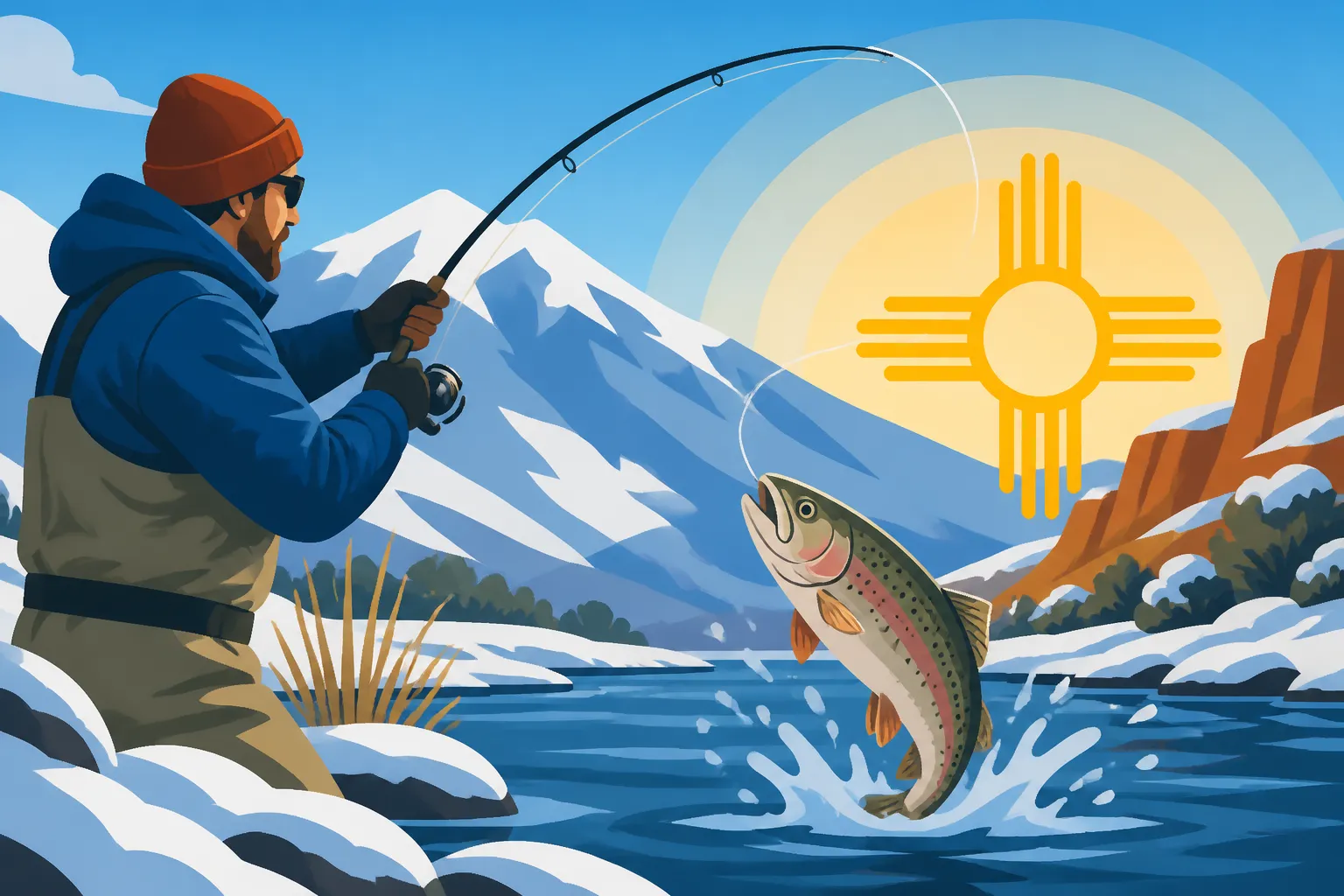
Imagine standing by a glassy lake, reflecting snow-capped peaks under a crisp blue sky, or wading a quiet river with steam rising from its surface. This isn't just a picturesque scene; it's the reality of winter fishing in New Mexico. The hustle and bustle of peak season vanish, leaving you with a sense of peace and a deeper connection to nature. For many, this solitude is a major draw. You're less likely to compete for prime spots, and the overall pace is slower, allowing for more contemplative and focused angling. It's a chance to truly unwind and enjoy the sport without distractions. Plus, the reduced boat traffic on larger reservoirs means less disturbance for the fish, potentially making them more approachable. This peaceful environment also offers unique wildlife viewing opportunities, as many animals are more active and visible in the quiet winter landscape.
Dispelling Myths: New Mexico's Diverse Winter Fishery
One of the biggest myths is that all fish shut down completely in winter. While some species become less active, others thrive in colder temperatures or become more concentrated. New Mexico, with its varied elevations and water types, offers a surprisingly diverse winter fishery. From high-mountain lakes that freeze over, creating prime ice fishing opportunities, to spring-fed rivers and tailwaters that remain open and consistent all year, there's a winter fishing adventure for every type of angler. Many of our lakes are actively stocked with trout throughout the colder months, ensuring there's always something to target. Don't let the cooler temperatures scare you away; with the right approach and knowledge, you can discover fantastic angling that rivals any other season.
Key Species to Target During New Mexico Winters
When the water temperatures drop, certain fish species become more accessible or concentrated, making them prime targets for winter anglers. Understanding which fish are active and where to find them is half the battle.
Trout: Cold Water Champions
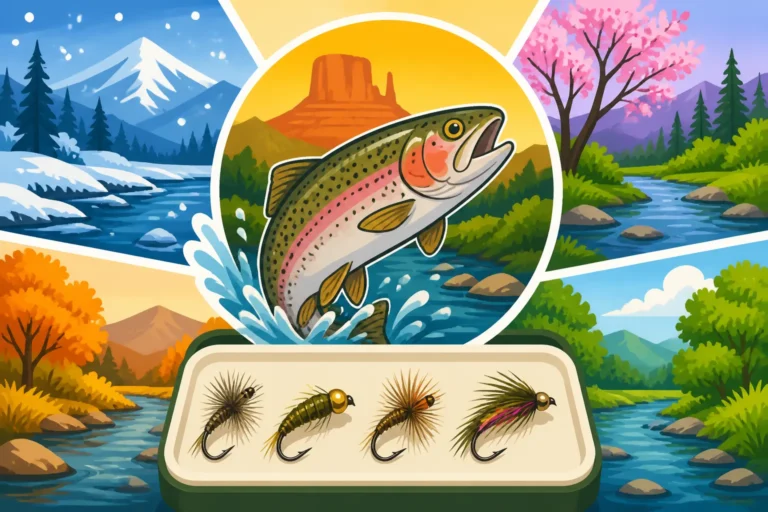
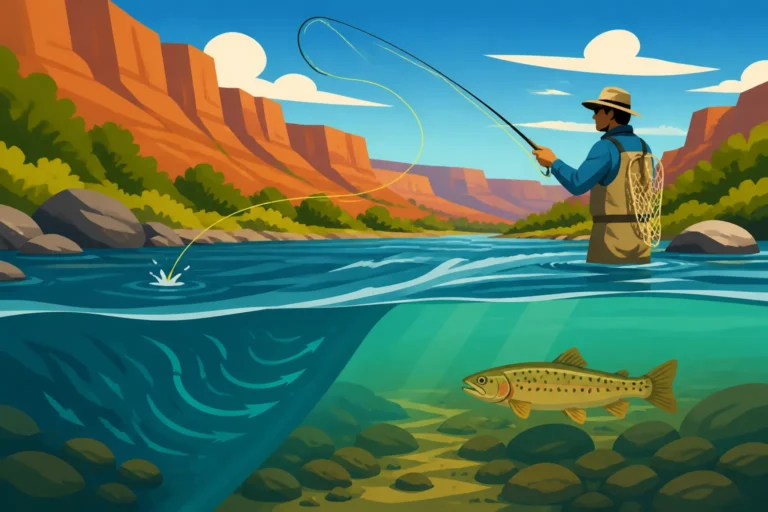
Trout are arguably the kings of New Mexico's winter fishing scene. Species like rainbow trout, brown trout, and even some native cutthroat trout remain active throughout the coldest months. They are cold-blooded creatures, so their metabolism slows, but they still feed consistently. You'll often find them congregating in deeper holes in rivers, near structures in lakes, or beneath the ice in frozen bodies of water. The New Mexico Department of Game and Fish actively stocks many urban ponds and larger lakes with rainbow trout specifically for winter anglers, ensuring plenty of opportunities. For example, the famous San Juan River below Navajo Dam is a premier tailwater fishery known for its world-class trout fishing year-round, with winter often providing some of the best conditions due to consistent water temperatures and fewer anglers. You can dive deeper into the specific guidelines for trout by checking out our comprehensive guide on New Mexico Trout Fishing Rules.
Walleye and Other Hard-Fighting Cold-Bloods
While trout often get the spotlight, don't overlook warm-water species that can offer exciting winter action. Walleye, known for their delicious fillets and strong fighting capabilities, can be excellent targets in winter. They tend to move slower and often hold in deeper sections of reservoirs, but they are still feeding. Lakes like Conchas Lake and Ute Lake are known for their healthy walleye populations, and dedicated anglers can find success by targeting structure or deep drop-offs. Other species like channel catfish, though less active, can still be caught, especially on warmer winter days or in areas with slightly warmer outflow. Even crappie can be found schooling in deeper water, providing a fun challenge for those willing to seek them out. It's a different game than summer, requiring patience and a precise presentation, but the rewards can be significant.
Targeting Tiger Muskie Through the Ice
For the ultimate winter challenge, Bluewater Lake offers a unique opportunity to target tiger muskie through the ice. These hybrid predators are known for their aggressive strikes and impressive size, and catching one through an ice hole is an unforgettable experience. While not for the faint of heart, or inexperienced ice anglers, the colder water can make muskie less active and sometimes easier to entice with a properly presented bait. It requires specialized gear and a lot of patience, but the potential for a trophy catch makes it a bucket-list item for many. Always check the specific regulations and ice conditions before venturing out, as safety is paramount when chasing these elusive giants in frozen environments.
Essential Winter Fishing Techniques and Strategies
Winter fishing demands a different approach than other seasons. Fish are often lethargic, hold in specific areas, and require more finessed presentations. Adapting your techniques is crucial for success.
Mastering the Art of Ice Fishing
When New Mexico's high-mountain lakes like Eagle Nest, Heron, and Hopewell freeze over, ice fishing becomes the go-to technique. It’s an incredibly social and fun way to fish, but it requires specific gear and safety precautions. The basic premise involves drilling holes through the ice and jigging small lures or using bait under a bobber. You'll want an ice auger, a good pair of insulated boots, and proper layering to stay warm. Small tungsten jigs tipped with wax worms, mealworms, or corn are highly effective for trout and kokanee salmon. For larger species like tiger muskie, bigger baits and more robust tackle are necessary. Understanding how fish react to presentations under the ice is key; slow, subtle movements are often more effective than aggressive jigging. A fish finder designed for ice fishing, often called a flasher, can dramatically increase your success by showing you exactly where the fish are holding and how they're reacting to your bait. Our detailed guide on Ice Fishing in New Mexico offers even more in-depth advice on this exciting winter pursuit.
River and Lake Tactics for Open Water
For rivers and lakes that remain open, winter tactics often involve slower presentations and targeting deeper water.
For Rivers:
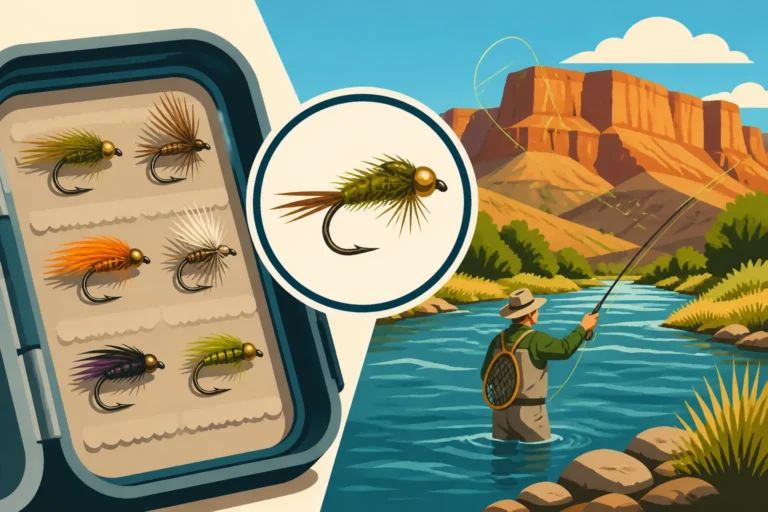
- Drifting Baits/Flies: In rivers like the San Juan, nymphing with small fly patterns like midges, annelids, and small egg patterns under an indicator is incredibly effective. The trout will often hug the bottom in slower, deeper runs. For spin anglers, drifting small pieces of PowerBait, worms, or even corn on a very light leader can be deadly. The key is to get your bait down to their level and drift it naturally with the current.
- Slow Retrieval Lures: Small inline spinners or spoons can still work, but a slower retrieve is usually best. Think subtle wobbles rather than aggressive flashes. Focus on eddies and pockets where fish can hold without fighting the main current.
For Lakes and Reservoirs:
- Vertical Jigging: This is a highly effective technique for walleye, trout, and even crappie in deeper parts of open-water lakes. Using small spoons, blade baits, or soft plastic jigs, you drop your lure directly below your boat or from the bank on a sharp drop-off. The goal is to present the lure vertically and jig it subtly, mimicking a slow-moving or injured baitfish.
- Slow Trolling: For trout and kokanee salmon in lakes like Heron or Navajo, slow trolling with small dodgers or flashers paired with wedding rings or small spoons can be productive. The slower boat speed and deep presentation allow the fish time to react and conserve energy.
- Dead Sticking: Sometimes, the most effective method is to simply "dead stick" a bait. This involves casting out a natural bait (like a worm or PowerBait) or even a soft plastic lure and letting it sit on the bottom or suspend under a bobber with very little movement. Fish in cold water are often reluctant to chase, so an easy meal can be irresistible.
Reading Winter Water: Locating Fish in the Cold
Finding fish in winter can be challenging because they tend to concentrate in specific areas. Here’s what to look for:
- Deeper Holes and Runs: In rivers, fish will move to the deepest parts of pools and runs to escape the fastest current and find more stable water temperatures. These are often thermal refuges.
- Structure: Submerged trees, rock piles, ledges, and drop-offs in lakes provide excellent cover and ambush points. Fish will relate closely to these structures, especially in deeper water.
- Bottle Necks and Funnels: Any area where baitfish might be concentrated due to current or changes in depth will attract predatory fish.
- Springs and Inflows: Areas where slightly warmer water flows into a colder lake or river can attract fish. This could be a natural spring or a power plant outflow, if present.
- Shady Sides: On sunny winter days, the sunny side of a bank or cove might warm up slightly, attracting baitfish and in turn, larger predators. However, on clear, bright days, fish may also seek the shadier, deeper parts to avoid predation.
A good depth finder is an invaluable tool for open-water winter fishing. It helps you identify structures, depth changes, and even mark fish. You can find excellent portable options for both boat and bank fishing on platforms like Amazon, making it easier to pinpoint those fish-holding zones.
Must-Have Gear and Safety for New Mexico Winter Anglers
Winter fishing isn't just about bait and technique; it's also about being properly equipped and prioritizing safety. The elements can be harsh, so preparation is key.
Dressing for Success: Layering for Extreme Conditions
Staying warm and dry is paramount for an enjoyable and safe winter fishing trip. Hypothermia is a real risk, so invest in quality cold-weather gear.
- Base Layers: Start with moisture-wicking synthetic or merino wool base layers against your skin. These pull sweat away, keeping you dry.
- Mid-Layers: Add fleece or down jackets as insulating mid-layers. Multiple thinner layers are often more effective than one bulky layer, as they trap air and allow you to adjust to changing conditions.
- Outer Shell: A waterproof and windproof jacket and pants (or insulated bibs/waders) are essential to protect against snow, sleet, and biting winds. Look for gear with good insulation, especially in bibs.
- Extremities: Don't forget your head, hands, and feet. A warm hat that covers your ears is critical. Waterproof, insulated gloves or mittens are a must, perhaps even a pair of thin liners for dexterity. For your feet, thick wool socks and insulated, waterproof boots (like felt-lined pac boots for ice fishing, or quality insulated wading boots for rivers) are non-negotiable.
You can find a wide range of reliable layering options and insulated outerwear from brands like Columbia, Carhartt, and Simms, many of which are readily available on Amazon.
Critical Safety Considerations for Ice and Cold Water
Safety can't be stressed enough when it comes to winter fishing.
- Ice Safety: If you're ice fishing, never trust the ice unless you know it's safe. A general rule of thumb is at least 4 inches of clear, solid ice for walking, and more for ATVs or vehicles. Always go with a buddy, carry ice picks (they can help you pull yourself out if you fall through), and let someone know where you're going and when you expect to return. Be aware of pressure ridges, cracks, and areas near inflows/outflows, which can have thinner ice. Always check local ice conditions with bait shops or the New Mexico Department of Game and Fish before heading out.
- Cold Water Immersion: Even in open water, accidental immersion in cold water can be life-threatening. Wear a life jacket or personal flotation device (PFD) whenever on or near cold water, especially if boating or wading in swift currents. A PFD will keep you afloat and help retain body heat if you fall in. Have a change of dry clothes readily accessible in your vehicle.
- Weather Monitoring: Winter weather in New Mexico can change rapidly. Always check the forecast before you go and be prepared for sudden drops in temperature, snow, or high winds. Don't hesitate to cut a trip short if conditions become unsafe.
Specialized Tackle for Winter Success
While you don't need a completely new tackle box, some items are particularly useful for winter.
- Sensitive Rods: Fish bites can be incredibly subtle in cold water. A sensitive rod with a fast or extra-fast action will help you detect those light takes. For ice fishing, short, specialized ice rods are ideal.
- Light Line: Lighter line (4-6 lb test for trout, or even lighter fluorocarbon leaders) is often necessary for finessing baits and lures, especially in clear winter water. It's less visible and allows for better bait presentation.
- Small Lures and Jigs: Smaller profile baits are generally more effective in winter. Think tiny tungsten jigs, small spoons, downsized soft plastics, and compact inline spinners. These mimic the smaller forage that fish might be targeting.
- Live Bait Options: Wax worms, mealworms, salmon eggs, and corn are excellent choices for tempting lethargic trout. Always check regulations regarding bait use in specific waters, especially in New Mexico Special Trout Water Rules.
- Thermos and Hand Warmers: A hot drink can make a huge difference in comfort, and chemical hand warmers can keep your fingers nimble for tying knots and handling fish.
Top New Mexico Winter Fishing Destinations
New Mexico boasts several fantastic fishing spots that truly shine during the winter months, offering varied experiences from solid ice fishing to productive open-water angling.
High-Altitude Lakes for Ice Fishing
When conditions allow, New Mexico's high-altitude lakes become ice fishing havens. These often freeze solid enough to support anglers and offer a unique winter adventure.
- Eagle Nest Lake: Located in northern New Mexico, Eagle Nest Lake is renowned for its ice fishing opportunities, particularly for rainbow trout and kokanee salmon. Anglers often set up shelters and spend the day jigging small lures or bait. The lake also holds northern pike, offering a chance at a larger, more aggressive strike for those willing to brave the cold. Always check with local authorities or bait shops for current ice conditions before heading out, as safety is paramount.
- Heron Lake: Another northern gem, Heron Lake is popular for ice fishing, especially for kokanee salmon and rainbow trout. It's a no-wake lake, which translates to a peaceful and serene environment, even when the ice is crowded. Heron often has some of the earliest safe ice in the state, making it a favorite for eager ice anglers at the start of the season. The serene setting combined with good fishing makes for a memorable trip. For those interested in this beautiful fishery, check out our guide on Heron Lake Kokanee Salmon Fishing.
- Bluewater Lake: While known for its tiger muskie, Bluewater Lake also offers good ice fishing for rainbow trout. The muskie are a challenging target through the ice, often requiring larger baits and heavier tackle, but the trout provide more consistent action. Its remote setting adds to the winter adventure.
Resilient Rivers and Tailwaters
Not all waters freeze, and New Mexico's rivers, especially tailwaters below dams, maintain open water and consistent flows throughout winter, offering reliable fishing.
- San Juan River Quality Waters: This is arguably New Mexico's most famous year-round fishery. The consistent, cold water releases from Navajo Dam create an ideal environment for trophy trout, even in the dead of winter. The fishing here is primarily fly fishing, targeting large rainbow and brown trout with tiny midge and annelid patterns. The lack of heavy angler pressure compared to summer makes winter an excellent time to visit, and often the fish are less wary. It's a truly world-class experience, and you can learn more by reading our San Juan River Fishing Guide.
- Rio Grande: While segments of the Rio Grande can freeze, many stretches, especially around larger population centers or below certain dams, remain open. Winter trout stocking in areas like the Albuquerque Bosque makes these stretches viable targets. Anglers can find success drifting bait or small lures in deeper pools and slower eddies. Further north, the Rio Grande Gorge offers rugged and beautiful winter trout fishing, though access can be challenging.
- Pecos River: Sections of the Pecos River, particularly those at lower elevations, remain open and provide winter trout fishing. Like the Rio Grande, look for deeper, slower pockets where trout will hold. Seasonal stocking often enhances opportunities here.
Reservoirs That Shine in the Off-Season
Many of New Mexico's larger reservoirs offer excellent open-water fishing during the winter, often for species that are less pressured than in summer.
- Elephant Butte Lake: While famous for its summer striped bass and bass fishing, Elephant Butte Lake can still produce impressive catches in winter. Stripers will often hold in deeper water and can be targeted with vertical jigging or dead-sticking large swimbaits and spoons. Walleye also offer good winter action here, concentrating in deeper channels and on humps. The cooler weather means less boat traffic and a more tranquil fishing experience, even on the state's largest reservoir. Explore more about this massive lake in our Elephant Butte Lake Fishing Guide.
- Navajo Lake: Besides its ice fishing for kokanee and trout, the open waters of Navajo Lake can be productive in winter for those targeting smallmouth bass and even deeper-holding trout. Trolling or vertical jigging in the main lake body can yield results, especially for anglers with good electronics to locate fish.
- Conchas Lake: This eastern New Mexico reservoir is a consistent performer for walleye and crappie in winter. Like other large reservoirs, fish will retreat to deeper areas, congregating near underwater structures, old river channels, and drop-offs. Jigging spoons and small soft plastics are effective for targeting these deep-water schools.
Navigating Regulations and Seasons in Winter
Even in the quiet solitude of winter, understanding New Mexico's fishing regulations is absolutely essential. Rules can sometimes shift, and specific areas might have unique requirements.
Understanding Winter-Specific Rules and Limits
While many statewide regulations, such as general bag and possession limits, remain consistent year-round, it’s always smart to double-check the latest New Mexico Fishing Regulations Overview. Some waters, particularly "Quality Waters" or "Special Trout Waters" like sections of the San Juan River, have specific rules regarding tackle (e.g., artificial flies and lures only, barbless hooks) that apply regardless of the season. Additionally, ice fishing often comes with its own set of guidelines, such as the number of lines allowed per angler. Keep in mind that trout stocking schedules are dynamic; checking the NMDGF website for current stocking information can help you find recently stocked ponds or lakes for a higher chance of success. This is also where you'll find information about specific seasons for species like kokanee salmon snagging, which occurs in the fall but might extend into early winter in some locations.
How Weather and Water Levels Impact Access
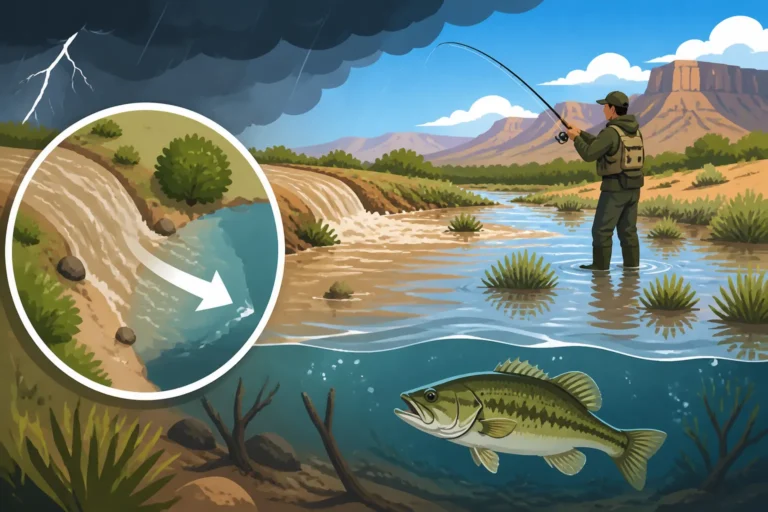
Winter weather in New Mexico can have a significant impact on fishing access. Heavy snow can close roads to high-mountain lakes, making ice fishing inaccessible until conditions improve or roads are plowed. Always check road conditions before heading into remote areas. Similarly, fluctuating water levels in reservoirs, sometimes a result of winter water management or drought conditions, can affect boat ramp access or change where fish concentrate. Lower water levels might expose new bank fishing opportunities or make certain structures more accessible. Conversely, high runoff from early snowmelt can temporarily muddy rivers, making fishing challenging. Staying informed about local weather patterns and water conditions, through resources like the NMDGF website, local bait shops, or even online forums, is a crucial part of planning a successful and safe winter fishing trip. Remember, you might also need a New Mexico Habitat Stamp and Validation Requirements depending on where you plan to fish, so ensure all your paperwork is in order.
| Species | Typical Winter Location | Recommended Gear/Bait | Key Technique | Best New Mexico Spots (Winter) |
|---|---|---|---|---|
| Rainbow Trout | Deep pools, under ice, stocked ponds | Small jigs, PowerBait, worms, midges | Jigging, dead-sticking | San Juan River, Eagle Nest, stocked ponds |
| Brown Trout | Deep pools, slower runs | Nymphs, small streamers, minnow imitations | Nymphing, slow retrieving | San Juan River, Rio Grande Gorge |
| Walleye | Deep channels, humps, structure | Vertical jigs, blade baits, spoons | Vertical jigging, slow trolling | Conchas Lake, Elephant Butte Lake |
| Kokanee Salmon | Deep water, under ice | Small dodgers, wedding rings, jigs | Ice jigging, slow trolling | Heron Lake, Eagle Nest Lake |
| Tiger Muskie | Deeper areas near structure (ice) | Large spoons, soft plastics, dead bait | Ice jigging (large), tip-ups | Bluewater Lake |
Disclaimer
Fishing, hunting, and outdoor activities inherently carry risks. Always prioritize your safety, be aware of your surroundings, and adhere to all local, state, and federal regulations. Conditions can change rapidly, so exercise caution and prepare adequately for all weather scenarios. The information provided is for general guidance and should not replace official regulations or expert advice.