How to Snag Salmon at Navajo Lake
Many anglers arrive at the stunning shores of Navajo Lake during the autumn months, drawn by the vibrant fall colors and the promise of a unique fishing experience: snagging Kokanee salmon. However, for those unfamiliar with the technique, it can be a source of frustration, watching seasoned locals haul in bright red fish while you struggle to understand the method. It's not like your typical cast-and-retrieve fishing; it’s a specialized approach that requires specific gear, timing, and a bit of finesse. This comprehensive guide is designed to demystify salmon snagging at Navajo Lake, providing you with all the detailed information on the Kokanee lifecycle, essential gear, effective techniques, and crucial regulations you need to know to participate successfully and legally.
Understanding Kokanee Salmon and the Snagging Season at Navajo Lake
Before you even think about casting a line, it's really important to understand what you're fishing for and why snagging is even a thing. Kokanee salmon are a special species, and their unique life cycle is precisely why this particular fishing method is employed at Navajo Lake.
The Kokanee Lifecycle and Why We Snag Them
Kokanee salmon are a landlocked subspecies of sockeye salmon. What does "landlocked" mean for you, the angler? It means these fish complete their entire life cycle within freshwater lakes and rivers, never migrating to the ocean. In New Mexico, Navajo Lake is a prime spot for them. They typically live for about three to four years, growing to a respectable size, and then, in the final act of their lives, they embark on a spectacular spawning run.
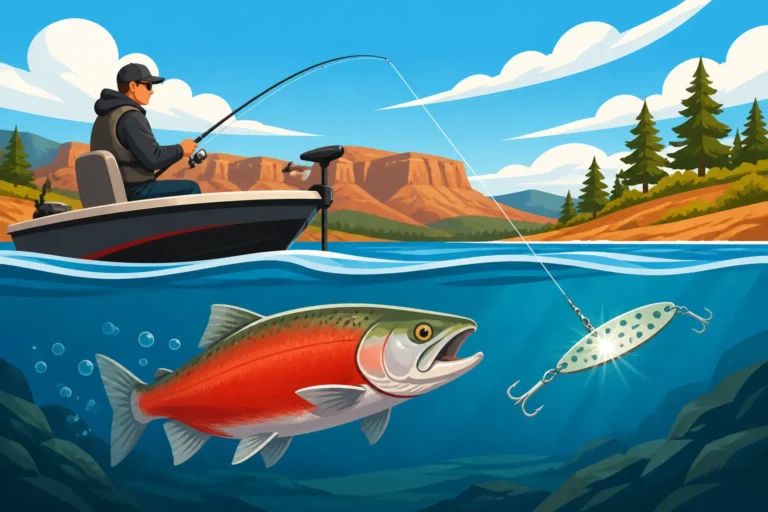
During this spawning journey, usually in the late summer and early fall, Kokanee undergo dramatic physical changes. Their silvery bodies transform into brilliant shades of red and orange, and the males develop a distinctive hooked jaw (kype) and a humped back. Critically for anglers, during this terminal phase of their lives, Kokanee salmon largely stop feeding. Their digestive systems begin to shut down, and their focus shifts entirely to reproduction. Their mouths also become very hard and cartilaginous, making it incredibly difficult, if not impossible, to entice them with traditional baits or lures. This is where snagging comes in. Because they are no longer actively feeding, the conventional method of presenting a bait or lure that they eat simply won't work. Snagging allows anglers to legally harvest these fish during their spawning run by externally hooking them, making the most of a unique biological window.
When Does Salmon Snagging Start at Navajo Lake?
Timing is absolutely everything when it comes to snagging Kokanee salmon at Navajo Lake. You can’t just show up any time of year and expect to snag; it's a highly regulated, short season that aligns with the salmon's spawning run. The exact start and end dates can vary slightly year to year based on environmental conditions, water temperatures, and the fish's readiness to spawn, but it typically occurs in the late summer to early fall.
Historically, the season often opens sometime in September and can run through early to mid-November, or until the New Mexico Department of Game and Fish (NMDGF) decides to close it based on resource management goals. It's crucial to consult the official New Mexico Salmon Snagging Season dates published by the NMDGF every single year before planning your trip. These dates are usually announced well in advance through their website and the annual fishing proclamation. Failing to adhere to these specific season dates can lead to significant penalties, so don't just rely on hearsay. Always double-check the current year's regulations to ensure you're fishing legally and responsibly. This unique window of opportunity is what makes Navajo Lake a coveted destination for many anglers during this time of year, offering a chance at these beautiful, hard-fighting fish. For more on the Kokanee Salmon Spawning Time at Navajo Lake, make sure you're aware of the seasonal shifts.
Essential Gear for Successful Kokanee Snagging
Successfully snagging Kokanee at Navajo Lake isn't just about showing up with any old fishing rod. This technique demands specialized gear that can handle heavy weights, powerful casts, and the strong, erratic fights of salmon. Skimping on your equipment will quickly lead to frustration, lost gear, and missed opportunities.
Rods, Reels, and Line Choices
Let's talk about the backbone of your snagging setup: the rod and reel. You're going to need something robust.
The Rod: Forget your lightweight trout rods; for snagging, you'll want a long, heavy-action rod. Most experienced snagging anglers opt for rods in the 8 to 10-foot range, with a medium-heavy to heavy power rating. The extra length is critical for a couple of reasons. First, it allows for longer casts, which are often necessary to reach the schooling salmon from shore or a boat. Second, it provides the leverage needed to effectively set a large treble hook into a fish's thick hide and to control a powerful salmon once it's hooked. A fast action tip is usually preferred because it gives you the sensitivity to feel the bottom and detect when you've made contact with a fish, combined with the backbone to drive the hook home. You'll often be using weights up to 4 ounces or more, so your rod needs to be rated to handle that kind of casting weight.
The Reel: Pair that stout rod with a reliable spinning or baitcasting reel that has a strong drag system and ample line capacity. A reel in the 4000 to 6000 size range for spinning, or a comparable baitcasting reel, is usually appropriate. The drag system is paramount because Kokanee, even in their spawning phase, are strong fighters, often making powerful runs. A smooth, consistent drag will prevent break-offs. High line capacity is also important because you'll be making long casts and dealing with potential tangles or break-offs in heavy current or amongst other anglers.
The Line: When it comes to line, many anglers favor braided line for its strength and lack of stretch, which enhances sensitivity and hook-setting power. A 20 to 30-pound test braided line is a common choice. Some anglers might prefer a heavy monofilament (20-25 lb test) for its shock absorption, which can be forgiving on your rod and reel during those powerful jerks, but it lacks the direct feel of braid. Whatever you choose, ensure it's fresh and free of nicks or abrasions. You can find a wide range of suitable options, often with good customer reviews, on Amazon, making it easy to get what you need delivered right to your door before your trip. Getting your Best Rods and Reels for New Mexico Trout Fishing setup configured correctly is key, even if you're targeting salmon.
Hooks and Weights
Once you've got your rod, reel, and line sorted, the next crucial components are your hooks and weights. These are what directly interact with the fish and the water column.
Hooks: Treble hooks are the standard for snagging Kokanee. You'll typically want large, strong treble hooks, often in sizes ranging from 2/0 to 5/0, depending on the average size of the salmon in the lake that year. The hooks need to be incredibly sharp and durable to penetrate the tough, cartilaginous skin of a spawning salmon. Look for hooks made from heavy-gauge wire that won't straighten out under pressure. Some anglers will opt for hooks that are slightly weighted themselves, or even "snagging hooks" specifically designed for this purpose, featuring a heavier shank or a small amount of lead molded onto them.
Weights/Sinkers: To get your hooks down to where the salmon are schooled and to allow for the distinctive snagging motion, you'll need heavy lead weights or specialized snagging sinkers. Pencil weights, pyramid sinkers, or bank sinkers in the 1 to 4-ounce range are commonly used, sometimes even heavier if there's significant current or you're fishing very deep water. The weight is attached to your main line, usually a foot or two above your treble hook, using a heavy leader material (e.g., 20-30lb fluorocarbon or monofilament). This setup ensures the weight hits the bottom, allowing your hook to trail just above or near the fish as you sweep your rod. The heavy weight also provides the necessary inertia for the "snagging" action. When you’re trying to locate the specific weight you need, searching for "heavy fishing sinkers" on platforms like Amazon can provide a good variety of choices, ensuring you get the right heft for those deep casts.
Mastering the Snagging Technique at Navajo Lake
Now that you're armed with the right gear, it's time to delve into the actual mechanics of snagging. It's a technique that requires practice and a keen sense of what's happening beneath the water's surface.
Casting and Retrieval Methods
Snagging Kokanee effectively at Navajo Lake isn't just about randomly casting and jerking. There's a method to the madness, and it often comes down to precise casting and a rhythmic retrieval.
The Cast: You'll typically want to make a long, powerful cast. Often, the salmon will be holding in deeper water or specific channels, so distance is key. Once your weight and hooks hit the water, allow them to sink completely to the bottom. This is where a heavy sinker truly shines, getting your rig down quickly through the water column. Many experienced snagglers will count down the seconds as their weight sinks to estimate depth, or feel for the distinct "thud" as it contacts the lakebed.
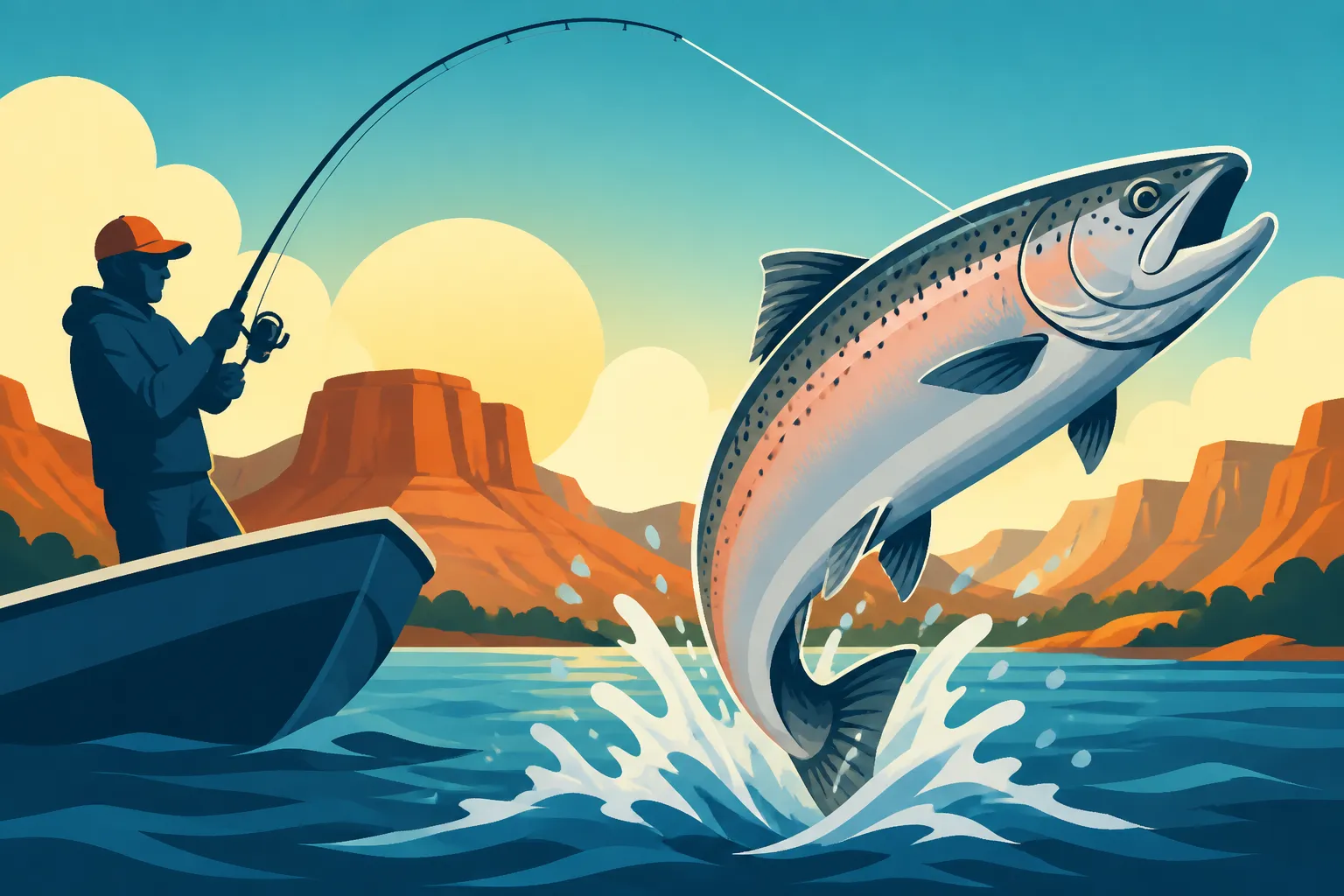
The Retrieve/Action: This is where the "snagging" part comes in. Once your rig is on the bottom, the most common technique involves a series of sharp, upward jerks or "sweeps" of the rod, immediately followed by reeling in a small amount of slack line as you drop the rod tip. The idea is to quickly sweep the heavy weight and hooks through the water column, ideally through a school of salmon, giving the treble hooks a chance to "snag" onto a fish's body. It's a rhythmic motion: jerk, reel a little, jerk, reel a little. Some anglers describe it as a violent jigging motion. You're not waiting for a bite; you're actively trying to contact and hook the fish. It can feel a bit awkward at first, and you might get snagged on the bottom quite a bit, which is a common frustration. But with practice, you'll develop a feel for the rhythm and how your rig is moving in the water. Consistency in your retrieve depth and sweep intensity is crucial for maximizing your chances of a hook-up.
Locating Salmon and Reading the Water
Knowing where to cast is just as important as how you cast. Salmon aren't evenly distributed throughout Navajo Lake; they congregate in specific areas during their spawning run.
Look for Signs: Keep an eye out for any visual cues. Sometimes, especially in shallower areas or near creek mouths where they might begin their upstream migration, you might actually see salmon splashing or rolling on the surface. These are excellent indicators of where the schools are holding. Pay attention to other anglers too; if you see a cluster of boats or shore anglers consistently pulling in fish, that's a good sign that you've found a productive area.
Understand the Structure: Kokanee salmon, even during their spawning run, will often stage in deeper channels, along drop-offs, or near the mouths of rivers and creeks that feed into Navajo Lake. These are the routes they would naturally take to their spawning grounds. Using a fish finder from a boat can be incredibly effective here, helping you pinpoint dense schools of fish. If fishing from shore, target points, submerged structures, or areas where the shoreline quickly drops into deeper water. Learning the Navajo Lake Fishing Guide provides a broader understanding of the lake's topography, which is invaluable for identifying these hotspots. Understanding the current water levels and historical holding patterns can greatly increase your success.
Ethical Considerations and Proper Fish Handling
While snagging is a legal method during the designated season, it's still vital to approach it with a strong sense of ethics and responsibility. This isn't just about following the rules; it's about respecting the resource and maintaining the integrity of the sport.
Respecting the Fish: Remember, these salmon are in their final life stage, dedicated to reproduction. Handle any caught fish with care, especially if you intend to release them (though during the snagging season, most legal fish are retained). If a fish is foul-hooked in an area where it's not legal to snag (e.g., outside the designated season or specific areas), or if you accidentally hook a non-target species, release it immediately and with as little harm as possible. For legal snagging, swift and humane dispatch of retained fish is always the best practice.
Minimizing Waste: Only keep what you can legally and ethically use. The bag limits are set to ensure a sustainable harvest, but personal responsibility goes beyond the law. If you're new to the area, ask local anglers or bait shops about the best methods for cleaning and preparing Kokanee. Their rich, red meat is excellent when smoked or grilled, making them a delicious reward for your efforts. However, don't just discard fish you don't intend to eat.
Being a Good Neighbor: Navajo Lake can get crowded during the snagging season. Be mindful of other anglers, give everyone ample space, and avoid casting over others' lines. Responsible angling includes being courteous and respectful to fellow outdoor enthusiasts. These fish are a shared resource, and preserving the experience for everyone is part of the tradition.
Navigating Regulations and Limits
Fishing in New Mexico, especially for a specialized activity like salmon snagging, always comes with a strict set of rules. Ignoring these regulations can lead to fines, loss of fishing privileges, and a generally unpleasant experience. Always ensure you are fully compliant before you even step foot on the shore of Navajo Lake.
Bag and Possession Limits
The New Mexico Department of Game and Fish (NMDGF) establishes specific bag and possession limits for Kokanee salmon during the snagging season. These limits are in place to manage the fishery sustainably, ensuring that there are enough fish for future generations and to maintain a healthy ecosystem.
Bag Limit: This refers to the maximum number of fish you can harvest in a single day. For Kokanee salmon during the snagging season at Navajo Lake, this limit is usually quite generous, often allowing for a good number of fish per angler. For instance, in recent years, the bag limit has often been around 12 Kokanee salmon. However, these numbers can change annually, so it is paramount to check the current New Mexico Fishing Regulations Overview or the official NMDGF fishing proclamation for the specific year you plan to fish. You can find these details on the NMDGF website or by picking up a physical copy of the fishing regulations booklet from license vendors.
Possession Limit: This refers to the maximum number of fish an individual can have in their possession at any given time, regardless of when they were caught. This includes fish at your campsite, in your cooler, or at home. Typically, the possession limit for Kokanee is double the daily bag limit. So, if the daily bag limit is 12, the possession limit might be 24. This prevents anglers from accumulating large quantities of fish over multiple days beyond what is deemed sustainable. It’s a common mistake for anglers to exceed possession limits, especially during multi-day trips, so keep a careful tally of your catch.
Other Rules and Considerations
Beyond the daily bag and possession limits, there are several other critical rules to be aware of when snagging at Navajo Lake.
Fishing License and Habitat Stamp: First and foremost, you absolutely need a valid New Mexico fishing license. Whether you're a resident or non-resident, daily, annual, or part of a special category, you must have the correct license. Often, an additional New Mexico Habitat Management & Access Validation or Habitat Stamp is also required, depending on where you're fishing. It’s easy to get a New Mexico Fishing License Guide online or from a local vendor, and it's your responsibility to confirm you have all the necessary endorsements.
Designated Snagging Areas: While snagging is generally allowed within Navajo Lake, there might be specific areas designated for snagging, or conversely, areas where snagging is explicitly prohibited (e.g., within a certain distance of boat ramps, marinas, or spawning channels that are not part of the designated snagging zone). These details are always outlined in the annual fishing proclamation. Pay close attention to signage at the lake, which will often delineate these zones.
Method of Take: The term "snagging" itself implies an external hooking method. Using traditional baits, lures with multiple hooks intended for foul-hooking, or other non-conventional methods outside the specific rules for snagging can be illegal. Ensure your gear and technique align precisely with the NMDGF definition of legal snagging.
Time of Day/Season: As mentioned earlier, snagging is only permitted during the officially announced Kokanee salmon snagging season. Fishing for Kokanee using this method outside of this season is illegal. There are usually no specific time-of-day restrictions beyond general park hours, but check for any unusual regulations for the specific year. For a more general understanding of optimal fishing times, you might find information in the Best Time of Year to Fish in New Mexico helpful, though snagging is highly seasonal.
Here's a quick overview of typical gear for snagging Kokanee at Navajo Lake:
| Gear Category | Recommended Specifications | Key Considerations |
|---|---|---|
| Fishing Rod | 8-10 ft, Medium-Heavy to Heavy Power, Fast Action | Longer length for casting distance and leverage; strong backbone for hook sets. |
| Fishing Reel | Spinning (4000-6000 series) or equivalent Baitcasting | Smooth, strong drag system; high line capacity. |
| Main Line | 20-30 lb Braided or Heavy Monofilament | Braided for sensitivity and strength, Mono for shock absorption. |
| Leader (optional) | 20-30 lb Fluorocarbon or Monofilament, 1-2 ft long | Abrasion resistance; attached between main line and hook/sinker. |
| Hooks | Treble Hooks, Size 2/0 to 5/0 | Extremely sharp, heavy-gauge wire; designed for external hooking. |
| Weights/Sinkers | 1-4 oz Pencil, Pyramid, or Bank Sinkers | Heavy enough for long casts and rapid descent; essential for the snagging motion. |
| Landing Net | Large, rubberized net | Essential for safely landing large, thrashing salmon; protects fish if releasing. |
| Pliers/Hook Remov. | Long-nose pliers, hook remover | For quick hook removal and safety. |
Disclaimer
The information provided in this guide is intended for general informational purposes only and does not constitute legal advice. Fishing regulations, season dates, bag limits, and licensing requirements in New Mexico can change frequently. It is the angler's sole responsibility to consult the most current official New Mexico Department of Game and Fish (NMDGF) fishing proclamation and regulations before engaging in any fishing activity. Non-compliance with current regulations can result in significant penalties. Always prioritize safety and ethical angling practices.