Best Technique for Smallmouth Bass in Rocky Lakes
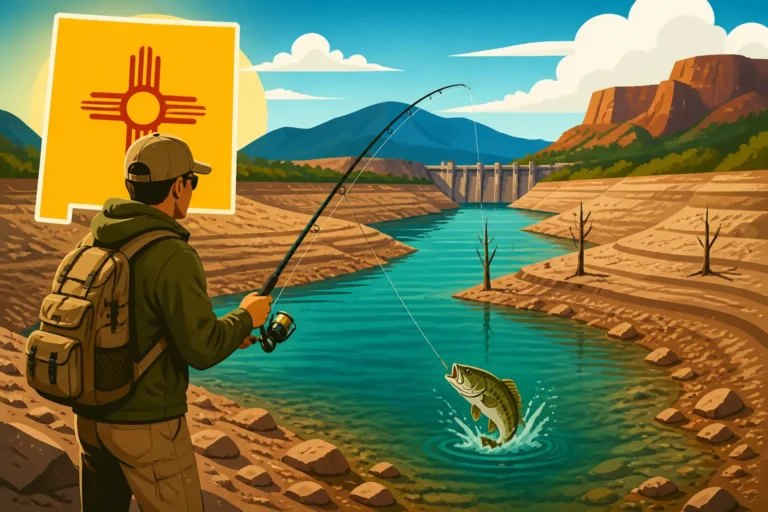
There's nothing quite like the thrill of chasing smallmouth bass, especially when they're hunkered down in the craggy, rocky depths of New Mexico's beautiful lakes. These bronze bombers can be notoriously challenging to pinpoint and entice, leaving many anglers scratching their heads. This comprehensive guide will dive deep into the most effective techniques for successfully catching smallmouth bass in those rocky, structure-rich New Mexico waters, turning your frustration into triumphant tugs.
Understanding Smallmouth Bass in Rocky New Mexico Lakes
Before we even cast a line, it's crucial to understand the smallmouth bass itself and why those rocky environments are their preferred playgrounds. Knowing their habits and preferences is like having a secret map to where they'll be and what they'll likely bite.
Habitat Preferences and Behavior
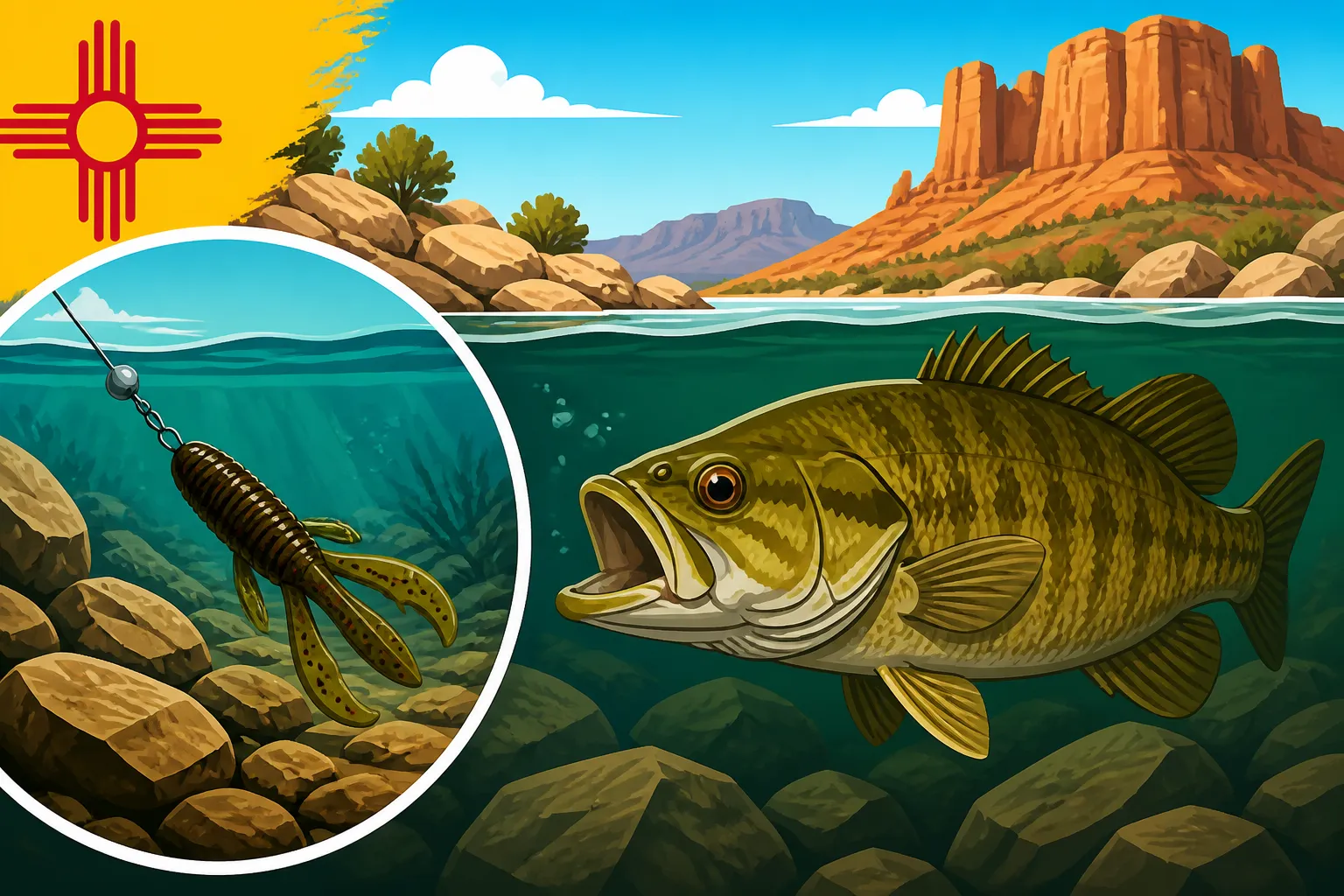
Smallmouth bass are incredibly drawn to structure, and in New Mexico's reservoirs and lakes, that often means rock. Think of rocky points, submerged humps, boulder fields, rip-rap along dam faces, and steep rocky banks. These areas offer everything a smallmouth could want: ambush points to surprise prey, protective cover from predators, and cooler, oxygenated water in deeper sections during warmer months. They're not just random wanderers; they have preferred zones.
In lakes like Abiquiu Lake or Cochiti Lake, which are renowned for their smallmouth populations and extensive rocky shorelines, you'll find these fish relating tightly to changes in depth around these structures. During the cooler parts of the year, like early spring or late fall, they might be shallower, ambushing baitfish. As summer heats up, they'll retreat to deeper ledges and drop-offs, still clinging to those rocks for safety and food. Understanding these seasonal movements is key to knowing where to cast. If you're looking for more general information on these amazing fish, check out our guide on Smallmouth Bass Fishing in New Mexico.
Key Forage and Feeding Patterns
Smallmouth bass are opportunistic predators, and their diet in New Mexico's rocky lakes heavily influences the types of lures you should be throwing. Their absolute favorite meal, hands down, is crayfish. If there are crayfish in a rocky area, you can bet smallmouth won't be far behind. This is a critical piece of information because it tells us that lures mimicking crayfish will often be irresistible.
Beyond crayfish, they'll readily consume baitfish like shad, shiners, and juvenile perch or sunfish that also relate to rocky cover. Insects, particularly those falling into the water from overhanging vegetation, can also be part of their diet, especially in shallower areas. Understanding these feeding patterns means choosing lures that not only look like their food but also move like it, triggering that predatory instinct.
Top Techniques for Targeting Smallmouth Bass in Rocky Lakes
Now that we understand why they're there, let's talk about how to catch them. These techniques are proven performers for rocky lake smallmouth.
Jig Fishing the Rocks
If there's one technique that stands above the rest for smallmouth bass in rocky New Mexico lakes, it's jig fishing. This method allows you to effectively present a lure right in their wheelhouse – deep in the rocks where they hide and feed.
When you're jig fishing, think precision and feel. You'll want a medium-heavy to heavy power spinning or casting rod, typically 6'6" to 7'2", with a fast tip for sensitivity and a strong backbone to horse fish out of cover. Pairing this with a reel spooled with 8-12 lb fluorocarbon line is ideal, as fluorocarbon offers excellent sensitivity and abrasion resistance, which you'll definitely need around sharp rocks. For more insights on selecting the right gear, our Best Fishing Gear for New Mexico Anglers guide has a lot of helpful information.
The lures themselves are crucial. Football jigs and spider jigs, often 3/8 to 3/4 ounce, are excellent choices because their head designs help them crawl over and through rocks without snagging excessively. You'll pair these with soft plastic trailers that mimic crayfish, like a Strike King Rage Craw or a Zoom Super Chunk. Colors like green pumpkin, brown, and black/blue are consistent producers, especially when paired with a contrasting trailer color. To fish it, cast your jig to a rocky point or submerged hump, let it sink to the bottom, and then slowly drag or hop it along the structure. The key is to maintain bottom contact and feel for that subtle "tick" or sudden weightlessness that signals a bite. You can find a wide array of these specialized jigs and trailers on Amazon, ensuring you're stocked up for your next trip.
Crankbait and Jerkbait Strategies
While jigs are great for probing deep, slow, and precise presentations, crankbaits and jerkbaits excel at covering water quickly and drawing reaction strikes from active smallmouth. These are fantastic tools for locating schools of fish, especially when they're a bit more aggressive.
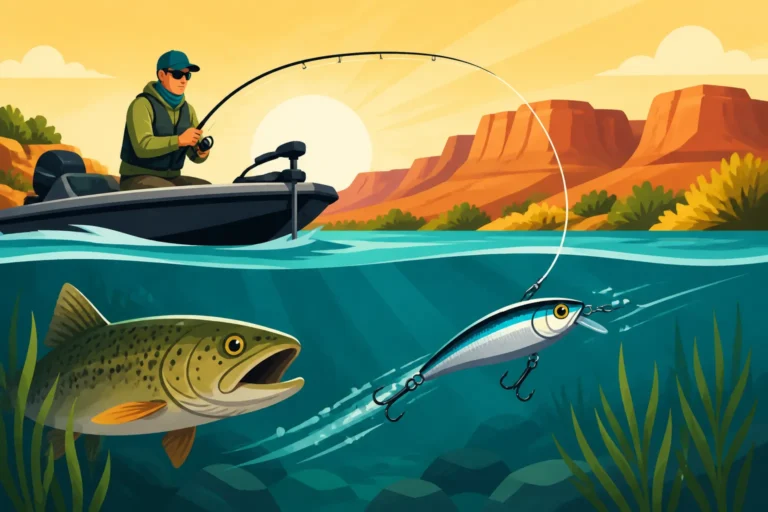
For rocky lakes, you'll want diving crankbaits that can reach the depth where the smallmouth are holding, or at least deflect off the tops of submerged rocks. Lures like the Rapala Shad Rap or a Strike King KVD Series crankbait in natural baitfish patterns or crayfish colors can be deadly. The trick with crankbaits is to make them "crash" into the rocks. This deflection often triggers a predatory strike from a smallmouth that perceives the lure as a fleeing, injured prey item. Vary your retrieve speed and incorporate pauses to make the lure seem even more erratic.
Jerkbaits, like a Lucky Craft Pointer or a Megabass Vision 110, are another phenomenal choice. These lures suspend in the water column when paused, mimicking a stunned baitfish. Cast them near rocky edges or over submerged humps, then retrieve with a "twitch, twitch, pause" action. The longer the pause, especially in cooler water, the more time a curious smallmouth has to commit to the strike. These lures can be particularly effective in clearer water conditions where visual appeal is paramount.
Drop Shot and Ned Rig Finesse
Sometimes, the smallmouth are finicky. Maybe the water's crystal clear, the sun is high, or they've seen every power fishing lure imaginable. This is when finesse techniques like the drop shot and Ned rig truly shine. These methods are about subtle presentations and tricking those wary fish.
The drop shot rig involves tying a hook directly to your line with a tag end left below, to which you attach a weight. This allows your soft plastic bait to hover tantalizingly off the bottom, right in the smallmouth's strike zone, regardless of how you retrieve or pause. It's incredibly effective for vertical presentations over deep rock piles or when you want to keep your bait stationary in current or wind. Small worms, minnow-shaped plastics, or even tiny creature baits rigged on a drop shot are very effective. The key is using light line, a sensitive spinning rod, and watching your line for the slightest twitch.
The Ned rig, often called the "Midwest Finesse" rig, is another fantastic option for rocky structure. It consists of a small, mushroom-shaped jig head (often 1/16 to 1/8 ounce) paired with a buoyant, typically 2.5 to 3-inch, soft plastic worm (like a Z-Man Finesse TRD). The buoyancy of the plastic, combined with the jig head, makes the bait stand straight up off the bottom, mimicking a feeding bottom dweller or a dying baitfish. This presentation is incredibly weedless and effective for crawling over rocks. Simply cast it out, let it sink, and then drag it slowly along the bottom with long pauses. Most bites will feel like a sponge on your line, so pay close attention. Many savvy New Mexico anglers keep a diverse selection of Ned rig components on hand, which can be easily sourced from retailers like Amazon.
Essential Gear and Tackle for Rocky Lake Smallmouth
Having the right tools for the job can make all the difference, especially when you're battling feisty smallmouth around unforgiving rock.
Rod, Reel, and Line Selection
For smallmouth bass in rocky lakes, versatility and sensitivity are paramount. You're going to want a range of setups to cover your chosen techniques.
- For Jig Fishing: A 6'10" to 7'2" medium-heavy fast-action casting rod is ideal. This rod has the backbone to drive a hook through tough mouths and pull fish away from snags, yet enough tip sensitivity to feel subtle bites. Pair it with a baitcasting reel with a fast gear ratio (7.1:1 or higher) for quick line pickup. Spool with 10-12 lb fluorocarbon.
- For Crankbaits/Jerkbaits: A 6'6" to 7' medium-action casting rod is perfect. The softer action helps load up on the cast for distance and provides a little more give when a fish strikes, preventing hooks from tearing out. A medium gear ratio baitcasting reel (6.3:1) is good for crankbaits, while a slightly faster one might be preferred for jerkbaits. Use 10-14 lb fluorocarbon or monofilament, as mono has more stretch, which can be beneficial for treble hook baits.
- For Finesse (Drop Shot/Ned Rig): A 6'8" to 7' medium-light to medium power fast-action spinning rod is your best friend. This setup offers maximum sensitivity for detecting light bites and allows for accurate casting of lighter baits. A quality spinning reel in the 2000-2500 size range, spooled with 6-8 lb fluorocarbon or braid with a fluorocarbon leader, completes the setup.
Selecting the right rod and reel can be overwhelming, so consider checking out specialized guides like Best Rod Setup for New Mexico Trout Fishing which often share principles applicable to light bass tackle.
Must-Have Lures and Baits
Building a smallmouth tackle box for rocky lakes should prioritize these proven fish catchers:
- Crayfish Imitations: Football jigs (3/8-1/2 oz) in green pumpkin, brown, black/blue with matching soft plastic trailers.
- Diving Crankbaits: Medium-diving (6-12 ft) and deep-diving (10-20 ft) crankbaits in natural shad, perch, or crayfish colors. Look for square bills for shallower rock, and round bills for deeper dives.
- Jerkbaits: Suspending jerkbaits (3-5 inches) in translucent or metallic baitfish patterns.
- Finesse Plastics: 3-inch Ned rig worms (green pumpkin, black, PB&J), 4-6 inch straight tail worms for drop shot (shad, green pumpkin), and small creature baits.
- Tube Baits: 3-4 inch tubes rigged on internal jig heads can be deadly crayfish imitations for dragging or hopping. Colors like smoke, green pumpkin, and brown are excellent.
Don't forget to explore our article on Best Lures for New Mexico Bass for a wider array of effective options that can complement these techniques.
Other Critical Accessories
Beyond rods, reels, and lures, a few other items are non-negotiable for successful smallmouth fishing in rocky lakes:
- Polarized Sunglasses: These are absolutely essential for seeing subtle changes in rock structure, spotting submerged boulders, and even sometimes identifying cruising fish in clear water. Without them, you're fishing blind.
- Trolling Motor & Electronics: If fishing from a boat, a reliable trolling motor (like a Minn Kota or MotorGuide) with GPS spot-lock functionality is invaluable for holding your position on rocky points in windy conditions. A good fish finder with side imaging or down imaging will help you identify submerged rock piles, ledges, and even individual fish. For advice on these advanced tools, read our piece on Choosing a Fish Finder for Deep Reservoirs.
- Landing Net: A rubberized landing net is crucial for safely landing smallmouth, especially when they're hooked in treacherous rocky areas. The rubber net is gentler on the fish's slime coat, promoting healthy catch and release.
Seasonal Considerations and Advanced Tips
Smallmouth bass, like most fish, change their behavior throughout the year. Adapting your approach to the season and understanding subtle cues from the water will drastically improve your success rate.
Spring, Summer, and Fall Tactics
New Mexico's distinct seasons mean you'll need to adjust your techniques.
- Spring (Pre-Spawn/Spawn): As water temperatures rise into the 50s and 60s, smallmouth move shallower onto rocky points and flats to feed heavily before spawning. This is prime time for jerkbaits, crankbaits, and tube baits fished aggressively to locate active fish. During the spawn itself, they'll often guard nests on rocky bottoms, making sight fishing with Ned rigs or small jigs effective, though catch and release is highly encouraged to protect the future of the fishery.
- Summer: Once the water gets hot, smallmouth retreat to deeper, cooler water. Look for them on offshore humps, deep rock piles, and steep breaks that still offer rocky cover. This is when jigs, drop shots, and deep-diving crankbaits truly shine. Fishing early mornings or late evenings can also be productive when they move a bit shallower to feed. Our guide on Fishing New Mexico Reservoirs in Summer Heat provides more specific strategies for warm water.
- Fall (Post-Spawn/Winter Transition): As temperatures cool, smallmouth become highly active again, gorging themselves in preparation for winter. They'll often school up on rocky main lake points and humps. Crankbaits, jerkbaits, and even larger football jigs can be incredibly effective during this period of aggressive feeding. They can be found shallower than in summer, but still relating to rocky structure.
Keep in mind that New Mexico's higher elevation lakes can have different seasonal patterns compared to lower elevation reservoirs. Our High Altitude Fishing Tips for New Mexico article offers unique insights for those mountain waters. For a general overview of the best times to fish, consider reading Best Time of Year to Fish in New Mexico.
Reading the Water and Structure
Becoming a consistent smallmouth angler means more than just knowing techniques; it means learning to read the water.
- Identifying Key Structure: Look for distinct changes in terrain. Satellite imagery (like Google Maps) can be a fantastic scouting tool to identify rocky points, submerged islands, and channels before you even get on the water. On the water, use your electronics to map out depth contours, bottom composition, and potential fish arches. Pay attention to how the wind and current interact with these structures, as smallmouth often position themselves on the "down-current" side of rocks to ambush prey.
- Understanding Transitions: Smallmouth often prefer transitions – where rock meets sand, or where a boulder field abruptly drops into a deep channel. These are prime ambush points. Casting your lure so it travels across these transition zones can be incredibly effective.
- Patience and Persistence: Smallmouth bass can be moody. Sometimes they'll bite aggressively, other times you'll need to work an area meticulously with a finesse bait to coax a strike. Don't be afraid to slow down your retrieve, try different colors, or switch techniques entirely if what you're doing isn't producing. Remember, the general New Mexico Statewide Bag Limit for Bass is a useful regulation to know for all your bass fishing adventures.
| Technique | Best Conditions | Recommended Lures/Baits | Key Advantages |
|---|---|---|---|
| Jig Fishing | Deep water, heavy rock, neutral to active fish | Football jigs, spider jigs w/ crayfish trailers | Excellent feel, weedless for heavy cover, high hook-up |
| Crankbaits | Covering water, active fish, varied depths | Diving crankbaits (shad/crayfish colors) | Efficient search tool, deflects off rock, reaction strikes |
| Jerkbaits | Clear water, cooler temps, suspended fish | Suspending jerkbaits (baitfish patterns) | Erratic action, long pauses, visual appeal |
| Drop Shot | Finesse, clear water, pressured fish, vertical fishing | Small worms, minnow plastics, creature baits | Bait hovers, precise depth control, subtle presentation |
| Ned Rig | Finesse, clear water, rocky bottom, light bites | Small buoyant worms (green pumpkin, black/blue) | Stands up on bottom, very snag-resistant, natural action |
Disclaimer
Fishing regulations in New Mexico can change. Always consult the latest New Mexico Department of Game and Fish regulations booklet or website before heading out to ensure you are compliant with all current rules, limits, and license requirements.