Evening Fishing Tips for New Mexico Reservoirs
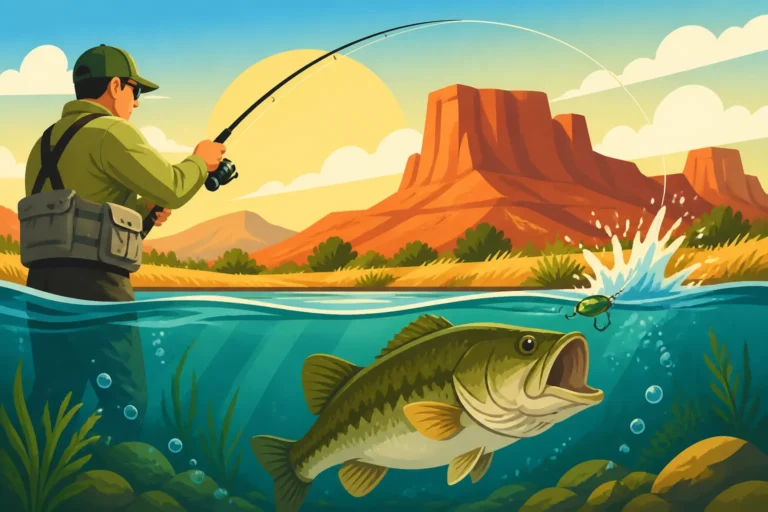
There's nothing quite like the heat of a New Mexico summer day, but let's be honest, trying to fish in that midday sun can be a real struggle. The fish get sluggish, and so do we! If you've ever felt that frustration, know you're not alone. This guide is all about embracing the cooler, quieter magic of evening fishing on New Mexico's reservoirs, revealing why it’s not just a workaround for the heat, but often the absolute best time to hook into some incredible fish.
Why Evening Fishing Shines in New Mexico Reservoirs
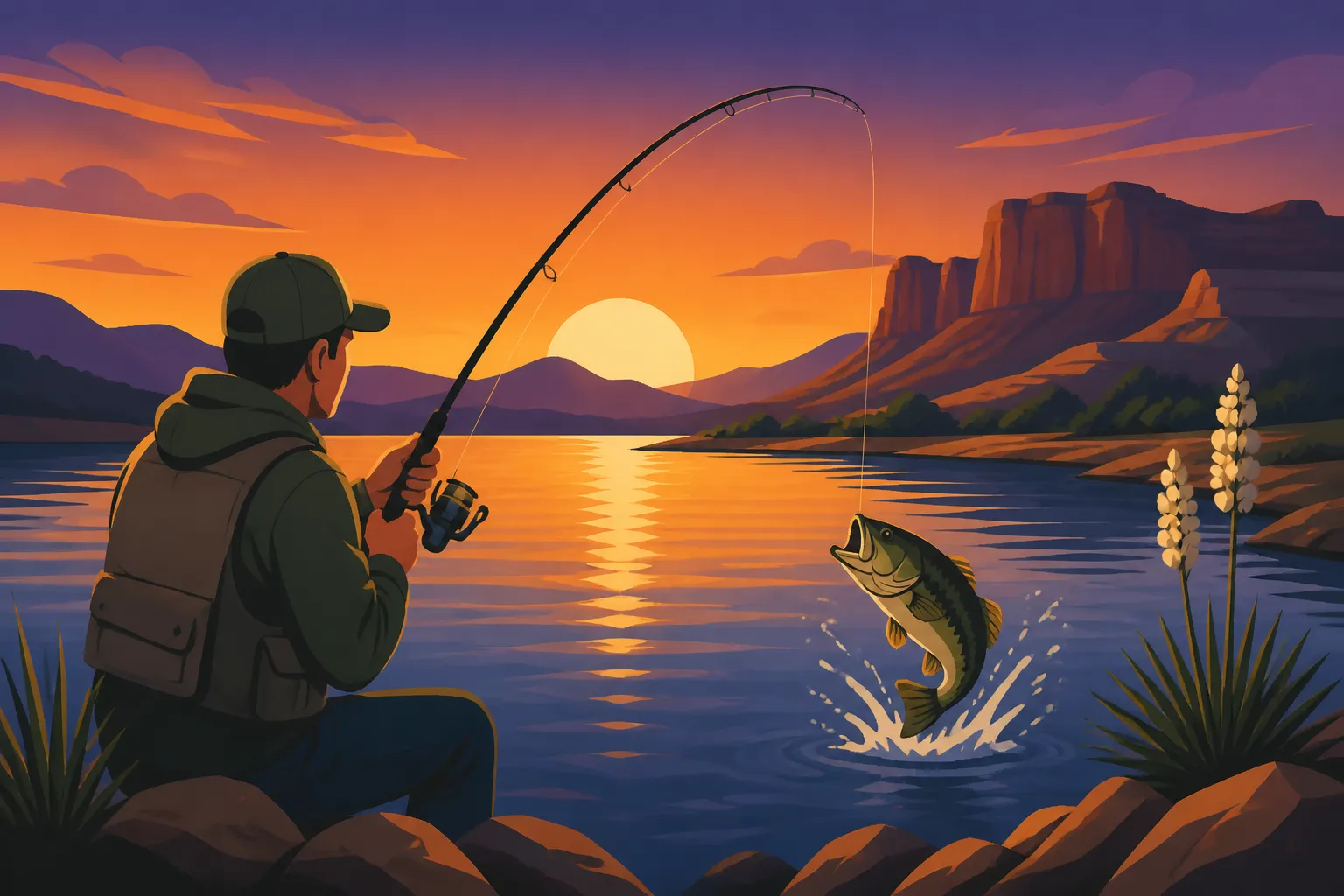
When the sun begins its slow descent over the mesas and canyons, a whole new world of angling possibilities opens up on New Mexico's expansive reservoirs. It’s more than just escaping the oppressive daytime heat; it’s about tapping into a prime feeding window and enjoying a completely different experience on the water.
Beating the Midday Heat
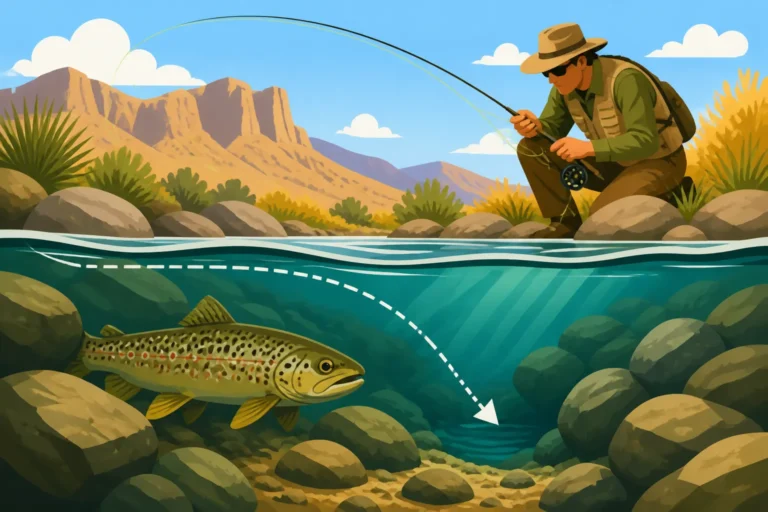
Let's face it, fishing under the scorching New Mexico sun, especially in places like Elephant Butte or Conchas Lake during July and August, can be brutal. Not only is it uncomfortable for us anglers, but it severely impacts the fish as well. Warm surface waters often send fish like bass, walleye, and trout deep, seeking cooler, more oxygenated zones where they become less active and harder to tempt with a lure.
By waiting for the evening, you're not just doing yourself a favor; you're often putting yourself in a better position to find active fish. As the sun dips, water temperatures on the surface begin to drop, even if only slightly. This subtle change can be enough to draw fish out of their deep-water sanctuaries and into shallower feeding grounds, making them more accessible and aggressive. The sheer comfort of a cool breeze after a hot day also makes the entire experience infinitely more enjoyable, allowing you to focus on your fishing rather than just trying to stay hydrated and avoid sunburn.
The Nocturnal Feeding Frenzy
One of the biggest secrets to successful evening fishing lies in understanding fish behavior as light fades. Many of our most sought-after game fish, from formidable striped bass to cunning walleye and opportunistic catfish, are far more active during low-light conditions. This is their natural advantage; with their superior low-light vision or enhanced senses of smell and vibration, they become formidable predators.
As dusk settles, baitfish often move out of deeper water and into the shallows to feed on insects or plankton that have risen to the surface. This migration creates a buffet for larger predatory fish, triggering what can only be described as a nocturnal feeding frenzy. You'll often hear the tell-tale splashes of fish breaking the surface or feel aggressive strikes that were completely absent just hours before. It's a prime window of opportunity that seasoned anglers rarely miss.
Escaping the Crowds
If you've ever tried to launch a boat or find a prime bank fishing spot on a popular New Mexico reservoir on a busy Saturday morning, you know the frustration of crowded waters. Weekends, holidays, and even many weekdays during peak season can see lakes teeming with recreationists – jet skiers, pleasure boaters, and legions of other anglers, all vying for space. This constant activity can stress fish, driving them away from accessible areas and making them more wary.
Evening fishing offers a welcome respite from the hustle and bustle. As families head home for dinner and many boaters pull their crafts off the water, the reservoirs transform into peaceful, tranquil havens. You'll find less competition for your favorite spots, whether it's a rocky point on Conchas Lake or a secluded cove on Navajo Lake. This peace and quiet isn't just good for your soul; it means less pressure on the fish, making them more likely to approach your bait or lure without hesitation.
Essential Gear for Your New Mexico Evening Excursion
Venturing out onto a New Mexico reservoir when the sun is down requires a bit more preparation than a midday trip. The right gear isn't just about comfort; it's about safety and maximizing your chances of success in low-light conditions.
Lighting the Way
This might seem obvious, but good lighting is paramount. A reliable headlamp is an absolute must-have. It keeps your hands free for tying knots, rigging bait, or unhooking a fish, which is incredibly helpful when you're trying to do delicate tasks in the dark. Look for one with different brightness settings and, ideally, a red light option, which helps preserve your night vision and is less likely to spook fish.
Beyond a headlamp, consider a small, portable lantern for your fishing area, especially if you're bank fishing or in a boat without adequate deck lighting. It creates a comfortable ambient glow for your tackle box or to illuminate your immediate surroundings. Always carry spare batteries or a fully charged power bank for your lights. Many anglers find great options for headlamps, lanterns, and portable power banks on platforms like Amazon, which often have a wide selection and competitive pricing for outdoor gear.
Staying Prepared and Comfortable
Evenings in New Mexico, especially at higher elevations or in the desert, can see dramatic temperature drops once the sun sets. Always pack layers of clothing – a light jacket or sweatshirt, maybe even a beanie. It's better to have it and not need it than to be shivering at the water's edge. Speaking of comfort, insect repellent is non-negotiable, particularly in warmer months when mosquitoes and gnats can become a nuisance.
Don't forget the basics: plenty of water, some easy-to-eat snacks, and a comfortable chair if you're bank fishing. A good cooler, like those found from Yeti or Coleman, isn't just for drinks; it’s essential for keeping your catch fresh if you plan on taking some fish home. Having everything you need within easy reach means you won't have to stumble around in the dark searching for essentials, keeping your focus on the fishing.
Rods, Reels, and Line Choices
While your standard daytime setup will generally work, there are a few considerations for evening fishing. A medium-action rod with a sensitive tip can be incredibly useful, allowing you to feel subtle bites that you might miss visually in the dark. Combine this with a smooth-casting spinning or baitcasting reel that you're very familiar with, as you'll be relying on muscle memory more than sight.
When it comes to fishing line, many anglers opt for monofilament or fluorocarbon. Monofilament can be a bit more forgiving for casting in the dark, and its slight stretch can help absorb sudden strikes. Fluorocarbon, being nearly invisible underwater, is always a good choice, especially if you're targeting wary fish in clear water. The key is to use line you trust and can manage well by feel, since visual cues will be minimal. Familiarity with your equipment becomes even more crucial when you can't see every little twitch.
Tackle for Low Light Conditions
The right tackle can make a huge difference after dark. Generally, you want lures that create a strong silhouette against the dim sky or generate a lot of vibration and sound. Darker colors like black, blue, or purple are often effective for soft plastics, jigs, and crankbaits because they stand out better in low light. For something like a topwater lure, a black frog or a dark popper creates a distinct profile on the surface.
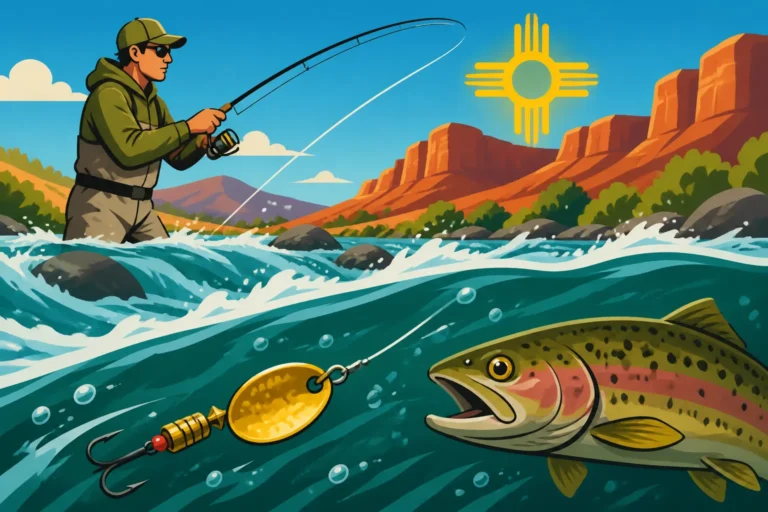
Lures with rattles, thumping blades (like spinnerbaits), or anything that displaces a lot of water can draw attention from fish that are relying on their lateral lines more than their eyes. For bait anglers, fresh live bait like minnows or worms, or even cut bait for catfish, will release potent scents that attract fish from a distance. If you're looking to stock up on specific lures that excel in low light, Amazon is a convenient place to explore a wide range of options, often with reviews from other anglers that can guide your choices. Remember, presentation is still key; even in the dark, a natural retrieve or drift can entice a strike.
Strategies for Success: Reading the Water and Targeting Species After Dark
Evening fishing isn't just about showing up when the sun goes down; it's about adapting your techniques to the unique conditions of low light. Understanding where fish will be and how they'll react to your presentations is crucial for consistent success.
Targeting Specific Species at Dusk
Different fish species exhibit different behaviors as evening approaches, and tailoring your approach can dramatically improve your catch rate. For bass (both largemouth and smallmouth), the twilight hours are prime for topwater action. They'll often move into shallower areas, around submerged cover, weed lines, and rocky points, actively hunting baitfish. Throwing walking baits, poppers, or buzzbaits can provoke explosive strikes. As it gets darker, switch to darker-colored spinnerbaits or jigs fished slowly along structure.
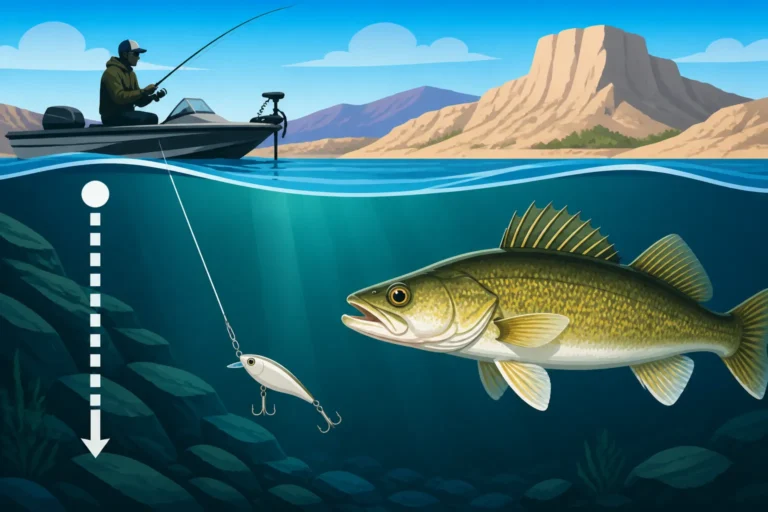
Walleye, known for their excellent low-light vision, become incredibly active. They often move from deeper main lake basins onto shallower flats, humps, and points to ambush prey. Jigging with scented plastics, trolling crankbaits, or slip-bobber fishing with live minnows can be very effective. Locations like Conchas Lake and Ute Lake are renowned for their evening walleye bite. For catfish, particularly channel cats, evening is prime time. They're scavengers by nature and will cruise the bottom of coves and creek channels looking for an easy meal. Stink baits, cut bait, and even worms fished on the bottom are highly effective for these nocturnal feeders, especially in places known for good Catfish Fishing in New Mexico.
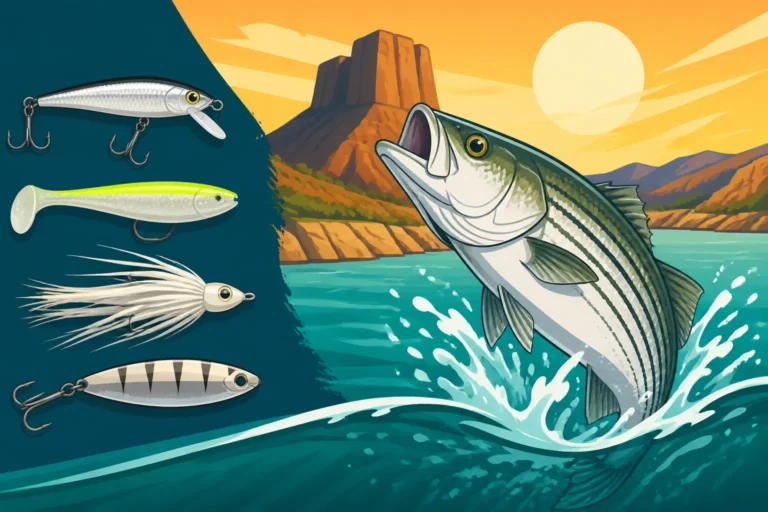
Finally, striped bass at reservoirs like Elephant Butte Lake can put on an incredible show in the evenings. They'll often push baitfish to the surface or against shorelines, creating boils and feeding frenzies. Casting topwater lures, large swimbaits, or even vertical jigging spoons in areas where you mark schools of bait can lead to some truly exhilarating fights. For more insights on this species, check out our guide on Striped Bass Fishing in New Mexico. Knowing your target species' nocturnal habits is the first step to a successful night out.
Sound and Scent Attractors
In low-light conditions, fish rely less on sight and more on their other senses – particularly sound (vibration) and scent. This is where your lure and bait choices can make a significant impact. Lures equipped with rattles or those that create a strong thumping or wobbling action are excellent for drawing attention. A spinnerbait with large blades or a crankbait with internal rattles can send vibrations through the water, alerting fish to its presence from a distance.
Similarly, scent plays a powerful role. Whether you're using natural live bait, cut bait, or enhancing your artificial lures with scent sprays or pastes, introducing an appealing aroma can draw fish in and encourage them to hold onto the bait longer, giving you a better chance to set the hook. This is particularly effective for species like catfish, walleye, and even sluggish bass. Think about how a subtle scent trail might lead a fish right to your presentation in the dark, much like a blood trail would guide a predator.
Safe Navigation and Awareness
Before you even think about dropping a line after dark, it's paramount to be thoroughly familiar with your fishing spot in daylight. Know where submerged hazards, rocks, or shallow areas are. If you're in a boat, make sure all your navigation lights are working correctly and understand the rules of the road for night boating. Always carry a reliable GPS or map, even if you think you know the area well, as disorientation can happen quickly in the dark.
Bank anglers should clearly mark their fishing area with a lantern and be mindful of uneven terrain or obstacles. Fishing with a buddy is always a good idea for added safety, especially at night. Inform someone of your plans – where you're going and when you expect to return. Safety should always be your top priority, ensuring a memorable evening for all the right reasons. You can always refer to the New Mexico Fishing Regulations Overview for specific local rules and safety guidelines.
Prime New Mexico Reservoirs for Evening Angling Adventures
New Mexico is blessed with several fantastic reservoirs that truly come alive after sunset. While many waters offer good evening fishing, some stand out for their consistent action and diverse opportunities.
Elephant Butte Lake
Elephant Butte Lake, New Mexico's largest reservoir, is an evening fishing paradise, especially for those targeting striped bass and channel catfish. As the day's boat traffic dwindles, the "stripers" often move closer to shore or into the upper reaches of the lake, actively chasing baitfish. You can often find them breaking the surface, creating a thrilling topwater bite. Anglers frequently have success casting large swimbaits or topwater plugs around points and submerged structure.
For catfish, the vast coves and flats offer endless opportunities. Rigging up with cut bait, stink bait, or even chicken liver on a bottom rig can yield impressive results. The expansive nature of Elephant Butte means there's always a quiet spot to be found, even during busier seasons. Our Elephant Butte Lake Fishing Guide has even more details on navigating this vast body of water.
Navajo Lake
Up in the northern reaches, Navajo Lake offers a completely different, yet equally rewarding, evening experience. While famous for its trophy trout and kokanee salmon, these species also become more active in the low light. Trout, particularly brown and rainbow trout, will often move into shallower areas to feed on insects or small baitfish. Fly anglers can have fantastic success with streamers or even dry flies if there's an evening hatch.
Kokanee salmon, though sometimes challenging, can also be targeted by slow trolling small spoons or hoochies at specific depths as they move around in the cooler water. The quiet coves and stunning scenery make for a peaceful evening on the water. For an in-depth look at this northern gem, consult our Navajo Lake Fishing Guide. Remember to always check the specific New Mexico Fishing Season Dates and Limits for target species like Kokanee, as their seasons can be quite specific.
Conchas Lake
Located in eastern New Mexico, Conchas Lake is a fantastic destination for evening anglers, particularly those keen on walleye and crappie. Walleye are highly sensitive to light, making them notoriously difficult to catch during bright daylight hours. However, as dusk settles, they move out of their deep-water haunts and onto shallow humps, points, and flats to feed. Jigging with scented soft plastics or trolling crankbaits are highly effective methods.
Crappie also become more active in the evenings, often congregating around submerged brush piles, standing timber, or lighted docks if you're fishing near developed areas. Using small jigs tipped with minnows or crappie nibblers under a slip bobber can lead to a productive night. You can learn more about this versatile lake in our Conchas Lake Fishing Guide.
Ute Lake
Ute Lake, also in eastern New Mexico, shares many characteristics with Conchas, offering excellent evening prospects for walleye and striped bass. Like at Elephant Butte, the striped bass here can provide explosive action as they herd baitfish. Anglers find success casting larger swimbaits or topwater plugs in areas with good structure and baitfish presence.
Walleye fishing at Ute Lake follows similar patterns to Conchas, with the fish moving shallower during low light. Trolling crankbaits or jigging spoons along deep contours that transition to shallower flats can be very productive. Ute Lake's less crowded nature, especially after dark, makes it a prime spot for a peaceful and productive evening outing. For more details on this often-overlooked gem, check out Ute Lake Fishing.
Navigating the Night: Safety and Etiquette on the Water
Fishing in the dark, while incredibly rewarding, also comes with its own set of responsibilities and potential hazards. Prioritizing safety and practicing good etiquette ensures a positive experience for everyone on the water.
Personal Safety and Visibility
Your personal safety should always be your number one concern when fishing after dark. If you're in a boat, always wear a U.S. Coast Guard-approved Personal Flotation Device (PFD). Accidents can happen quickly, and even strong swimmers can be disoriented in cold, dark water. Make sure your boat's navigation lights are functioning correctly and are clearly visible. A bright, all-around white light is essential to avoid collisions with other boats.
Beyond boating, be prepared for potential wildlife encounters. New Mexico is home to various nocturnal animals, from coyotes to snakes. Stay aware of your surroundings, avoid walking through dense vegetation, and never approach wildlife. Always have a fully charged cell phone (though service can be spotty in remote areas) and a basic first-aid kit readily accessible. It’s also wise to check weather forecasts for sudden changes, as storms can roll in unexpectedly, and navigating a storm in the dark is far more dangerous.
Environmental Awareness
As responsible anglers, we have a duty to protect New Mexico's beautiful waterways. This means adhering to the principles of "Leave No Trace." Pack out everything you pack in, including all trash, discarded fishing line, and any bait containers. Nothing should be left behind to pollute the environment or harm wildlife. Be mindful of noise levels, especially if you are fishing near residential areas or other campers. The tranquility of evening fishing is one of its greatest appeals, and everyone should be able to enjoy it.
It's also crucial to be familiar with any specific regulations regarding night fishing on your chosen body of water. Some areas may have restrictions on hours, specific types of gear, or access points after dark. Always consult the official New Mexico Department of Game and Fish regulations handbook or website before you go. Respecting these rules and the environment helps ensure that these incredible evening fishing opportunities will be available for generations to come. For example, some locations might have specific rules for New Mexico Special Trout Water Regulations.
Here's a quick summary of evening fishing advantages and tips:
| Aspect | Daytime Fishing | Evening Fishing |
|---|---|---|
| Fish Activity | Often sluggish, seeking deep, cool water | More active, moving into shallows for feeding |
| Angler Comfort | Hot, high sun, risk of sunburn/heatstroke | Cooler temperatures, pleasant breezes |
| Crowds | Busy, high boat traffic, competition for spots | Quieter, fewer boats, more peaceful experience |
| Target Species | Deeper water tactics often required | Wider range of species active, topwater bites common |
| Visibility | High, easy to see lures/lines | Low, reliance on other senses (sound, scent, vibration) |
| Gear Needs | Standard gear | Headlamp, extra layers, insect repellent, navigation lights |
| Safety Emphasis | Standard precautions | Heightened awareness of surroundings, PFDs, communication |
Disclaimer
This article is for general informational purposes only and does not constitute professional advice. Laws, prices and regulations vary by location and change over time. Consult a qualified professional for guidance on your specific situation.