Fishing New Mexico’s Alpine Lakes in Early Summer
The call of the high country for an angler is almost irresistible, especially when those crisp, clear alpine lakes are just beginning to shed their winter skin. But if you’ve ever imagined yourself casting a line in one of New Mexico’s breathtaking mountain tarns, only to get lost in a maze of questions about access, gear, and what to even expect, you’re not alone. This comprehensive guide is designed to cut through that confusion, helping you confidently plan and execute a rewarding early summer fishing trip to New Mexico’s stunning alpine lakes.
Why Early Summer is Prime for Alpine Lake Fishing
There’s a unique window of opportunity that opens as spring transitions into early summer in New Mexico’s high country, making it an incredibly appealing time for adventurous anglers. While the lower elevations might already be sweltering, the alpine lakes are just waking up, offering a different kind of challenge and reward.
The Thaw and the Awakening
As the last remnants of winter snow finally melt, usually from late May through June, the high mountain lakes begin to come alive. This isn’t like fishing a lowland reservoir where the seasons blend; here, the transition is stark and dramatic. The water is often still incredibly cold, but the warming sun starts to stir insect life, and the trout, after a long winter under the ice, become more active and hungry. This brief period often means fish are less wary than they might be later in the season when they’ve seen every fly and lure imaginable. The solitude is also a major draw; you're likely to encounter fewer people during this shoulder season than during the peak of summer, offering a more peaceful and personal connection with nature.
However, this early season also comes with its own set of challenges. Trails might still be muddy, stream crossings swollen with snowmelt, and weather patterns can be notoriously fickle, shifting from warm sunshine to sleet or even snow in a matter of hours. Being prepared for anything is not just a recommendation; it's a necessity. Understanding the specific When Do New Mexico's High Lakes Thaw Out? can make all the difference in timing your trip just right.
Target Species and Their Behavior
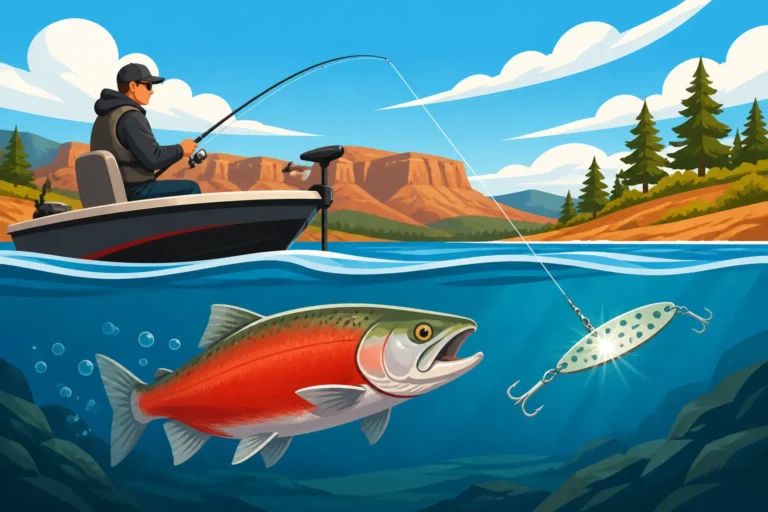
New Mexico’s alpine lakes are primarily home to various trout species, with rainbow, brook, and cutthroat trout being the most common. In some specific locations, you might even find golden trout, a true high-country gem. In early summer, these trout are often found cruising the shallower waters near the shorelines, particularly in the mornings and evenings. They're looking for emerging insects, small baitfish, or anything else that offers an easy meal after their long winter fast.
They can be surprisingly aggressive during this time, readily hitting a variety of presentations. The cool, oxygen-rich water keeps them energetic, and the relative lack of fishing pressure means they haven't yet developed the extreme skittishness often seen later in the season. However, they are still wild fish in pristine environments, so presenting your offerings naturally and without spooking them is key.
Planning Your Alpine Lake Expedition
A successful high-country fishing trip isn't just about showing up with a rod; it requires careful planning, especially when you're heading into the wilderness during the early summer transition. Neglecting preparation can quickly turn a dream trip into a miserable, or even dangerous, ordeal.
Researching Your Destination and Conditions
Before you even think about packing, you need to know where you're going. New Mexico boasts many incredible alpine lakes, from the Pecos Wilderness to the high peaks of the Carson National Forest. Each has its own unique characteristics, access points, and sometimes, specific regulations. Start by identifying a few potential lakes that match your hiking ability and desired level of solitude. Check trail conditions; many high-country trails are still snow-packed or muddy in early summer, making access difficult or even impossible. Websites for the U.S. Forest Service or local wilderness organizations are invaluable resources for up-to-date trail reports.
Don't forget the legalities! You'll absolutely need a valid New Mexico Fishing License Guide and potentially a New Mexico Habitat Stamp and Validation Requirements if you're fishing on certain federal lands. Always review the New Mexico Fishing Regulations Overview for the specific body of water you intend to visit, as special rules regarding bag limits, tackle restrictions, or even catch-and-release only sections might apply, especially for sensitive native trout populations. These regulations are designed to protect these fragile ecosystems and ensure future fishing opportunities.
Physical Preparation and Safety
Hiking to an alpine lake, especially in early summer, often involves significant elevation gain and mileage, potentially over uneven or slippery terrain. Physical fitness is crucial. Start training with hikes that mimic the conditions you expect, carrying a pack to get accustomed to the weight. Always carry a detailed map, a compass, and a GPS device (and know how to use them all!), as trails can become faint or obscured, especially after snowmelt. Cell service is often nonexistent in the backcountry.
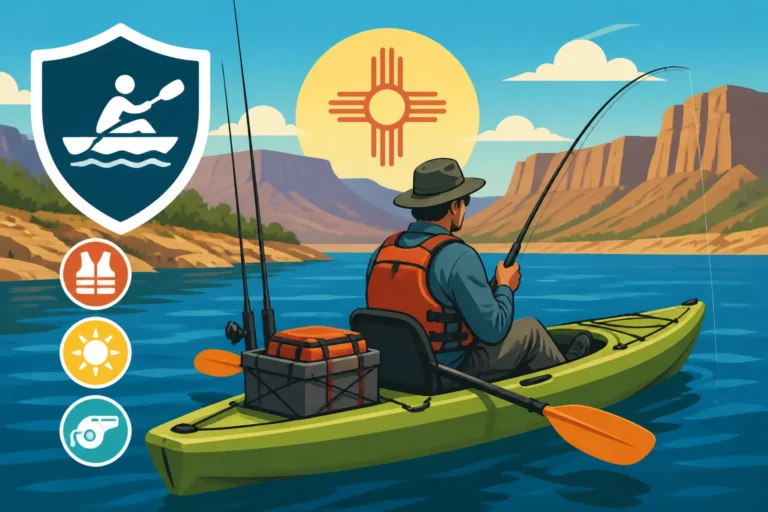
Weather in the mountains is famously unpredictable. A sunny morning can quickly turn into a thunderous afternoon with hail or snow. Pack layers, including waterproof and windproof outerwear, even if the forecast looks clear. Emergency essentials like a first-aid kit, fire starter, headlamp, extra food, and water purification are non-negotiable. Inform someone of your itinerary and expected return time. Safety should always be your top priority when venturing into these remote and stunning environments.
Essential Gear for High-Altitude Success
The right gear can make or break an alpine lake fishing trip. You need a balance of performance, durability, and most importantly, portability. Every ounce counts when you're hiking for miles up a mountain.
Rods, Reels, and Line Choices
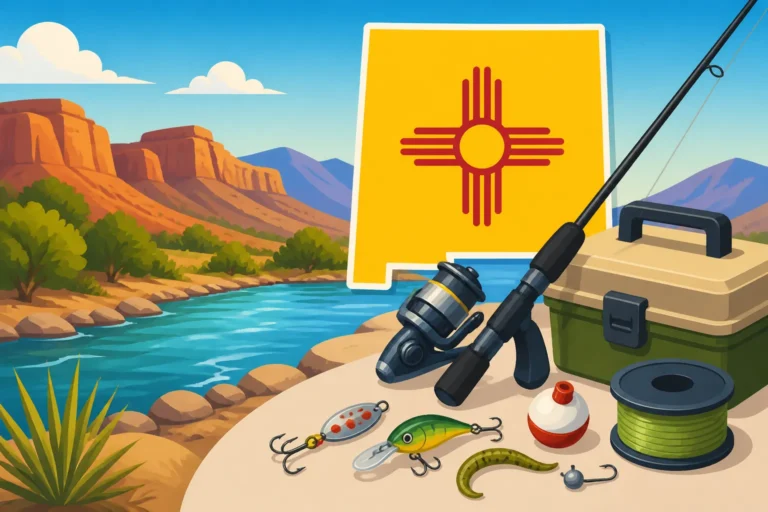
For most New Mexico alpine lake trout, a lightweight spinning or fly fishing setup is ideal.
Spinning Gear:
- Rod: A light to ultralight spinning rod, 5 to 6.5 feet long, is perfect. It offers enough sensitivity for light bites but enough backbone to handle a feisty trout. A breakdown rod (2-4 pieces) is excellent for packing.
- Reel: Pair it with a small, high-quality spinning reel loaded with 4-6 lb test monofilament or fluorocarbon line. Monofilament offers a bit more stretch for softer presentations, while fluorocarbon is virtually invisible underwater.
- Benefits: This setup is generally easier for beginners and allows for casting lighter lures and bait.
Fly Fishing Gear:
- Rod: A 3-weight to 5-weight fly rod, 7.5 to 9 feet long, is versatile for most alpine trout scenarios. Again, a 4-piece rod is highly recommended for easy transport.
- Reel: A lightweight reel that balances your rod, with a smooth drag system.
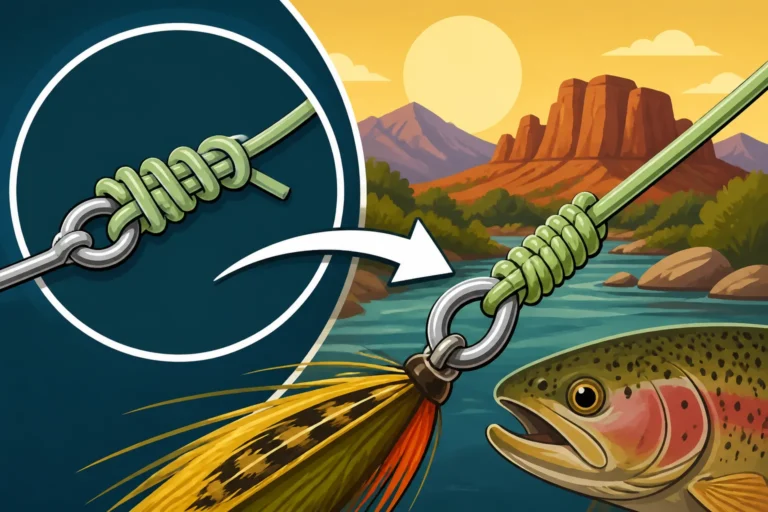
- Line: Weight-forward floating line is a good all-around choice. You might want to carry a few different leaders and tippet spools (from 4x to 6x) to adapt to changing conditions and fish preferences.
- Benefits: Fly fishing offers a more nuanced approach, often excelling with finicky trout keying in on specific insect hatches.
You can find a great selection of lightweight Best Rods and Reels for New Mexico Trout Fishing suitable for packing on Amazon, often with reviews that speak to their packability and performance.
Lures, Flies, and Baits
This is where local knowledge and experimentation come in handy. Trout in alpine lakes can be opportunistic.
Spinning Tackle:
- Small Spinners: Classic Mepps or Rooster Tail spinners in sizes #0 to #2 are consistently effective. Colors like silver, gold, and brass with a bit of flash are excellent.
- Micro Jigs: Small marabou or soft plastic jigs (1/32 to 1/8 ounce) can mimic insects or small baitfish. White, olive, black, or natural colors work well.
- Spoons: Tiny Kastmasters or Dardevles spoons flutter enticingly.
- Natural Bait: While regulations vary, often powerbait, salmon eggs, or worms can be incredibly effective, especially for recently stocked trout. Always check specific New Mexico Trout Fishing Rules for bait restrictions.
Fly Fishing Tackle:
- Dries: In early summer, keep an eye out for hatches. Caddis, mayflies (like Pale Morning Duns), and terrestrial patterns (ants, beetles) can be effective. Pack sizes from #14 to #18.
- Nymphs: When fish aren't rising, nymphs are your bread and butter. Pheasant Tails, Hare's Ears, Prince Nymphs, and San Juan Worms in sizes #16 to #20 are essential.
- Streamers: Small woolly buggers (black, olive, white) in sizes #10 to #14 can imitate leeches or baitfish, often provoking aggressive strikes.
For a more in-depth look at specific patterns and their effectiveness, check out our guide on Best Lures for New Mexico Trout. When stocking up, you might find convenient multi-packs or specialized kits on Amazon.
Essential Accessories and Clothing
Beyond your rod and reel, several items are crucial for comfort and safety:
- Backpack: A comfortable, multi-day hiking backpack (30-50 liters) is ideal to carry all your gear, food, water, and extra layers. Look for one designed for hiking, with good weight distribution. Our guide on the Best Fishing Backpack for Hiking to High Lakes offers excellent suggestions.
- Waders/Wading Boots: While not always necessary, lightweight breathable waders and sturdy wading boots can be invaluable for crossing streams, staying warm, and getting into prime casting positions.
- Layers of Clothing: Start with a moisture-wicking base layer, add a fleece or puffy mid-layer, and finish with a waterproof/windproof outer shell. Bring a warm hat and gloves, even in summer.
- Sun Protection: At high altitudes, the sun is intense. Sunglasses (polarized are a must for spotting fish!), a wide-brimmed hat, and high SPF sunscreen are critical.
- Navigation: Map, compass, GPS, and a fully charged phone (for emergency, not navigation reliance).
- Water: Plenty of water or a water filter/purifier.
- Food: High-energy snacks and meals.
- First-Aid Kit: Comprehensive for wilderness emergencies.
- Headlamp: Essential if you're hiking in early morning or late evening.
- Net: A small, lightweight landing net with a rubber mesh is ideal for handling fish gently, especially if you plan on catch and release.
- Multi-tool/Knife: Always handy.
Remember that even seemingly small items can make a big difference, so consider every piece of gear carefully.
Mastering Alpine Lake Fishing Techniques
Fishing these pristine waters isn't always like hitting your local pond. Success often comes down to adapting your techniques to the unique environment and the behavior of high-country trout.
Reading the Water and Approaching Carefully
Alpine lake trout, especially the wild ones, can be incredibly wary. Their pristine environment means they're not accustomed to heavy human presence. Approach the water slowly and quietly, staying low and out of sight as much as possible. Avoid heavy footsteps or casting shadows over the water. Polarized sunglasses are absolutely essential for spotting fish and underwater structure. Look for drop-offs, submerged rocks, logs, and weed lines – these are prime holding areas where trout will ambush prey or seek shelter. Pay close attention to any rising fish, as this indicates an active insect hatch.
In early summer, after the ice has just come off, trout are often cruising the shallower flats and shorelines, especially where any fresh water is flowing in from melting snow. These inflows can carry nutrients and insects, attracting hungry fish. They might also be found near any deeper water offering a quick escape from predators. Understanding High Altitude Fishing Tips for New Mexico will significantly improve your chances.
Effective Casting and Presentation Strategies
The way you present your lure or fly is paramount.
For Spin Anglers:
- Fan Casting: Start by casting parallel to the shore, then fan out your casts, covering the water systematically.
- Vary Your Retrieve: Experiment with different retrieve speeds. Sometimes a slow, steady retrieve works best; other times, erratic jerks and pauses will trigger a strike.
- Depth Control: If you're not getting bites in the shallows, let your lure sink for a few seconds before retrieving to target deeper fish. Using a weighted jig or a spoon can help you get down faster.
- Light Line & Small Lures: Use the lightest line you can get away with and stick to smaller, more natural-looking lures.
For Fly Anglers:
- Match the Hatch (if present): Observe what insects are on or near the water. If you see rises, try to match the size, shape, and color of the naturals.
- Nymphing Techniques: If fish aren't rising, nymphing under an indicator or with a dry-dropper rig is incredibly effective. Focus on seams, current breaks, and drop-offs.
- Stripping Streamers: Sometimes, a stripped streamer can provoke a territorial strike from a larger trout. Cast it out, let it sink, and retrieve with short, erratic strips.
- Mend Your Line: Keep drag off your line by mending to allow your fly to drift naturally without being pulled unnaturally by the current.
Remember, trout in these clear waters often have keen eyesight. A natural, drag-free presentation is often more important than the exact pattern.
Catch and Release Best Practices
Many New Mexico alpine lakes, especially those holding native or wild trout, operate under strict New Mexico Trout Possession Limit and often require catch and release. Even if you can keep fish, practicing good catch and release helps sustain these fragile fisheries.
- Minimize Handling: Touch the fish as little as possible.
- Wet Hands: Always wet your hands before touching a fish to protect its protective slime layer.
- Barbless Hooks: Crimp down barbs on your hooks or use barbless hooks to make removal easier and reduce harm.
- Quick Release: Keep the fish in the water as much as possible. If you need a photo, do it quickly with the fish partly submerged.
- Revive Gently: If a fish is lethargic, hold it gently facing into the current until it can swim away strongly on its own. Never force a fish to swim forward if it's not ready. Our guide to Catch and Release Best Practices in New Mexico offers more detailed advice.
By following these principles, you ensure that the magic of alpine lake fishing can be enjoyed for generations to come.
Navigating the Early Summer Specifics
Early summer in the high country brings its own set of environmental factors that savvy anglers will consider.
Snowmelt and Water Levels
The most defining characteristic of early summer alpine fishing is the ongoing snowmelt. This means water levels can be high, and streams feeding the lakes can be swift and cold. While this influx of fresh, oxygenated water can invigorate trout, it can also make some areas murky or difficult to fish. Focus on areas where the water clarity is better, or where the current slows down, creating eddies or pockets where trout can rest out of the main flow.
Conversely, some smaller, shallower lakes might warm up more quickly and stabilize, offering clearer water sooner. It's a delicate balance, and scouting conditions upon arrival, or even calling local outfitters for recent reports, can save you a lot of time and effort. The volume of incoming water also often carries terrestrial insects, like ants and beetles, from the banks into the lake, creating new feeding opportunities for trout.
Temperature Swings and Insect Activity
Early summer days can be delightfully warm, but nights in the alpine are still very cold, often dipping below freezing. These temperature swings affect both the fish and the emerging insect life. Trout might be most active during the warmest parts of the day, when insect hatches are more likely, or during dawn and dusk when they feel safer in the low light.
Keep an eye out for hatches of midges, caddis, and small mayflies. If you see them, there's a good chance trout are keying in on them. If nothing is hatching, don't despair; subsurface presentations with nymphs or small streamers are often productive. The key is observation: watch the water, look for bugs in the air or on the surface, and try to deduce what the fish are feeding on. This detective work is a huge part of the allure of high-country angling.
| Trout Species | Typical Alpine Locations | Early Summer Behavior | Effective Lures/Flies |
|---|---|---|---|
| Rainbow Trout | Stocked & Wild in many high lakes | Actively feeding near shore, chasing insects. | Small spinners, powerbait, caddis, pheasant tail nymphs. |
| Brook Trout | Often in smaller, colder headwater lakes | Aggressive feeders, less wary. | Small spinners, micro jigs, woolly buggers, royal wulff dries. |
| Cutthroat Trout | Native in specific, often remote, lakes | Opportunistic, can be sensitive to disturbance. | Small dry flies, emergers, prince nymphs, small spoons. |
| Lake Trout | Deeper, larger alpine lakes (rarer) | Staying deep, but might move shallower after ice-out. | Heavier jigs, spoons, large streamers. |
Fishing New Mexico's alpine lakes in early summer is an experience unlike any other. It’s demanding, rewarding, and offers an unparalleled connection to the wild heart of the state. With careful planning, the right gear, and an adaptable approach, you’ll be well on your way to creating unforgettable angling memories in some of the most beautiful places on Earth.
Disclaimer
This article is for general informational purposes only and does not constitute professional advice. Laws, prices and regulations vary by location and change over time. Consult a qualified professional for guidance on your specific situation.