Where New Mexico’s Record Walleye Was Caught
There's a thrill that comes with the pursuit of a trophy fish, especially when you're dreaming of breaking a state record. New Mexico's diverse waters hold some incredible fish, and for walleye anglers, the idea of landing a monster that outranks all others is a powerful motivator. If you've ever wondered where the biggest walleye in New Mexico history was pulled from, you're not alone – that kind of legendary catch sparks curiosity and provides a roadmap for ambitious anglers. This guide will take you straight to the hallowed waters where New Mexico's record walleye was caught, exploring what makes this lake so special for these elusive, toothy predators.
The Legendary Catch: Pinpointing New Mexico's Record Walleye Location
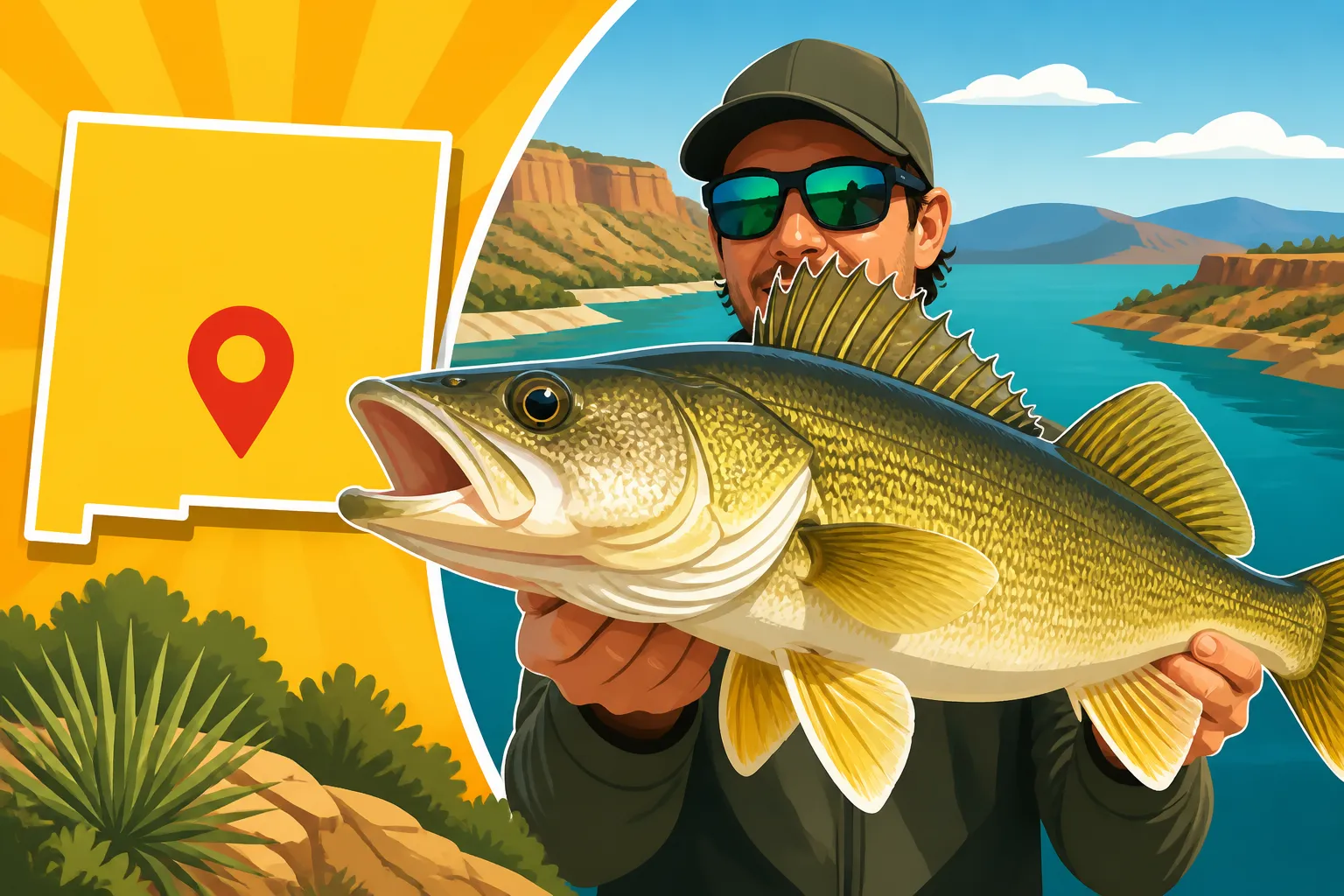
Imagine the sheer excitement, the adrenaline rush, as an angler reels in a fish so massive it shatters the state record. This isn't just a fish story; it's a testament to the potential of New Mexico's fisheries and the dedication of the angler who made it happen. When it comes to the New Mexico state record walleye, the spotlight shines brightly on Ute Lake. This eastern New Mexico reservoir holds the official state record, a truly monumental catch that has inspired countless other anglers to try their luck in its waters.
The Specific Lake: Ute Lake's Walleye Legacy
Ute Lake, situated near Logan, New Mexico, is far more than just a large body of water; it's a dynamic ecosystem that consistently produces impressive walleye. The record-breaking catch cemented its reputation, but anglers have known for years that Ute offers some of the best Walleye Fishing in New Mexico. The lake is a sprawling reservoir on the Canadian River, boasting a variety of underwater structures, from steep rocky banks and ledges to submerged timber and expansive flats. This diverse topography provides ample hiding spots and ambush points for walleye, making it an ideal hunting ground for these predatory fish.
What sets Ute Lake apart for walleye is its combination of depth, forage, and water conditions. The lake can get quite deep in places, offering thermal refuge for walleye during the hotter months, allowing them to thrive and grow to incredible sizes. Its clear to moderately stained waters provide conditions where walleye, known for their light-sensitive eyes, can effectively hunt. Anglers often comment on the health and vigor of the walleye caught here, a direct reflection of the lake's rich environment.
What Makes This Lake a Walleye Hotspot
Ute Lake isn't just a lucky spot; it's a genuinely prime habitat for walleye, and several factors contribute to its ability to produce trophy-sized fish. First and foremost is the incredible forage base. Ute Lake is teeming with baitfish, particularly gizzard shad, which provide a consistent and abundant food source for growing walleye. A robust diet means healthier, faster-growing fish, which is crucial for reaching record-breaking dimensions. You might even find some excellent walleye lures specifically designed to imitate gizzard shad when browsing fishing gear on Amazon.
Beyond the food, the lake's structure plays a pivotal role. Walleye are ambush predators and prefer to hold near structure where they can hide and dart out to intercept unsuspecting prey. Ute Lake offers an abundance of these features, including rocky points, submerged humps, old creek channels, and standing timber. These underwater landscapes act like highways and neighborhoods for walleye, providing both shelter and hunting grounds. The expansive nature of Ute Lake also means less concentrated fishing pressure on specific areas, allowing some fish to grow unmolested for longer periods. Water quality and subtle temperature gradients also contribute, creating optimal conditions for walleye metabolism and growth throughout the year.
The Story Behind the Catch
While I can't share the exact, moment-by-moment details of the record-setting catch without verifiable real-time data, we can appreciate the elements that likely led to such an achievement. Catching a record walleye typically involves a combination of deep knowledge of the fishery, persistent effort, and a bit of good fortune. The angler likely spent countless hours on the water, meticulously studying patterns, depths, and structures where large walleye are known to congregate. It wasn't just a casual cast; it was probably a targeted effort, perhaps Jigging for Walleye in New Mexico over a submerged point or slowly trolling a crankbait along a deep ledge.
Imagine the anticipation as the line went taut, the heart-pounding battle, and the careful netting of a fish that visibly dwarfed anything seen before. The weigh-in, the official confirmation – these are the moments that transform a great fishing trip into a legendary one. It's a testament to the idea that New Mexico's waters hold true giants, waiting for the dedicated angler to discover them. Such a catch inspires others to learn more about New Mexico Fishing Season Dates and Limits and dedicate themselves to finding their own personal best.
Understanding Walleye in New Mexico: Beyond the Record
The record-setting walleye from Ute Lake is certainly impressive, but it's important to remember that New Mexico offers fantastic walleye fishing across several other bodies of water. Understanding the broader picture of walleye in the state can help you plan your next angling adventure, whether you're chasing a personal best or just looking for a delicious meal.
New Mexico's Walleye Fisheries
While Ute Lake stands out for its record-holding fish, it's not the only game in town for walleye enthusiasts. Other notable walleye fisheries across New Mexico include Conchas Lake, located downstream from Ute on the Canadian River, and Clayton Lake in the northeastern part of the state. These lakes share some characteristics with Ute, such as a strong forage base and varied underwater structure, making them excellent choices for anglers.
For instance, Walleye at Conchas Lake offers a similar fishing experience to Ute, with anglers often finding success by trolling or jigging along the lake's extensive shoreline and submerged features. Clayton Lake, while smaller, also boasts a healthy walleye population, particularly known for its strong winter ice fishing bite. Each of these lakes presents its own unique challenges and rewards, but all provide opportunities to catch robust, healthy walleye. New Mexico's fish and game department works diligently to manage these populations, often through stocking programs, to ensure sustained angling opportunities for years to come.
| Lake | Primary Walleye Features | Common Techniques | General Size Range |
|---|---|---|---|
| Ute Lake | Deep channels, extensive structure, abundant shad | Trolling, jigging, slip-bobber | 16-24 inches, potential for much larger |
| Conchas Lake | Similar structure and forage to Ute, varied depths | Trolling, jigging, crankbaits | 15-22 inches, good numbers |
| Clayton Lake | Smaller, colder, strong winter bite, rocky structure | Jigging, ice fishing, slow trolling | 14-20 inches, consistent catches |
| Sumner Lake | River channel, points, good forage | Trolling, vertical jigging, live bait | 15-23 inches |
| Elephant Butte | Though known for Stripers, good walleye in certain areas | Deep water jigging, night fishing with lights | 14-20 inches, less consistent |
Key Factors for Trophy Walleye Growth
What pushes a walleye from a good catch to a truly enormous, record-breaking specimen? It comes down to a few critical factors that any angler hoping to replicate the Ute Lake success should understand.
- Abundant and Accessible Forage: As mentioned, a plentiful and easily accessible food source is paramount. Walleye are opportunistic feeders, and lakes rich in shad, minnows, or even crawfish provide the fuel needed for rapid growth. The less energy a walleye expends hunting, the more it can dedicate to getting bigger.
- Suitable Habitat and Thermal Refuges: Large walleye need space, deep water, and varied structure. Deep areas provide cool, oxygenated water during warm periods, allowing them to remain active and feed. Structure, whether natural rock piles or man-made features, offers ambush points and shelter from light.
- Longevity and Low Pressure: Simply put, fish need time to grow big. Waters with strong conservation practices, appropriate bag limits, and a healthy balance of fishing pressure allow walleye to live longer and reach their maximum genetic potential. Responsible angling practices, like careful catch and release of larger fish, contribute significantly to this.
- Genetics and Water Quality: While less controllable by anglers, the genetic strain of walleye stocked or naturally reproducing in a lake plays a role. Good water quality, free from pollutants and with stable oxygen levels, ensures a healthy environment for growth.
Biological Profile of New Mexico Walleye
Walleye (Sander vitreus) are a fascinating species, known for their distinctive "glassy" eyes, which are adapted for low-light conditions, giving them a significant advantage during dawn, dusk, and on cloudy days. In New Mexico, they typically have a mottled olive-green to gold coloration, with a white belly. They are characterized by their elongated bodies, sharp teeth, and two dorsal fins, one spiny and one soft-rayed.
These fish are primarily piscivorous, meaning they eat other fish, but they will also consume crawfish and insects. They prefer clear to somewhat turbid water, often congregating around submerged structures like rocks, logs, humps, and drop-offs. Their preference for low light means they are often more active during twilight hours or deep within the water column. Understanding these biological traits is crucial for effective targeting, as it dictates when and where you'll find them. They can be found in various sizes, but catching a true trophy requires patience and understanding their habits, often detailed in comprehensive resources like New Mexico Fishing Regulations Overview.
Strategies for Targeting New Mexico Walleye
So, you're inspired by the record-breaking catch and want to try your hand at landing a big walleye in New Mexico. Great! While there's no magic bullet, understanding the best times, techniques, and gear can significantly increase your chances.
Best Times and Conditions
Walleye are notoriously fickle, but certain conditions stack the odds in your favor.
- Low Light Conditions: This is paramount. Walleye eyes are built for dim light, so dawn, dusk, and overcast days are prime fishing times. Night fishing can also be incredibly productive, especially during warmer months when walleye move into shallower waters to feed.
- Seasonal Patterns:
- Spring: After ice-out (if applicable) and into the pre-spawn and spawn period, walleye become very active and can be found shallower. This is a fantastic time for aggressive feeding.
- Summer: As waters warm, walleye retreat to deeper, cooler sections of the lake, often holding tight to submerged structure. Night fishing becomes more effective as they move up to feed.
- Fall: As water temperatures drop, walleye often go on a major feeding binge, bulking up for winter. This can be one of the best times for trophy fish.
- Winter (Ice Fishing): On lakes that freeze over, like Clayton Lake or parts of Ute, ice fishing for walleye can be excellent, especially during mid-day.
- Weather Influences: Stable weather patterns are generally better than sudden cold fronts. A light chop on the water can also improve walleye bite, as it breaks up light penetration and makes them feel more secure. For more general advice on optimal times, check out Best Time of Year to Fish in New Mexico.
Effective Techniques and Lures
Catching walleye often requires a methodical approach, adapting to the conditions and the fish's mood.
- Jigging: This is perhaps the most classic walleye technique. Vertical jigging directly over suspected structure or schools of fish is highly effective. You can use lead head jigs tipped with live minnows, plastic grubs, or soft plastic swimbaits. The key is to present the lure close to the bottom, imparting a subtle lift and fall motion. Different colors work at different times, and you might find that checking out options like Best Jig Color for New Mexico Walleye can give you an edge.
- Trolling: Covering water is key in large reservoirs. Trolling crankbaits at various depths, often using planer boards to spread out lines, is a very efficient way to locate active fish. Experiment with different lure sizes, colors, and diving depths until you find what triggers bites.
- Slip-Bobber Fishing: When walleye are holding in specific areas, especially around weed lines or submerged timber, a slip-bobber rig with a live minnow or leech can be deadly. It allows for precise depth control and a natural presentation.
- Blade Baits and Spoons: These can be very effective when jigged vertically, especially in deeper water. The flash and vibration can draw strikes from reluctant walleye. For a range of lure options, searching on Amazon for "walleye lures" can yield many choices.
Regardless of the technique, remember that walleye often bite subtly. It might feel like a slight "thump" or just added weight on your line, so pay close attention.
Gear Considerations for Walleye Anglers
Having the right gear makes all the difference when pursuing walleye, especially the big ones.
- Rods and Reels: A medium to medium-heavy action spinning or baitcasting rod, typically 6'6" to 7'6" long, with a fast or extra-fast tip, is ideal. This combination provides the sensitivity to detect subtle bites and the backbone to handle larger fish. Match it with a reliable spinning reel in the 2500-3000 size range or a sturdy baitcasting reel.
- Line: Many walleye anglers prefer 8-12 lb test fluorocarbon or braid with a fluorocarbon leader. Fluorocarbon is nearly invisible underwater and offers excellent sensitivity, while braid provides superior strength and minimal stretch.
- Electronics: A good fish finder is almost essential for serious walleye fishing, particularly on large lakes like Ute or Conchas. It helps locate structure, identify baitfish schools, and mark individual fish. A unit with side imaging or down imaging can be invaluable for finding those hidden walleye haunts. Consider a deeper dive into Choosing a Fish Finder for Deep Reservoirs to get the most out of your electronics.
- Accessories: Don't forget a sturdy landing net, especially one with a rubberized mesh to protect fish if you plan on catch and release. Pliers for hook removal, a good headlamp for low-light conditions, and a cooler with ice for your kept fish are also must-haves.
Conservation and the Future of Walleye Fishing
Landing a state-record walleye is a monumental achievement, but the continued health of New Mexico's walleye fisheries depends on responsible angling practices and adherence to regulations. We all want future generations to have the same opportunities, or even better, to chase these incredible fish.
Regulations and Limits
Every angler has a responsibility to know and follow the rules. New Mexico has specific regulations regarding walleye, including bag and possession limits, which are designed to manage fish populations sustainably. These rules can vary by water body and may be updated periodically, so always consult the most current New Mexico Fishing Regulations Overview before heading out. For instance, you'll want to be familiar with the New Mexico Statewide Bag Limit for Walleye to ensure you're fishing legally and responsibly. These limits help ensure that enough fish remain in the system to reproduce and grow, maintaining a healthy population for everyone.
Responsible Angling Practices
Beyond legal limits, adopting ethical angling practices is crucial, especially when targeting larger fish.
- Catch and Release: While taking a few walleye for the frying pan is part of the fun, consider releasing larger, trophy-sized fish. These larger females are often the most prolific spawners and contribute significantly to the health of the fishery. If you do release a big one, ensure you handle it gently, minimize its time out of water, and revive it properly.
- Barbless Hooks: In some waters or for specific species, barbless hooks are required or strongly encouraged. These make hook removal much easier, reducing stress and injury to the fish, especially if you plan to release it.
- Clean Up: Pack out everything you pack in. Leaving trash or discarded fishing line behind harms the environment and wildlife.
- Respect Other Anglers and Wildlife: Share the water, maintain respectful distances, and be mindful of your impact on the natural surroundings.
How to Pursue Your Own Record
Chasing a record is an exciting endeavor, and while the New Mexico record walleye stands tall from Ute Lake, every cast offers a chance at your own personal best. Here are a few tips for those with record-breaking ambitions:
- Do Your Homework: Research the lake you plan to fish, studying maps, depth charts, and local fishing reports. Understand the forage, structure, and seasonal movements of walleye in that specific body of water. Websites, local bait shops, and even forums can provide invaluable insights.
- Invest in Good Gear: As discussed, quality rods, reels, line, and electronics can give you an edge. They offer the sensitivity to feel subtle bites and the power to land a monster. You can find a wide array of options on Amazon to equip yourself for success.
- Be Patient and Persistent: Record-breaking fish aren't caught every day. It takes time on the water, adapting to changing conditions, and the willingness to experiment. Don't get discouraged by slow days; they're part of the process.
- Learn from Every Trip: Pay attention to details – what worked, what didn't, the conditions, the specific spots. Keep a fishing log to track your successes and failures.
- Focus on Specific Big Fish Habits: Trophy walleye often behave differently than smaller ones. They might be in deeper, more isolated spots, or only feed during very specific windows. Targeting these subtle patterns can lead to big rewards.
Whether your goal is a state record or simply a memorable day on the water, New Mexico's diverse fishing opportunities, especially for walleye, offer something for every angler. So grab your gear, plan your trip, and who knows, perhaps your name will be the next one associated with a legendary catch! You'll need to start with a New Mexico Fishing License Guide to ensure you're ready to go.
Disclaimer
This article is for general informational purposes only and does not constitute professional advice. Laws, prices and regulations vary by location and change over time. Consult a qualified professional for guidance on your specific situation.