Number of Streams With Wild Gila Trout in New Mexico
Many anglers dream of encountering a truly wild, native trout, but when it comes to a unique and historically threatened species like the Gila Trout in New Mexico, pinpointing their exact habitats can feel like a complex puzzle. These beautiful, golden-hued fish are a testament to incredible conservation efforts, and understanding which streams currently host self-sustaining wild populations is essential for anyone hoping to respectfully pursue them. This guide will unravel the intricacies of where these special trout live, focusing on the river systems and protected areas that are vital to their ongoing recovery.
The Resilient Return of the Gila Trout
The Gila Trout (Oncorhynchus gilae) is more than just a fish; it's a symbol of wilderness, resilience, and a conservation success story. For decades, their very existence hung by a thread, but through dedicated efforts, they are slowly reclaiming their rightful place in the clear, cold waters of New Mexico's high country.
A Glimpse into the Past and Present
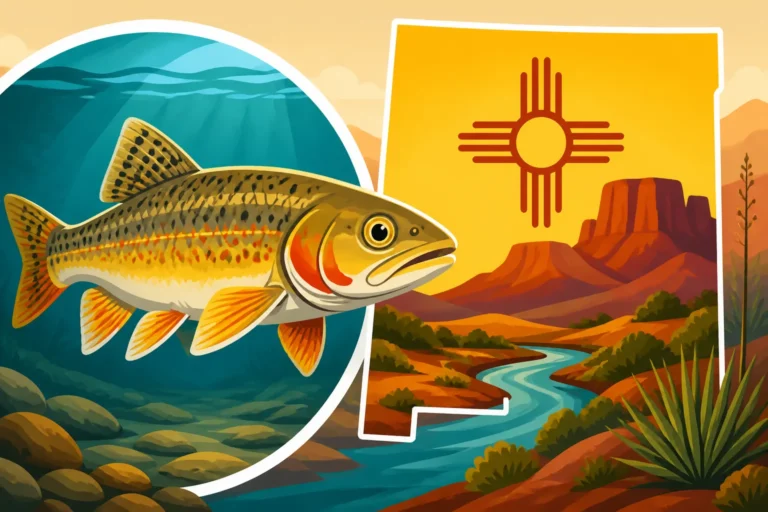
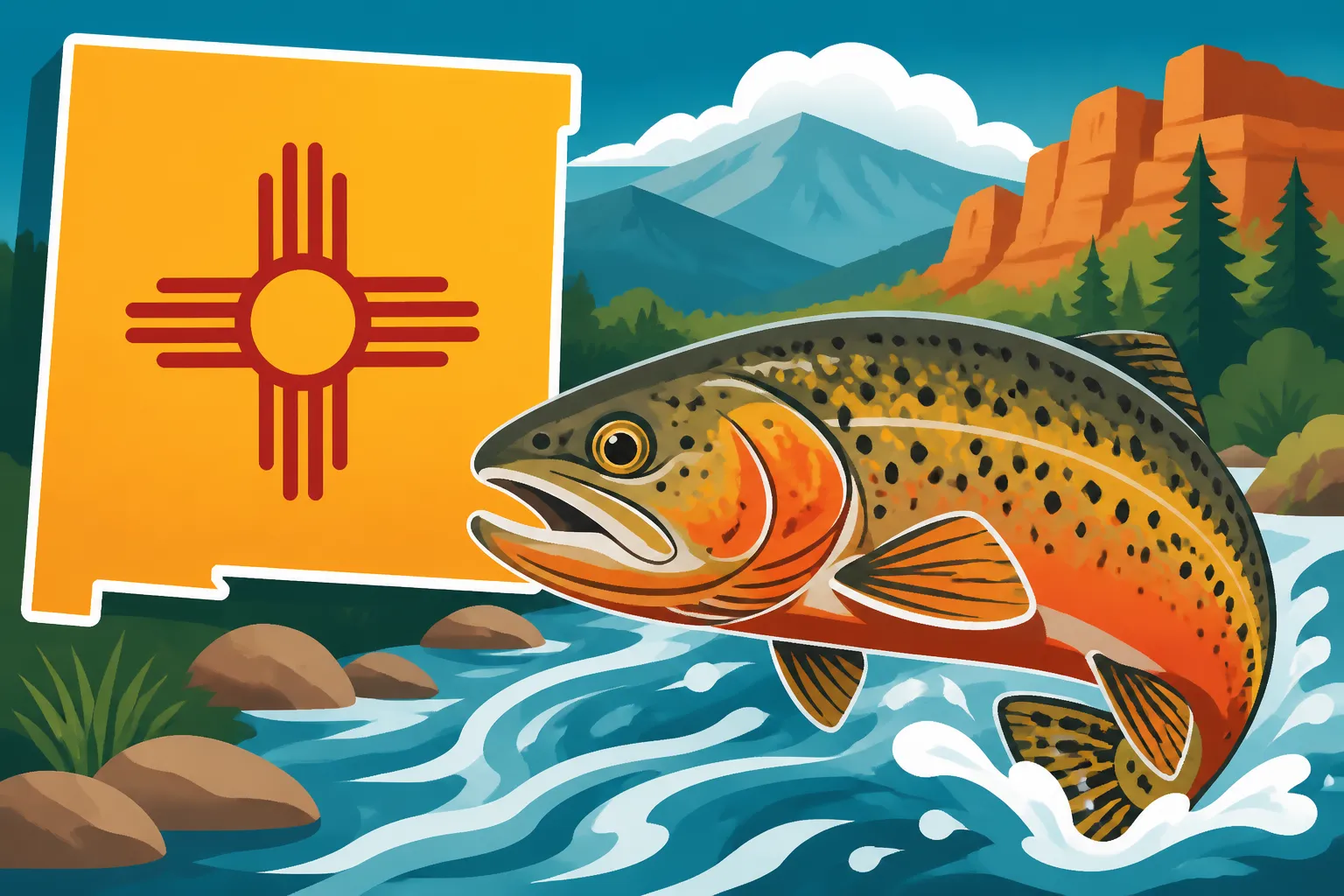
Historically, Gila Trout thrived in the headwater streams of the Gila River, Mimbres River, and other drainages across southwestern New Mexico and southeastern Arizona. These fish evolved in isolation, developing unique genetic traits and a stunning appearance, characterized by their olive-gold sides, heavy black spotting, and often a faint, rosy lateral stripe. They were perfectly adapted to the rugged, canyon-filled landscapes of their native range.
However, the late 19th and early 20th centuries brought significant challenges. Logging, grazing, mining, and road construction led to severe habitat degradation, silting up their pristine stream beds and increasing water temperatures. Perhaps even more devastating was the introduction of non-native trout species, particularly rainbow and brown trout, which outcompeted Gila Trout for food and habitat, and hybridized with them, diluting their pure genetic lineage. By the mid-20th century, pure Gila Trout were on the brink of extinction, surviving in only a handful of isolated, high-elevation streams.
The Conservation Journey
The journey to bring Gila Trout back from the brink has been a monumental undertaking, showcasing the power of collaborative conservation. Agencies like the New Mexico Department of Game and Fish (NMDGF), the U.S. Fish and Wildlife Service, and the U.S. Forest Service have worked tirelessly. Their efforts have focused on several critical fronts: first, identifying and securing the few remaining genetically pure populations; second, restoring degraded habitats by removing non-native fish, improving stream structure, and reducing erosion; and third, reintroducing Gila Trout into suitable, protected waters.
This painstaking work involved removing non-native fish using electroshocking or piscicides (followed by detoxification and restocking with native species), then carefully reintroducing Gila Trout from genetically pure donor populations. Barriers, both natural and man-made, were sometimes enhanced to prevent interbreeding with non-native species. The success of these initiatives has been truly remarkable, allowing the Gila Trout to be downlisted from endangered to threatened status. It’s a powerful example of what can be achieved when we commit to protecting our natural heritage, and understanding How the Gila Trout Was Removed From the Endangered List is inspiring.
Pinpointing Wild Gila Trout Strongholds
When we talk about the "number of streams" with wild Gila Trout in New Mexico, it's not a static figure like counting individual trees. Instead, it refers to a dynamic network of streams, primarily within specific drainages and protected areas, where these populations have been established or are recovering. These are precious ecosystems, carefully managed for the species' long-term survival.
Key River Systems and National Forests
The vast majority of New Mexico's wild Gila Trout populations are found within the Gila National Forest. This immense wilderness area, especially its designated wilderness sections like the Gila Wilderness and Aldo Leopold Wilderness, provides the remote, undisturbed habitat these sensitive fish require. Within this forest, the primary systems are the headwaters and tributaries of the Gila River drainage itself.
Imagine hiking deep into a canyon, where the stream is small, clear, and cascades over ancient rocks, shaded by towering ponderosa pines and Douglas firs. These are the kinds of places where Gila Trout thrive. While an exact, publicly available count of every single stream is generally not provided by wildlife agencies (partly for protection, partly because stream conditions can change), we know they exist within several key stream complexes. These often include upper reaches of tributaries to larger rivers, such as the East Fork Gila River, West Fork Gila River, and their numerous smaller feeder creeks. For anglers hoping to experience Gila River Fishing, this area holds incredible potential.
Designated Recovery Streams
A critical component of Gila Trout recovery involves designated recovery streams. These are specific water bodies where Gila Trout have been reintroduced or where existing wild populations are actively managed and protected. These streams are usually smaller, higher-elevation waters that are carefully monitored for genetic purity and population health. The NMDGF and federal partners meticulously select these streams, often after extensive habitat restoration and removal of competing species.
Access to some of these recovery streams can be challenging, requiring significant hiking, and in some cases, special permits or specific regulations. It's crucial for any angler to understand that these are not typical trout fishing destinations; they are living laboratories of conservation. Visiting these areas is a privilege, and anglers are typically encouraged to practice strict catch-and-release to ensure the sustainability of these fragile populations. It's essential to consult official NMDGF resources for current regulations and to understand Where You Can Legally Fish for Gila Trout.
| Region/Drainage | Primary Forest Area | Typical Stream Characteristics | Gila Trout Status | Angling Opportunity |
|---|---|---|---|---|
| Upper Gila River Drainage | Gila National Forest | High-elevation, clear, cold, often remote, canyon-bound creeks | Wild, self-sustaining | Limited, catch-and-release |
| Mimbres River Headwaters | Gila National Forest | Smaller, secluded feeder streams, often intermittent | Wild, recovery populations | Highly restricted, permits |
| Whitewater Creek Drainage | Gila National Forest | Steep-gradient, well-shaded, historic habitat | Wild, expanding populations | Very limited |
| Specific Restored Tributaries | Various, within Gila NF | Streams where non-natives were removed, habitat enhanced | Reintroduced, monitored | Varies by stream |
Understanding the Landscape of Wild Gila Trout Waters
The journey to restore Gila Trout populations is ongoing, meaning the precise number of streams changes as habitats improve, and as fish populations expand or face new challenges. It's less about a fixed numerical count and more about understanding the specific types of environments that are critical for their survival.
The Dynamic Nature of Populations and Habitats
An exact, static number of Gila Trout streams is truly a moving target. Stream health is constantly influenced by environmental factors such as drought cycles, wildfires, and even severe monsoon floods. A wildfire, for instance, can devastate a watershed, leading to ash and debris flows that smother stream beds, temporarily reducing or eliminating a local population. Conversely, successful reintroduction efforts can lead to the expansion of Gila Trout into previously unoccupied, suitable stretches of water.
This dynamic reality means that anglers should always expect to find these fish in high-elevation, pristine waters that are typically cold, clear, and relatively undisturbed. These are often the same remote, rugged streams that require a good topographical map (many of which you can find readily available on Amazon) and excellent backcountry navigation skills to even reach. The isolated nature of these habitats is both their protection and their vulnerability. Always remember that accessing these areas is a privilege that comes with the responsibility of minimizing your impact. Packing gear effectively, perhaps with a high-quality hiking backpack from Amazon, makes a big difference when heading into these remote spots.
The Role of Anglers in Gila Trout Conservation
If you are fortunate enough to find yourself fishing in Gila Trout waters, your role in their ongoing conservation is paramount. Often, these areas are managed under special regulations, which might include mandatory catch-and-release, specific gear restrictions (like single, barbless hooks), or even requiring a special permit in addition to your standard fishing license. Understanding and adhering to these rules is not just about legality; it's about protecting a fragile species. Checking the New Mexico Special Trout Water Rules is a good first step, as Gila Trout waters often fall under similar protective guidelines.
Using artificial lures or flies with barbless hooks is typically a requirement to minimize harm to the fish. Handling the fish minimally, keeping them in the water as much as possible, and ensuring a quick release are all crucial. Your choice of gear, down to the type of net (rubberized, knotless nets are ideal), can significantly impact a fish's survival. Before heading out, even just for general New Mexico trout fishing, consider picking up some good quality forceps or a hook remover from Amazon to ensure quick and safe de-hooking.
Planning Your Responsible Gila Trout Quest
Embarking on a quest for Gila Trout is not just a fishing trip; it's an immersive experience into one of New Mexico's most precious natural treasures. It requires meticulous planning, respect for the environment, and a deep understanding of ethical angling.
Essential Research and Preparation
The absolute first step before even contemplating a trip to potential Gila Trout waters is to conduct thorough research on current regulations. The New Mexico Department of Game and Fish website is your best friend here, as regulations can change. You'll need to know if the area is open to fishing, if there are specific seasons, and what the Gila Trout Bag Limit in New Mexico is – which, for many populations, is often zero or a strict catch-and-release rule. Always check the New Mexico Fishing Regulations Overview for the most up-to-date information.
In some very sensitive recovery areas, an additional permit specifically for Gila Trout fishing might be required. It’s not uncommon to need permission from the NMDGF or the managing federal agency before fishing certain streams. This helps them monitor angler pressure and ensure the fish aren't overstressed. Therefore, it's vital to research Do You Need a Permit to Fish for Gila Trout? well in advance. Consider packing lightweight, durable gear suitable for backcountry travel, from a compact fishing kit to proper hiking boots – many excellent options can be found on Amazon.
Ethical Angling Practices
When you finally reach a Gila Trout stream, the experience is about more than just catching fish; it's about connecting with a rare piece of the wild. If catch-and-release is mandated or strongly encouraged, adhere to it strictly. This means minimizing the time the fish is out of the water, handling it with wet hands, and supporting its full body weight. Barbless hooks are non-negotiable in these sensitive fisheries, as they allow for quick and easy removal with minimal damage to the fish's mouth. Knowing your Catch and Release Techniques for Native Trout will truly make a difference.
Beyond the immediate interaction with the fish, practicing Leave No Trace principles is critical. Pack out everything you pack in, stay on designated trails where possible, and avoid disturbing stream banks or fragile vegetation. Your actions directly contribute to the ongoing health of these delicate ecosystems and the continued recovery of Gila Trout in New Mexico. By being a responsible steward, you help ensure that future generations will also have the privilege of encountering these magnificent golden ghosts of the Gila.
Disclaimer
This article is for general informational purposes only and does not constitute professional advice. Laws, prices and regulations vary by location and change over time. Consult a qualified professional for guidance on your specific situation.