Kokanee Salmon Spawning Time at Navajo Lake
There's nothing quite like the vibrant spectacle of Kokanee salmon preparing for their annual spawn, especially when you're fortunate enough to witness it at a place as stunning as Navajo Lake. Many anglers wonder about the precise timing of this natural event, hoping to either catch a glimpse of the brilliant red fish or, if regulations permit, try their hand at fishing for them during this unique period. This guide will help you understand exactly when Kokanee salmon begin their spawning ritual at Navajo Lake, what to expect, and how to enjoy this incredible natural phenomenon responsibly.
Understanding the Kokanee Salmon Life Cycle at Navajo Lake
Kokanee salmon are a landlocked sockeye salmon, and their life cycle, while fascinating, is a finite one. Unlike many fish that can spawn multiple times, Kokanee are semelparous, meaning they reproduce only once in their lifetime before dying. This makes their spawning run a high-stakes, dramatic event, and a significant part of the ecosystem's rhythm at Navajo Lake.
The Journey to Spawning
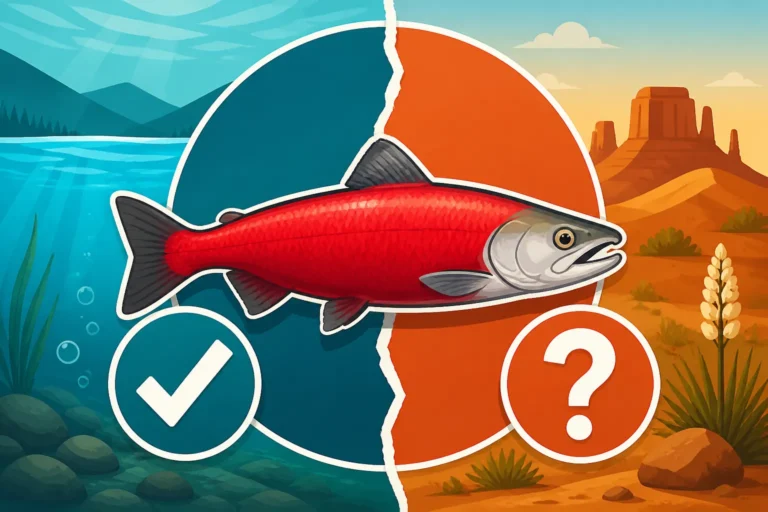
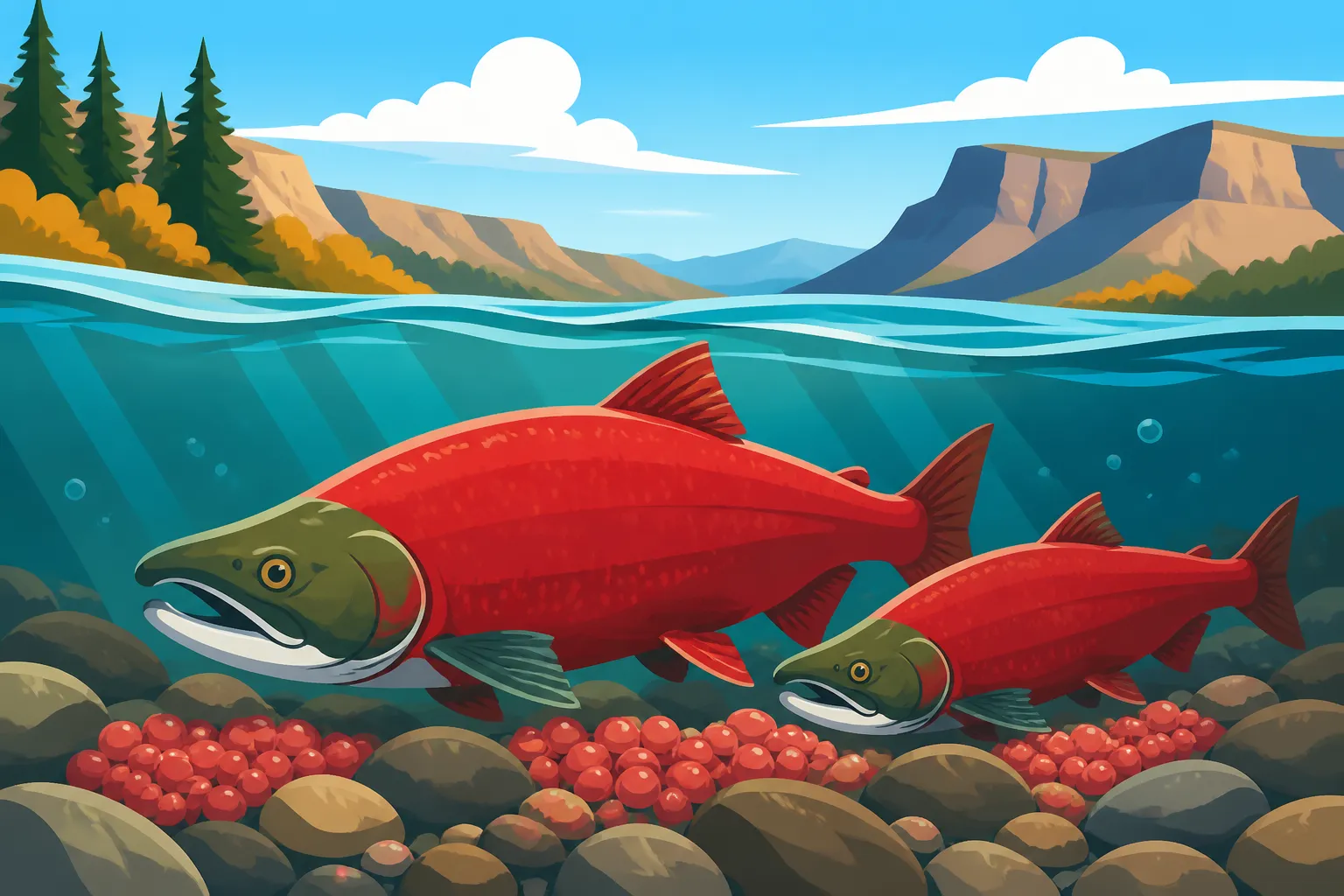
Leading up to the spawning period, Kokanee salmon undergo a remarkable transformation. Throughout the spring and summer, these fish spend their lives in the deeper, cooler waters of Navajo Lake, feeding primarily on zooplankton and growing. As late summer gives way to fall, a primal urge kicks in. Their bodies begin to change, both internally and externally. The silvery-blue hues they sported throughout the year start to deepen, slowly transitioning into vibrant reds and oranges, particularly for the males. This color change is a clear indicator that they are nearing the end of their life cycle and are preparing for their singular reproductive event.
In addition to the striking color transformation, male Kokanee develop a pronounced hump on their back and a hooked jaw, known as a kype. These physical alterations are crucial for displaying dominance and competing for females on the spawning beds. The fish also cease feeding during this period, relying entirely on the energy reserves they've built up over their lives. They begin to migrate from the open waters of the lake towards the shallower, gravelly inlets and river mouths, seeking out suitable areas to lay and fertilize eggs. This migration is a testament to their inherent drive to perpetuate their species.
The Spawning Window at Navajo Lake
At Navajo Lake, the Kokanee salmon spawning period generally commences in the late summer to early fall. While exact dates can fluctuate slightly year to year based on environmental factors, particularly water temperature, you can typically expect to see the beginnings of the spawn in late August and continuing strong through September, often extending into early October. The peak activity usually falls within the month of September.
What triggers this specific timing? It's largely dictated by dropping water temperatures and shorter daylight hours, signaling to the Kokanee that it's time. They instinctively seek out areas where the water is relatively shallow and clean, with a good gravel bottom, which provides the ideal conditions for constructing redds (nests) and ensuring the eggs have enough oxygen and protection. For Navajo Lake, the river inlets, particularly the Pine River arm and other feeder streams, become critical congregation points. Kokanee at Navajo Lake are a highlight of the fishery, and knowing their patterns is key.
During this window, you'll see large schools of these intensely colored fish congregating. They are incredibly focused on their reproductive mission, often appearing oblivious to the presence of observers or even anglers. This is when the action is most visible, both for those wishing to simply observe nature's spectacle and those looking to participate in the controlled snagging season, if open.
Why Spawning is Crucial and Why We Love It
The spawning event is the culmination of the Kokanee's entire life. It's not just about creating the next generation; it's a vital part of the lake's ecosystem. The dying salmon contribute essential nutrients back into the water and surrounding riparian zones, providing food for scavengers and enriching the aquatic environment for other species. This natural cycle supports everything from insects to birds to other fish, including the young Kokanee that will hatch months later.
For anglers and nature enthusiasts, the Kokanee spawn at Navajo Lake is a truly unique experience. The sight of thousands of crimson-colored fish battling currents and digging redds is something you won't soon forget. It also presents a unique, albeit often highly regulated, angling opportunity. Many people are drawn to the lake during this time not only for the chance to catch these fish, but simply to witness the raw power of nature. It's a reminder of the intricate balance within our natural world and why we, as outdoor enthusiasts, have a responsibility to respect and protect these precious resources. If you're planning a trip, make sure you understand the New Mexico Fishing Regulations Overview for Navajo Lake.
How to Witness and Fish During the Spawn
Experiencing the Kokanee spawn is an incredible adventure, but it comes with responsibilities. It’s important to understand how to respectfully observe and, if permitted, fish for these beautiful creatures during such a vulnerable period.
Identifying Spawning Kokanee
Spawning Kokanee are unmistakable. As mentioned earlier, their transformation is dramatic. They transition from their normal iridescent silver to a brilliant red or crimson body, with a dark green head. The males develop a pronounced humped back and a distinctively hooked jaw (kype). Females also turn red but are typically less intensely colored and lack the exaggerated hump and kype of the males. You'll often see them actively engaged in spawning behaviors: the females digging redds by turning on their sides and thrashing their tails, and the males aggressively defending their chosen mates and territory from rivals.
Observing these behaviors is a highlight of the spawn. Look for agitated groups of fish in relatively shallow water over gravel bottoms. They'll be moving purposefully, sometimes leaping, and constantly positioning themselves within the redds. Their bright colors stand out vividly against the clear water, making them easy to spot from the shoreline or from a boat in the right conditions. This visual cue tells you immediately that you're in the midst of the spawning event.
Ethical Angling Practices During Spawning
Fishing for Kokanee salmon during their spawn requires a heightened sense of ethics and adherence to specific regulations. Because the fish are focused solely on reproduction and are no longer feeding, traditional lure or bait fishing techniques are generally ineffective. Instead, many jurisdictions, including New Mexico, often allow "snagging" during designated seasons and in specific areas. Snagging involves using a weighted, barbless hook to intentionally "snag" the fish rather than enticing a bite. It's a controversial method but recognized as a way to utilize a portion of the salmon run when they are not biting.
However, it's absolutely crucial to check the current New Mexico Salmon Snagging Season Dates and local rules for Navajo Lake. Regulations can change annually regarding specific dates, gear restrictions (e.g., barbless hooks only), and designated snagging zones. If you are fishing, practice catch-and-release with extreme care if you accidentally hook a non-target fish or if the fish is not within legal take limits. Minimize handling, keep the fish in the water as much as possible, and use a soft, knotless net. The health of the future Kokanee population depends on responsible angling.
Recommended Gear and Techniques for Spawning Kokanee
For those participating in the designated snagging season, the gear is straightforward. You'll typically want a medium to heavy action spinning rod, capable of handling larger weights and strong fish. A durable spinning reel spooled with strong monofilament or braided line (15-30 lb test) is ideal. The most critical component is the hook: a large, weighted, single barbless treble hook is commonly used for snagging. These can often be found at local tackle shops or online retailers like Amazon. Some anglers prefer to add extra weight (like a heavy sinker) a foot or two above the hook to help it sink quickly and sweep through the fish schools.
When fishing for pre-spawn Kokanee before they completely shut down feeding, smaller spoons, spinners, and jigs in bright colors (like pink, orange, or chartreuse) can be effective. Trolling with downriggers to get lures to their preferred depth in the main lake is a common strategy before they move into the shallows. However, once they enter the spawning phase, they are less interested in feeding, making snagging the primary, albeit specific, method. Always ensure your gear complies with the current New Mexico Trout Fishing Rules or any specific salmon snagging regulations.
Here's a quick comparison of gear for pre-spawn vs. spawning Kokanee:
| Gear Type | Pre-Spawn (Feeding) | Spawning (Non-Feeding/Snagging) |
|---|---|---|
| Rod | Medium-light to medium action spinning/casting | Medium to heavy action spinning/casting |
| Reel | Spinning/Baitcasting with smooth drag | Durable Spinning with robust retrieve |
| Line | 6-10 lb mono/fluoro, 10-15 lb braid | 15-30 lb mono/braid for strength |
| Lures/Bait | Small spoons (e.g., Dick Nites), spinners, jigs, corn | Large, weighted, single barbless treble hooks |
| Depth Control | Downriggers, lead core line, weighted snap swivels | Heavy sinkers placed above snagging hook |
| Colors | Pink, orange, chartreuse, silver | N/A (focus on physical hook contact, not attraction) |
| Technique | Trolling, jigging, still fishing | Snagging (where permitted), sweeping motions |
Prime Locations and Conditions at Navajo Lake
Navajo Lake is a large and diverse body of water, but during the Kokanee spawn, these fish tend to concentrate in specific areas where conditions are most favorable for successful reproduction. Knowing these spots and understanding the environmental factors at play can greatly increase your chances of witnessing this natural marvel.
Key Spawning Areas
The primary spawning grounds for Kokanee salmon at Navajo Lake are typically found in the upper reaches of the lake's arms and feeder streams. The most prominent and well-known area is the Pine River Arm, particularly near its confluence with the main body of the lake and upstream into the Pine River itself, where suitable gravel beds are abundant. Other smaller tributaries and coves that offer clean, flowing water and rocky or gravelly bottoms can also attract spawning fish.
You’ll want to look for areas with current, as the moving water helps oxygenate the eggs in the redds. Shallow flats with baseball-sized gravel are ideal. Access points like the Pine River boat ramp or designated shoreline access areas in the upper arms are good places to start your search. However, remember that certain areas might be designated as spawning closures or "no fishing" zones to protect the fish during this critical time. Always consult the latest New Mexico Department of Game and Fish regulations booklet before heading out to ensure you are in a legal and open area. Navajo Lake Fishing Guide provides more detail on the lake's general layout.
Environmental Factors Affecting the Spawn
While the general timing of the Kokanee spawn at Navajo Lake is late summer to early fall, the exact peak and intensity can be significantly influenced by environmental factors. The most critical of these are water temperature and water flow.
- Water Temperature: Kokanee are cold-water fish, and they typically prefer to spawn when water temperatures drop into the low to mid-50s Fahrenheit. A prolonged period of warm weather into September can delay the peak of the spawn, while an early cold snap might accelerate it. Anglers often keep a close eye on reservoir temperature reports, which can often be found through local marinas or online fishing forums.
- Water Flow: Adequate water flow in the feeder streams is essential for Kokanee. Higher flows can help transport nutrients and oxygen to the spawning beds and keep them clean of silt, but excessively high or erratic flows (e.g., from heavy rains or dam releases) can disrupt spawning or wash out redds. Conversely, very low water levels can limit access to prime spawning habitat. The balance is delicate, and consistent, moderate flows are generally best for a robust spawn. Drought conditions, unfortunately, can sometimes impact this process significantly.
Checking Conditions Before You Go
Before you pack your gear and head to Navajo Lake, it's a wise move to gather current information. Conditions can change rapidly, and what was true last year might not hold true this season.
- New Mexico Department of Game and Fish (NMDGF) Resources: The NMDGF website is your official source for current regulations, stocking reports, and sometimes even specific advisories on spawning activity. They often release seasonal fishing reports that can give you a heads-up on what to expect.
- Local Bait and Tackle Shops: These are invaluable resources. Shop owners and employees are often on the water daily or in constant communication with anglers. They can provide real-time updates on where fish are congregating, what methods are working (if fishing is allowed), and any recent changes in conditions or regulations.
- Online Forums and Social Media Groups: Many dedicated New Mexico fishing communities exist online. These platforms can offer unofficial but often very timely reports from fellow anglers who have just been on the lake. Just remember to cross-reference any information with official sources.
- Local Marinas and Boat Rental Operators: Marinas at Navajo Lake, like those at Navajo Lake State Park, often have staff who are aware of local conditions, water levels, and fish activity. A quick phone call can save you a wasted trip. For example, if you're thinking about Navajo Lake Kokanee Salmon Fishing, they'd be the first to know about the current situation.
Taking a few minutes to check these resources can ensure you have the most successful and compliant experience possible, whether you're observing or fishing.
Beyond the Spawn: What Happens Next?
The vibrant spectacle of the Kokanee salmon spawn is a powerful, yet fleeting, event. What happens once the last eggs are laid, and what impact does this intensive period have on the lake and its ecosystem?
The Post-Spawn Period
Once the Kokanee salmon have successfully spawned, their life cycle comes to an end. The fish, having expended all their energy reserves in their journey, transformation, and reproductive efforts, quickly become senescent. Their bodies, already weakened, begin to deteriorate, and they die shortly after spawning. These post-spawn "carcasses" are a natural and integral part of the cycle.
While the sight of dying fish might seem sad, it's essential for the lake's ecosystem. Their decaying bodies release a significant amount of marine-derived nutrients back into the lake and its surrounding environment. These nutrients, which the Kokanee accumulated over their feeding lives, become available to a myriad of other organisms. Scavengers, from insects to birds of prey like eagles and ospreys, readily consume the dying and deceased salmon, providing a crucial food source in the colder months. This nutrient transfer supports the entire food web, demonstrating how intimately connected all life within and around the lake truly is.
Impact on the Lake's Ecosystem
The Kokanee salmon spawn has far-reaching effects on the overall health and productivity of Navajo Lake's ecosystem. As mentioned, the nutrient cycling from the dying salmon is a huge benefit. This input of organic matter and essential chemicals helps fertilize the water, supporting the growth of phytoplankton and zooplankton—the very food source for the next generation of Kokanee and other small fish. It acts as a natural booster for the lake's productivity.
Furthermore, the spawning activities themselves, particularly the redd digging by the females, help to aerate and clean the gravel beds in the feeder streams. This physical disturbance can create better habitat not just for Kokanee eggs, but also for the eggs of other native fish species that might utilize similar areas. The sheer numbers of fish congregating also provide a temporary abundance of food for larger predators in the lake, influencing their feeding patterns and distribution during the fall. Understanding these intricate relationships helps us appreciate why responsible management of species like Kokanee Salmon Fishing in New Mexico is so vital. It's not just about one fish, but about the health of the entire aquatic community.
Disclaimer
This article is for general informational purposes only and does not constitute professional advice. Laws, prices and regulations vary by location and change over time. Consult a qualified professional for guidance on your specific situation.