How New Mexico Tracks At-Risk Fish Populations
It's heartbreaking to hear stories about once-thriving fishing spots in New Mexico that just aren't producing like they used to, leaving many anglers wondering what's happening beneath the surface. You invest your time, money, and passion into a day on the water, only to be met with dwindling numbers or smaller catches, and it's easy to feel a sense of loss and concern for our precious aquatic ecosystems. This guide is here to shed some light on that very worry, by explaining exactly how the New Mexico Department of Game and Fish works tirelessly behind the scenes to track and protect our state's at-risk fish populations.
The Invisible Crisis: Why Tracking At-Risk Fish Matters in New Mexico
When you’re out on a lake like Elephant Butte or wading a river like the San Juan, it’s easy to focus on the immediate thrill of the bite or the peaceful calm of the surroundings. But beneath that surface, a complex ecosystem is always at play, and sometimes, things aren't as robust as they appear. New Mexico's fisheries are a vital part of our natural heritage, supporting not just our recreational pursuits but also contributing to the overall ecological health of our arid landscape. Losing a fish species, or even just seeing its numbers drastically decline, has a ripple effect that touches everything from the smallest insects to the largest predators, and ultimately, even our own communities.
More Than Just Catch Limits: Understanding the Bigger Picture
For many of us, fishing regulations primarily mean "how many can I keep?" or "what size fish are legal?". And while those limits, like those found in the New Mexico Fishing Regulations Overview, are absolutely critical for managing fish populations on a day-to-day basis, they are just one piece of a much larger puzzle. The work of tracking at-risk fish goes far beyond setting bag limits; it's about safeguarding the very existence of certain species, preserving genetic diversity, and ensuring the long-term health of entire aquatic habitats. It's about proactive conservation rather than reactive crisis management.
Think about the unique species we have here, like the Rio Grande Cutthroat Trout in New Mexico, or the incredible success story of the Gila Trout in New Mexico. These fish are not just game animals; they are living indicators of our water quality and the resilience of our rivers and streams. Their presence, or absence, tells us a story about the health of the environment around them. When their populations start to dip, it’s a giant red flag, signaling that something larger in the ecosystem might be out of balance, and that's when the dedicated efforts to track and understand these populations become truly invaluable. This isn't just about ensuring we have fish to catch next year; it's about preserving a fundamental part of New Mexico's natural identity for generations to come.
The Silent Threats: What Puts New Mexico Fish at Risk?
Our fish populations in New Mexico face a unique set of challenges, often amplified by our arid climate and limited water resources. It’s not just one big thing; it’s usually a combination of factors that slowly erode their numbers. For instance, prolonged droughts, which we're all too familiar with, can reduce water levels in rivers and lakes to critical lows, concentrating fish and making them more vulnerable to predators or disease. It can also disconnect vital spawning grounds or reduce the available habitat dramatically.
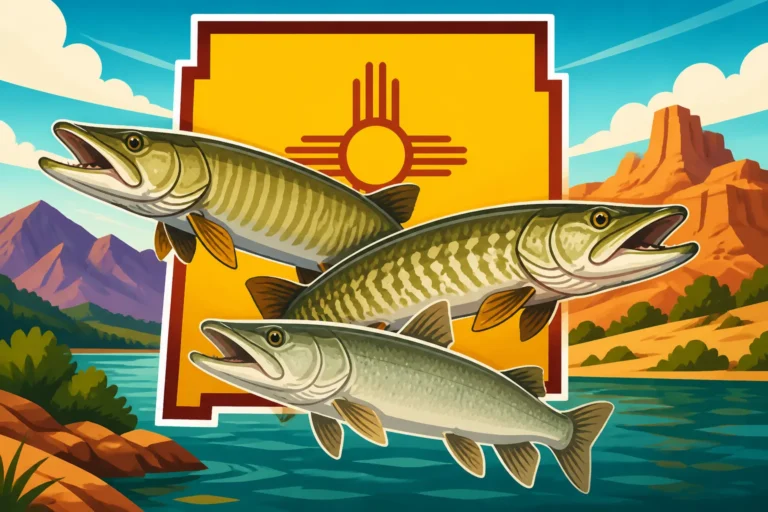
Beyond natural climate cycles, human impacts also play a significant role. Habitat degradation, often from development, agricultural practices, or even poorly managed land use, can alter stream beds, remove crucial riparian vegetation, and increase sedimentation. Then there's pollution, whether it’s runoff from urban areas carrying chemicals and trash, or agricultural runoff bringing in excessive nutrients that can lead to harmful algal blooms. And, of course, let’s not forget the ever-present threat of Invasive Fish Species in New Mexico. Non-native fish can outcompete native species for food and habitat, introduce diseases, or even prey directly on vulnerable populations, throwing entire ecosystems into disarray. It's a constant battle on many fronts, and understanding these threats is the first step in effective conservation.
The Science Behind the Surveys: How New Mexico Game and Fish Monitors Populations
You might wonder how biologists actually know what's going on beneath the murky surface of a lake or the swift current of a river. They're not just guessing! The New Mexico Department of Game and Fish employs a variety of scientific techniques and rigorous data collection methods to get an accurate picture of fish populations. This isn't a one-and-done project; it's an ongoing effort, year after year, sometimes even month after month, to monitor trends, identify changes, and understand the health of our fisheries.
Electrofishing and Gillnetting: Tools of the Trade
Two of the most common and effective direct sampling methods for fish population assessment are electrofishing and gillnetting. While they might sound a bit intense, these techniques are carefully managed to minimize stress and harm to the fish, with the primary goal of gathering data and then safely releasing the fish back into their habitat.
-
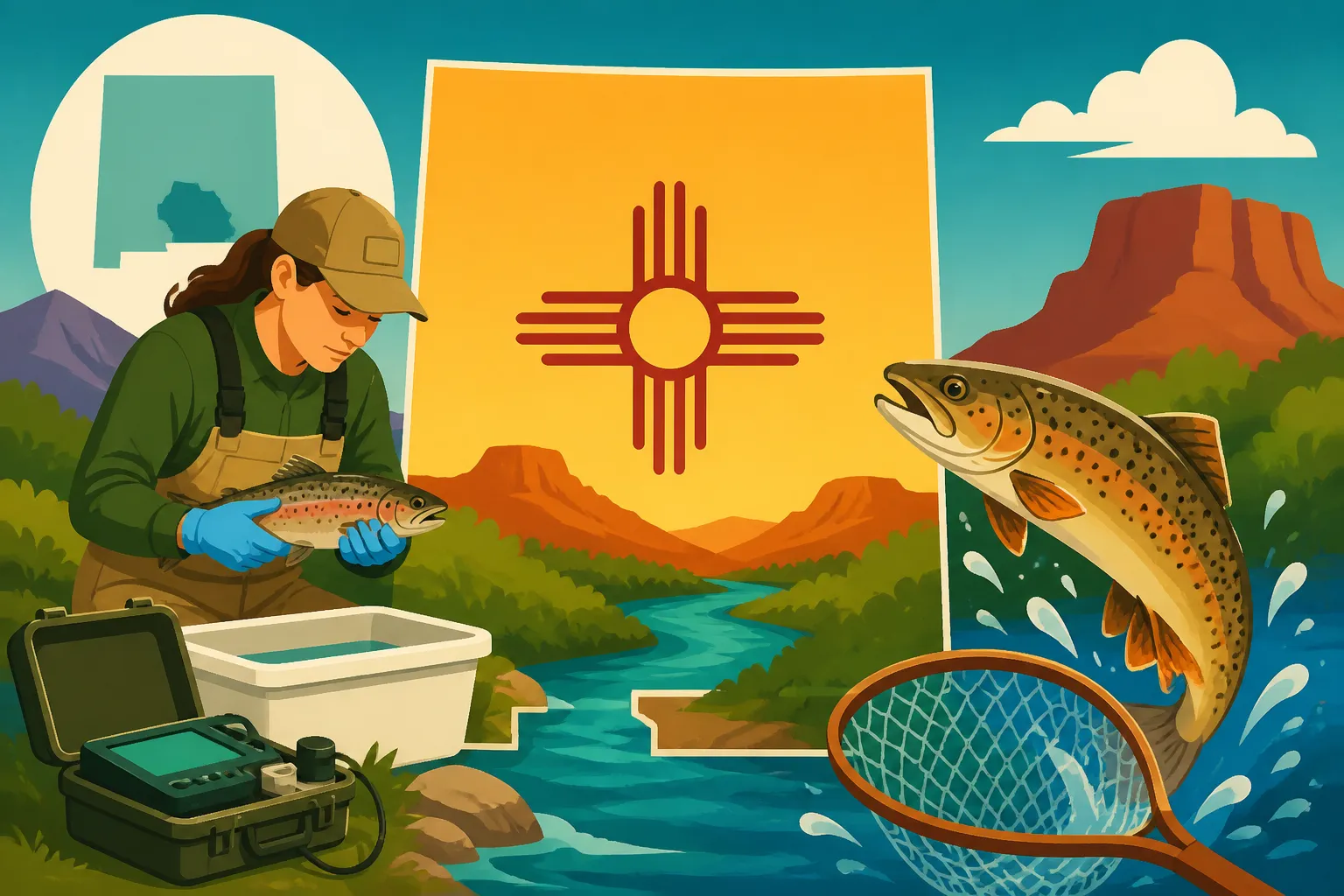
Electrofishing: Imagine a small boat with a generator and long electrodes trailing in the water. This equipment creates an electrical field that temporarily stuns fish, causing them to float to the surface. Biologists can then quickly net them, identify the species, measure their length and weight, check for any health issues, and even take fin clips for genetic analysis before they recover and swim away unharmed. This method is incredibly effective for sampling fish in various habitats, from shallow streams to deeper lake edges, giving a snapshot of the species present and their relative abundance. It’s particularly useful for assessing stream-dwelling trout populations, helping determine if conservation efforts, perhaps related to New Mexico Trout Fishing Rules, are having the desired effect.
-
Gillnetting: For larger bodies of water, like our vast reservoirs such as Navajo Lake or Conchas Lake, gillnets are often employed. These are fine-mesh nets set strategically in the water, usually overnight, that entangle fish by their gills as they try to swim through. The nets are checked frequently, and fish are carefully removed, identified, measured, and released. While not all fish survive gillnetting, the data gathered is invaluable for assessing deepwater species, determining population structures, and understanding the age classes present in a given body of water. Each method has its strengths and weaknesses, making a combination of techniques essential for a comprehensive view.
From Water Samples to Angler Reports: A Multi-faceted Approach
Beyond direct sampling, fish biologists use a wide array of other methods to paint a complete picture of fish health and populations. It’s truly a holistic approach, looking at everything that might impact the aquatic environment.
- Water Quality Testing: Regular collection and analysis of water samples are fundamental. Biologists test for things like dissolved oxygen levels, pH, temperature, turbidity (water clarity), and the presence of various pollutants. Unfavorable water conditions can severely stress fish, impact their reproduction, and even directly cause fish kills. Knowing these parameters helps identify potential problems before they become catastrophic.
- Creel Surveys: This is where you, the angler, come in! Creel surveys involve biologists or technicians interviewing anglers at boat ramps or fishing access points. They ask about how long you fished, what you caught, what you kept, and where you were fishing. This information provides real-world data on angler effort, catch rates, and species composition, giving valuable insights into the recreational fishery and confirming trends observed through direct sampling. It’s a great way to understand the immediate impact of regulations and the perceived health of a fishery.
- Genetic Analysis: With advancements in technology, genetic analysis has become a powerful tool. Small fin clips, taken harmlessly from captured fish, can reveal a wealth of information about population genetics, identifying distinct strains of native fish, tracking migration patterns, and detecting hybridization with non-native species. This is particularly crucial for identifying and protecting unique genetic lineages, like those of our native cutthroat trout.
- Habitat Assessments: It's not just about the fish; it's about their home. Biologists regularly assess the quality and availability of fish habitat, looking at factors like stream bank stability, riparian vegetation cover, substrate composition (rock, gravel, sand), and the presence of instream cover like logs and boulders. A healthy habitat is the foundation for a healthy fish population.
- Citizen Science and Public Reporting: Sometimes, the best eyes and ears are those of the people who are out on the water every day. Anglers and other outdoor enthusiasts often spot unusual events – a large number of dead fish, a strange-looking species, or unexpected water discoloration. Reporting these observations to the Department of Game and Fish can provide early warnings and crucial information that might otherwise be missed. This collaboration is a testament to the community's dedication to our natural resources.
| Monitoring Technique | Primary Purpose | Advantages | Limitations/Considerations |
|---|---|---|---|
| Electrofishing | Species presence, abundance, size distribution | Efficient for various habitats, minimal fish harm (if done correctly) | Less effective in very deep/turbid water, requires specialized equipment/trained staff |
| Gillnetting | Deepwater species, population structure, age classes | Effective in large lakes/reservoirs, can sample a wide range of fish sizes | Can be lethal to some fish, less precise for exact numbers, "net-shy" fish avoid |
| Creel Surveys | Angler effort, catch rates, species kept | Provides direct insight into recreational fishery, community engagement | Relies on angler honesty, only reflects caught/kept fish, not entire population |
| Water Quality Testing | Environmental health, pollution detection | Identifies habitat stressors, informs management decisions | Only measures current conditions, doesn't directly count fish |
| Genetic Analysis | Species identification, population connectivity | Informs conservation of native strains, detects hybridization | Requires specialized lab equipment, sampling can be time-consuming |
| Habitat Assessments | Evaluate quality of fish environment | Identifies physical limitations to fish populations, guides restoration | Doesn't directly count fish, labor-intensive |
Data in Action: Using Information to Protect and Recover Fish
All this meticulous data collection isn't just for curiosity's sake; it's the bedrock of effective conservation. The New Mexico Department of Game and Fish takes all this information, from the smallest fin clip to the broadest creel survey results, and uses it to make informed, strategic decisions. Without this vital intelligence, managing our fisheries would be like navigating blindfolded.
Identifying Hotspots and Cold Cases: Pinpointing Where Help is Needed
One of the most immediate benefits of comprehensive fish population tracking is the ability to identify specific areas that are thriving and, more importantly, those that are struggling. By regularly monitoring various water bodies across the state, biologists can see trends. They might notice that a particular stretch of river, which once held abundant trout, now shows significantly reduced numbers or a shift in species composition. This could signal a "cold case" – a fishery in decline that needs urgent attention. Conversely, data might highlight a "hotspot" – an area where a native species is recovering well, indicating successful past management efforts that could be replicated elsewhere.
For instance, long-term monitoring might show that a certain stream is consistently below its expected carrying capacity for native trout, even after a good water year. This kind of data prompts further investigation: Is there a localized pollution issue? Has an invasive species taken hold? Is there a barrier preventing fish migration? Pinpointing these issues geographically allows for targeted interventions, whether it's working with landowners on riparian restoration or implementing specific New Mexico Special Trout Water Rules to protect vulnerable populations. Without the hard numbers and observations, these problems could go unnoticed until they reach a critical, irreversible point.
Crafting Conservation Strategies: From Habitat Restoration to Stocking Programs
Once biologists understand what is happening and where, the next step is to figure out how to fix it. The data collected directly informs the development of specific conservation and management strategies. It's not guesswork; it's science-backed action.
For populations struggling due to habitat loss, the data might lead to large-scale habitat restoration projects. This could involve stabilizing eroding stream banks by planting native vegetation, creating instream structures like log jams to provide cover and diverse flow patterns, or removing old, defunct dams that block fish passage. For example, if surveys reveal poor spawning success for a particular species in a river, efforts might focus on improving the quality of gravel beds essential for reproduction.
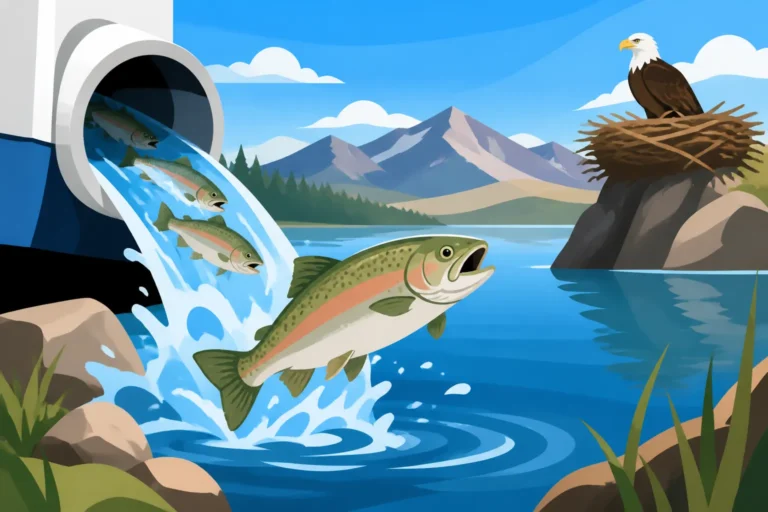
In other cases, especially for popular recreational fisheries or to boost populations that have experienced a downturn, stocking programs become important. Knowing the exact species that are declining, their age structure, and the capacity of the water body helps determine the appropriate species, size, and number of fish to stock. This is particularly true for Rainbow Trout Fishing in New Mexico in many of our urban ponds and reservoirs. However, stocking isn't a silver bullet; it's often used in conjunction with habitat improvements and careful consideration of how stocked fish might interact with existing native populations. The ultimate goal is always to encourage self-sustaining wild populations whenever possible. This strategic approach, informed by diligent tracking, is what keeps our fisheries viable and vibrant.
The Role of Anglers and the Community in Fish Conservation
While the New Mexico Department of Game and Fish does the heavy lifting with scientific surveys and management plans, they are not alone in this endeavor. Every angler and every community member who values our state's natural beauty plays a crucial role. Your actions, your observations, and your support directly contribute to the health and future of New Mexico's fish populations.
Be a Responsible Angler: Your Part in the Effort
As anglers, we are often the first line of defense and the most frequent observers of our aquatic environments. Being a responsible angler means more than just having a New Mexico Fishing License Guide; it means actively participating in conservation, even if you don't realize it.
- Follow Regulations: This might seem obvious, but understanding and adhering to all New Mexico Fishing Season Dates and Limits and specific water rules (like those for New Mexico Special Trout Water Rules) is paramount. These rules are in place because the data shows they are necessary to protect fish populations. Taking more than your limit or fishing in closed areas directly undermines conservation efforts.
- Practice Catch and Release: For many species, especially vulnerable native trout or large trophy fish, practicing careful catch and release is vital for population recovery and sustainability. Knowing Catch and Release Best Practices in New Mexico – like minimizing handling, using barbless hooks, and keeping fish in the water as much as possible – significantly increases their survival rate after release.
- Report Observations: If you see something unusual – a fish kill, an invasive species, or someone violating fishing laws – report it to the New Mexico Department of Game and Fish. Your eyes on the water are invaluable, providing real-time data that biologists can act upon.
- Clean, Drain, Dry: For boaters and waders, preventing the spread of aquatic invasive species is a huge responsibility. Always clean your gear, drain all water, and thoroughly dry everything between fishing trips to different water bodies.
Supporting Conservation Through Licenses and Awareness
Beyond your actions on the water, your financial support and general awareness are equally critical. You might not realize it, but when you purchase your annual New Mexico Annual Fishing License, you're directly contributing to the funding for these tracking programs and conservation efforts.
A significant portion of the revenue generated from the sale of fishing licenses and related stamps, such as the New Mexico Habitat Management and Access Validation Stamp, goes directly towards funding the salaries of biologists, purchasing equipment for surveys, supporting habitat restoration projects, and funding fish hatcheries. Understanding Where New Mexico Fishing License Fees Go can give you a greater appreciation for the vital role your purchase plays. It’s not just a permit; it’s an investment in the future of fishing. Furthermore, simply being aware of the challenges our fish face, sharing this knowledge with others, and advocating for conservation helps foster a broader community that values and protects these precious resources. Together, through responsible angling, informed support, and active engagement, we can ensure that New Mexico's waters remain vibrant and full of fish for generations to come.
Disclaimer
This article is for general informational purposes only and does not constitute professional advice. Laws, prices and regulations vary by location and change over time. Consult a qualified professional for guidance on your specific situation.