How the Gila Trout Was Removed From the Endangered List
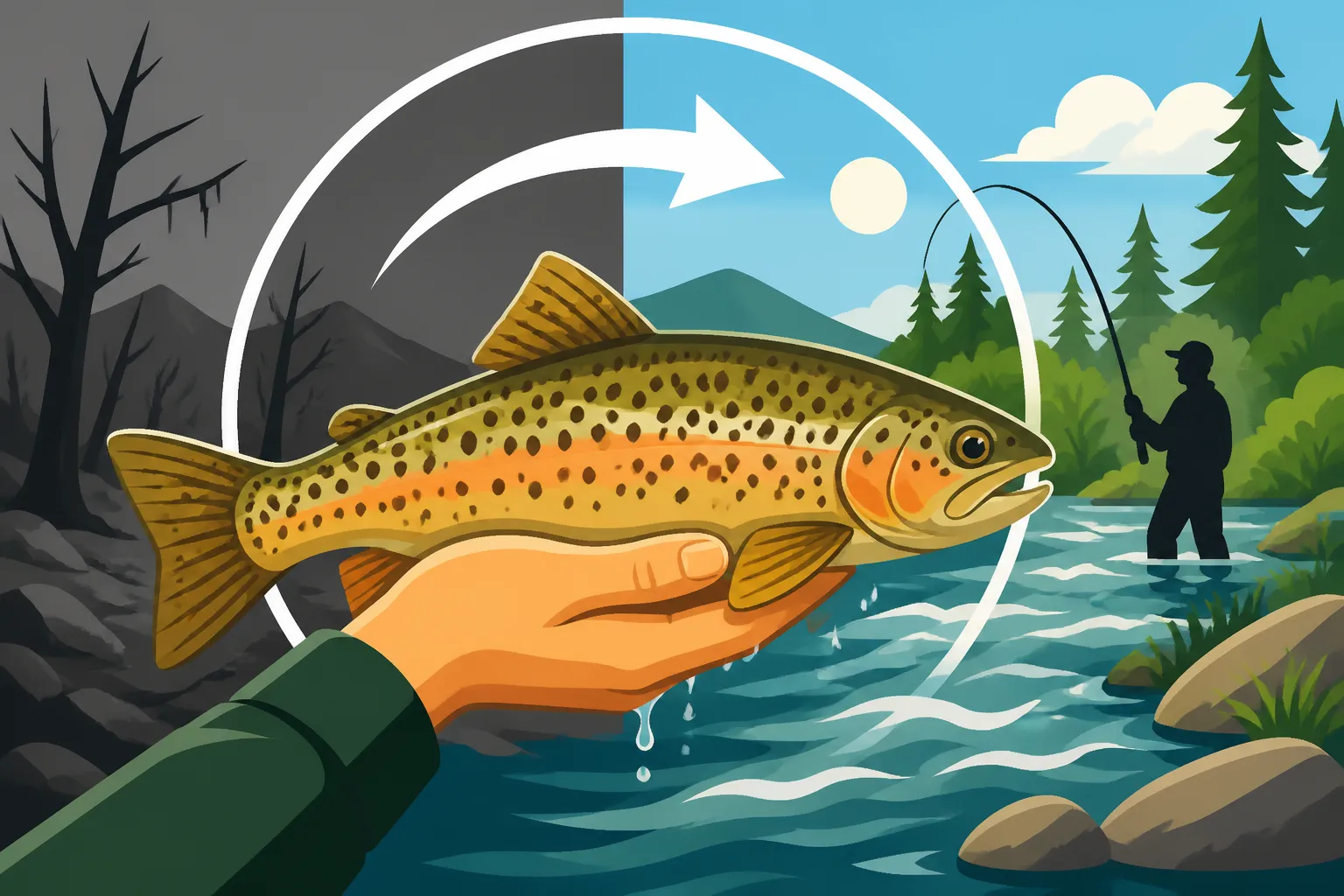
The majestic Gila trout, a true treasure of New Mexico's southwestern waters, once faced a bleak future, its very existence threatened by human impact and environmental changes. Many anglers and nature enthusiasts worried this beautiful native fish would vanish forever, a heartbreaking thought for anyone who cherishes our state's unique aquatic heritage. This guide will take you through the incredible journey of how the Gila trout, against significant odds, was brought back from the brink and had its status changed from "Endangered" to "Threatened," a testament to dedicated conservation efforts.
The Gila Trout's Perilous Past: Why It Needed Protection
For generations, the Gila trout (Oncorhynchus gilae) thrived in the clear, cold streams of the Gila River Basin, its iridescent scales and distinctive markings a vibrant part of the high-country ecosystem. However, by the mid-20th century, a confluence of factors led to a drastic decline in their numbers, pushing them to the edge of extinction. Understanding these historical challenges is crucial to appreciating the monumental effort required for their recovery.
Habitat Loss and Degradation
One of the primary culprits behind the Gila trout's decline was the widespread degradation and loss of its critical stream habitat. Imagine pristine mountain streams, shaded by ancient trees, suddenly becoming muddy, warmer, and less hospitable. This was the reality for many Gila trout populations. Intensive logging operations in the early 20th century often removed riparian vegetation, leading to increased water temperatures, bank erosion, and sedimentation that smothered spawning beds. Overgrazing by livestock in riparian areas also contributed significantly, compacting soil, destroying vegetation, and widening stream channels, further reducing the deep, cold pools trout need to survive. Wildfires, followed by heavy monsoon rains, exacerbated these issues, sending immense amounts of ash and debris into the already fragile waterways.
Beyond direct physical alteration, the construction of dams and diversions for agriculture and human consumption fragmented their natural range. What were once connected populations, able to move freely, became isolated pockets, vulnerable to any single catastrophic event like a flash flood or a prolonged drought. This isolation also made them more susceptible to genetic bottlenecks, reducing their overall resilience.
Competition and Hybridization with Non-Native Species
Another devastating blow came with the introduction of non-native trout species, particularly rainbow trout and brown trout, into Gila trout waters. These introduced species were often stocked to provide more fishing opportunities, without a full understanding of the ecological consequences. Rainbow trout, in particular, readily hybridize with Gila trout, leading to a loss of genetic purity. A pure Gila trout is a rare and precious thing, and hybridization essentially dilutes their unique genetic makeup, potentially eliminating the species over time.
Beyond hybridization, non-native trout also competed directly with Gila trout for limited food resources and prime holding water. Being larger or more aggressive, the introduced species often outcompeted the native Gila trout, especially in streams that were already stressed by habitat degradation. This competition placed immense pressure on the already dwindling Gila trout populations, making it harder for them to recover naturally.
A Coordinated Effort: The Road to Recovery Begins
Recognizing the dire situation, the Gila trout was officially listed as an "Endangered" species under the Endangered Species Act in 1973. This critical designation spurred a multi-faceted and long-term recovery effort, bringing together federal and state agencies, private organizations, and local communities. It was a clear call to action that demanded immediate and sustained intervention.
Habitat Restoration and Protection
The cornerstone of the recovery plan was extensive habitat restoration. Biologists, conservationists, and volunteers embarked on ambitious projects to undo decades of damage. This included fencing off riparian areas to prevent overgrazing, allowing native vegetation to regrow and stabilize stream banks. In many areas, structures like log weirs and rock dams were installed to create deeper pools, increase water velocity variation, and improve fish habitat. These efforts aimed to restore the natural hydrological processes and ecological health of the streams. Best Places to Fish in New Mexico often highlight the importance of healthy stream ecosystems, and this was certainly the case for the Gila trout.
Beyond physical restoration, proactive measures were taken to protect existing high-quality habitat. This involved securing water rights, implementing responsible land management practices on federal lands like national forests, and educating private landowners about the importance of riparian health. The goal was not just to fix damaged areas but to ensure that healthy Gila trout streams remained pristine.
Genetic Purity and Population Augmentation
A significant challenge was ensuring the genetic integrity of Gila trout populations. To address hybridization, biologists undertook arduous efforts to remove non-native trout from Gila trout streams. This often involved electrofishing to stun and remove non-native fish, a meticulous process that required incredible precision and care to avoid harming the native trout. Once a stream was cleared, physical barriers, such as waterfalls or man-made structures, were often built or enhanced downstream to prevent non-native trout from re-entering the restored habitat and re-initiating hybridization.
Simultaneously, "source populations" of genetically pure Gila trout were identified and maintained, often in isolated, high-elevation streams. Fish from these pure populations were then used to establish new populations in restored, non-native-free waters. Hatchery programs also played a vital role, carefully breeding genetically pure Gila trout in controlled environments to augment wild populations. These fish, once mature, were stocked into suitable streams to boost numbers and establish new colonies. Anglers interested in supporting these efforts might even find specialized gear for native trout fishing available on platforms like Amazon, designed for minimal impact on delicate ecosystems.
From Endangered to Threatened: A Story of Success
After decades of tireless work, the efforts began to pay off. The population numbers grew, and the geographical range of pure Gila trout expanded. By 2012, the U.S. Fish and Wildlife Service determined that the Gila trout's status could be downlisted from "Endangered" to "Threatened." This was a landmark achievement, signifying a remarkable turnaround for a species once thought doomed.
What the Downlisting Means
The shift from "Endangered" to "Threatened" is not a removal from protection entirely, but rather a recognition of significant recovery. An "Endangered" species is one considered to be in danger of extinction throughout all or a significant portion of its range. A "Threatened" species, on the other hand, is one that is likely to become endangered in the foreseeable future. This change indicates that while the Gila trout is no longer facing immediate, catastrophic risk, it still requires active management and protection to ensure its long-term survival.
For anglers, this change has also meant a cautious expansion of limited fishing opportunities in certain areas. Previously, Gila trout were largely off-limits to fishing, with a strong emphasis on catch-and-release practices where permitted. With the downlisting, certain streams now allow for regulated fishing, often with strict rules regarding gear, bait, and bag limits, all designed to ensure the continued health of the population. Understanding New Mexico Trout Fishing Rules is paramount for any angler hoping to experience this unique species.
Key Milestones in the Gila Trout's Recovery
The journey to downlisting involved numerous coordinated actions and achievements over many years. It was a gradual process, not a sudden event.
Here's a simplified look at the progression of conservation efforts:
| Period | Key Actions Taken | Impact on Gila Trout Status |
|---|---|---|
| Pre-1970s | Decline due to habitat loss, non-native introductions. | Populations severely fragmented and dwindling. |
| 1973 | Listed as Endangered under the Endangered Species Act. | Triggered federal protection and recovery mandates. |
| 1970s-1990s | Intensive habitat surveys, non-native trout removal, barrier construction, establishment of genetically pure broodstock. | Slow stabilization of core populations, identification of pure genetic lines. |
| 1990s-2000s | Continued habitat restoration, translocation of pure Gila trout to re-established streams, reintroduction efforts. | Increased numbers of healthy, pure populations, expansion of occupied habitat. |
| 2006 | Revision of recovery plan, setting clear criteria for downlisting. | Focused efforts towards achieving specific recovery targets across its range. |
| 2012 | Reclassified as Threatened. | Acknowledgment of significant recovery, but continued need for management and monitoring. |
| Post-2012 | Ongoing monitoring, adaptive management, public education, regulated fishing opportunities in specific areas. | Sustained population health, cautious expansion of recreational opportunities. |
This table illustrates the dedicated, long-term commitment needed to reverse the fortunes of a species on the brink. Each step was vital, building upon the successes and lessons learned from previous efforts.
The Future of Gila Trout Conservation
While the downlisting to "Threatened" is a cause for celebration, the work of conservation is far from over. The Gila trout remains a species that requires vigilance and ongoing efforts to ensure its long-term survival and thriving presence in New Mexico's waters.
Ongoing Threats and Management Strategies
Even with a more secure status, Gila trout face persistent threats. Climate change, with its potential for increased drought, higher water temperatures, and more intense wildfires, poses a significant risk to their fragile cold-water habitats. Continued human population growth and land use changes also mean constant pressure on their ecosystems. Therefore, adaptive management strategies are crucial. This includes continuous monitoring of Gila trout populations and their habitats, swift responses to environmental changes like post-fire flooding, and adapting fishing regulations as needed.
Conservation efforts are also focusing on protecting and restoring connectivity between populations where appropriate, allowing for natural genetic exchange and resilience. Education plays a massive role; teaching anglers about How to Catch Gila Trout Without Harming the Population and promoting catch-and-release practices helps minimize impact. It's a continuous balancing act between allowing recreational access and ensuring the species' health.
The Role of Anglers and the Community
Anglers, local communities, and visitors all have a vital role to play in the ongoing conservation of the Gila trout. Adhering to specific regulations, such as New Mexico Special Trout Water Rules and Gila Trout Bag Limit in New Mexico, is not just about compliance; it's about being a responsible steward of the resource. Understanding and supporting habitat restoration projects, participating in volunteer efforts, and simply practicing ethical angling can make a huge difference.
Supporting organizations dedicated to native fish conservation, whether through donations or by purchasing gear from environmentally conscious brands (perhaps even finding specific field guides or educational materials on Amazon), also contributes to the greater effort. The success of the Gila trout recovery story is a powerful reminder that collective action can indeed bring a species back from the brink, securing its place for future generations to cherish. It showcases what is possible when science, policy, and community passion align for a common goal.
Disclaimer
This article is for general informational purposes only and does not constitute professional advice. Laws, prices and regulations vary by location and change over time. Consult a qualified professional for guidance on your specific situation.