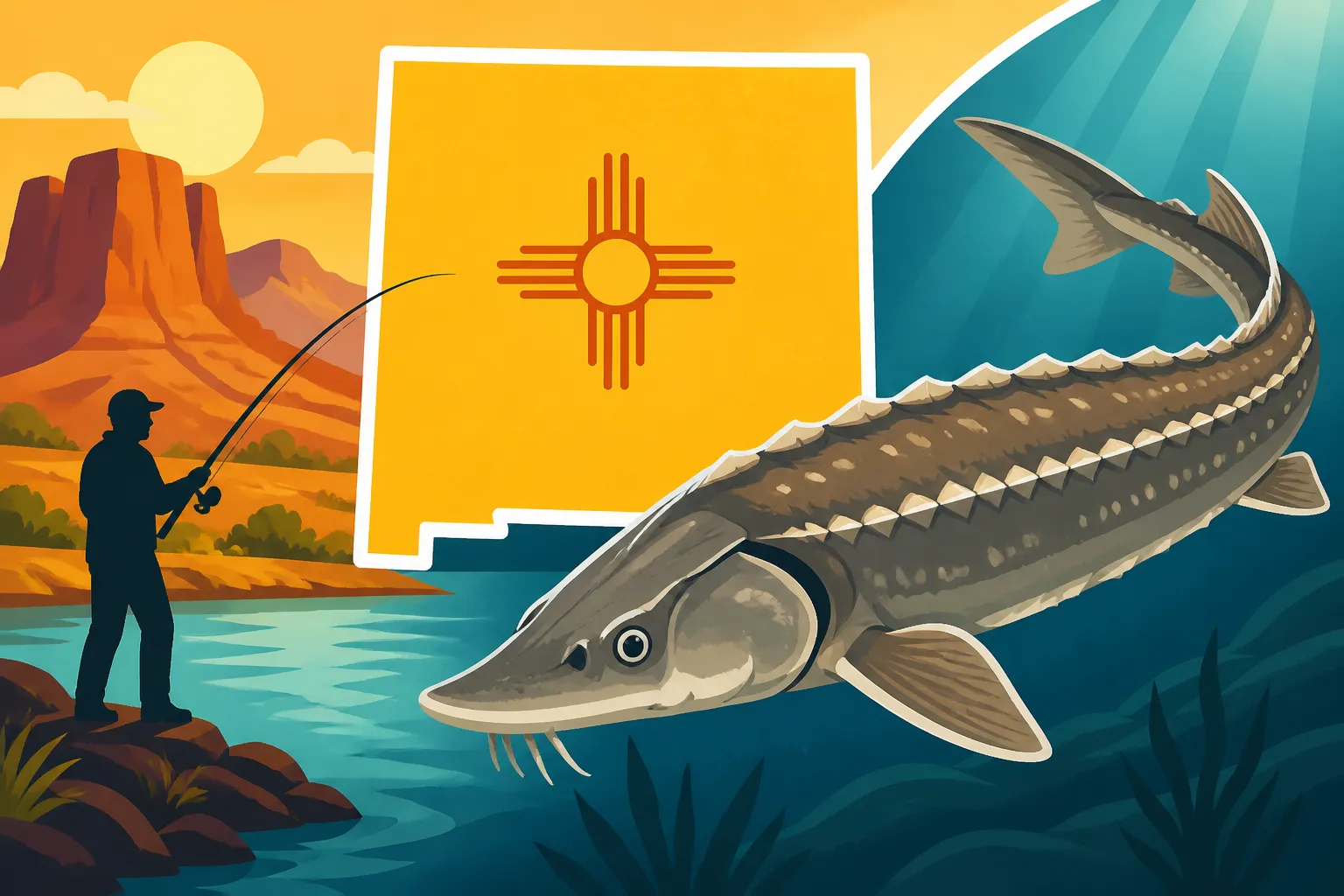
Are There Sturgeon in New Mexico?
It's completely understandable to wonder about the giants lurking beneath the surface of New Mexico's beautiful waters. Many anglers dream of encountering truly massive, prehistoric-looking fish, and sturgeon certainly fit that bill. This guide will dive deep into whether these ancient fish call New Mexico home, clear up common misconceptions about big catches, and highlight the incredible variety of large, thrilling species you can find in the Land of Enchantment.
The Truth About Sturgeon in New Mexico Waters
Let's get right to it: the short answer is no, sturgeon are not native to New Mexico, nor are there any established populations of these magnificent fish within our state's borders. It might be disappointing news for some, especially those who've heard whispers or seen photos of truly massive fish caught elsewhere, but understanding why they aren't here helps appreciate the unique ecosystems we do have.
Sturgeon's Natural Habitat and Range
Sturgeon are an ancient group of fish, often referred to as "living fossils," known for their elongated bodies, bony plates (scutes), and bottom-dwelling habits. They typically inhabit large freshwater rivers and lakes in the northern hemisphere, often requiring specific conditions:
- Large, uninterrupted river systems: They need vast stretches of river for migration, especially for spawning.
- Cool, deep waters: While some species tolerate warmer waters, many prefer cooler environments.
- Specific spawning grounds: Often gravelly or rocky riverbeds are essential for successful reproduction.
- Abundant benthic (bottom-dwelling) food sources: As opportunistic bottom feeders, they forage for insects, crustaceans, and small fish.
When you consider the arid climate, fluctuating water levels, and the nature of New Mexico's river systems like the Rio Grande and Pecos, you quickly see that these conditions don't align with what most sturgeon species require to thrive and reproduce naturally. Our rivers, while vital, are simply not the vast, continuous waterways that define prime sturgeon habitat. You won't find the large, cold, clear lakes or massive free-flowing rivers that are home to species like the White Sturgeon of the Pacific Northwest or the Lake Sturgeon of the Great Lakes region.
Official Records and Local Accounts
The New Mexico Department of Game and Fish (NMDGF) has no records of native sturgeon populations, nor have there been any official stockings or introductions of sturgeon into New Mexico's waters. While anglers sometimes share stories of "the one that got away" or unusual sightings, these are almost invariably misidentifications or simply tall tales that add to the folklore of fishing. If a sturgeon were ever found in New Mexico, it would be an extraordinary event, likely the result of an accidental or illegal introduction, and it would generate significant scientific interest. However, as it stands, sturgeon remain a fascinating fish species that don't call New Mexico home. For a comprehensive look at the fish you will encounter, check out our guide on Fish Species Found in New Mexico.
What Are Anglers Really Catching? Common Misidentifications
If sturgeon aren't here, then what are those rumors about giant, unusual fish all about? More often than not, anglers are encountering some of New Mexico's truly impressive, and often surprisingly large, game fish that can sometimes be mistaken for something more exotic, especially when viewed briefly or on the end of a screaming reel.
Giant Catfish: The Gentle Giants of New Mexico
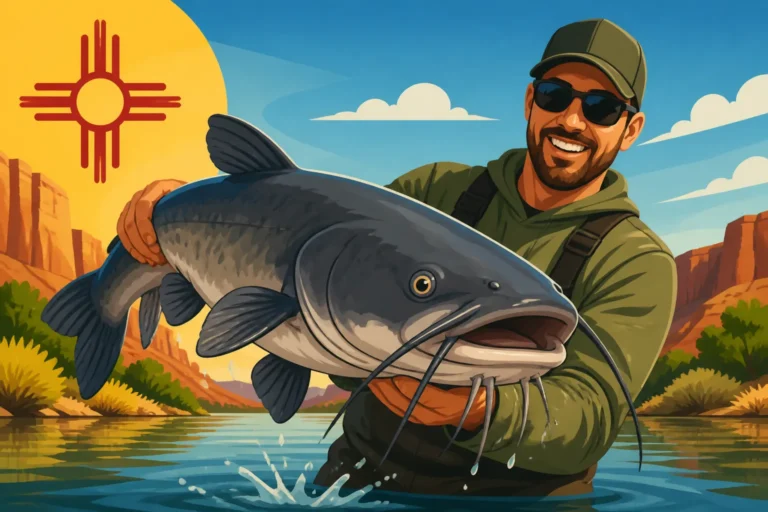
New Mexico is absolutely fantastic for catfish! We have healthy populations of both Channel Catfish and Flathead Catfish, which can grow to truly enormous sizes.
- Channel Catfish: These are found throughout many of our warmer lakes and rivers. They have a forked tail and are typically dark olive to brown on top, fading to a silvery-white belly. They can get quite large, with many exceeding 20 pounds, and occasionally pushing into the 30-40 pound range. Their broad, whiskered heads and robust bodies can certainly give an impression of a primitive, large fish, especially to someone unfamiliar with how big they can get. Anglers often target them at night, which adds to the mystique of a big catch. Want to know more? We have an article on Channel Catfish in New Mexico.
- Flathead Catfish: These are the true monsters of New Mexico's warm waters. Known for their flattened heads, prominent lower jaw, and speckled brown or yellowish coloring, Flatheads can easily reach 50 pounds or more, with some truly gargantuan specimens being caught. They are powerful fighters and primarily predatory, preferring live bait. A large flathead pulled from the depths might look incredibly intimidating and "ancient" to an unsuspecting angler. Their immense size and powerful build are often the source of "sturgeon sighting" rumors. You can learn about these impressive fish in Flathead Catfish in New Mexico.
Both species are bottom dwellers, much like sturgeon, and their powerful runs and unusual appearance can easily lead to a momentary thought of "What was that?!" when reeling one in. Many anglers stock up on their catfish gear, from heavy-duty rods to specialized bait, from retailers like Amazon, ensuring they're ready for whatever monster bites.
Striped Bass and Other Large Game Fish
Beyond catfish, New Mexico boasts other large fish that can give anglers a serious thrill and occasionally fuel the imagination.
- Striped Bass: Primarily found in Elephant Butte Lake, these powerful, hard-fighting fish are aggressive predators. They are recognizable by the distinct horizontal stripes running along their silver bodies. While they don't resemble sturgeon in body shape, their sheer size and incredible fighting ability can be a surprise. Stripers often hunt in schools and can reach impressive sizes, with individuals commonly exceeding 20 pounds and occasionally much larger. Hooking into a trophy striper can feel like battling a torpedo, leaving anglers breathless and often exaggerating its size and appearance in post-fishing stories! If you're heading to Elephant Butte, you'll want to read about Striped Bass at Elephant Butte Lake.
- Walleye: While generally smaller than trophy catfish or stripers, Walleye in New Mexico's lakes like Conchas and Ute can still grow quite large, sometimes exceeding 10-12 pounds. Their large, glassy eyes and toothy mouths give them a formidable appearance. They are highly prized for their delicious fillets and their challenging nature, often requiring specialized techniques to catch. For tips on where to find them, check out Walleye Fishing in New Mexico.
- Tiger Muskie: A hybrid fish stocked in a few New Mexico lakes, notably Bluewater Lake, the Tiger Muskie is a lean, mean, predatory machine. With its distinctive tiger-like stripes and rows of sharp teeth, it's a true apex predator. While its elongated, cylindrical body is quite different from a sturgeon's, its overall predatory look and potential for large size (some can reach over 40 inches and weigh well over 20 pounds) can make for an unforgettable, if not slightly terrifying, catch. Learn more about these formidable fish in our guide on Tiger Muskie in New Mexico. These large, toothy fish often require specific heavy-duty lures and leaders, many of which are readily available on Amazon.
When anglers talk about catching a "weird giant fish" in New Mexico, it's almost certainly one of these impressive species, not a sturgeon.
Exploring New Mexico's Unique Aquatic Ecosystems
Even without sturgeon, New Mexico's fishing opportunities are incredibly rich and diverse, offering experiences for every type of angler, from those seeking high-mountain trout to warm-water lunkers in our large reservoirs.
The Diverse Fish Species of the Land of Enchantment
New Mexico truly lives up to its name, "Land of Enchantment," with an array of aquatic environments that support a surprising number of fish species. From the icy-cold, crystal-clear waters of the high mountain streams where you can pursue native trout, to the vast, sun-drenched reservoirs teeming with bass and catfish, there's always something new to discover.
- Trout Galore: We have stunning trout fisheries, including the famous San Juan River and numerous high-country lakes and streams. You can target Rainbow Trout, Brown Trout, and even our treasured native species like the Rio Grande Cutthroat Trout and the federally protected Gila Trout. Each species has its own unique charm and challenge. Our guide on Trout Species in New Mexico is a great starting point, and for specific native species, dive into Rio Grande Cutthroat Trout in New Mexico and Gila Trout in New Mexico.
- Warm Water Wonders: Our large reservoirs are magnets for warm-water species. Beyond the mighty catfish, stripers, and walleye, you'll find healthy populations of Largemouth Bass, Smallmouth Bass, Crappie, Bluegill, and other panfish. These offer incredible action, especially during warmer months, and provide fantastic opportunities for family fishing trips.
The variety means there's always a new technique to learn or a new fishing spot to explore. To get a full overview of what's swimming in our waters, check out Fish Species Found in New Mexico.
How to Identify Your Catch and Report Unusual Sightings
It's natural to be curious when you reel in something you don't immediately recognize. The best thing an angler can do is to correctly identify their catch.
- Field Guides and Apps: Carrying a good waterproof fish identification guide or having a reliable fishing app on your phone is invaluable. These resources often provide clear photos, distinguishing characteristics, and information on habitat and regulations for common species. You can find excellent regional fishing guides on Amazon that are specifically tailored to the Southwest.
- Online Resources: The NMDGF website is a treasure trove of information, with detailed descriptions and photos of species found in the state.
- Take a Photo: If you're unsure, snap a clear photo from multiple angles before releasing the fish (if it's not a legal keeper or you plan to release). This allows you to consult experts later.
What if you really think you've caught something unusual – something truly out of place, like a fish that doesn't match any known New Mexico species?
- Do NOT Release Potentially Invasive Species: If you catch something truly exotic or a species not listed as native or introduced by the NMDGF, it's crucial not to release it back into the water. This could be an invasive species that could harm native populations or disrupt the ecosystem.
- Contact NMDGF: The most responsible action is to immediately contact the New Mexico Department of Game and Fish. They have biologists who are experts in fish identification and can advise you on the next steps. They rely on public reporting to monitor the health of our fisheries and detect potential threats from non-native species. Be prepared to provide a detailed description, photos, and the exact location of your catch.
By being informed and responsible, you help protect New Mexico's precious aquatic resources for future generations of anglers.
New Mexico's Real Big Fish Opportunities
While sturgeon might not be on the menu, the thrill of hooking into a truly large fish is very much alive in New Mexico. We have world-class opportunities to battle some impressive aquatic giants.
Targeting Trophy Catfish
If you're looking for a powerful, often prolonged fight with a truly massive fish, look no further than New Mexico's catfish populations.
- Where to Go: Elephant Butte Lake, Ute Lake, Caballo Lake, Conchas Lake, and sections of the Rio Grande are prime spots for trophy Channel and Flathead Catfish. These waters offer the deep holes, submerged structure, and abundant food sources that allow catfish to grow to impressive sizes.
- Techniques: For Channel Cats, stink baits, cut bait, chicken livers, and worms fished on the bottom are highly effective. For Flatheads, which are more predatory, live sunfish or carp are often the bait of choice. Heavy-duty rods and reels are essential, along with strong lines, as these fish can put a serious bend in your gear. Patience is key, especially when targeting flatheads, which often feed actively at night. Many anglers find their best catfish rigs and specialized circle hooks for responsible catch-and-release fishing on Amazon.
The experience of reeling in a 30-pound Channel Cat or a 50-pound Flathead under the desert stars is an unforgettable angling adventure that truly rivals the excitement of catching any other large freshwater fish.
The Thrill of Striper Fishing in Large Reservoirs
For those who crave a fast-paced, high-energy battle, the Striped Bass fishing at Elephant Butte Lake is legendary.
- Where to Go: Elephant Butte is the undisputed king for stripers in New Mexico. The sheer size of the lake provides ample habitat for these schooling predators.
- Techniques: Stripers are often found chasing baitfish, so active techniques are usually best. Trolling with large crankbaits, casting swimbaits or spoons into boils (where stripers are actively feeding on the surface), or fishing live shad are all popular and effective methods. Look for birds diving, which often indicates stripers pushing baitfish to the surface. Strong medium-heavy to heavy action rods and reels with plenty of line capacity are a must. They hit hard and fight dirty, making long runs and powerful dives. It's a truly exhilarating experience, often best enjoyed from a boat, though bank fishing can also be productive. For everything from topwater lures to heavy jigging spoons, a quick search on Amazon will yield plenty of options perfect for Elephant Butte's stripers.
New Mexico's waters might not host sturgeon, but they certainly offer their own brand of big-fish excitement and unforgettable angling adventures.
New Mexico's Large Fish Comparison
Here's a quick comparison of characteristics between sturgeon (as a reference) and some of New Mexico's largest and most impressive game fish:
| Feature | Sturgeon (General) | Channel Catfish | Flathead Catfish | Striped Bass (Elephant Butte) | Tiger Muskie (Bluewater Lake) |
|---|---|---|---|---|---|
| Typical Size Range | Very large, 6-20+ feet, 100s-1000s lbs | Large, 1-30 lbs (up to 50+ lbs) | Very large, 10-50 lbs (up to 80+ lbs) | Large, 5-25 lbs (up to 50+ lbs) | Large, 25-45 inches (up to 20-30+ lbs) |
| Body Shape | Elongated, cylindrical, cartilaginous | Robust, streamlined | Robust, flattened head | Streamlined, torpedo-like | Elongated, slender, pike-like |
| Distinctive Features | Bony scutes, barbels, shark-like tail | Forked tail, barbels, smooth skin | Flat head, blunt tail, barbels | Horizontal stripes, large mouth | Tiger-like stripes, duck-bill snout, sharp teeth |
| Feeding Habits | Bottom feeder (insects, crustaceans, fish) | Omnivore/Scavenger (cut bait, worms) | Predator (live bait, fish) | Predator (baitfish, lures) | Apex Predator (fish, large lures) |
| Habitat in New Mexico | Not Present | Rivers, lakes, reservoirs (warm water) | Rivers, lakes, reservoirs (warm water) | Elephant Butte Lake (large reservoir) | Bluewater Lake (some other smaller lakes) |
| Fighting Style | Powerful, deep runs (if caught) | Strong, steady pulls, often deep | Extremely powerful, deep, stubborn | Explosive runs, surface boils, relentless | Aggressive strikes, powerful runs, head shakes |
Disclaimer
This article is for general informational purposes only and does not constitute professional advice. Laws, prices and regulations vary by location and change over time. Consult a qualified professional for guidance on your specific situation.