Best Bait Containers for New Mexico Anglers
There's nothing quite as frustrating as heading out to your favorite New Mexico fishing spot, excited for a day on the water, only to discover your carefully prepared bait is dead, dried out, or has made a huge mess in your tackle box. We've all been there! This comprehensive guide will walk you through everything you need to know about choosing, using, and maintaining the best bait containers to keep your bait in prime condition, ensuring your fishing trips are successful and mess-free.
Why Your Bait Container is More Important Than You Think
Many anglers, especially those just starting out, might overlook the humble bait container, thinking any old plastic tub will do. But in New Mexico's diverse and often challenging environments – from the scorching sun beating down on Elephant Butte Lake to the chilly high-mountain streams – the right bait container can make or break your day. It’s not just about holding bait; it’s about preserving its life, scent, and appeal.
Keeping Your Live Bait Lively and Healthy
Imagine you're targeting big channel catfish in the Rio Grande, and you've got a bucket full of lively minnows or plump nightcrawlers. If that bait gets too hot, runs out of oxygen, or gets crushed, it's pretty much useless. Healthy, active live bait is incredibly attractive to game fish because it looks natural and enticing. A good bait container provides the right environment to keep your bait alive and kicking for hours, sometimes even days, which means less time worrying about bait and more time fishing.
Think about how much effort goes into getting good live bait. Whether you're digging up worms in your backyard, netting minnows, or buying them from a bait shop, you're investing time and sometimes money. To have that investment perish prematurely in a poorly designed container is a real letdown. The right container prevents things like ammonia buildup from decaying bait, excessive heat from the sun, or lack of oxygen in overcrowded conditions, all of which stress and ultimately kill your precious live offerings. A well-designed container allows for proper airflow, temperature regulation, and enough space for your bait to thrive until it hits the hook.
Preserving the Freshness and Effectiveness of Cut Bait
Live bait isn't always the answer. Sometimes, a juicy piece of cut bait, like a section of shad or a chunk of bluegill, is exactly what those big predatory fish are looking for. However, cut bait loses its potency quickly if not stored correctly. It needs to stay cool and retain its natural oils and scent. A container that keeps your cut bait fresh maintains its attractive qualities, meaning it will continue to release those fish-attracting pheromones and odors that draw in hungry fish.
Storing cut bait improperly can lead to it drying out, becoming discolored, or even spoiling, especially in New Mexico's warm climate. Once it starts to degrade, its effectiveness plummets, and fish will often ignore it. A specialized container, often insulated or designed to hold ice, ensures that your cut bait remains firm, fresh, and irresistibly stinky in all the right ways. This is especially important for species like walleye or striped bass that are highly sensitive to scent and presentation. You want that bait to look and smell like a fresh meal, not an old leftover.
Avoiding Messes and Contamination in Your Tackle
Let's be honest, fishing gear can get messy enough on its own without the added joy of spilled bait. A leaky worm container or a bag of smelly cut bait that ruptures in your tackle box can create an unforgettable, unpleasant aroma that lingers for weeks. Beyond the smell, bait juices can corrode hooks, foul lines, and generally make your expensive gear sticky and unusable. A secure, leak-proof bait container is essential for keeping your other gear clean and protected.
Nobody wants to reach into their tackle box for a new lure and come away with a handful of slimy, dirt-covered worms or a foul-smelling residue. Not only is it gross, but it can also deter fish if that foreign scent transfers to your lures or lines. Good bait containers are designed with tight-fitting lids and sturdy construction to prevent any unwanted spills or leaks, safeguarding the rest of your valuable fishing equipment. This attention to detail extends the life of your gear and keeps your fishing experience much more enjoyable. It’s a small investment that pays off big in cleanliness and peace of mind.
Matching Your Container to Your Bait: Different Types for Different Needs
Just as you wouldn't use a fly rod to catch a huge catfish, you shouldn't use a general-purpose container for every type of bait. Different baits have different needs when it comes to storage, and understanding these requirements is key to keeping them in top condition. New Mexico anglers often use a variety of baits, from garden worms to live minnows, and each deserves its own tailored housing.
The Classic Worm Bins and Their Modern Cousins
Worms are a staple for many New Mexico anglers, especially when targeting trout in rivers like the Pecos or panfish in smaller ponds. The classic worm bin, typically made of plastic or styrofoam, is designed to provide a cool, dark, and slightly damp environment. These bins often have perforated lids or breathable material to allow for airflow, preventing the worms from suffocating while keeping their bedding moist.
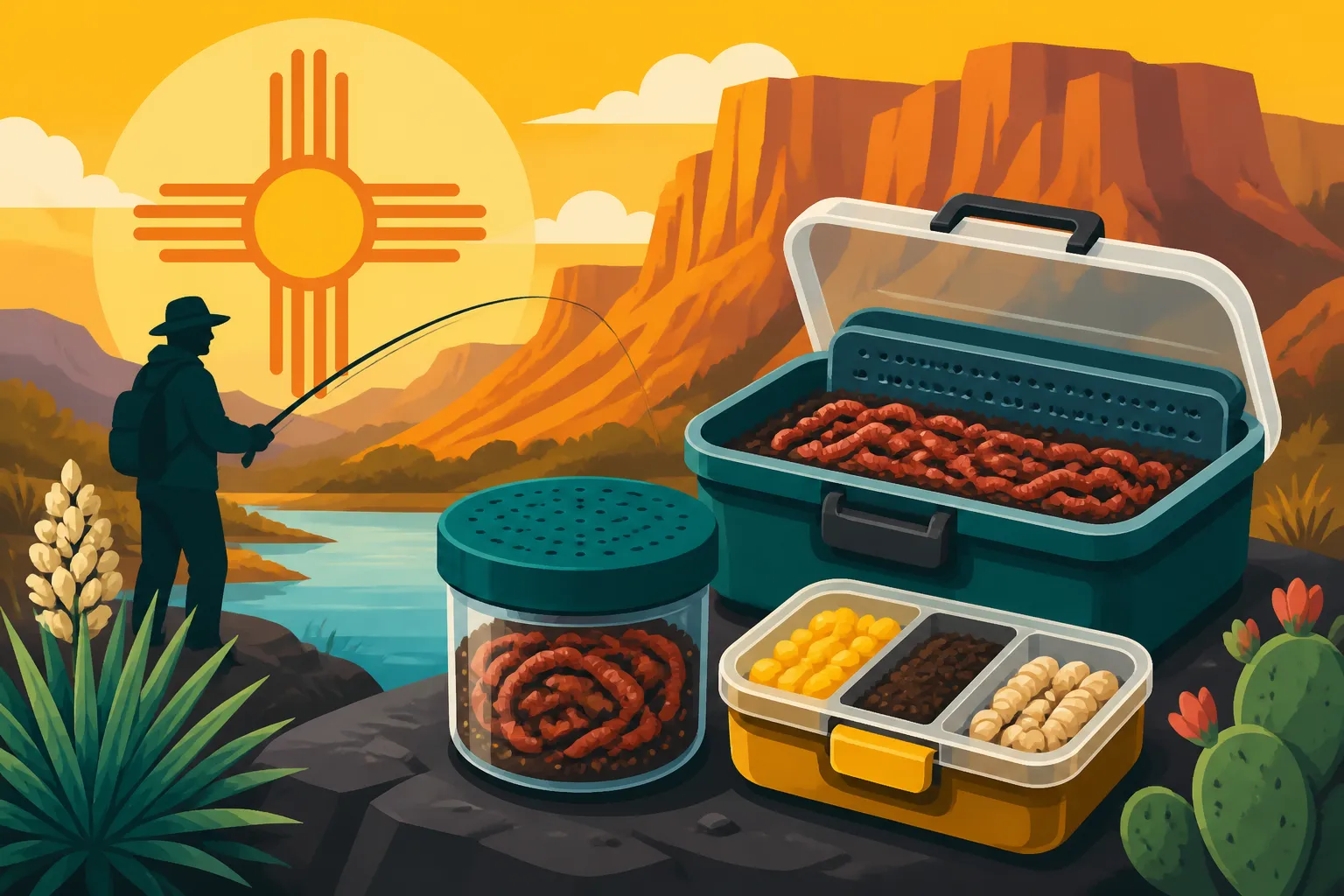
Modern worm containers have evolved to offer even better conditions. Some feature double-walled insulation to maintain a consistent temperature, which is crucial on a hot summer day in the desert or during a chilly morning in the mountains. Others come with built-in compartments for different types of worms or for storing a small amount of bedding material. When buying, look for sturdy clasps and a tight-fitting lid to prevent accidental spills, especially if your fishing takes you over rough terrain or you're Hiking to High Lakes. Many anglers prefer containers that are easy to clean and resist odors, making them a long-lasting part of their Best Tackle Box Setup for New Mexico Anglers.
Specialized Solutions for Minnows and Other Live Fish
When you're fishing for larger game fish like bass in Elephant Butte or walleye in Navajo Lake, live minnows, shiners, or even small bluegill can be incredibly effective. These baits require a much more sophisticated container: a live bait bucket or aerated cooler. Simply putting live fish in a sealed bucket will quickly lead to their demise due to lack of oxygen.
Dedicated minnow buckets typically feature an inner mesh bucket that can be lifted out of the water for easy access to your bait, while the outer bucket holds the water. Crucially, these systems often include a battery-operated aerator that bubbles air into the water, providing vital oxygen for the fish. For longer trips or larger quantities of bait, a portable aerated cooler is an excellent choice. These coolers are insulated to maintain water temperature, which reduces stress on the fish, and can keep dozens of minnows lively for hours. Brands like Frabill and Engel offer excellent aerated bait containers that can be lifesavers when you're trying to keep a good supply of energetic baitfish ready for action.
Keeping Crickets, Grasshoppers, and Other Insects Contained
Smaller game fish, especially panfish, trout, and even some bass, absolutely love insects. Crickets, grasshoppers, and mealworms are popular choices for New Mexico anglers. These critters have different needs than worms or fish. They require good ventilation, a dry environment, and often a bit of bedding or food to keep them happy and chirping.
Cricket and insect containers are usually small, lightweight, and very well-ventilated. They often have mesh sides or lids to ensure maximum airflow, preventing moisture buildup which can quickly kill insects. Some even come with a small tube or dispenser built into the lid, allowing you to shake out a single cricket without opening the entire container and risking a mass escape. A little piece of apple or potato inside can provide both food and moisture for several hours. When using these containers, always make sure the lid is securely fastened – a cricket escape inside your vehicle is a special kind of annoyance! These types of bait are excellent for Kids and Fishing Licenses in New Mexico outings, as they're easy to handle.
Protecting Prepared Baits and Scented Dough
Beyond live bait, many anglers rely on prepared baits like PowerBait for trout, dough balls for carp, or various scented pastes for other species. These baits are designed to be attractive through their smell, taste, and sometimes color. Their containers need to protect these qualities from drying out, losing their scent, or becoming contaminated.
For dough baits and scented soft baits, airtight containers are paramount. Exposure to air can quickly dry out and harden these baits, rendering them ineffective. Small, screw-top jars or plastic tubs with snap-on lids work well. It's also wise to keep these separate from other gear to prevent their strong scents from transferring to your lures or soft plastics. If you're using multiple types of prepared bait, consider a small tackle box insert with individual compartments to keep them organized and prevent cross-contamination. This ensures that your PowerBait for those stocked trout stays soft and potent, while your catfish stink bait doesn't accidentally make your bass lures smell like rotten cheese! Check out options on Amazon for these types of specialty containers, as they often have unique designs for specific bait types.
Essential Features of a Top-Notch Bait Container
Choosing the right bait container isn't just about the type of bait; it's also about the features that make it truly effective and user-friendly in the field. Especially when you're out fishing in the diverse and sometimes extreme conditions found across New Mexico, certain characteristics become non-negotiable for success and convenience.
Prioritizing Ventilation, Insulation, and Temperature Control
These three features are the holy grail for keeping live bait healthy. Proper ventilation is crucial for worms, insects, and especially live fish. Without adequate airflow, oxygen levels drop, and metabolic waste (like ammonia) builds up, quickly killing your bait. Look for containers with perforated lids, mesh panels, or, for minnows, an integrated aerator system. In New Mexico's warmer months, the sun can bake bait in minutes, so insulation is vital. A double-walled container or a cooler design will help maintain a stable, cool internal temperature, keeping your bait lively longer.
Temperature control often goes hand-in-hand with insulation. For live minnows, keeping the water cool is as important as aerating it. Small ice packs (never let the ice directly touch the fish or melt into their water if it contains chlorine from tap water) or frozen water bottles can be placed in insulated bait coolers to regulate temperature, especially when fishing New Mexico Reservoirs in Summer Heat. For worms, a thick layer of moist bedding helps regulate their temperature naturally, but an insulated container provides an extra layer of protection against the elements. You're fighting against the elements, and good design helps you win.
Durability, Portability, and Ease of Cleaning
A bait container is going to take a beating. It will be tossed into the truck, dragged across rocky shores, dropped, and exposed to the elements. Therefore, durability is key. High-quality plastic, often impact-resistant polyethylene, or sturdy metal construction with reinforced hinges and latches, will stand up to the rigors of frequent fishing trips. Nobody wants a container that cracks or breaks open after a single fall, leaving your bait scattered.
Portability is also paramount for anglers on the move. Whether you're hiking to a remote trout stream or moving from spot to spot on a lake, your bait container needs to be easy to carry. Look for comfortable handles, shoulder straps, or designs that fit easily into a backpack or kayak. A bulky or awkward container quickly becomes a nuisance. Finally, ease of cleaning cannot be overstated. Bait can get messy and smelly. Containers with smooth, non-porous interiors and simple designs are much easier to rinse out and sanitize, preventing lingering odors and bacteria growth. Some even feature removable liners for quick clean-up, ensuring your container is fresh for the next adventure.
Smart Design for Organization and Accessibility
Good bait containers aren't just about survival; they're also about convenience. Smart design incorporates features that make your bait easier to access and your overall fishing experience more streamlined. For instance, an inner basket in a minnow bucket allows you to quickly lift your bait out of the water without having to net individual fish, minimizing stress on the bait and speeding up re-baiting.
Compartments are another fantastic design element. Some worm bins have separate sections for different types of worms or even a small space for tools like worm bedding or a scoop. For cut bait, segregated compartments can keep different scents from mixing or allow you to pre-cut portions without them sticking together. Clear lids can be a bonus, letting you quickly check your bait supply without opening the container. Ultimately, the best containers make it simple to grab what you need, when you need it, so you can focus on the fishing, not fumbling with your bait. This kind of thoughtful design can truly enhance your time on the water, whether you're fly fishing for Rio Grande Cutthroat Trout in New Mexico or casting for bass.
Beyond the Basics: Advanced Tips for Bait Container Use
While a good bait container is a solid start, truly optimizing your bait's longevity and effectiveness involves a few extra steps and considerations. These advanced tips can make a significant difference, especially when you're dealing with sensitive live bait or challenging environmental conditions in New Mexico.
The Role of Aerators and Chill Packs in Extending Bait Life
For live bait, particularly minnows, shiners, or even crayfish, an aerator is virtually indispensable, especially on longer trips or during warm weather. A small, battery-operated air pump, often paired with an air stone, continuously infuses oxygen into the water. This is crucial because fish consume oxygen and produce carbon dioxide, and without proper aeration, the water quickly becomes oxygen-depleted and toxic. Investing in a reliable aerator, maybe even with a backup battery supply, can greatly extend the life of your valuable baitfish.
Alongside aeration, chill packs or frozen water bottles play a vital role in temperature control. Cool water holds more oxygen than warm water, and it also slows down the metabolism of baitfish, reducing their stress and oxygen consumption. Placing a frozen bottle or a small gel chill pack (never direct ice as mentioned before) into your live bait cooler can drop the water temperature by several degrees, making a huge difference on a sweltering New Mexico afternoon. This combination of aeration and chilling creates an optimal environment that keeps your minnows energetic and ready to attract those trophy fish.
Integrating Bait Storage with Your Overall Fishing Setup
Your bait containers shouldn't be an afterthought; they should be an integrated part of your fishing system. Think about how your bait container fits with your tackle box, your cooler, and even your boat or kayak. If you're bank fishing, a compact, easy-to-carry container that clips to your belt or fits into a fishing vest pocket might be ideal. For boat anglers, a larger, stable livewell or an aerated bait bucket that securely fits in a specific spot is important.
Consider how you access your bait. Is it positioned so you can quickly grab a worm or minnow without disturbing the rest of your gear? For those who use a fishing kayak, having a bait tube or a small, bungee-corded bait container within arm's reach is invaluable. Similarly, if you're primarily a fly angler, you might carry small, specialized containers for scud or nymph patterns, keeping them separate from your dry flies. The goal is seamless access that doesn't interrupt your fishing rhythm. Good organization, like having your Best Fishing Gear for New Mexico Anglers all in one place, includes smart bait placement.
DIY Solutions and Field Hacks for Unexpected Situations
Sometimes, despite all your planning, you find yourself in a bind. Maybe your aerator battery dies, or you realize you need an extra container for a different type of bait. This is where DIY ingenuity comes in handy. For a temporary aerator, gently agitating the water by hand or with a scoop can provide some much-needed oxygen in an emergency. If you're in a pinch for a worm container, a repurposed coffee can with a few small holes poked in the lid can work for a short period, filled with some moist dirt or leaves.
Field hacks also extend to keeping bait cool. If you forget your chill pack, a damp towel draped over an uninsulated bait bucket can provide evaporative cooling, especially if there's a breeze. Finding natural shade for your bait container is always a good idea. For unexpected cut bait needs, a Ziploc bag tucked inside a small cooler or even buried in damp sand can preserve freshness for a few hours. These little tricks can save a fishing trip when things don't go exactly as planned, allowing you to adapt and keep fishing effectively.
Seasonal Strategies for Bait Container Management in New Mexico
New Mexico's climate varies dramatically from scorching desert summers to freezing mountain winters. Anglers need to adjust their bait container strategies seasonally to ensure their bait remains viable and effective, no matter the conditions. Ignoring these seasonal changes is a sure-fire way to end up with dead or spoiled bait.
Hot Weather Challenges: Keeping Bait Cool Under the Desert Sun
New Mexico summers can be brutal, with temperatures soaring well into the 90s or even over 100 degrees Fahrenheit in southern regions like Elephant Butte or Caballo Lake. The biggest challenge in hot weather is keeping your bait cool. Live bait, whether it's minnows, worms, or crickets, will quickly perish if exposed to direct sun or high ambient temperatures. Water temperatures in minnow buckets can rise rapidly, reducing oxygen levels and stressing fish to death.
To combat this, insulation is your best friend. Always use an insulated bait bucket or cooler for live fish, and ideally, for worms too. Place chill packs or frozen water bottles inside the bait container, or directly into the water for minnows (again, ensuring they don't leak tap water directly into the bait water). Keep your bait container in the coolest, shadiest spot available – under a boat seat, beneath a damp towel, or even partially submerged in the lake water if it's cooler than the air. Fishing During Monsoon Season in New Mexico can offer some relief with clouds, but the humidity can also affect bait freshness. Remember, consistency is key; avoid sudden temperature changes.
Cold Weather Considerations: Preventing Bait From Freezing
While hot weather challenges are obvious, New Mexico winters, especially in the northern mountains and high desert plains, present the opposite problem: keeping bait from freezing. When ice fishing on Eagle Nest Lake or Bluewater Lake, live minnows can easily freeze solid, and even worms can become sluggish or die if they get too cold. This is an important consideration for New Mexico Fishing by Season.
For live minnows, an insulated container is still critical, but instead of chill packs, you might want to use a chemical hand warmer (placed outside the water but against the container wall) or even a small, battery-operated submersible heater designed for minnow buckets, if you're really serious. For worms, keep their container in a protected spot, perhaps inside your jacket or tucked into an insulated bag. A layer of dry bedding material can also provide some insulation. Avoid placing bait containers directly on cold, icy surfaces. The goal is to keep the bait active but not so warm that it thaws too quickly or becomes overly active and uses up its energy reserves.
Adapting for Different New Mexico Fisheries and Species
New Mexico is incredibly diverse, from cold-water trout streams to warm-water bass lakes. Your bait container strategy should adapt to the specific fishery and the species you're targeting. For example, when targeting trout on the San Juan River Quality Waters, you might primarily use artificial flies, but if you're using natural bait, smaller, more discreet containers for worms or corn might be appropriate. For high-desert lakes known for catfish, larger, aerated buckets for cut bait or large live baits will be essential.
Consider the journey to your fishing spot. If you're driving hours to Elephant Butte for striped bass, a heavy-duty, aerated cooler with multiple chill packs is a must for your live shad or minnows. If you're doing some easy Bank Fishing Techniques for New Mexico Lakes at an urban pond, a simple worm bin might suffice. The types of fish you're after also dictate your needs. Panfish anglers using crickets might need a well-ventilated cricket box, while walleye anglers using nightcrawlers will want a robust worm container to keep those crawlers lively. Always match your container to your target, your environment, and your travel plans. This careful planning is a crucial part of your Seasonal Checklist for Planning a New Mexico Fishing Trip.
Finding Your Perfect Bait Container: Where to Look
So, you're convinced that a good bait container is essential. Now, where do you go to find the right one? The good news is that there are many excellent options available, both in physical stores and online. Knowing where to look can help you narrow down your choices and find the perfect fit for your New Mexico fishing adventures.
Exploring Dedicated Fishing Retailers (e.g., Bass Pro Shops)
For the widest selection and specialized advice, dedicated fishing retailers are often your best bet. Stores like Bass Pro Shops offer an incredible array of bait containers, from basic worm bins to advanced aerated livewells. The advantage of shopping in person at a store like this is that you can physically examine the products, check their durability, test the latches, and gauge their size and portability firsthand. You can also talk to knowledgeable staff who can offer recommendations based on your specific fishing needs, whether you're chasing New Mexico State Record Walleye or trying to tempt a wary trout.
These retailers typically carry a range of brands known for quality in the fishing world, such as Frabill, Plano, and Engel. You'll find everything from insulated worm containers, aerated minnow buckets, and specialized cricket cages, to larger portable livewells for serious bait storage. Plus, browsing these stores is an experience in itself for any angler! They often have accessories like aerators, bait nets, and worm bedding available right alongside the containers, making it easy to get everything you need in one stop.
Online Shopping Convenience and Reviews (e.g., Amazon)
If you prefer the convenience of shopping from home or are looking for a wider range of competitive prices and detailed product comparisons, online marketplaces are invaluable. Amazon is a fantastic resource for bait containers, offering an unparalleled selection from numerous brands, often at varying price points. You can easily compare features, read countless customer reviews, and check ratings to help you make an informed decision. The reviews are particularly helpful because they often include real-world experiences from other anglers, highlighting pros and cons that might not be obvious from the product description alone.
When shopping online, pay close attention to product dimensions, materials, and any included accessories (like aerators). While you can't physically touch the item, good product photos and detailed descriptions can provide a lot of information. Remember to factor in shipping times, especially if you need a container for an upcoming trip. Online retailers also tend to be a great place to find niche or specialized bait containers that might not be stocked in every local tackle shop. Just remember to double-check return policies in case the container isn't quite what you expected. This is also a good place to look for What Gear Beginners Need to Start Fishing in New Mexico.
What to Consider When Buying Locally vs. Online
Deciding whether to buy your bait containers locally or online really comes down to a few key factors: urgency, budget, and the need for hands-on inspection.
Buying Locally:
- Pros: Instant gratification, ability to inspect the product, personalized advice from staff, supporting local businesses. If you're in a hurry for your New Mexico Fishing License Guide trip this weekend, local is king.
- Cons: Potentially higher prices, limited selection compared to online, store hours.
Buying Online:
- Pros: Vast selection, competitive pricing, customer reviews for informed decisions, convenience. You can find almost anything, including specific items like the Best Tackle Box Setup for New Mexico Anglers.
- Cons: Can't physically inspect the product, shipping times, potential for return hassle if the item isn't as expected.
For most standard items like basic worm bins or smaller cricket boxes, either option works well. However, for larger, more expensive items like aerated coolers or specialized live bait systems, a local visit to a store like Bass Pro Shops might be beneficial for that hands-on evaluation. For unique or hard-to-find items, or if you're looking for the absolute best deal, Amazon will likely be your go-to. Ultimately, a combination of both approaches often yields the best results, allowing you to leverage the strengths of each buying method.
Disclaimer
This article is for general informational purposes only and does not constitute professional advice. Laws, prices and regulations vary by location and change over time. Consult a qualified professional for guidance on your specific situation.