Abiquiu Lake Fishing
Oh, Abiquiu Lake! It's one of those beautiful New Mexico gems that can feel a bit mysterious to anglers, especially if you're used to the more heavily trafficked spots. Many folks find themselves wondering what fish actually thrive in its unique, often lower, waters, and how to even begin tackling such a vast, sometimes stark, landscape. Well, dear reader, you've come to the right place! This comprehensive guide is going to strip away the mystery, revealing the secrets to successful fishing at Abiquiu Lake, from its prime species to the best techniques and times to visit.
Discovering Abiquiu Lake's Unique Charm
Abiquiu Lake, nestled in the stunning red rock landscape of northern New Mexico, isn't just a body of water; it's an experience. Created by the Abiquiu Dam on the Chama River, this large reservoir offers a dramatic backdrop for a fishing adventure. Unlike some of the state's more developed lakes, Abiquiu often retains a wilder, more serene feel, making it a favorite for those seeking solitude along with their catches. Its fluctuating water levels, a common characteristic of many Western reservoirs, means that the structure and accessible areas can change, presenting both challenges and exciting opportunities for anglers ready to adapt.
The lake's geography is defined by towering cliffs, hidden coves, and expansive open waters. This diverse underwater topography provides a range of habitats for different fish species, from rocky points favored by bass to deeper, cooler channels preferred by salmon. Understanding these unique features is the first step to unlocking Abiquiu's fishing potential. It's not just about casting a line; it's about reading the landscape, both above and below the surface.
While it might not always get the same fanfare as the San Juan River or Elephant Butte, Abiquiu Lake holds its own as a premier destination. Its unique mix of warm-water and cold-water species, combined with its breathtaking natural beauty, makes every trip memorable. Whether you're a seasoned angler with years of experience under your belt or just starting your journey into the world of fishing, Abiquiu offers something truly special, if you know where and how to look.
The Landscape and Hydrology of Abiquiu
Abiquiu Lake's character is profoundly shaped by its geology and the hydrology of the Chama River. The surrounding colorful sandstone cliffs, mesas, and canyons create a truly dramatic setting, reminiscent of Georgia O'Keeffe's famous paintings of the area. This vibrant landscape extends underwater, with submerged rock formations, ledges, and channels providing excellent structure for fish. The water itself often has a greenish tint, especially in the shallower bays, which can sometimes make sight fishing a bit challenging.
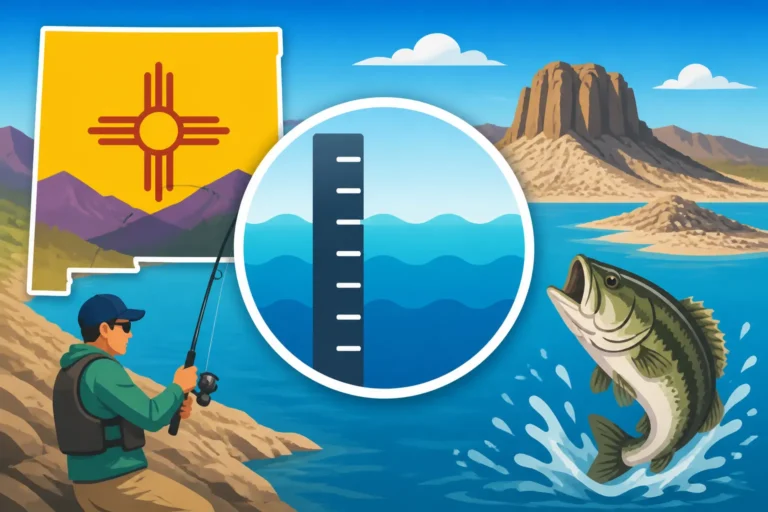
Water levels in Abiquiu can vary significantly throughout the year, primarily influenced by snowmelt from the northern mountains and downstream irrigation demands. During spring runoff, the lake can swell, inundating new areas and dispersing fish into freshly flooded vegetation. Conversely, late summer and fall often see lower water levels, concentrating fish in deeper channels and around more prominent, permanent structures. Keeping an eye on the Current Water Levels at New Mexico's Major Reservoirs is always a smart move before planning your trip, as these fluctuations directly impact fish behavior and access points.
These hydrological shifts mean that a successful angler at Abiquiu needs to be adaptable. What works one month might not work the next. It’s not uncommon to find areas that were productive coves in spring become dry, exposed banks in fall. This dynamic environment, while challenging, also means that every trip offers a new puzzle to solve, keeping things exciting and ensuring you're constantly learning about the lake's intricate ecosystem.
Why Abiquiu Appeals to Anglers
Abiquiu Lake holds a special allure for anglers seeking a diverse and often less-crowded experience. First and foremost, it’s home to a fantastic variety of game fish, offering something for almost every preference. From the hard-fighting Smallmouth Bass to the elusive Kokanee Salmon, and even stocked Rainbow Trout, the lake presents a multi-species challenge that keeps many coming back. You might start your day targeting bass along a rocky point and finish by trolling for salmon in the deeper basin.
Beyond the fish, the sheer natural beauty of the area is a powerful draw. Imagine casting your line with towering, colorful cliffs reflecting in the water, and the quiet broken only by the call of a hawk or the splash of a rising fish. It’s a tranquil escape from the hustle and bustle, allowing for a deeper connection with nature. For those who enjoy camping, the lakeside sites offer an unparalleled opportunity to wake up right by the water, ready to fish at dawn.
Finally, Abiquiu’s often less-pressured waters mean that the fish can be less wary than in some other popular destinations. While it still demands skill and patience, the reward of a pristine environment combined with solid fishing opportunities makes Abiquiu Lake a truly appealing destination for both serious anglers and families looking for a memorable outdoor adventure.
The Prized Catches of Abiquiu Lake
Abiquiu Lake is renowned for a few key species that truly define the angling experience here. While you might encounter other fish like catfish or even an occasional walleye, the primary targets that draw most fishermen to Abiquiu are the Smallmouth Bass and the Kokanee Salmon. Each offers a distinct challenge and requires different approaches, adding to the lake's appeal as a diverse fishery. Understanding what makes these species tick at Abiquiu is crucial for success.
These fish thrive in different parts of the lake and exhibit varying behaviors depending on the season and water conditions. The Smallmouth Bass, with their preference for rocky structure, can be found patrolling the numerous points and submerged ledges. Kokanee Salmon, on the other hand, are cold-water dwellers that prefer the deeper, cooler sections of the lake, often suspending in open water. Knowing these basic tendencies will help you decide where to focus your efforts.
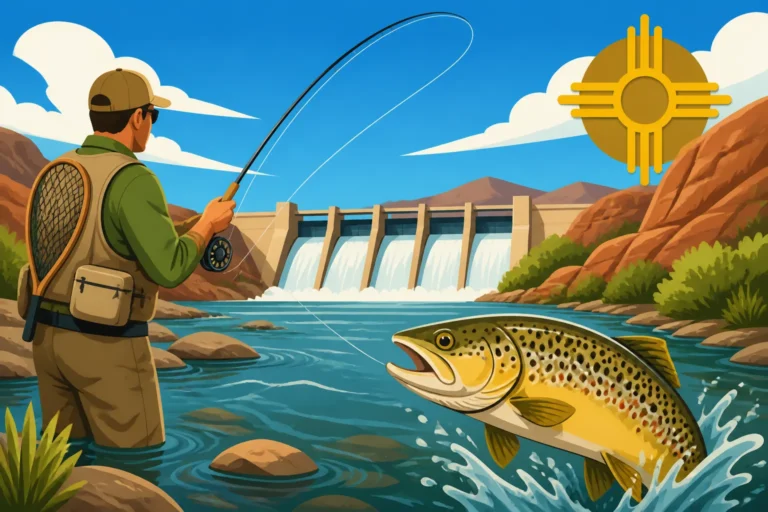
Beyond the bass and salmon, Abiquiu is also periodically stocked with Rainbow Trout, especially in years when conditions are favorable. These offer another exciting opportunity, particularly for shore anglers or those looking for a different kind of fight. Always check the latest stocking reports from the New Mexico Department of Game and Fish to see when and where trout have been released, as this can significantly boost your chances of finding them.
Abiquiu Lake Smallmouth Bass Fishing
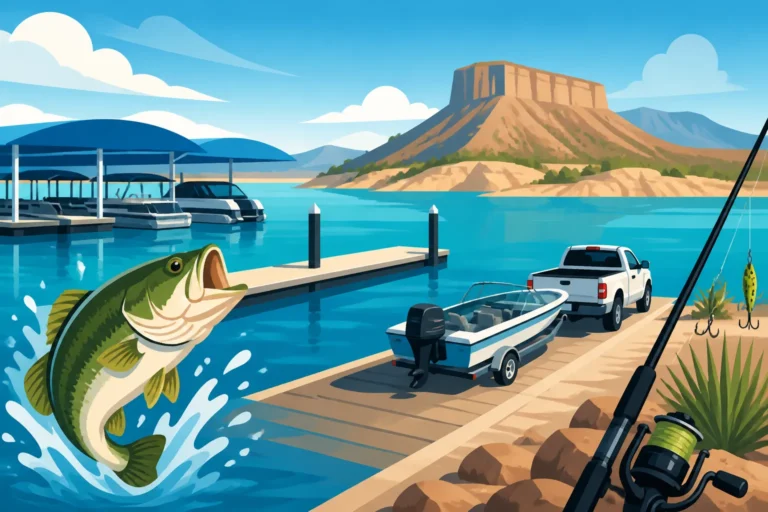
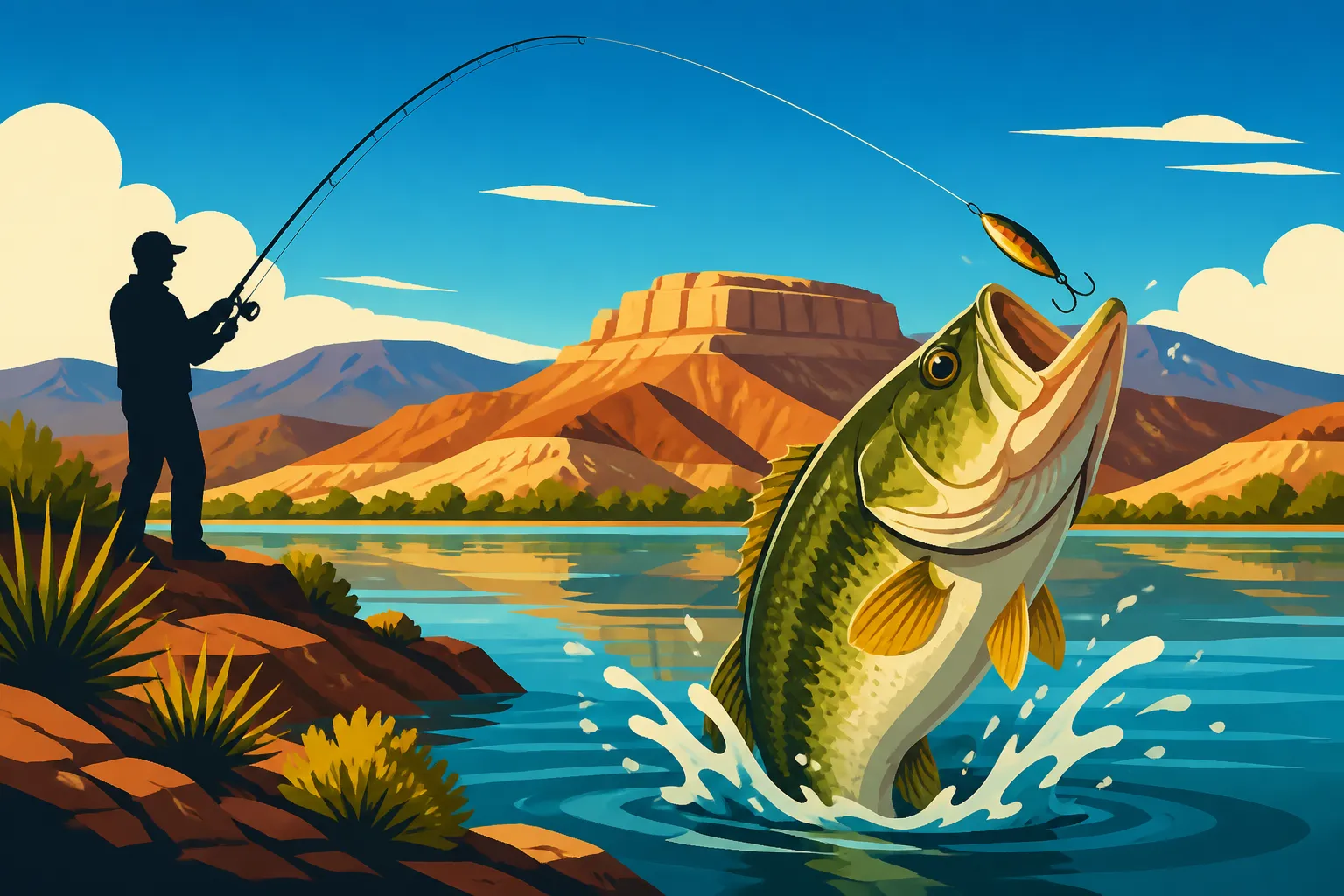
Smallmouth Bass are undeniably the kings of Abiquiu Lake's rocky shores. These feisty fighters absolutely thrive in the lake's abundant rocky structures, ledges, and steep drop-offs. If you're coming to Abiquiu specifically for bass, you'll want to focus on areas with plenty of submerged rocks, boulders, and rubble, particularly where there's a quick change in depth. Points and rocky shorelines are classic smallmouth territory, especially those with access to deeper water nearby. You can find detailed tips on Abiquiu Lake Smallmouth Bass Fishing if you want to dive even deeper into specific tactics.
Smallmouth Bass are ambush predators, so presentation is key. They love to hide near structure and dart out to strike unsuspecting prey. In terms of lures, jigs, crankbaits, and soft plastics rigged Texas or Carolina style are incredibly effective. Colors like green pumpkin, watermelon, and various shad patterns tend to work well. Early mornings and late evenings are often the most productive times, as bass move shallower to feed. During the heat of the day, they tend to retreat to deeper, cooler water, but can still be coaxed out with deeper-diving lures or vertical presentations.
Fishing for smallmouth at Abiquiu offers a thrilling challenge. They hit hard, fight aggressively with powerful runs and aerial acrobatics, and their size can be quite impressive for this region. Remember to check the New Mexico Statewide Bag Limit for Bass before heading out, as regulations can change. A quality medium-heavy spinning or casting rod with 8-12 lb fluorocarbon or braided line will give you the sensitivity to detect bites and the power to pull these strong fish away from snags.
Abiquiu Lake Kokanee Fishing
For those who enjoy trolling and the unique challenge of cold-water species, Abiquiu Lake's Kokanee Salmon are a major draw. These landlocked sockeye salmon are beautiful, tasty, and offer a distinct fishing experience. Kokanee are pelagic, meaning they suspend in the open water column, usually in the deeper, cooler sections of the lake. They feed primarily on zooplankton, which means traditional baits aren't always effective, and specific trolling setups are usually necessary. You can find more targeted advice specifically on Abiquiu Lake Kokanee Fishing to maximize your chances.
Successful Kokanee fishing typically involves trolling with downriggers or weighted lines to get your lures to the precise depth where the fish are holding. This depth can vary significantly by season and time of day, often ranging from 20 to 60 feet or even deeper, particularly in the summer months. Small dodgers or flashers paired with tiny hoochies, wedding rings, or small spoons are the go-to choices. Tipping your lure with a kernel of corn or a maggot can add scent and attraction, often making a big difference. Bright colors like orange, pink, and chartreuse are frequently effective, mimicking the zooplankton they feed on or simply drawing their attention.
Kokanee are known for their soft mouths, so a gentle touch when fighting them is essential to avoid tearing the hook out. They put up a spirited fight, especially when they get close to the boat, making quick runs and head shakes. The best time to target Kokanee is typically spring and fall, when they are more active throughout the day, and their spawning run in late summer/early fall can concentrate them, although specific regulations for snagging may apply. Remember to consult the New Mexico Trout Fishing Rules as Kokanee are a salmonid and fall under specific regulations.
Mastering Fishing Techniques for Abiquiu's Waters
Fishing Abiquiu Lake isn't a one-size-fits-all endeavor. Given its diverse species and dynamic environment, successful anglers employ a range of techniques tailored to the target fish and prevailing conditions. Whether you're casting from shore, wading a shallow flat, or trolling from a boat, having a versatile arsenal of methods in your mental tackle box will dramatically increase your odds. It's about being observant, understanding fish behavior, and knowing which tool to deploy at the right time.
The key to mastering Abiquiu is understanding the preferences of its primary residents. Smallmouth Bass demand presentations that mimic their prey along rocky structure, while Kokanee Salmon require precise depth control and specific attractants in open water. Even stocked Rainbow Trout will respond differently based on recent stocking activity and water temperatures. This section will break down the most effective techniques for each, ensuring you’re well-equipped for your next trip.
Beyond specific lure choices, factors like presentation speed, retrieve style, and even boat control play a crucial role. Being able to adapt on the fly, experimenting with different techniques until you find what's working today, is a hallmark of a successful Abiquiu angler. Don't be afraid to try something new, or to switch up your strategy if your initial plan isn't yielding results.
Effective Strategies for Smallmouth Bass
When it comes to Abiquiu's Smallmouth Bass, versatility is your best friend. These aggressive predators often hang around rocky points, submerged ledges, and steep drop-offs. One of the most effective techniques is jig fishing. Pitching or flipping small jigs (1/8 to 1/2 oz) with soft plastic trailers (grubs, craws, tubes) to visible or suspected structure is a killer method. Let the jig fall on a slack line, allowing it to "walk" down the rocks, then retrieve with short hops or drags. Common colors like green pumpkin, black, and brown patterns mimic crawfish and other bottom-dwelling prey that bass love.
Another highly productive strategy is using crankbaits and jerkbaits. Medium-diving crankbaits that reach depths of 5-15 feet can be deadly, especially when retrieved to bounce off rocks, mimicking a fleeing baitfish. Jerkbaits are fantastic for suspended bass or when you want to create an erratic, dying baitfish action. Focus on rocky shorelines and points in the spring and fall, and target deeper rock piles in the summer. For more insights on specific lures, check out Best Lures for New Mexico Bass. Remember, bass often hold just off the structure, so casting beyond your target and retrieving through it can often trigger a strike.
Finally, don't underestimate the power of soft plastics. Wacky rigs, Ned rigs, and Texas-rigged worms or craws are excellent for subtle presentations, especially when bass are pressured or finicky. Cast these near structure, let them sink naturally, and work them slowly with small twitches and pauses. Pay close attention to your line for subtle taps or unnatural movements, as smallmouth bites can sometimes be very light. If you're struggling to locate fish, using a fish finder to identify submerged structure can make a huge difference, allowing you to target productive areas more precisely.
Trolling Techniques for Kokanee Salmon
Trolling for Kokanee Salmon at Abiquiu Lake is a precision game that rewards patience and attention to detail. Since Kokanee suspend in the water column and feed on tiny zooplankton, getting your presentation to the right depth and having the right action is paramount. The primary technique involves using a boat to slowly pull a combination of attractors and lures. For more general advice on this, you can refer to Trolling Techniques for New Mexico Lakes.
Your setup typically starts with a downrigger or a heavy weight (like a banana weight or an inline dodger) to get your line to the desired depth. Connected to this is a dodger or flasher, which acts as an attractor, creating flash and vibration to draw the salmon in. Behind the dodger, on a short leader (usually 10-24 inches), you’ll attach a small lure. Popular choices include tiny hoochies (squid skirts), wedding rings, or small spoons, often tipped with a piece of scented corn, PowerBait, or a maggot. Experiment with different colors – pink, orange, chartreuse, and sometimes even blue can be very effective.
Speed is critical: Kokanee usually prefer a slow, consistent troll, typically between 1.0 and 1.8 miles per hour, but it’s always worth experimenting. Watch your fish finder diligently to identify the depth at which the fish are holding, and then adjust your downriggers accordingly. Sometimes, a slight change in speed or direction can trigger a bite, as it makes the lure flutter or change its action. Having multiple rods out at different depths and with various lure/dodger combinations can help you quickly dial in what the fish are responding to on any given day. If you're planning a trip, consider checking out guides on platforms like FishingBooker to learn from local experts who know the subtle nuances of Abiquiu's Kokanee bite.
Shore Fishing and General Lake Angling
While boat fishing offers the most access, Abiquiu Lake also provides decent opportunities for shore anglers, particularly for stocked Rainbow Trout and, at times, Smallmouth Bass. The key to successful shore fishing is finding accessible areas with good drop-offs or submerged structure close to the bank. The Abiquiu Lake Recreation Area offers several spots where you can access the water, often with rocky points or small coves that attract fish. These areas are frequently stocked with trout, especially in spring and fall, making them prime targets for those casting from the bank.
For shore-bound trout anglers, classic baits like PowerBait (especially in bright colors like rainbow or chartreuse), worms, or salmon eggs fished under a bobber or on a bottom rig are very effective. Small spinners (like Panther Martins or Mepps) and spoons can also draw strikes. For smallmouth from shore, target rocky points with jigs, small crankbaits, or Texas-rigged soft plastics. Focus your casts parallel to the shoreline or fan-cast to cover different depths. Early mornings and evenings often produce the best results, as fish move closer to shore to feed during these cooler periods.
General lake angling, whether from a small boat, kayak, or float tube, opens up more possibilities. This allows you to explore the numerous coves, points, and river channels that are inaccessible from shore. Utilizing a portable fish finder can help you pinpoint submerged structure or schools of baitfish, which often indicate where game fish are holding. Remember to always prioritize safety on the water, especially on larger reservoirs like Abiquiu, and wear a life jacket. If you're considering bringing a boat, make sure to review the New Mexico Boat Registration and Titling Guide beforehand to ensure you're compliant with all state regulations.
| Fish Species | Primary Target Areas | Effective Techniques | Best Season/Time | Average Depth (approx.) |
|---|---|---|---|---|
| Smallmouth Bass | Rocky points, ledges, drop-offs | Jigs, crankbaits, soft plastics | Spring, Fall (E. Morning/Late Eve) | 5-25 feet |
| Kokanee Salmon | Open water, deep basin | Trolling with dodgers & hoochies | Spring, Fall (Daytime) | 20-60+ feet |
| Rainbow Trout | Stocked areas, coves, shorelines | PowerBait, worms, spinners | Spring, Fall (Anytime after stocking) | 5-20 feet |
Seasonal Strategies for Abiquiu's Waters
The magic of Abiquiu Lake fishing truly changes with the seasons. What works like a charm in spring might yield nothing in the summer, and vice versa. Understanding these seasonal shifts in fish behavior, water temperature, and lake levels is paramount to consistently finding success on Abiquiu's diverse waters. Each season presents its own unique set of opportunities and challenges, making it feel like a different lake throughout the year.
From the vibrant new life of spring to the stark beauty of winter, Abiquiu demands adaptability. Fish will move to different depths, feed on different prey, and respond to varying presentations as the year progresses. Knowing when to target specific species and adjust your techniques accordingly is a skill that comes with experience and a keen understanding of the lake's seasonal rhythms. For a broader view, our New Mexico Fishing Season Calendar can offer additional context.
We'll break down each season, providing insights into what to expect and how to approach your fishing, ensuring you're always ready for whatever Abiquiu throws your way. Remember, local knowledge is invaluable, so checking with tackle shops or online fishing forums specific to Abiquiu can give you real-time updates on what's currently biting.
Spring: Reawakening and Rising Activity
Spring at Abiquiu Lake is a time of incredible potential, as warming water temperatures ignite feeding activity after the colder winter months. As ice recedes (if it formed) and the sun gains strength, fish become more active, moving into shallower areas to feed and eventually spawn. This is arguably one of the best times to target both Smallmouth Bass and Kokanee Salmon.
For Smallmouth Bass, spring means they're moving towards rocky points and shallower coves as the water warms, preparing for their spawn. Pre-spawn bass are often aggressive and can be caught on crankbaits, jerkbaits, and even spinnerbaits. As the water temperatures hit the mid-50s to low-60s (Fahrenheit), they'll move onto shallower flats and rocky beds to spawn. During this time, soft plastics like tubes, grubs, or Senkos, fished slowly around their beds, can be highly effective, though it’s often best practice to release spawning fish quickly and carefully to protect the population.
Kokanee Salmon also become more active in the spring. As the water warms, they'll often be found higher in the water column than in winter, making them a bit easier to target with trolling gear. Look for them suspending in the 20-40 foot range, especially during overcast days. The New Mexico Department of Game and Fish often schedules trout stockings in the spring, so this is also a prime time for Rainbow Trout in easily accessible areas near recreation sites. Shore anglers can have great success with PowerBait or worms in these freshly stocked locations.
Summer: Deeper Waters and Early Morning Bites
As New Mexico's summer heat settles in, Abiquiu Lake's fishing dynamics shift dramatically. Water temperatures rise significantly, particularly in the shallower areas, pushing most game fish into deeper, cooler water. This means anglers need to adjust their tactics to pursue fish in their thermal refuge. The midday sun can make fishing tough, so early mornings and late evenings often become the most productive windows.
Smallmouth Bass will largely abandon the shallow banks during the heat of the day, retreating to deeper rocky points, submerged humps, and steep ledges where cooler water and oxygen are more plentiful. This is a time for deep-diving crankbaits, football jigs, or drop-shot rigs fished vertically over structure. Targeting them during low-light conditions – dawn and dusk – when they might briefly move shallower to feed, can still yield results. Focus on shaded areas or points with a quick deep-water access.
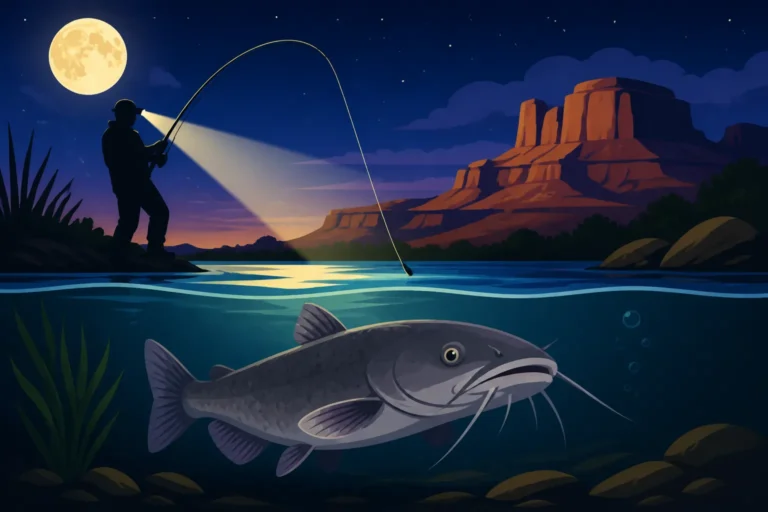
Kokanee Salmon will move even deeper in summer to find their preferred cold-water temperatures, often suspending in the 40-70 foot range or more. Downriggers become essential for consistent success. Continue to troll with dodgers and small lures, paying close attention to your fish finder to locate schools of salmon. Sometimes, they might be found near the thermocline (the layer where water temperature changes rapidly). Summer is also when Catfish become more active, and they can be targeted from shore or boat with cut bait, stink bait, or worms, especially at night.
Fall: Aggressive Feeding and Spawning Salmon
Fall is another fantastic season for fishing at Abiquiu Lake, often considered by many to be one of the best times to visit. As air and water temperatures begin to cool, fish once again become highly active, aggressively feeding in preparation for winter. The vibrant fall foliage around the lake also adds a picturesque element to your fishing trip.
For Smallmouth Bass, fall means a feeding frenzy. They'll move back into shallower rocky areas, points, and coves, gorging themselves on baitfish. This is a great time for a wide variety of lures, including crankbaits, jerkbaits, spinnerbaits, and soft plastics. They can be found actively chasing bait, and you might encounter explosive topwater action during low-light periods. The bass tend to remain active throughout the day, although early morning and late afternoon still hold an edge.
Fall is also when Kokanee Salmon undertake their spawning run. This is a highly anticipated event for many anglers. As they approach spawning, Kokanee change color, turning a distinctive reddish hue, and develop a hooked jaw. They will migrate towards the inflowing rivers (like the Chama River) and shallow spawning grounds. During this time, specific snagging regulations might come into play, so it's absolutely crucial to check the most current New Mexico Fishing Regulations Overview for season dates and methods, as these can vary year to year. While not all Kokanee will be caught during spawning runs, these fish become more concentrated and can offer a unique opportunity.
Winter: The Chill and the Challenge
Winter fishing at Abiquiu Lake presents a quieter, more challenging experience, but one that can be incredibly rewarding for those willing to brave the cold. Water temperatures are at their lowest, and fish metabolism slows down, making them less aggressive. However, fish still need to eat, and if you can locate them, winter can produce some surprisingly large catches.
Smallmouth Bass will be lethargic and generally hold in deeper, more stable water, often stacked on structure or near deeper ledges. Vertical jigging with small spoons or blade baits, or slow presentations of Ned rigs or drop shots, can entice strikes. Focus on extremely slow retrieves and subtle movements. The bite will be light, so sensitive tackle is a must. Patience is a virtue in winter bass fishing.
Kokanee Salmon remain in the deeper water column, often suspended, and can still be targeted by careful trolling. Their depths might be consistent, but their activity levels will be lower. Using smaller lures and a slower troll speed might be necessary. This is also a good time to target Rainbow Trout, especially if the lake has received winter stockings. Trout tend to remain more active in colder water than bass, and can be caught on small jigs, PowerBait, or worms, especially near any remaining open water access points. If ice fishing is possible (which is not a common or reliable occurrence at Abiquiu due to variable freezing), then specialized gear and safety precautions would be paramount.
Navigating Abiquiu: Access, Amenities, and Regulations
Planning a fishing trip to Abiquiu Lake involves more than just knowing what fish to target and how to catch them. You also need to understand how to get there, what facilities are available, and, crucially, what rules and regulations you need to follow. Abiquiu is managed by the U.S. Army Corps of Engineers, which means specific operational guidelines in addition to state fishing regulations. Being prepared on all these fronts ensures a smooth and enjoyable experience.
Access to the lake is primarily through designated recreation areas, which provide amenities ranging from boat ramps to campgrounds. However, it's important to remember that this is a large, relatively undeveloped reservoir, so services might be limited compared to more commercialized lakes. Always arrive with sufficient supplies, including water, food, and emergency gear.
Beyond the practicalities of access, adhering to all state and federal regulations is non-negotiable. This includes having the correct licenses, knowing bag and possession limits, and understanding any special rules that apply to Abiquiu Lake specifically. Ignorance of the law is never an excuse, and violations can lead to hefty fines or loss of fishing privileges. Remember to get your New Mexico Fishing License Guide sorted before you even leave home.
Boat Ramps and Shoreline Access
Abiquiu Lake offers several access points, primarily centered around its main recreation areas. The most popular and reliable option for boaters is the Abiquiu Lake Recreation Area, located on the western side of the lake. This area typically features paved boat ramps that can handle various boat sizes, though usability can depend heavily on current water levels. During periods of significantly low water, some ramps may become unusable or require 4×4 vehicles for launching. It's always a good idea to call the Corps of Engineers lake office or check their website for the most current conditions before you head out, especially if you're towing a larger vessel.
For shore anglers, the recreation area also provides numerous points of access. You can find rocky banks and small coves that are walkable and offer good casting opportunities, particularly for trout and smallmouth bass. The shoreline near the dam itself often has good access, but always observe signs and closures, as some areas may be restricted for safety reasons. Dispersed shoreline access can be found in other areas, but these often require hiking and may lack developed facilities.
Regardless of where you access the lake, be prepared for varied terrain. The New Mexico sun can be intense, and the ground can be uneven, so sturdy footwear, plenty of water, and sun protection are essential. Always respect private property and tribal lands adjacent to the lake; stick to public access points unless you have explicit permission.
Camping and Facilities at Abiquiu
For those who want to extend their fishing trip, Abiquiu Lake offers excellent camping opportunities. The primary camping facilities are located within the Abiquiu Lake Recreation Area, managed by the U.S. Army Corps of Engineers. These campgrounds, like the Riana Campground, offer a mix of developed sites with amenities such as restrooms, picnic tables, and fire rings, and some even provide electrical hookups. Many sites boast stunning views of the lake and surrounding red rock country, making for a truly memorable outdoor experience. Reservations are often recommended, especially during peak seasons like spring and fall, and can typically be made through recreation.gov.
Beyond developed campgrounds, there are also opportunities for more rustic, dispersed camping around certain parts of the lake. These areas offer fewer amenities but provide greater solitude and a more primitive experience. If you choose dispersed camping, remember to practice Leave No Trace principles, pack out all your trash, and be mindful of fire restrictions, which are common in New Mexico, especially during dry periods. Check with the Bureau of Land Management or the Corps of Engineers for specific rules and allowed areas for dispersed camping.
In terms of other facilities, the main recreation area might have a small visitor center or ranger station where you can get information, purchase maps, and sometimes even buy a fishing license if you still need one. However, don't expect a full-service marina or bait shop directly at the lake. It's best to come prepared with all your bait, tackle, food, and fuel from towns like Española or Abiquiu village before you arrive. It’s also wise to check a service like FishingBooker if you are looking to arrange a guided trip or confirm available services from local outfits.
Regulations and License Requirements
Fishing at Abiquiu Lake, like all public waters in New Mexico, requires adherence to specific state and federal regulations. The most fundamental requirement for any angler aged 12 or older is a valid New Mexico fishing license. You can obtain a license online, from authorized vendors throughout the state, or by visiting a New Mexico Department of Game and Fish office. Non-residents will need to purchase a New Mexico Nonresident Fishing License Options, while residents have various New Mexico Resident Fishing License Options, including annual or shorter-term permits.
Beyond the general license, you'll need to be aware of bag and possession limits for the various species you might encounter. For instance, there are specific limits for trout, bass, and other warm-water species. These limits are designed to manage fish populations and ensure sustainable fishing for everyone. Always consult the current New Mexico Fishing Regulations booklet, which is updated annually, for the most up-to-date information. It’s available online or at license vendors. Pay particular attention to any special regulations specific to Abiquiu Lake if they exist, as certain bodies of water can have unique rules regarding gear, bait, or catch limits.
Finally, while Abiquiu is a state fishery, remember that parts of the surrounding land may be managed by different entities, including federal agencies (U.S. Army Corps of Engineers, Bureau of Land Management, U.S. Forest Service) or even tribal lands. Always respect posted signs, be aware of any required stamps or permits (like the New Mexico Habitat Management and Access Validation Stamp for certain federal lands), and ensure you are fishing in areas where you have permission. Being a responsible and informed angler not only keeps you out of trouble but also helps preserve this beautiful resource for future generations.
Tips for a Successful Abiquiu Lake Fishing Trip
Okay, so you've got your license, you know what fish are biting, and you've got a handle on the seasonal changes. Now, let's talk about those little extra tips that can turn a good day on Abiquiu into a truly memorable one. Sometimes, it's the subtle details, the local insights, or simply being prepared for the unexpected that makes all the difference. Fishing, especially in a place as unique as Abiquiu, is as much about strategy and observation as it is about luck.
Being ready for the elements, understanding the impact of water levels, and even leveraging resources like local guides can significantly boost your success. It's about approaching your trip with a proactive mindset, rather than just hoping for the best. After all, you're making the effort to get out there, so why not stack the odds in your favor?
These final tips are designed to help you fine-tune your approach, adapt to the lake's quirks, and ensure you have an enjoyable and productive time on Abiquiu's stunning waters.
Reading the Water and Adjusting to Conditions
One of the most crucial skills for fishing Abiquiu Lake, or any large reservoir for that matter, is the ability to read the water. This means paying attention to subtle clues like water color, current, wind direction, and visible structure. Is the water clear or cloudy? Are there any visible baitfish or signs of feeding activity? Where is the wind pushing the surface water, and potentially the baitfish? All these factors can tell you where fish might be holding and how active they might be.
For example, if the wind is consistently blowing into a rocky point, that "wind-blown" side can often concentrate baitfish and, in turn, attract hungry Smallmouth Bass. If you notice a distinct color change in the water, indicating a transition from clearer open water to murkier incoming river water, fish might be staging along that seam. For Kokanee, observing your fish finder for bait balls or temperature breaks can help you pinpoint the precise depth they are using. The lake's vastness means conditions can vary dramatically from one cove to the next, so staying adaptable is key.
Furthermore, Abiquiu's often fluctuating water levels require constant adjustment. During high water, newly flooded vegetation can create excellent cover for bass, but it can also make them harder to locate. In low water conditions, fish will be concentrated around the remaining deep water access and prominent submerged structures, which can make them easier to find but potentially more pressured. Always consider how current water levels are impacting the available habitat and plan your approach accordingly. A quick look at the water level before your trip can help you decide if you'll be targeting flooded timber or exposed rock piles.
Gear Essentials and Local Expertise
Having the right gear is non-negotiable for a successful Abiquiu Lake fishing trip. While generic fishing gear can get you by, specialized equipment will enhance your experience and effectiveness. For Smallmouth Bass, a medium-light to medium-heavy rod with a fast action, paired with a reliable spinning or baitcasting reel, spooled with 8-12 lb fluorocarbon or braided line, is ideal. Pack a variety of jigs, crankbaits (both shallow and deep divers), jerkbaits, and an assortment of soft plastics. Don't forget pliers for hook removal and a net for landing those feisty fighters.
For Kokanee Salmon, a dedicated trolling setup is best. This typically includes light to medium action rods (often fiberglass for better forgiveness), small level-wind reels, downriggers (if boat fishing), and a variety of dodgers, flashers, and small hoochies or spoons. Small hooks and a selection of corn or maggots for tipping lures are also essential. Remember that these fish have soft mouths, so a good landing net is critical. If you are looking to optimize your tackle box, considering our guide on Best Lures for New Mexico Trout might give you some ideas for similar coldwater species.
Beyond your tackle, consider the New Mexico environment: good polarized sunglasses for spotting structure, sturdy hiking boots if you plan to explore the shoreline, plenty of water, sunscreen, and layers of clothing for fluctuating temperatures. And sometimes, the very best gear you can bring is local expertise. Consider hiring a guide for your first trip or two. Guides intimately know the lake's current conditions, productive spots, and effective techniques. Many experienced guides can be found through platforms like FishingBooker, offering invaluable insights that would take years to acquire on your own.
Respecting the Environment and Safety
Fishing at Abiquiu Lake isn't just about catching fish; it's also about enjoying and protecting the incredible natural environment. Practicing Leave No Trace principles is crucial: pack out everything you pack in, and leave the shoreline and campgrounds cleaner than you found them. Be mindful of wildlife, avoid disturbing nesting birds, and never discard fishing line or other refuse into the water or on shore, as it can be deadly to animals.
Catch and release best practices are also vital, especially for species like Smallmouth Bass and wild trout, to ensure healthy populations. Handle fish gently with wet hands, minimize their time out of water, and use barbless hooks or crimp down barbs to reduce injury. For fish you intend to keep, know your limits and dispatch them quickly and humanely. Proper fish handling not only benefits the fishery but also aligns with the ethical standards of responsible angling.
Finally, safety on the water must be your top priority. Abiquiu Lake is a large body of water, and conditions can change rapidly. Always check the weather forecast before heading out, especially for wind, which can create dangerous waves on such an expansive lake. Wear a U.S. Coast Guard-approved life jacket, even if you’re a strong swimmer, and ensure your boat has all required safety equipment as per the New Mexico Boat Registration for Anglers and general boating regulations. Inform someone of your float plan, especially if you're fishing alone or in remote areas. A well-prepared and respectful angler is a safe and successful angler at Abiquiu Lake.
Disclaimer
Please remember that fishing regulations and conditions can change. Always consult the most current New Mexico Department of Game and Fish regulations guide and any specific rules for Abiquiu Lake before your trip. The information provided here is for general guidance and educational purposes only.