Fishing After Runoff in New Mexico
There’s nothing quite like the anticipation of spring fishing in New Mexico, but that excitement can quickly turn to a bit of a head-scratching frustration when you arrive at your favorite river or lake only to find it raging high, fast, and churned to a milky brown. Spring runoff, whether from melting snowpack in the mountains or heavy rainfall in the lowlands, dramatically changes the game for anglers. This guide will walk you through understanding these post-runoff conditions and equip you with the knowledge to make the most of those tricky, yet often incredibly rewarding, fishing days after the waters begin to settle.
Understanding New Mexico's Spring Runoff Cycle
New Mexico's diverse geography means that "runoff" isn't a single event across the state; it's a dynamic, localized phenomenon. Knowing the source and timing of the runoff in your target area is the first step to understanding how to approach the water.
Snowmelt-Driven Runoff in Northern Rivers
In the northern reaches of New Mexico, particularly in areas fed by the Sangre de Cristo and San Juan Mountains, spring runoff is predominantly driven by snowmelt. This can be a prolonged event, starting slowly in April as daytime temperatures warm, peaking usually in May or early June, and then gradually receding. The volume and duration of this runoff are directly tied to the winter's snowpack; a heavy snow year means a longer, more intense runoff period.
Think about rivers like the Rio Grande or the Pecos River as they tumble down from the higher elevations. During peak snowmelt, these rivers can swell to several times their normal size, carrying a heavy load of sediment and debris. The water becomes murky, often a dark coffee color, and the currents are incredibly powerful. Anglers planning to fish these waters need to keep a keen eye on forecasts, specifically for overnight temperatures, which heavily influence the melt rate. A series of warm nights can significantly increase river flows, while cooler periods can offer temporary windows of clearer, more fishable water. It’s a constant dance with Mother Nature, and checking current flows and conditions through resources like the USGS streamflow data is absolutely crucial for safety and success. For a broader overview of when different fish species are active, you might find our New Mexico Fishing Season Calendar helpful.
Rain-Induced Runoff and Flash Flooding
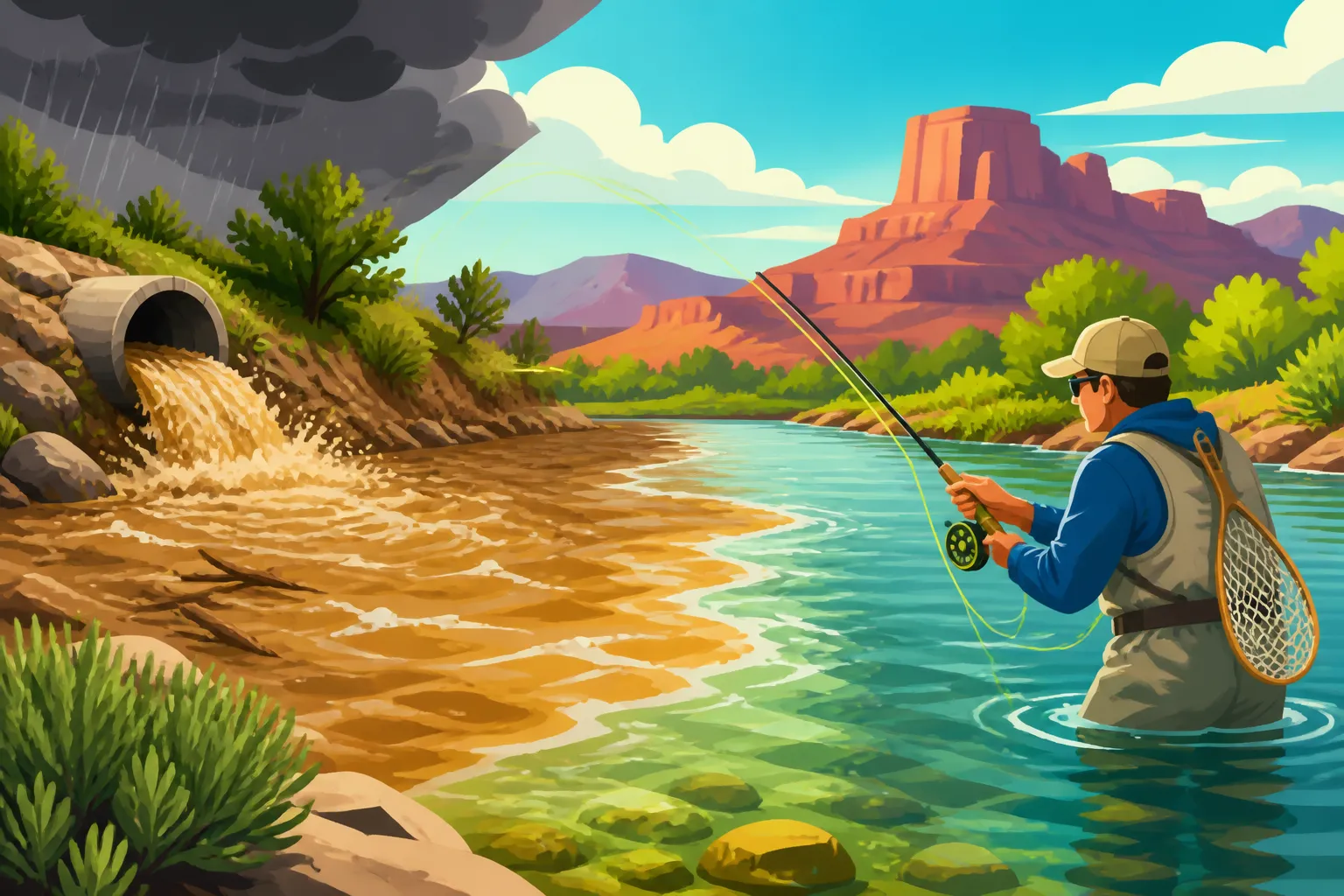
While snowmelt dominates the high country, much of central and southern New Mexico experiences runoff primarily from spring and early summer rain events. These can range from sustained, gentle rains that gradually increase flows and turbidity to intense monsoon-style thunderstorms that trigger rapid flash floods, especially in arroyos and smaller drainages. This kind of runoff can be more unpredictable and localized.
Consider areas around Albuquerque, Santa Fe, or even the Gila region. A heavy afternoon thunderstorm can turn a clear stream or an urban pond into a raging torrent in a matter of minutes. The water quickly becomes muddy, and the influx of new water can drastically alter fish behavior. Unlike snowmelt, which often has a more predictable, gradual rise and fall, rain-induced runoff can be a series of short, sharp spikes in water levels and turbidity. This makes fishing immediately after a heavy rain shower particularly challenging, as the water might still be carrying significant debris and be very unstable. However, once the immediate surge passes, these waters can clear relatively quickly, sometimes within a day or two, offering exciting fishing opportunities as the fish become more active in the receding, still-stained waters.
The Immediate Aftermath of Peak Runoff
Once the primary forces of snowmelt or heavy rain subside, the rivers and lakes enter a transitional phase. This period immediately after peak runoff can be some of the most challenging, yet also some of the most rewarding, for persistent anglers.
Dropping Water Levels and Improving Clarity
As the snowmelt diminishes or the rain stops, you'll start to notice the water levels slowly, but surely, receding. This drop in water level often signifies the beginning of improving water clarity. Sediment that was churned up during the high flows starts to settle, and the water takes on a lighter, often "stained" appearance rather than opaque mud. This transition from completely unfishable to subtly stained is the sweet spot many seasoned anglers eagerly await.
It’s a gradual process, though, so don't expect gin-clear waters overnight, especially in larger rivers. The speed of clearing depends on the river's gradient, the type of soil in its watershed, and any ongoing minor rain events. For instance, the San Juan River below Navajo Dam, while generally clearer due to its tailwater nature, can still experience periods of turbidity if its tributaries blow out. During this clearing phase, fish that were hunkered down during the peak flows often become more active, moving out of their deep holding lies to feed on the abundant food items dislodged by the receding water. This is an excellent time to try out some of the specific techniques outlined in our guide on Best Time to Fish New Mexico After Spring Runoff.
Water Temperature Fluctuations and Fish Behavior
Runoff significantly impacts water temperatures, which in turn dictate fish activity. Snowmelt-driven runoff typically means colder water, as the frigid meltwater enters the system. This can shock fish initially, making them sluggish and less inclined to chase baits aggressively. However, as the flows decrease and the sun has more time to warm the shallower areas, water temperatures will begin to stabilize and often rise.
In contrast, rain-induced runoff can sometimes warm the water, especially if the rain itself is warm, though flash floods can also introduce cooler runoff from higher elevations or rapid evaporation. The key is monitoring these temperature changes. Cold-blooded fish like trout are highly sensitive to water temperature. As the water warms to their preferred feeding range (typically 45-65°F for trout), they become much more active. Warm-water species like bass and catfish, on the other hand, might thrive in slightly warmer, muddier water where oxygen levels remain adequate and food is plentiful. Understanding these nuances can help you decide which species to target and what tactics to employ. For a deep dive into regulations, check out our New Mexico Fishing Regulations Overview to ensure you're compliant.
Targeting Fish in Post-Runoff Conditions
Fishing after runoff isn't just about waiting for the water to clear; it's about understanding how fish adapt and where they relocate. Their behavior shifts dramatically, and successful anglers adjust their strategies accordingly.
Where Fish Relocate During High Flows
When rivers are raging, fish seek refuge from the powerful currents and churning sediment. They're looking for slower water, cover, and stable feeding lanes. Prime relocation spots include:
- Eddies and Current Seams: Look for areas where the main current creates a distinct line against slower water, often behind large rocks, fallen trees, or bends in the river. Fish will sit in the slower water, waiting for food to drift by in the seam.
- Backwaters and Side Channels: These areas are often less impacted by the main flow and provide excellent sanctuaries. If the water has receded enough to make these accessible, they can be hotspots.
- Deep Pools and Structure: Larger fish, especially, will drop into the deepest parts of pools or hide behind submerged boulders and logs where the current is weakest.
- Shoreline Cover: Overhanging branches, undercut banks, and even newly flooded vegetation along the edges can provide shelter and ambush points. This is particularly true for opportunistic feeders like trout and bass.
Understanding these holding patterns is critical. Instead of casting into the main, fast-moving current, focus your efforts on the edges, pockets, and slower sections. Fish are expending less energy here, conserving their strength, and are more likely to strike if a meal presents itself easily. For those specifically targeting trout, our Trout Fishing Techniques for New Mexico article offers even more detailed advice.
Species-Specific Strategies
Different fish species react to post-runoff conditions in their own unique ways, requiring tailored approaches.
Trout (Rainbow, Brown, Cutthroat)
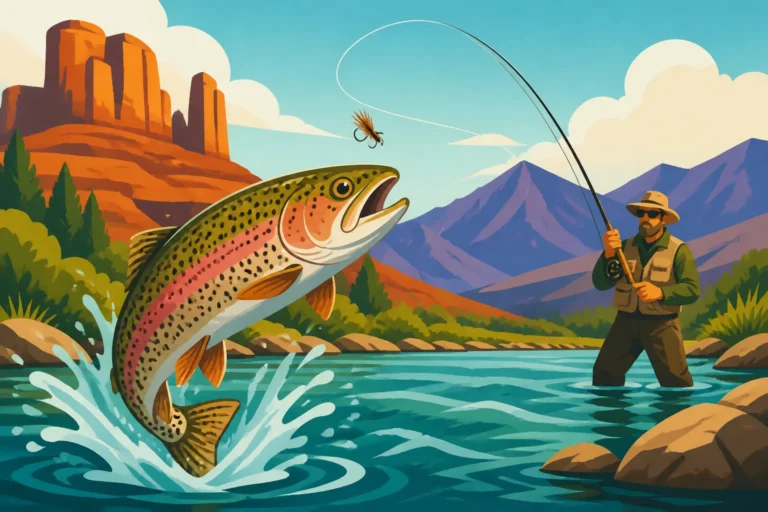
Trout in New Mexico's rivers and streams are often the most affected by runoff due to their preference for cooler, clearer water. However, when the water begins to drop and clear, they become incredibly opportunistic.
- Clarity is Key: Trout will be most active when the water clears from chocolate milk to a "tea-stained" or slightly murky condition. This provides them with cover from predators while still allowing them to see food.
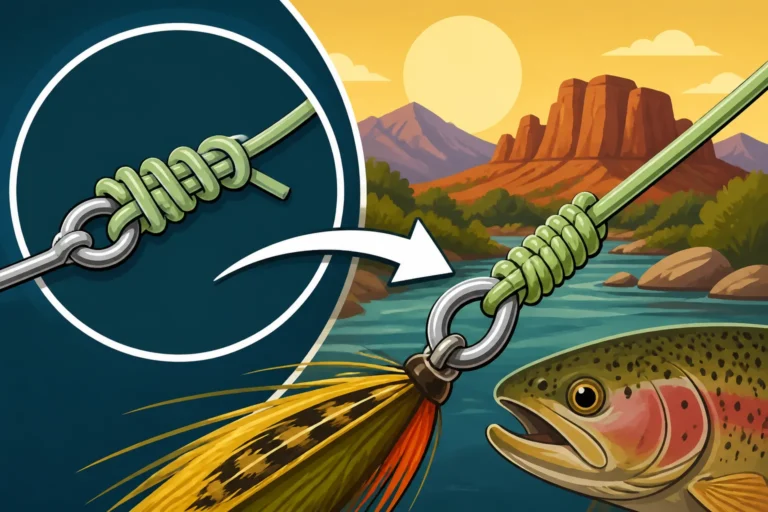
- Bait & Lures: In stained water, go bigger and brighter. San Juan Worms, Squirmy Wormies, large stonefly nymphs, or egg patterns can be highly effective because they imitate natural food sources dislodged by the high water. For spin fishermen, brighter colored Best Lures for New Mexico Trout like Rapalas in chartreuse or fire tiger, larger Roostertail spinners, or even PowerBait in strong colors (garlic scent helps!) can grab attention. Focus on getting your offering deep, near the bottom where fish are holding.
- Focus on Edges: Trout will often hug the banks, especially where there's slower water or an eddy. Target these areas with precision casts, letting your offering drift naturally into prime holding spots.
Bass (Largemouth, Smallmouth, Striped)
Bass, especially largemouth and smallmouth, often thrive in slightly murky post-runoff conditions in lakes and reservoirs. Striped bass in larger reservoirs like Elephant Butte Lake can also become more active.
- Largemouth & Smallmouth: These fish often move closer to the banks and into flooded vegetation or structure when the water rises. The murkiness provides excellent ambush cover.
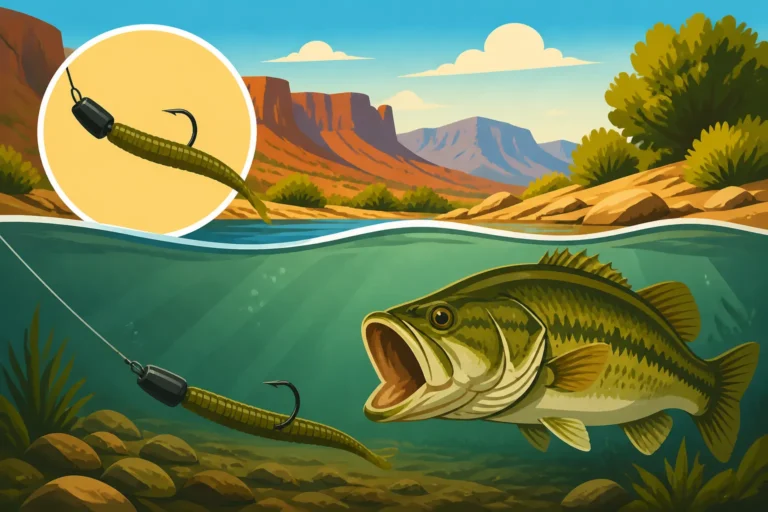
- Lures: Darker colors like black and blue jigs, creature baits, or spinnerbaits with large thumping blades can be very effective in stained water. Vibrations and scent become crucial. Squarebill crankbaits that deflect off submerged logs and rocks are also winners.
- Target Areas: Look for flooded brush, rock piles, submerged timber, or even newly submerged points and humps. If there are feeder creeks dumping into the lake, the confluence can be a hotspot as new food and slightly warmer water attract baitfish.
- Striped Bass: In places like Elephant Butte, runoff can push baitfish closer to shore or into certain coves, concentrating the stripers.
- Lures/Bait: Larger swimbaits, jerkbaits, or live bait (if allowed) can be highly effective. Watch for birds diving, which can indicate schooling baitfish and active stripers.
- Technique: Trolling or casting around prominent points, submerged islands, and areas where inflowing water creates a current can pay off handsomely.
Catfish (Channel, Flathead)
Catfish are arguably the least affected by murky, high water, and often become more active and easier to catch after runoff. They are excellent candidates for fishing in stained conditions.
- Scent is King: Catfish rely heavily on their sense of smell. The turbulent, murky water helps disperse scent trails, making natural baits incredibly effective.
- Best Baits: Stink baits, cut bait (especially from oily fish), chicken livers, and nightcrawlers are top choices. You can find many effective catfish baits available on Amazon, ready to go.
- Target Areas: Catfish will often move into newly flooded areas, along the edges of the main current, or near any inflowing feeder creeks where food is being washed in. They also like to hug structure like fallen trees or rocky banks.
- Bottom Fishing: A simple Carolina rig or three-way swivel rig, keeping your bait on the bottom, is typically the most effective presentation.
| Water Clarity Level | General Description | Recommended Lure Colors | Recommended Techniques | Target Species (Primary Focus) |
|---|---|---|---|---|
| Chocolate Milk | Opaque, visibility less than 6 inches | Bright (Chartreuse, Firetiger, Orange), Dark (Black/Blue) | Heavy Jigs, Scented Baits, Large Spinners, Bottom Fishing | Catfish, Bass |
| Heavy Stain | Murky, visibility 6-18 inches | Bright, Dark, Natural (Crawfish, Gold) | Crankbaits, Jigs, Worms, PowerBait, Streamers | Catfish, Bass, Trout |
| Slight Stain/Tea | Clearer, visibility 18-36 inches | Natural (Green Pumpkin, Brown), Some Bright | Nymphs, Dry Flies (if hatches), Smaller Spinners, Tubes | Trout, Bass, Walleye |
| Crystal Clear | Very clear, visibility 36+ inches | Natural, Subtle (Olive, Tan, Grey, Silver) | Small Nymphs, Dry Flies, Light Lures, Sight Fishing | Trout, Highly Pressured Bass |
Essential Gear and Tactics for Success
Having the right gear and employing smart tactics are crucial when fishing after runoff. These conditions demand adjustments from your typical clear-water approach.
Line and Terminal Tackle Adjustments
The turbulent and often murky waters after runoff call for some specific adjustments to your line and terminal tackle.
- Heavier Line: Strong currents can put immense strain on your line, and snagging on debris is a higher risk. Bumping up your main line by a pound or two in breaking strength can save you from lost fish and tackle. For trout fishing in rivers like the Pecos, moving from 4lb test to 6lb test monofilament or fluorocarbon might be a good idea. For bass in stained reservoirs, 10-15lb fluorocarbon or even braid can be beneficial.
- Stronger Leaders: Similarly, a slightly heavier leader is often warranted. Fish aren't as line-shy in murky water, and the extra strength will help you retrieve lures from snags or fight strong fish in current. You'll find a good selection of durable leaders and line on Amazon.
- Heavier Weights: Getting your bait or lure down to the fish in strong currents is paramount. Stock up on heavier split shot, slinky weights, or bottom-bouncing sinkers. You might need to experiment to find the perfect weight that allows your offering to tumble naturally along the bottom without getting swept away too quickly. For example, on a swollen Rio Grande, a 1/4 oz jig might be needed where a 1/8 oz would normally suffice.
- Larger Hooks: While not always necessary, consider slightly larger or stronger hooks, especially for catfish or bass, to handle potential heavier debris or stronger strikes.
Lure Selection and Presentation
Lures that excel in post-runoff conditions often prioritize vibration, profile, and color over subtle realism.
- Vibration and Sound: In murky water, fish rely more on their lateral line (which detects vibrations) than sight. Lures that produce strong vibrations, like spinnerbaits with large thumping blades, lipless crankbaits, or chatterbaits, can be incredibly effective. For trout, something like a heavier Mepps Aglia spinner can create enough flash and vibration to get noticed.
- Larger Profile: A bigger profile lure is easier for fish to see and feel in stained water. Don't be afraid to throw larger jigs, bulkier plastics, or bigger plugs than you typically would. Fish are often looking for a substantial meal after the lean times of high water.
- High-Contrast Colors: As noted in the table above, bright, high-contrast colors (chartreuse, orange, firetiger, dark black/blue) stand out best in stained water. These aren't necessarily "natural" colors but are easily perceived.
- Slow Presentation: Even though the current might be fast, fish are often holding in slower water and might be hesitant to chase a fast-moving lure. A slower, more deliberate retrieve allows them more time to locate and strike your offering. Jigging slowly along the bottom, or letting a weighted fly or bait drift naturally, can be highly effective. For more general advice on fishing techniques, check out New Mexico Fishing by Season.
Reading the Water and Safety
Reading the water after runoff is a vital skill that helps you locate fish and stay safe.
- Current Seams and Eddies: As mentioned, these are prime holding spots. Look for distinct lines where fast water meets slow, often marked by foam or debris collecting on the surface.
- Obstructions: Large rocks, fallen trees, bridge pilings, and culverts all create current breaks downstream. Fish will stack up behind these for shelter.
- Depth Changes: As water levels drop, formerly submerged structure might become visible or identifiable. Fish will often relate to these depth changes.
- Safety First: High, fast water is dangerous. Always wear a PFD (personal flotation device) if wading or boating. Be aware of slippery banks and unstable footing. Never wade into water that's above your knees or where the current feels too strong to maintain your balance. Checking current conditions through USGS or local New Mexico Department of Game and Fish (NMDGF) reports is essential. Our article on Checking River Flow Before Fishing the San Juan offers a detailed approach to this.
Navigating Specific New Mexico Waters After Runoff
New Mexico's diverse water bodies react differently to runoff, requiring a localized approach. Understanding these differences can significantly improve your post-runoff success.
Rivers and Streams in Northern New Mexico
The mountain rivers and streams of northern New Mexico, such as the upper Rio Grande, the Pecos River, and the various tributaries of the San Juan River system (excluding the tailwater), are most heavily impacted by snowmelt.
- Timing is Everything: The peak of runoff typically occurs from mid-May to early June. The best fishing often begins as the flows drop and the water starts to clear, usually from mid-June onwards. You'll want to keep an eye on snowpack reports and stream gauges. For instance, the section of the Rio Grande Gorge is often unfishable during peak runoff due to extreme flows, but once it drops and begins to clear, the fishing can be exceptional for brown trout and rainbow trout.
- Access Challenges: High water can make access points difficult or even dangerous. Roads might be washed out, and trails along the riverbanks can be muddy and slippery. Always prioritize safety and be prepared for less accessible conditions.
- Food Availability: As the water recedes, natural food sources like nymphs, worms, and small baitfish become dislodged and more available. This leads to very aggressive feeding by trout that have been conserving energy. This is a great time to use larger, gaudier fly patterns like a Woolly Bugger or Prince Nymph, or larger inline spinners if using spin gear. You can often find a good array of these patterns on Amazon.
- Specific Spots: Focus on slower runs, eddies behind large boulders, and the insides of river bends where the current is less severe. Tributary mouths, where clearer water might be entering the main river, can also be hot zones. Our general guide on Best Places to Fish in New Mexico can help you find suitable locations.
Tailwaters and Reservoirs
Tailwaters like the San Juan River below Navajo Dam, and large reservoirs such as Elephant Butte Lake, Navajo Lake, and Conchas Lake, have different post-runoff dynamics compared to free-flowing rivers.
Tailwaters: San Juan River Quality Waters
The San Juan River's Quality Waters, being a tailwater fishery, is largely insulated from direct snowmelt runoff from the main river. The release from Navajo Dam controls its flow and temperature. However, significant rain events in the lower sections of the river or its tributaries can introduce turbidity.
- Dam Control: Because the flows are controlled by Navajo Dam, the San Juan often remains fishable even when other rivers are raging. However, dam releases can fluctuate, and higher releases will increase current speed. Always check the river flow reports for the San Juan (see Checking River Flow Before Fishing the San Juan) before heading out.
- Tributary Impact: The primary concern for clarity on the San Juan comes from its tributaries, like the Pine River or other washes downstream of the dam, especially after heavy rains. If these blow out, they can introduce mud into sections of the Quality Waters.
- Tactics: Even with slightly off-color water, the San Juan's legendary trout can be caught. Nymphing with heavier split shot and larger, brighter flies (like hot pink San Juan Worms, larger egg patterns, or even brightly colored midge larvae) can be effective. Streamers can also be deadly when trout are actively hunting in stained water.
- Regulations: Always remember the New Mexico Special Trout Water Rules that apply to the San Juan Quality Waters, particularly regarding barbless hooks and artificial flies/lures.
Reservoirs: Elephant Butte, Navajo Lake, Conchas Lake
Large reservoirs often become the most reliable fisheries during and immediately after heavy runoff, especially for warm-water species. The vastness of the water body helps to dilute incoming sediment, and the influx of fresh water often stimulates fish activity.
- Elephant Butte Lake: The largest lake in New Mexico, Elephant Butte is fed by the Rio Grande. During and after runoff, the Rio Grande can bring a significant amount of muddy water into the lake.
- Striped Bass & Catfish: These species often thrive in the stained water, moving into areas where the incoming flow concentrates baitfish and washes in food. Look for the "mud line" where the dirty water meets cleaner water; this transition zone can be highly productive.
- Crappie & Walleye: These fish might move to deeper, clearer water initially, but as the lake settles, they'll often become active around submerged structure and points.
- Navajo Lake: While fed by the San Juan River, its large size and canyon structure help it manage runoff well. Kokanee salmon and various trout species, along with bass and pike, reside here.
- Kokanee & Trout: These species might move slightly deeper to find cooler, clearer water. Trolling can be effective, but watch for areas where clearer water persists, particularly in deeper coves.
- Bass & Pike: These predators will often be found around submerged timber and rocky points, taking advantage of any dislodged baitfish.
- Conchas Lake: Located on the Canadian River, Conchas is known for its walleye, bass, and crappie. Runoff here can come from spring rains and snowmelt from upstream areas.
- Walleye & Crappie: These species will often follow baitfish into shallower, newly inundated areas or hug structure like submerged trees and rock beds as the lake stabilizes after an influx of water. Jigs and crankbaits that mimic baitfish are excellent choices.
- General Reservoir Advice: Pay attention to feeder creeks or river mouths. These areas are often highly productive after runoff, as they carry new food, nutrients, and often attract baitfish, which in turn attract predators. Focus on structure, points, and coves rather than wide-open water. You'll likely need Best Fishing Gear for New Mexico Anglers that can handle varied conditions.
Safety Considerations and Environmental Awareness
Fishing after runoff isn't just about technique; it's also about staying safe and being a responsible steward of New Mexico's precious water resources.
High Water Hazards
Runoff can create dangerous conditions that even experienced anglers can underestimate. Ignoring these hazards can lead to serious accidents.
- Strong Currents: Even seemingly calm water near the bank can have powerful undertows. A fast current can sweep you off your feet in surprisingly shallow water. Always test the current with a wading staff or stick before stepping in. Never wade alone in high water.
- Unstable Banks: Eroding banks are common during high flows. What looks like solid ground might be undercut and collapse without warning. Stick to established paths or areas with stable ground.
- Debris: High water carries a lot of debris – logs, branches, trash, and even larger items. This debris can pose a physical hazard, damage your gear, or make navigation dangerous if you're boating. Always be vigilant for floating debris.
- Cold Water Immersion: Snowmelt runoff is often frigid. Falling into cold water can quickly lead to hypothermia, even on a warm day. Always wear appropriate layers and consider a dry suit or waders with proper thermal underwear if you plan to wade in cold, fast-moving water. A personal flotation device (PFD) is non-negotiable if you are wading in anything but the calmest, shallowest water, or if you are boating.
Respecting the Environment and Fish
As anglers, we have a responsibility to protect the very resources that bring us joy. Post-runoff periods can be particularly sensitive times for fish and their habitat.
- Avoid Spawning Beds: While less of an issue in late spring runoff, be aware of potential spawning beds in smaller streams if runoff extends into early summer. Disturbing these areas can have long-term impacts on fish populations.
- Catch and Release Best Practices: Fish can be stressed during high water, either from fighting the current or from fluctuating conditions. If you're practicing catch and release, handle fish minimally, keep them in the water as much as possible, and use Barbless Hook Fishing Technique for New Mexico Rivers to minimize injury. Make sure they are fully revived before releasing them. This is especially important for native species like the Rio Grande Cutthroat Trout.
- Leave No Trace: High water can expose more litter and debris. If you see trash, pack it out, even if it's not yours. Always leave the area cleaner than you found it. Respect private property and stay on public access points.
- Be Aware of Regulations: Runoff conditions or fish spawning events can sometimes trigger special closures or restrictions. Always consult the latest New Mexico Department of Game and Fish (NMDGF) regulations booklet or website before you go. For more specific details, see our comprehensive New Mexico Fishing Regulations Overview.
By understanding the unique challenges and opportunities that New Mexico's post-runoff conditions present, and by prioritizing safety and environmental stewardship, you can turn what might initially seem like a frustrating situation into some of the most memorable and successful fishing trips of the year. It's a time of change, but with the right approach, it's a change for the better.
Disclaimer
Fishing conditions can change rapidly. Always consult the latest regulations from the New Mexico Department of Game and Fish and check local weather and water conditions before heading out. Safety should always be your top priority when enjoying New Mexico's beautiful waters.