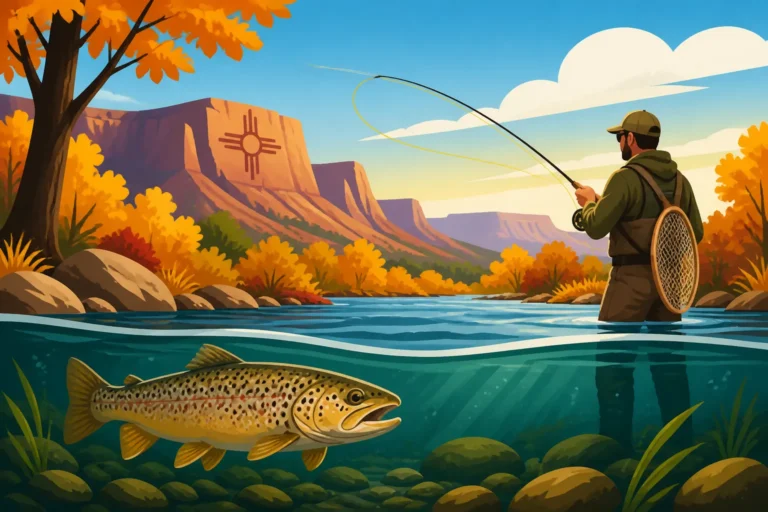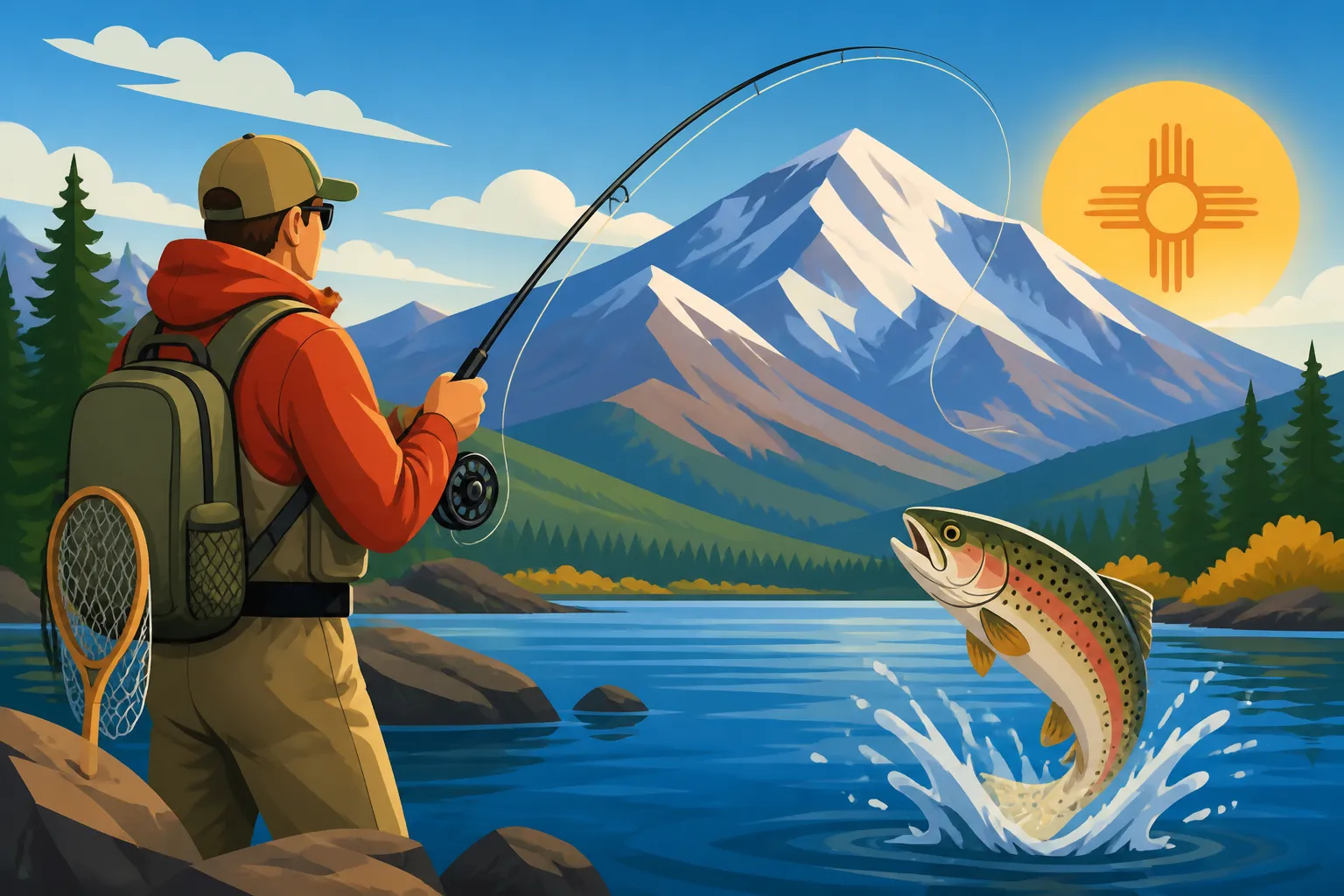
High Altitude Fishing Tips for New Mexico
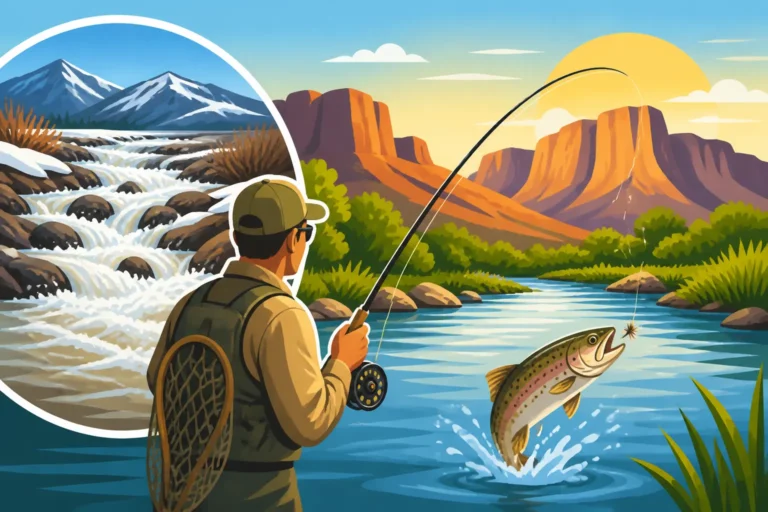
Heading into New Mexico's high country for a fishing trip can feel like a totally different ballgame compared to hitting the lower-elevation lakes or rivers. The thin air, the fickle mountain weather that can change from sunny to snowing in an hour, and the sheer physical effort required to reach those pristine alpine lakes and streams can definitely be daunting. It’s easy to feel overwhelmed, wondering if your usual tactics will even work when the fish are living in such a unique environment. This guide is all about equipping you with the practical, real-world advice you need to not just survive but thrive when fishing at high altitudes in New Mexico, turning those challenges into triumphs.
Understanding the High-Altitude Environment
Fishing high in the mountains of New Mexico means stepping into an ecosystem with its own set of rules. The conditions above 7,000 feet, and especially above 9,000 or 10,000 feet, are vastly different from the lower valleys. Understanding these fundamental differences is the first step toward a successful and safe trip. It’s not just about what gear you bring, but how you perceive and adapt to the environment around you.
Thinner Air and Sun Exposure
One of the most immediate and often underestimated challenges of high-altitude fishing is the thinner air. With less oxygen, every physical exertion feels amplified, and even a short hike to a secluded stream can leave you winded. It’s crucial to pace yourself, stay hydrated, and recognize the signs of altitude sickness, which can quickly turn a dream trip into a nightmare. Many anglers, especially those visiting from lower elevations, find they need to take more breaks and drink more water than they would typically.
Beyond the breathing, the sun exposure at higher elevations is significantly more intense. With less atmosphere to filter UV rays, your skin and eyes are at a higher risk of damage. This isn't just about getting a sunburn; prolonged exposure can lead to severe eye strain and even snow blindness if you're out on a bright, reflective surface like a snowfield or open lake without proper protection. Think wide-brimmed hats, high SPF sunscreen, and quality polarized sunglasses as non-negotiables.
The combination of thinner air and intense sun also impacts how you feel dehydration. You might not realize how much moisture you're losing through increased respiration and perspiration. This is why hydration is paramount, not just for your physical well-being but also for maintaining focus and judgment, which are essential when navigating tricky terrain or battling a feisty trout.
Water Temperature and Oxygen Levels
The water in high mountain lakes and streams is typically much colder than at lower elevations, even during the peak of summer. This is due to several factors: snowmelt feeding these systems, cooler ambient air temperatures, and often, significant depth in the lakes which allows cold water to persist. These colder temperatures have a direct impact on the fish and their metabolism. Trout Species in New Mexico are often the dominant fish in these environments, precisely because they are cold-water species.
Colder water holds more dissolved oxygen, which is generally a good thing for fish health. However, extreme cold can make fish less active, reducing their feeding windows. As summer progresses and water temperatures slowly rise in shallower areas or smaller streams, fish can become more active, but always within their preferred thermal range. Understanding these subtle shifts is key to knowing when and where to present your offerings.
In some shallow, slow-moving sections of high-altitude streams or ponds, intense summer sun can actually warm the water enough to stress trout, pushing them into deeper pools or shaded areas. Conversely, rapid snowmelt during spring runoff can dramatically cool water, making fishing challenging until temperatures stabilize. Monitoring water temperatures, if possible, can give you a significant edge in these environments.
Unpredictable Weather Patterns
If there's one thing you can count on in the New Mexico high country, it's that the weather is unpredictable. Sunny, calm mornings can quickly give way to afternoon thunderstorms, hail, or even unexpected snow showers, even in July or August. These sudden changes can be dangerous, especially if you're far from shelter. Being prepared for all four seasons in a single day is not an exaggeration.
Rapid weather shifts directly impact fish behavior. A sudden drop in barometric pressure before a storm can trigger a feeding frenzy, while the storm itself might shut down the bite completely. Wind, a common feature in open mountain terrain, can make casting difficult and drive fish deeper. Rain or hail can cloud water, reducing visibility for both angler and fish.
Always check the forecast before heading out, but understand that mountain forecasts are notoriously unreliable for exact timing. Pack rain gear, extra layers, and have a plan for seeking shelter. Getting caught unprepared in a severe mountain storm, especially above the tree line, can be life-threatening. Staying safe means constantly observing the sky and being ready to adapt your plans at a moment's notice.
Locating Fish in High Mountain Lakes and Streams
Finding fish in the vastness of New Mexico's high mountain waters can feel like searching for a needle in a haystack. Unlike lower elevation systems where fish might be more evenly distributed, trout in alpine environments are often concentrated in specific areas that offer them optimal conditions for feeding, shelter, and comfort. Learning to "read the water" in these unique settings is a crucial skill.
Reading High Mountain Lakes
High mountain lakes, often glacially carved, can be incredibly deep and clear, making fish difficult to spot and even harder to locate consistently. When approaching a high-altitude lake, start by looking for structure. This could include submerged rock piles, fallen timber, abrupt drop-offs, or even areas where feeder streams enter, bringing in cooler, oxygenated water and potential food sources. Highest-Elevation Trout Lakes in New Mexico often boast these features.
During different times of the day, fish might shift their positions. Early mornings and late evenings often see trout cruising shallower water near the shoreline, feeding on insects or small baitfish. As the sun climbs higher, they tend to retreat to deeper, cooler water, or seek refuge under shaded banks or submerged structures. Understanding these daily movements is key to presenting your lure or fly at the right depth.
Consider the prevailing wind, too. Wind can push food items, like terrestrial insects, to one side of the lake, creating a "current" and concentrating fish on the downwind side. Additionally, in clear mountain lakes, fish can be spooky. Approach the water slowly, minimize sudden movements, and consider longer casts to avoid alerting wary trout to your presence. Observing insect activity, such as hatches on the surface, is also a vital clue to where trout might be feeding.
Identifying Productive Stream Sections
High mountain streams in New Mexico are often characterized by swift currents, numerous riffles, deep pools, and rocky bottoms. Trout in these streams, primarily relying on current for food delivery, will position themselves in "holding lies" where they can expend minimal energy while waiting for food to drift by. These spots are often behind large rocks, in the slower water on the inside bends of curves, or at the head and tail of deep pools.
Look for areas with varying current speeds. Seams where fast water meets slow water are prime feeding lanes. Undercut banks provide excellent cover and ambush points for trout, as do plunge pools below small waterfalls or cascades. Focus your efforts on these features, making sure your presentation drifts naturally through these high-probability zones.
Also, pay attention to surrounding vegetation. Overhanging branches provide shade and drop terrestrial insects into the water, while dense growth along the banks can indicate deeper, more stable water. If you're wading, move slowly and deliberately, disturbing the water as little as possible. Often, the best fish are found in the first few casts into an undisturbed pool.
Seasonal Movements and Depths
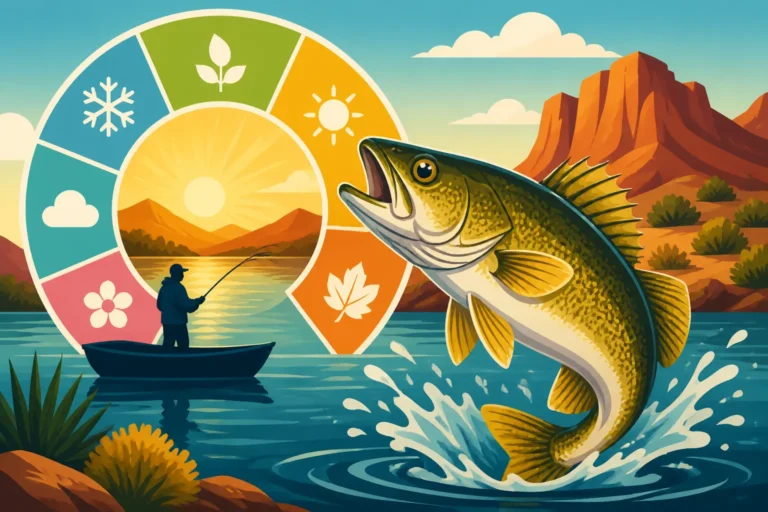
The seasonal changes in high-altitude environments dramatically influence fish behavior and location. In early summer, just after the ice melts, trout might still be somewhat lethargic, found closer to the bottom of lakes or in deeper, slower parts of streams. They are often concentrated near inlets where snowmelt brings in fresh oxygen and food. For these conditions, you might want to read our guide on When Do New Mexico's High Lakes Thaw Out?.
As mid-summer arrives and water temperatures stabilize, fish become much more active. In lakes, they'll move more freely, often following baitfish or insect hatches. In streams, they'll spread out to various holding lies, becoming more opportunistic feeders. This is often the prime time for dry fly fishing as insects become more abundant on the surface.
By late summer and early fall, as temperatures begin to drop, trout in lakes might start to school up and feed aggressively in preparation for winter. In streams, they might consolidate into larger, deeper pools. This period can offer some of the best fishing, but also signals that the weather can turn quickly. Understanding the general New Mexico Fishing Season Calendar will help you anticipate these shifts.
Essential Gear for High Altitude Anglers
Venturing into New Mexico's high country requires a specific approach to gear. It’s not just about having the right rod and reel; it’s about being prepared for the environment itself. The gear you choose can make the difference between a memorable fishing trip and a miserable one, or even a dangerous one. Durability, versatility, and weight are all key considerations.
Rods, Reels, and Line Choices
For high-altitude trout fishing, versatility is key. Many anglers prefer a medium-light to medium action spinning rod, typically 6 to 7.5 feet in length. This allows for comfortable casting with lighter lures or bait, yet still has enough backbone to handle a larger trout if you hook into one. Pair this with a reliable spinning reel in the 1000 to 2500 size range, spooled with 4 to 6 lb test monofilament or fluorocarbon line. Fluorocarbon is especially good in clear mountain waters due to its low visibility.
Fly anglers often opt for a 3- to 5-weight fly rod, 7.5 to 9 feet long. A lighter rod provides a more delicate presentation, which is often necessary for spooky mountain trout, especially when casting small dry flies or nymphs. A weight-forward floating line is standard, with a tapered leader (7.5 to 9 feet) terminating in 4x-6x tippet, depending on fly size and water clarity. Having an extra spool with sinking line can be useful for targeting deeper fish in lakes. For more specific fly fishing setups, check out Fly Fishing Techniques for New Mexico Rivers.
Consider also a small, collapsible landing net, preferably one with a rubber mesh. This is gentler on the fish if you plan on practicing catch and release, helping to protect their slime coat and fins. Make sure your gear is robust enough to handle potential bumps and scrapes that come with hiking through rugged terrain.
Clothing and Layering Strategies
This is arguably the most critical aspect of high-altitude preparation. The weather can be incredibly volatile, so layering is paramount. Start with a moisture-wicking base layer (synthetic or wool) to manage sweat. Over that, a mid-layer for insulation – a fleece jacket or a lightweight down jacket works well. Your outer shell should be waterproof and windproof, capable of protecting you from sudden rain, hail, or snow, as well as biting winds.
Pants should be durable, quick-drying, and comfortable for hiking. Avoid cotton, as it absorbs moisture and stays wet, rapidly drawing heat away from your body. Footwear is also essential: sturdy, waterproof hiking boots with good ankle support are a must for navigating uneven terrain and wet conditions. If you plan on wading, lightweight waders or quick-drying shorts with wading boots will be necessary, even if the water is frigid.
Don't forget accessories: a wide-brimmed hat for sun protection, a warm beanie or wool cap for cold mornings or evenings, and lightweight gloves. Even in summer, a pair of insulating gloves can be a lifesaver if temperatures plummet or a cold rain starts. Think of your clothing as a system designed to adapt to a wide range of conditions, and remember that it’s always better to have an extra layer you don't use than to be caught shivering. You can find many excellent layering options on Amazon, making it easy to build out your system.
Navigation and Safety Equipment
Beyond your fishing tackle, certain safety and navigation items are non-negotiable for high-altitude excursions. A reliable map and compass, along with the knowledge of how to use them, are essential, even if you rely on GPS. Batteries die, signals drop, and sometimes good old-fashioned navigation is your only recourse. A fully charged power bank for your phone or GPS device is also a smart addition.
A first-aid kit, tailored for outdoor adventures, should always be in your pack. Include items for blisters, cuts, insect bites, and any personal medications. A headlamp or flashlight, with extra batteries, is crucial for early morning starts or unexpected delays that leave you hiking in the dark. You can easily pick up a reliable, waterproof headlamp on Amazon before your trip.
Lastly, carry enough water for the duration of your trip, or a reliable water filter/purifier if you plan to refill from streams. Emergency rations, such as high-energy bars, are also a wise precaution. Let someone know your itinerary and expected return time. The high country is beautiful, but it demands respect and thorough preparation. You can find quality hiking backpacks and emergency whistles, among other essential safety items, readily available on Amazon.
Effective Techniques for High Altitude Trout
Once you've geared up and understood the environment, it's time to focus on how to actually catch those elusive high-altitude trout. Whether you prefer the finesse of fly fishing, the straightforwardness of spin casting, or the simplicity of bait, there are specific techniques that will improve your success rate in these challenging waters.
Fly Fishing Approaches
Fly fishing is incredibly popular in New Mexico's high mountain streams and lakes, offering a truly immersive experience. Nymphing is often the most productive technique in streams, imitating the aquatic insects that make up a large portion of a trout's diet. A "dry-dropper" rig, featuring a buoyant dry fly on the surface with a weighted nymph tied below it, is a versatile setup, allowing you to cover both surface and subsurface activity simultaneously. Learn more about effective presentations in our guide on Fly Fishing Techniques for New Mexico Rivers.
When trout are actively rising, dry fly fishing can be incredibly rewarding. Look for evidence of hatches – mayflies, caddis, or even grasshoppers in late summer – and try to match the size and color of the naturals. A careful, delicate presentation is key to avoiding spooking fish in clear water. For specific fly patterns, you might want to consider flies that imitate midges, tiny mayflies, or small stoneflies, as these are common in alpine environments.
In high-altitude lakes, stripping streamers or leeches can be effective, especially for larger, more aggressive trout. Suspending nymphs or small chironomids under an indicator can also produce results when fish are cruising deeper water. Pay attention to wind direction; sometimes casting into the wind allows your fly to naturally drift back towards you, mimicking a dead drift.
Spin Fishing Strategies
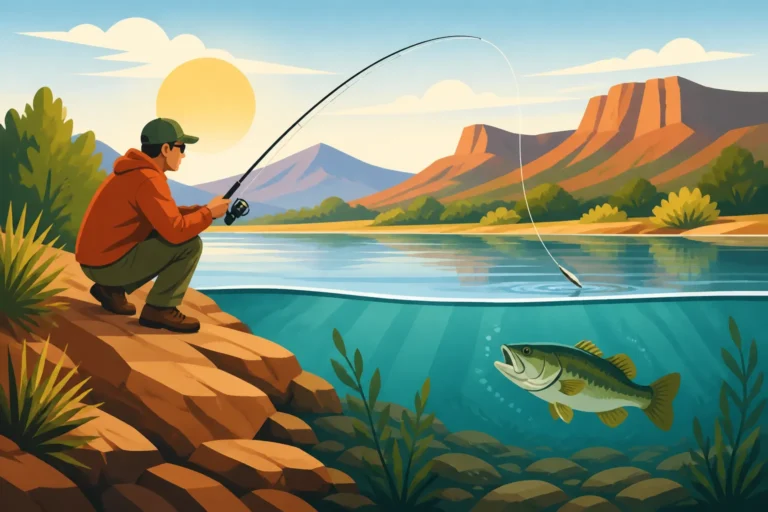
Spin fishing offers a practical and often very effective way to target high-altitude trout, especially for those who prefer conventional tackle or are new to fly fishing. Small inline spinners, such as Panther Martins, Mepps, or Rooster Tails, are perennial favorites. Their flash and vibration are irresistible to hungry trout. Experiment with different colors and blade sizes, but generally, silver, gold, and brass blades with black, white, or yellow dressings work well. Our guide on Best Lures for New Mexico Trout provides more options.
Small spoons, like Kastmasters or Daredevils, are also excellent choices, particularly in lakes where you need to cast a good distance or get down to deeper fish. Their wobbling action on the retrieve mimics injured baitfish. For streams, small jigs tipped with a grub or a piece of Gulp! bait can be incredibly effective when bounced along the bottom of pools and runs.
Retrieve speed is critical. Often, a slow, steady retrieve is best, allowing the lure's action to work its magic. In colder water, fish metabolisms are slower, so a slower presentation might be more appealing. In faster currents, you may need a slightly faster retrieve to keep your lure from getting swept away or snagging the bottom. Always cast upstream and allow your lure to drift naturally downstream, retrieving as it passes through prime holding water.
Bait Fishing Considerations
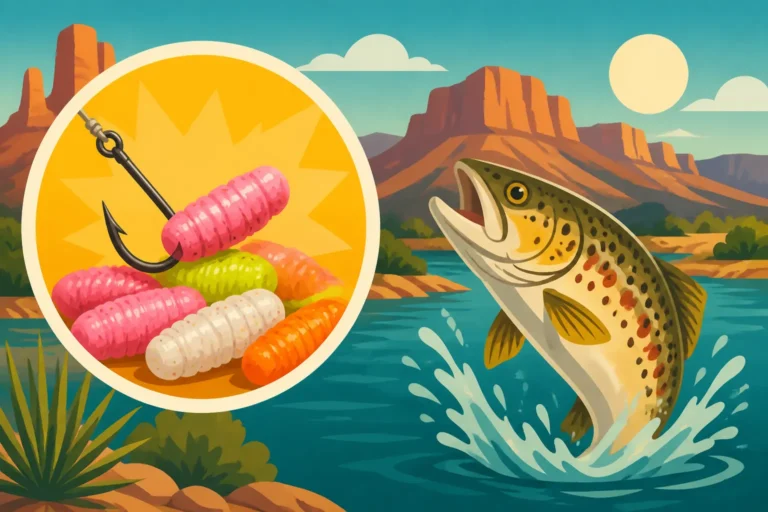
While some high-altitude waters in New Mexico might have restrictions against live bait or specific types of bait (always check the New Mexico Fishing Regulations Overview), bait fishing can be incredibly effective, especially for stocked trout or those less selective. Common baits include PowerBait (in various colors and forms), small worms, or corn (where legal).
When using PowerBait in lakes, a popular setup involves a small treble hook with a pea-sized ball of PowerBait, fished off the bottom with a sliding sinker and a leader of 12-24 inches. The PowerBait floats, suspending the bait just above the bottom, making it easily visible to cruising trout. This is especially effective when fishing from shore or a stationary boat.
In streams, a small piece of worm drifted naturally through pools and runs, often with a split shot or two crimped above it to get it down to the fish, can be deadly. The natural scent and action of real bait can often entice bites when artificial lures are ignored. Remember to use only what's permitted in the specific body of water you're fishing, as regulations can vary significantly, particularly in sensitive trout habitats.
Seasonal Considerations for High Country Fishing
Timing your high-altitude fishing trip to New Mexico is almost as important as your technique. Each season presents unique challenges and opportunities, dictating everything from fish behavior to accessibility. Understanding these seasonal shifts will help you plan your adventure and increase your chances of success.
Early Summer Post-Thaw Tactics
Early summer, typically late May through early July, is when the high-country lakes and streams begin to thaw and become accessible. This period, often called "runoff season" in streams, can be challenging due to high, fast, and often murky water from melting snow. However, it's also a time of renewed activity as fish shake off winter sluggishness. You might find our article on How to Fish High Mountain Lakes in Summer helpful.
In lakes, after the ice recedes, trout will often be found in shallower bays and near inlets, where warmer water and new food sources are more prevalent. They might be eager to feed after a long winter. Consider using streamers or nymphs that imitate aquatic insects or small leeches. In streams, target slower, clearer eddies, current seams, and the calm water behind large obstructions. Fish will hold in these areas to escape the main current and ambush food.
The key to early summer success is patience and adapting to changing water conditions. If a stream is too high and muddy, look for a lake that might have clearer, more stable water. If you're targeting streams, focus on the edges and slower pockets, using heavier nymphs or small jigs to get your offering down quickly in the faster flows.
Mid-Summer Peak Season Approaches
Mid-summer, from July through August, is generally considered the prime time for high-altitude fishing in New Mexico. The snowmelt has usually subsided, stream flows are more stable, and water temperatures are optimal for trout activity. Terrestrial insects like grasshoppers and ants become a significant food source, leading to exciting dry fly action.
Lakes offer excellent fishing during this period, with fish spread throughout the water column. Early mornings and late evenings often see trout feeding on the surface near shore, while during the brighter parts of the day, they might move to deeper water, making trolling or deep nymphing more effective. Look for insect hatches on the surface; if you see rising fish, that’s your cue to switch to dry flies.
Streams during mid-summer are usually clear, making sight fishing a real possibility. Focus on classic trout lies: riffles, runs, pools, and undercut banks. A combination of dry flies and nymphs, or small spinners, can be incredibly productive. This is also the best time for backpacking into more remote high-mountain lakes, as trails are typically clear of snow.
Fall Fishing Before Freeze-Up
Fall, usually September through October, offers some of the most spectacular high-country fishing, often with fewer crowds and stunning foliage. As air and water temperatures begin to drop, trout become increasingly active, feeding aggressively to build up reserves for winter. This can be a fantastic time to target larger fish.
In lakes, trout will often move into shallower water as the lake "turns over" and water temperatures become more uniform. They will be actively chasing baitfish and larger insect patterns. Streamer fishing can be particularly effective during the fall, as fish are looking for a substantial meal. In streams, fish will begin to consolidate into deeper pools and runs, often becoming less wary as winter approaches.
The challenge in fall is the rapidly changing weather. Days can be beautiful and mild, but nights are often freezing, and sudden snowstorms are common. Layering and being prepared for winter conditions are absolutely essential. Access to some high-altitude areas might begin to close as the first significant snows hit, so always check road conditions and forecasts before heading out. Our guide on Best Time of Year to Fish in New Mexico provides a detailed overview.
Conservation and Best Practices
New Mexico's high mountain fisheries are incredibly precious and often fragile ecosystems. As anglers, we have a responsibility to protect these wild places and ensure they remain vibrant for future generations. Practicing sound conservation ethics isn't just a suggestion; it's a critical part of the high-altitude fishing experience.
Catch and Release Ethics
Many of New Mexico's high-altitude waters are managed as catch-and-release or have very restrictive harvest limits for good reason. Trout in these environments often grow slowly and reproduce at a slower rate due to the harsh conditions. Practicing proper catch and release is vital for sustaining healthy fish populations.
Always handle fish as little as possible. Keep them in the water if you can, especially for photography. If you must remove a fish from the water, do so quickly, with wet hands, and support its full body weight. Use a rubber-mesh landing net, which is much less damaging to a fish's protective slime coat and fins than nylon nets. For more detailed instructions, refer to our article on Catch and Release Best Practices in New Mexico.
Use barbless hooks or crimp down the barbs on your hooks. This makes hook removal much easier and causes less trauma to the fish. When releasing a fish, hold it gently in the water, facing upstream, until it regains its strength and swims away on its own. Avoid tossing fish back into the water, as this can cause internal injuries.
Leave No Trace Principles
The "Leave No Trace" philosophy is paramount in wilderness areas, and especially so in high-altitude environments where impact can last for decades. This means packing out everything you pack in, including all trash, food scraps, and fishing line. Even biodegradable items can take a long time to decompose in cold mountain conditions and can attract wildlife.
Stay on designated trails whenever possible to minimize erosion and protect delicate alpine vegetation. If you must go off-trail, walk on durable surfaces like rock or established game trails. When camping, use existing campsites or camp at least 200 feet from water sources and trails.
Dispose of human waste properly. Dig a cat hole 6-8 inches deep and at least 200 feet from water, trails, and campsites. Bury the waste and pack out all toilet paper. These practices might seem minor, but collectively, they significantly reduce human impact on pristine wilderness areas.
Respecting Wildlife and Fellow Anglers
High-altitude environments are home to a diverse array of wildlife, including elk, deer, bighorn sheep, and even bears. Always maintain a respectful distance from wildlife, and never feed them. Secure your food and scented items, especially if camping, to prevent attracting bears and other animals. Make noise when hiking through dense vegetation to avoid surprising wildlife.
Sharing these beautiful places with others is part of the experience. Respect fellow anglers by giving them plenty of space, especially if they are already fishing a particular spot. Avoid loud noises or casting over their lines. If you see someone struggling, offer assistance. A little courtesy goes a long way in making everyone's outdoor experience more enjoyable.
Remember that you are a visitor in these wild spaces. Treat the land, its inhabitants, and your fellow outdoor enthusiasts with respect. By following these conservation and ethical guidelines, you help preserve the magic of New Mexico's high-altitude fishing for years to come.
Disclaimer
The information provided in this guide is for general informational purposes only and should not be considered legal advice. Fishing regulations, license requirements, and safety guidelines can change. Always consult the official New Mexico Department of Game and Fish website or current regulations booklet before planning any fishing trip to ensure compliance with all applicable laws and to stay informed about current conditions and restrictions. Prioritize safety and be aware of your surroundings when engaging in outdoor activities.