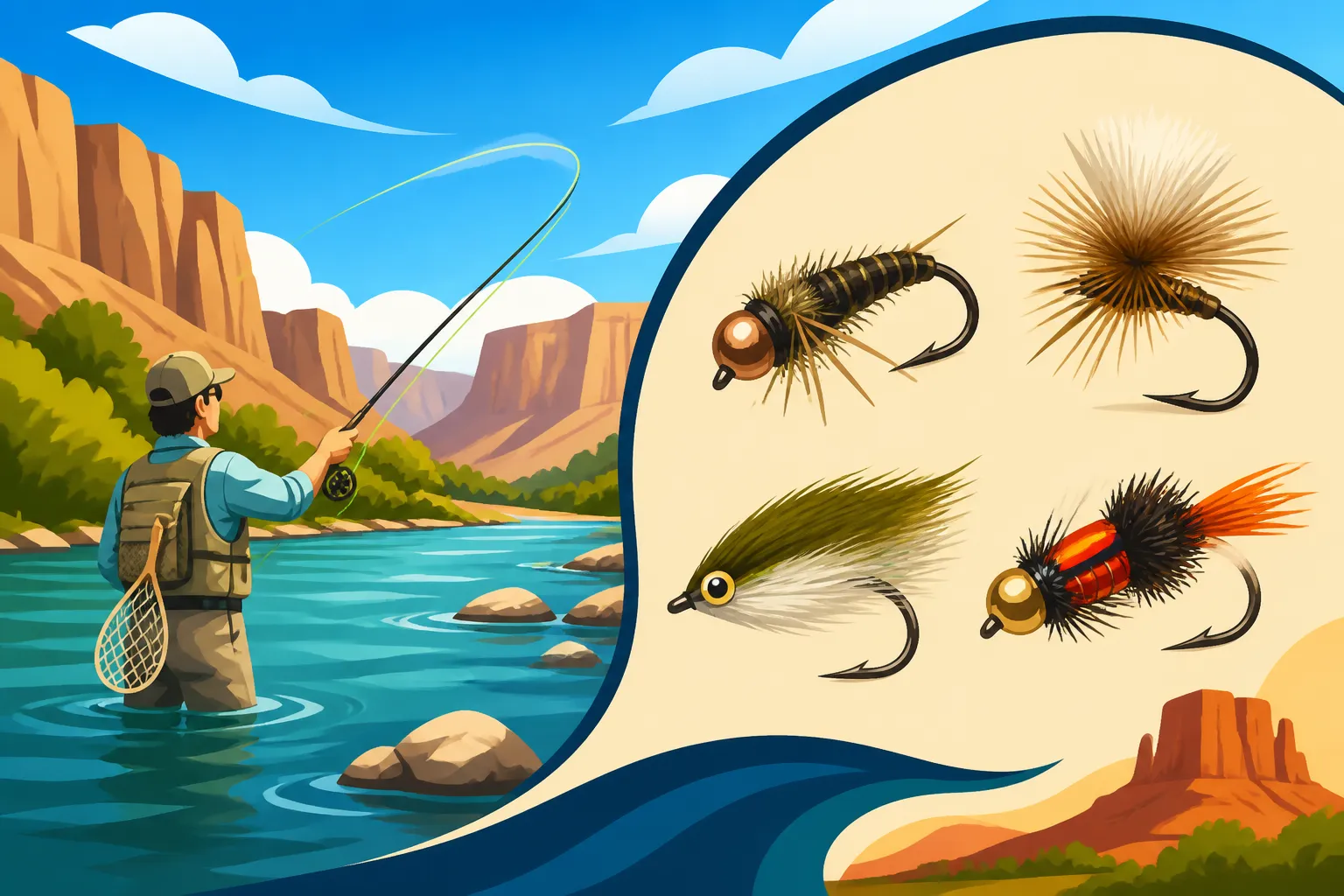
What Flies Work Best on the San Juan River in Summer?
If you've ever stood on the banks of New Mexico's legendary San Juan River in the summer, fly box in hand, feeling a bit lost amidst the sheer volume of tiny trout food, you're not alone. The San Juan is an incredible fishery, but deciphering what those incredibly educated trout are keyed into when the sun is high and water flows are consistent can be a real head-scratcher. This guide is here to demystify summer fly selection, offering the precise patterns and strategies you'll need to fool those savvy San Juan trout during the warmer months.
Understanding the San Juan River's Summer Character
The San Juan River, particularly the famous "Quality Waters" section below Navajo Dam, is a unique beast. Unlike many freestone rivers that warm up considerably and experience lower flows in summer, the San Juan's tailwater nature provides a consistent, cold water discharge from the depths of Navajo Lake. This means stable temperatures and excellent aquatic insect life year-round, but summer still brings its own distinct challenges and opportunities.
Typical Summer Conditions and Water Flows
Even though the San Juan stays cool, summer can mean clearer, lower water conditions once the spring runoff has fully subsided. This clarity can make the already discerning trout even more wary, demanding smaller flies and more delicate presentations. When you're planning your trip, it's always a good idea to check the river flow rates; a slight bump in flow can sometimes trigger more aggressive feeding. However, for much of summer, you can expect consistent, moderate flows, making stealth and precision your best friends. These stable flows are a primary reason why the San Juan can hold such a prolific population of healthy trout, often giving anglers a shot at truly impressive fish, as detailed in our guide on the New Mexico Trout Fishing Rules.
Key Insect Hatches and Food Sources
While some rivers see big, dramatic hatches in summer, the San Juan is often about the subtle, steady diet of its year-round residents. Midges are the undisputed kings, hatching in various sizes and colors almost every day, all year long. Caddisflies also make a strong appearance, especially in the mornings and evenings, providing both subsurface nymphing and occasional dry fly opportunities.
You'll also find a constant presence of tiny mayflies, such as Baetis (Blue-Winged Olives) and Pale Morning Duns (PMDs), though their hatches can be sporadic. Terrestrials – think ants, grasshoppers, and beetles – become increasingly important as the weather warms and they inevitably fall into the water from the overhanging vegetation. Don't forget the annelids (San Juan Worms) and scuds; these are mainstays in the trout's diet no matter the season, but their importance can fluctuate based on specific conditions. Understanding What San Juan River Trout Eat is key to cracking the code.
Essential Nymphs for Summer Success on the San Juan
When fishing the San Juan River, especially in the Quality Waters, nymphs are your bread and butter, particularly during the summer. The vast majority of the trout's diet is consumed subsurface, and these fish are incredibly efficient at picking off drifting nymphs.
Mastering Midge Patterns
Midges are arguably the most important insect on the San Juan River, and that holds true all summer long. Trout here become completely obsessed with them, often podded up and sipping tiny emergers or feeding voraciously on larvae and pupae. You'll want a variety of midge patterns in sizes from 18 down to a minuscule 24 or even 26.
One of the most effective midge patterns is the Griffith's Gnat. While often thought of as a dry fly, it can be deadly fished just subsurface, especially during a midge emergence. The black body with grizzly hackle perfectly imitates a cluster of midges, which trout often target. Another essential is the Zebra Midge. This simple pattern, usually tied with a black, red, or olive body and silver or gold wire rib, is a consistent producer. You'll want it weighted (tungsten beads are excellent) to get down quickly in the current. Try trailing a size 20 or 22 Zebra Midge behind a larger attractor nymph. The Top Secret Midge and Juju Midge are also fantastic choices, offering more realistic profiles and often incorporating flash or colored wing buds that perfectly mimic the emerging stage. Fishing these with a careful indicator rig, like a New Zealand-style strike indicator, will maximize your drifts and strike detection. For a deeper dive, check out our insights on Nymph Fishing on the San Juan River.
Dependable Annelid and Worm Imitations
Even in summer, the humble annelid, often referred to as the San Juan Worm, remains an incredibly productive fly pattern. The riverbed is rich with these aquatic worms, and high water events or even heavy rains can wash them into the current, making them an easy meal for trout. Don't let their simplicity fool you; trout devour them.
The San Juan Worm in its various colors (red, hot pink, brown, tan, or even purple) and sizes (16-20) should always have a spot in your fly box. It's especially effective after a rain shower or if the flows have bumped up slightly. Another effective imitation is the Woven Worm or Squirmy Wormy, which offers more movement and a different profile. While some purists shy away from "worm" patterns, the trout certainly don't! They're simply capitalizing on a natural food source readily available to them in the San Juan's ecosystem. You can find excellent quality assortments of these on Amazon, often bundled with other popular nymphs.
Small Mayfly and Caddisfly Nymphs
While midges might be king, don't overlook the steady presence of small mayfly and caddisfly nymphs in the San Juan. Trout will absolutely key into these, especially if there's a mini-hatch occurring.
For mayflies, focus on smaller patterns. The Flashback Pheasant Tail or Barr's Emerger in sizes 18-22 are fantastic imitations of various small mayfly nymphs, including Baetis and PMDs. The flash on the back or wing bud can really catch a trout's eye as it tumbles through the water. The Bliss's Baetis Nymph is another reliable producer, often tied with a segmented body and a realistic profile.
When it comes to caddisflies, their larvae and pupae are a constant food source. A LaFontaine's Sparkle Pupa or a Hotwire Caddis in olive or tan, sizes 16-20, can be incredibly effective, especially when fished in slightly faster riffles or runs where caddis are more prevalent. These patterns imitate the emergers, often with a shuck or air bubble imitation that entices strikes. Remember, trout often take caddis pupae just below the surface, so presenting these higher in the water column can be key. When you're exploring the San Juan, understanding which section you're in, such as the San Juan River Quality Waters Section or the San Juan River Special Trout Water Section, can often dictate the specific rules and techniques you should employ.
Effective Dry Flies for Sunny San Juan Days
While nymphing is often the most consistent method on the San Juan, nothing beats the thrill of a trout rising to a perfectly presented dry fly. Summer can offer some surprisingly good dry fly action, especially during specific times of day or when terrestrials are abundant.
Emerger and Cripple Patterns
Many of the "dry fly" takes on the San Juan, especially for midges and small mayflies, are actually for emergers or cripples that are struggling to break through the surface film. These vulnerable insects are easy targets for trout.
For midges, the Stillborn Midge or Barr's Emerger Midge in tiny sizes (20-24) are crucial. These flies sit right in the surface film, mimicking a midge that can't quite escape its shuck. When you see trout sipping gently, often in slower pools or eddies, these are your go-to patterns. For mayflies, a CDC Comparadun or Sparkle Dun in PMD or Baetis colors (size 18-22) can be incredibly effective. These patterns show a clear wing profile and a shuck, indicating an insect emerging or dying. Presenting these with a very light leader and tippet is paramount; trout will often refuse a fly if they detect any drag on the surface. We have a lot more to say about these specific tactics in our guide to Dry Fly Fishing in New Mexico.
Terrestrial Temptations
As summer progresses and the land warms up, terrestrials become a much more significant food source. Ants, beetles, and grasshoppers accidentally falling into the river provide a substantial, easy meal for trout.
Ants are a year-round staple, but especially important in summer. Black, cinnamon, or red foam ants in sizes 16-20 are excellent. Fish them close to bankside vegetation where ants are likely to fall in. The Flying Ant pattern can also be particularly effective, especially after a warm, breezy afternoon.
Beetles, such as a black Foam Beetle or Hi-Vis Beetle in sizes 14-18, are also frequently on the menu. They sink a little in the film, creating a juicy profile that trout find hard to resist.
For Grasshoppers, especially from late summer into early fall, a Dave's Hopper or Chubby Chernobyl (in smaller sizes, 12-16, for the San Juan) can be dynamite. Fish these along grassy banks or where the wind might blow them into the water. These larger dries can also double as excellent indicator flies when nymphing, helping you keep track of your tiny nymphs below the surface. A good selection of these can be found on Amazon, often in multi-packs for convenience.
Occasional Caddisfly and Mayfly Dries
While not always a daily occurrence, strong caddisfly or mayfly hatches can happen, especially during cooler summer mornings or evenings. When they do, be ready!
For caddis, an Elk Hair Caddis or a Goddard Caddis in olive, tan, or gray (sizes 16-20) are classic, reliable patterns. They float well and have a buggy profile that trout recognize. Look for rising fish that are splashing or leaping – often a sign they're chasing caddis.
For mayflies, particularly if you see PMD or Baetis adults on the water, a well-tied Parachute Adams or a specific PMD or Baetis dun pattern in sizes 18-22 will be necessary. These are subtle takes, often just a gentle dimple on the surface. A delicate presentation is key, requiring a fine tippet and precise casts to avoid spooking the fish. For more detailed advice on which patterns to carry, consult a comprehensive guide on Fly Selection for New Mexico's San Juan River.
Streamers and Attractors When Nothing Else Works
Sometimes, despite all your best efforts with nymphs and dries, the San Juan trout can be frustratingly uncooperative. This is when it's time to switch gears and consider more aggressive, attention-grabbing flies.
Small Streamers for Aggressive Fish
While the San Juan is famous for its tiny-fly nymphing, don't underestimate the effectiveness of small streamers, especially when trout seem sluggish or when you're targeting larger, more aggressive brown trout. These patterns can trigger a predatory instinct that smaller imitations simply can't.
Focus on smaller, subtle streamers in muted colors. A Woolly Bugger in black, olive, or brown (sizes 10-14) is a timeless classic. You can strip it, swing it, or dead-drift it with small twitches. The movement of the marabou tail is incredibly enticing. Another excellent choice is a Conehead Sculpin or Slumpbuster, which imitates the small baitfish or sculpins that reside in the river. These patterns, often with a bit of flash, can be particularly effective in deeper runs, along undercut banks, or near submerged structure where bigger fish might be hiding. Fish them on a faster sink tip or with added weight to get them down to where the fish are holding.
Jig Flies and Attractor Patterns
Jig flies have become increasingly popular on the San Juan because they sink quickly and present a realistic profile with the hook riding upright, reducing snags. Many popular nymph patterns are now tied in a jig style.
A Perdigon nymph, often tied with a tungsten bead and a slim, flashy body in various colors (black, olive, brown, chartreuse), can be incredibly effective when you need to get your fly down fast through strong currents. Their smooth, sparse profile cuts through the water, allowing for an incredibly fast sink rate.
Attractor patterns, while not imitating a specific insect, often mimic a general food source or simply provoke a reaction strike due to their color or flash. The Prince Nymph, with its white biots and peacock body, is a classic attractor that consistently fools trout. Similarly, a Copper John or Red Tag Nymph adds a bit of flash and color that can grab attention. These work well as your lead fly in a two-nymph rig, drawing fish in, with a smaller, more realistic midge or mayfly pattern trailed behind it. Always consider using an indicator for these, even a larger dry fly as a sighter, to detect the subtle takes common with jigging and indicator nymphing.
Beyond the Fly: Techniques and Tactics for Summer Fishing
Having the right flies is only half the battle on the San Juan River. Your presentation, understanding of the water, and choice of gear play an equally critical role in summer success.
Reading the Water and Presentation Strategies
The San Juan's clear, consistent flows in summer mean trout often have plenty of time to inspect your offering. They hold in predictable lies, but they're also highly aware of their surroundings.
Finding the fish: Look for seams where faster current meets slower water, behind large rocks, in depressions in the riverbed, and along undercut banks. These spots offer cover, reduced current, and a conveyor belt of food. Trout will often pod up in slower, deeper pools, rhythmically rising to midges, or spread out in faster runs, actively feeding on nymphs. Our guide on How to Read Water on the San Juan River can help you pinpoint these prime locations.
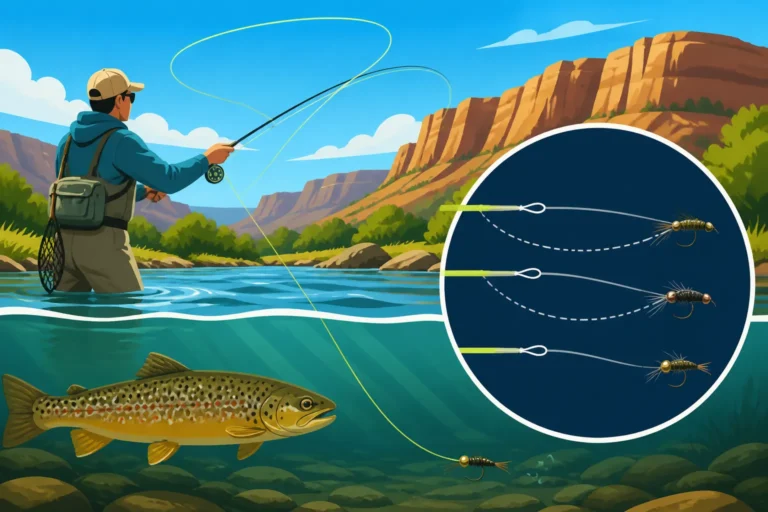
Perfecting your drift: Drag-free drifts are paramount, especially with tiny flies. Mend your line frequently to keep your indicator and flies moving at the same speed as the current. In slower water, even a slight ripple in your line can spook a fish. Consider longer leaders and fine tippets (5x to 7x) to achieve these delicate presentations. For dries, precise casting is essential; aim to land your fly gently a few feet upstream of where you expect the fish to be. When nymphing, use enough weight to get your flies down to the fish without "pancaking" them to the bottom, allowing them to tumble naturally.
Gear Considerations for San Juan Summer Angling
Your gear choices, while not as complex as choosing flies, can certainly impact your success and comfort on the San Juan in summer.
Rods and Reels: A 9-foot, 4- or 5-weight fly rod is generally considered ideal for the San Juan. It offers enough power to cast multiple nymphs or larger dries, yet enough finesse for delicate presentations and fighting larger trout on light tippet. For reels, a good quality, smooth drag system is more important than capacity, as you'll often be fighting fish on fine leaders. A decent reel, readily available on Amazon, can make a huge difference in landing a trophy fish. Our recommendations for Best Fly Rods for the San Juan River offer more in-depth advice.
Wading Gear: Even in summer, the San Juan's water is cold, so breathable waders are a must. They allow you to stay comfortable while fishing the extensive runs and riffles. Pair them with sturdy wading boots, preferably with felt or rubber soles (often studded for extra grip, especially on slick rocks). Safety in wading cannot be overstated; the San Juan can have slippery rocks and surprisingly deep pockets. Don't forget a wading staff for added stability, which is covered in our Best Waders for New Mexico Rivers guide.
Accessories: A good pair of polarized sunglasses will help you spot fish and submerged structure in the clear water. A landing net with a rubber bag is essential for catch and release, minimizing harm to the fish. Also, always carry nippers, forceps, and a tippet dispenser. And don't forget the proper licensing and required validations, like the New Mexico Habitat Management and Access Validation Stamp. Always double-check New Mexico Fishing Regulations Overview before heading out.
| Fly Category | Key Patterns (Summer) | Sizes | Conditions / Notes |
|---|---|---|---|
| Midges (Nymphs) | Zebra Midge, Top Secret Midge | 18-26 | Year-round staple, often trailed, high volume food source |
| Annelids (Nymphs) | San Juan Worm, Squirmy Wormy | 16-20 | Effective after rain or flow changes, always reliable |
| Mayfly (Nymphs) | Flashback Pheasant Tail, Barr's | 18-22 | For Baetis & PMD nymphs, subtle takes, delicate drifts |
| Caddisfly (Nymphs) | LaFontaine's Sparkle Pupa, Hotwire | 16-20 | In riffles & faster water, near surface takes |
| Midge (Dry/Emerger) | Stillborn Midge, Griffith's Gnat | 20-26 | Gentle sippers, surface film presentation |
| Terrestrials (Dry) | Foam Ant, Foam Beetle, Dave's Hopper | 14-20 | Near banks, windy days, late summer into fall |
| Caddisfly (Dry) | Elk Hair Caddis, Goddard Caddis | 16-20 | Strong, splashy rises, mornings/evenings |
| Attractors/Streamers | Woolly Bugger, Prince Nymph, Perdigon | 10-18 | Aggressive fish, deeper water, getting flies down fast |
Disclaimer
Fishing conditions and regulations in New Mexico can change, sometimes unexpectedly. While this guide provides general advice for summer fishing on the San Juan River, it is crucial to consult the most current New Mexico Department of Game and Fish regulations before your trip. Always prioritize safety and practice responsible catch and release, as outlined in our Catch and Release Best Practices in New Mexico guide, to help preserve this incredible fishery for future generations.