Fish Species Living in the Rio Grande
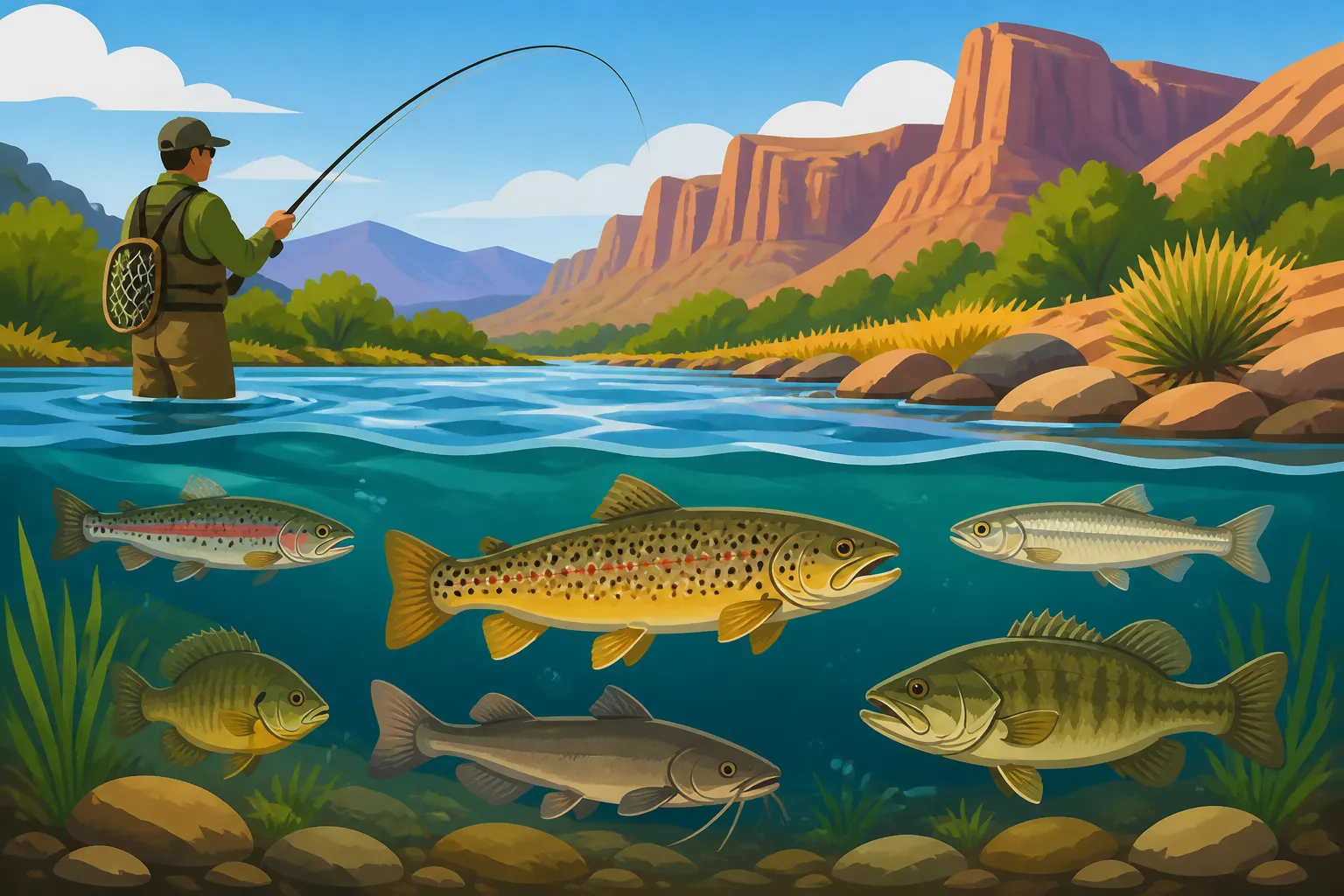
One of the biggest questions I hear from fellow anglers, especially those new to the Land of Enchantment or just exploring different stretches of our magnificent waterway, is, "What fish can I actually catch in the Rio Grande?" It's a valid question, because this isn't just one river; it's a dynamic, ever-changing ribbon of water that offers incredibly diverse fishing opportunities from its high mountain origins down through the central valleys and southern plains. This guide will walk you through the amazing variety of fish species that call the Rio Grande home, helping you understand where and how you might encounter them, and what makes each section of the river unique for fishing.
The Iconic Coldwater Species of the Upper Rio Grande
When most folks think of fishing in New Mexico, especially in our northern mountain regions, trout instantly come to mind. The upper reaches of the Rio Grande, particularly the spectacular Rio Grande Gorge, are prime coldwater habitats, offering some truly exceptional trout fishing experiences. The water here is typically colder, clearer, and oxygen-rich, creating ideal conditions for these beloved game fish.
Rainbow Trout: The Stocking Stalwart
Ah, the rainbow trout! They're probably the most recognized fish in many New Mexico waters, and the Rio Grande is no exception. These beautiful, hard-fighting fish are regularly stocked by the New Mexico Department of Game and Fish into accessible stretches of the river, especially around popular fishing spots and state parks. This means you have a great chance of encountering them, often in good numbers, making them a fantastic target for anglers of all skill levels. They're known for their acrobatic jumps and spirited fights, putting a smile on anyone's face.
When fishing for rainbow trout in the Rio Grande, particularly in the northern sections, think about classic trout tactics. Spinners, small spoons, or even a well-presented worm under a bobber can be incredibly effective. For fly anglers, nymphing with patterns like San Juan Worms, Copper Johns, or various midge imitations can be deadly, especially in the deeper runs and pools. If you're looking for more general information on these beauties, check out our guide on Rainbow Trout Fishing in New Mexico. You can find a fantastic selection of these lures and flies on platforms like Amazon, making it easy to stock your tackle box before your trip.
Brown Trout: Wily Natives and Their Haunts
While rainbow trout are often stocked, brown trout have established strong, wild populations in many parts of the upper Rio Grande. These fish are renowned for their elusive nature and often grow to impressive sizes, making them a true trophy for many anglers. Brown trout are incredibly intelligent and wary, preferring to hide in undercut banks, beneath submerged logs, or behind large boulders where they can ambush prey. Catching a wild Rio Grande brown trout is a testament to patience and skill.
To entice these cunning predators, you'll need to think like a brown trout. Larger streamers, mimicking baitfish, are a favorite among fly fishermen, especially during dawn and dusk. For spin anglers, deeper diving crankbaits, jerkbaits, or even larger soft plastics can be effective when fished near structure. Remember, they aren't always in the fastest current; they're often tucked away in slower, deeper pockets just out of the main flow. Browns can be a bit more particular about what they'll strike, so don't be afraid to experiment with different presentations. Our article on Brown Trout Fishing in New Mexico delves deeper into targeting these magnificent fish.
Rio Grande Cutthroat Trout: New Mexico's State Fish
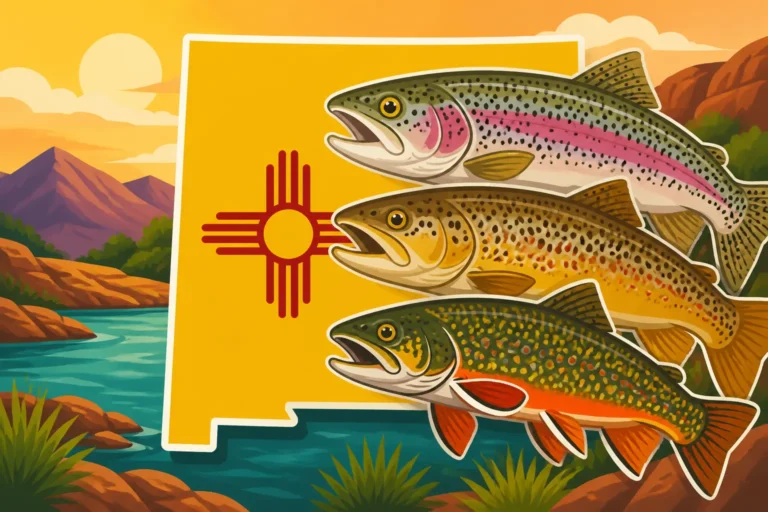
The Rio Grande Cutthroat Trout holds a special place in the hearts of New Mexico anglers – it's our state fish! These native beauties, easily identified by the distinctive red or orange slash marks under their jaws, are primarily found in the pristine, high-elevation headwaters and smaller tributaries of the Rio Grande system. While you might not find them in the main stem's lower stretches, their presence in the upper Rio Grande's feeder streams is a vital part of the river's ecological heritage. Fishing for them often means a rewarding hike into some of the most stunning backcountry New Mexico has to offer.
These fish, while smaller than their rainbow or brown counterparts, are eager biters and offer a unique angling experience. They thrive in clean, cold water and are particularly susceptible to dry flies during insect hatches. Small attractor patterns, parachute Adams, or even tiny stimulators can be incredibly effective. Because they are a native species, many populations are managed with special regulations, including catch-and-release only sections and specific gear restrictions, so always consult the New Mexico Fishing Regulations Overview before heading out. To learn more about this special fish, read our guide on Rio Grande Cutthroat Trout in New Mexico. Their conservation is paramount, so careful handling and quick release are always recommended.
Warmwater Fish in the Middle and Lower Rio Grande
As the Rio Grande flows south from the mountains, its character changes dramatically. The gradient mellows, the water warms, and the river broadens, creating a completely different ecosystem that supports a robust population of warmwater species. These sections, especially below urban areas like Albuquerque and further south, offer fantastic fishing for those looking for something beyond trout.
Channel Catfish: The River's Bottom Dwellers
If there's one fish that truly embodies the spirit of the middle and lower Rio Grande, it's the channel catfish. These whiskered warriors are incredibly abundant and provide consistent action for anglers across a wide range of skill levels. They thrive in the warmer, often murkier waters of these river sections, preferring deeper holes, slow eddies, and areas with plenty of submerged structure like fallen trees or brush piles. Catfish are primarily nocturnal feeders, but they can be caught throughout the day, especially during overcast conditions or after a good rain when the water is stained.
For channel cats, bait is king. Stink baits, cut bait (like shad or sunfish), chicken livers, and even hot dogs are all popular and effective choices. They have an incredible sense of smell, so pungent baits really draw them in. A simple bottom rig with a sinker and a hook is usually all you need. You can find pre-made catfish rigs or all the components to build your own on Amazon. They're powerful fighters, often described as a "freight train" once hooked, and can grow to impressive sizes in the Rio Grande. For detailed tips on targeting these amazing fish, check out our article on Catfish Fishing in New Mexico. They also make for some excellent table fare!
Bass Species: Largemouth and Smallmouth Adventures
The Rio Grande, particularly in its slower, wider sections and oxbows, can also be a fantastic place to target bass. Both largemouth and smallmouth bass call different parts of the river home, offering anglers diverse challenges. Largemouth bass tend to prefer the very slow-moving or stagnant backwater areas, oxbow lakes, and canals connected to the main river, especially those with heavy vegetation or woody cover. Smallmouth bass, on the other hand, love current, rocks, and gravel beds, often found in more defined river channels or around bridge pilings.
Targeting largemouth bass means focusing on cover. Plastic worms, jigs, spinnerbaits, and topwater lures fished around weed lines, submerged timber, and brush are incredibly effective. For smallmouth, think about crankbaits, tubes, grubs, and small jigs bounced along the bottom in rocky areas with current. The fight from a smallmouth, especially in moving water, is legendary for its power and tenacity. Many anglers enjoy the thrill of sight-fishing for bass in clearer sections or during periods of lower flow. Dive deeper into techniques for these species with our guides on Largemouth Bass Fishing in New Mexico and Smallmouth Bass Fishing in New Mexico.
Panfish: Bluegill and Sunfish for Family Fun
For a fun, easy, and often very productive fishing experience, especially with kids, the panfish of the Rio Grande are hard to beat. Bluegill, various species of sunfish (like green sunfish and redear sunfish), and sometimes even crappie can be found in the quieter sections of the river, backwaters, and connected ponds. These fish are abundant, eager biters, and perfect for introducing new anglers to the joys of fishing.
A simple cane pole, a hook, a bobber, and a piece of worm are often all you need to have a blast with panfish. They love to hang out around submerged vegetation, fallen trees, and shaded areas. Light spinning tackle with tiny jigs or even just a bare hook tipped with a small piece of corn or bread can yield a steady stream of bites. It's a fantastic way to spend a relaxing afternoon by the water, creating lasting memories. For more tips on these feisty little fighters, check out Bluegill Fishing in New Mexico. You can easily find affordable panfish tackle kits on Amazon, which often include everything a beginner needs.
Lesser-Known and Native Species of the Rio Grande
Beyond the primary game fish, the Rio Grande supports a fascinating array of other aquatic life, some of which are less frequently targeted by recreational anglers, but all play crucial roles in the river's ecosystem. Understanding these species gives us a fuller picture of the Rio Grande's biodiversity.
Carp and Suckers: Often Overlooked, Still Present
You'll almost certainly encounter common carp and various species of suckers throughout much of the Rio Grande, especially in the middle and lower stretches. While not typically considered "glamour" fish, carp, in particular, are incredibly powerful fighters and can grow to enormous sizes, offering a fantastic challenge on appropriate tackle. Many dedicated carp anglers specifically target them, appreciating their strength and cunning.
Carp are bottom feeders, known for their vacuum cleaner-like mouths, and are often caught on dough baits, corn, or even pieces of bread. They can be found in almost any part of the river but prefer deeper, slow-moving areas with a soft bottom. Suckers are also bottom feeders and are often caught incidentally by anglers targeting other species. They are generally smaller but are an important food source for larger predatory fish in the river. Don't underestimate the thrill of battling a large Rio Grande carp; they'll certainly test your drag and your patience!
Native Minnows and Chubs: Ecological Cornerstones
The Rio Grande is home to numerous species of native minnows and chubs, often small and not typically targeted by anglers, but absolutely vital to the river's health. Species like the Rio Grande chub, fathead minnow, and speckled dace form the base of the food chain, providing sustenance for larger fish, birds, and other wildlife. Their presence is an indicator of a healthy river system.
While you won't typically fish for these species, knowing they are there helps appreciate the intricate web of life in the river. They are often found in schools in shallower riffles and runs, or along the edges of deeper pools. Sometimes, anglers use nets to collect some of these smaller native species for bait, but it's crucial to check local regulations regarding bait collection, as some species are protected, and there are often rules about what live bait can be used to prevent the spread of invasive species.
Invasive Species: The Challenges They Pose
Like many large river systems, the Rio Grande faces challenges from invasive fish species. These are fish that are not native to the ecosystem and can sometimes outcompete native species for resources or even prey upon them, altering the delicate balance of the river. Common examples include various species of carp (beyond the common carp, which is widely established), goldfish, and sometimes even smaller baitfish introduced by anglers.
New Mexico's Department of Game and Fish actively monitors and manages invasive species populations. As anglers, we have a role to play too. Never transport live fish from one body of water to another, and always dispose of unused bait responsibly. If you happen to catch an invasive species where regulations require removal, it's important to understand and follow those rules. Knowing what you might encounter helps you be a more responsible steward of the Rio Grande's aquatic environment.
Understanding Habitat and Fish Distribution Along the Rio Grande
The sheer length and varied landscape through which the Rio Grande flows means that fish distribution isn't uniform. The river changes, and with it, the types of fish you'll find.
The Impact of River Sections on Fish Life
Imagine the Rio Grande as having distinct personalities, each with its own preferred residents. Up north, in the high mountains and canyons, you have the "cold, clear, and feisty" section, perfect for trout. Think about the Rio Grande Gorge Fishing Access – dramatic cliffs, fast runs, deep pools, and chilly water. Here, the river bottom is often rocky, providing excellent cover and spawning grounds for trout. As you move downstream, past Cochiti Dam and through the Albuquerque area (check out Fishing the Rio Grande in Albuquerque for local tips), the river often becomes wider, slower, and warmer. The bottom transitions to more sand and silt, and the banks might be lined with cottonwoods and dense brush. This is where the "warm, murky, and abundant" section begins, favoring catfish, bass, and panfish.
Further south, particularly below Elephant Butte Lake, the river can become even warmer and shallower in places, supporting species that can tolerate these conditions. Each change in gradient, water temperature, flow, and bottom substrate directly influences which fish species can thrive and where you'll find them. Understanding these transitions is key to successful fishing along the Rio Grande.
How Water Flow and Climate Influence Species
The Rio Grande is a working river, meaning its flows are often managed for irrigation, flood control, and other human uses. This dynamic flow regime has a significant impact on fish populations. High water events, often due to spring runoff or monsoon rains, can create new habitats, move fish, and stir up food sources. Conversely, periods of low flow can concentrate fish, make them more vulnerable, or limit their access to certain areas. Local anglers constantly check streamflow data to plan their trips.
Climate also plays a huge role. Warmer temperatures favor warmwater species, while consistently cold water is essential for trout. Long, hot summers can stress coldwater fish even in their preferred habitats, pushing them into deeper, cooler pockets. Drought conditions, unfortunately, are a recurring challenge for the Rio Grande, and they can severely impact fish populations by reducing habitat and increasing water temperatures. Being aware of these environmental factors will not only improve your fishing success but also make you a more informed and responsible angler.
Gear Considerations for Different Rio Grande Fish
Given the incredible diversity of fish species and habitats along the Rio Grande, it's no surprise that your gear choices will need to adapt. You wouldn't use the same setup for a small cutthroat trout in a mountain stream as you would for a large channel catfish in a slow, muddy section.
Here's a quick look at how your gear might vary:
| River Section / Target Fish | Rod Action & Length | Line Weight / Type | Common Lures / Baits |
|---|---|---|---|
| Upper Rio Grande (Trout) | Light to Medium-Light, 6-7 ft spin; 4-6 wt, 8.5-9 ft fly | 4-8 lb mono/fluoro; floating or sink-tip fly line | Spinners, small spoons, PowerBait, worms, nymphs, streamers, dry flies |
| Middle/Lower Rio Grande (Catfish) | Medium-Heavy to Heavy, 7-9 ft | 12-20 lb mono | Stink baits, cut bait, chicken liver, hot dogs |
| Middle/Lower Rio Grande (Bass) | Medium to Medium-Heavy, 6.5-7.5 ft | 8-15 lb mono/fluoro/braid | Plastic worms, jigs, crankbaits, spinnerbaits, topwaters |
| Middle/Lower Rio Grande (Panfish) | Ultra-Light, 5-6 ft | 2-6 lb mono | Tiny jigs, crickets, worms, corn |
For trout fishing in the upper sections, a good quality medium-light spinning rod paired with a matching reel is a solid choice. If you're into fly fishing, a 5-weight or 6-weight outfit is versatile for most conditions; you can find excellent options for Best Rods and Reels for New Mexico Trout Fishing and Best Fly Rods for the San Juan River (which apply well to the Rio Grande). For catfish, a heavier action rod with a sturdy reel spooled with strong line is a must, especially if you're targeting those big river monsters. And for bass, a medium-heavy baitcasting or spinning setup offers the versatility needed to throw various lures. Don't forget, a good pair of waders (if you're in the upper river) and a reliable tackle box, easily purchased from Amazon, will enhance any trip.
No matter what section of the Rio Grande you're exploring, or which fish species you're hoping to encounter, the key is to be prepared and adaptable. This magnificent river truly offers a fishing experience for every taste, from the rugged beauty of the gorge to the laid-back charm of a warmwater eddy.
Disclaimer
This article is for general informational purposes only and does not constitute professional advice. Laws, prices and regulations vary by location and change over time. Consult a qualified professional for guidance on your specific situation.