Best Line Weight for New Mexico Fishing
Choosing the right fishing line weight can feel like a real head-scratcher, especially with New Mexico's incredibly diverse waters, from tiny high-mountain streams to vast reservoirs. It’s a common frustration for anglers, wondering if their line is too heavy and spooking fish, or too light and risking a break-off on a trophy catch. This guide aims to clear up that confusion, offering practical advice on selecting the perfect line weight for various species and fishing scenarios across the Land of Enchantment.
Understanding Fishing Line Weight: Why It Matters
Fishing line isn't just a string that connects you to the fish; it's a critical component of your entire setup that impacts everything from casting distance to how your lure performs. The "line weight," often referred to as "pound test," indicates the breaking strength of the line. But it's more than just about how much abuse it can take before snapping; it's about the delicate balance required to effectively present your bait or lure while having the muscle to bring in your catch.
The Basics of Pound Test
When you see a fishing line labeled "6 lb test," it means that, under ideal conditions, the line is rated to break at 6 pounds of pressure. This rating is a crucial starting point, but real-world conditions like knots, nicks, and prolonged sun exposure can reduce that strength. Understanding pound test helps you match your line to the size of fish you're targeting and the environment you're fishing in. Trying to land a big walleye on 2-pound test in a snag-filled lake is just asking for trouble, just as using 20-pound test for delicate brook trout in a clear mountain stream will likely leave you frustrated by the lack of bites. It's a fundamental decision that sets the stage for your entire fishing experience.
Balancing Strength and Sensitivity
The heavier your line's pound test, the thicker it generally is, and typically the less sensitive it becomes. This is a trade-off every angler grapples with. A heavy line offers undeniable strength, which is fantastic when you're wrestling a feisty bass out of heavy cover or bringing in a hefty channel catfish. However, that thicker line can also be more visible to wary fish, especially in New Mexico's often crystal-clear waters. Moreover, it reduces your ability to feel subtle bites or the delicate action of your lure, which can be absolutely critical when targeting finicky trout or light-biting walleye. Finding that sweet spot where your line is strong enough to handle the fight but sensitive enough to detect the faintest tap is a skill that comes with practice and understanding your target species.
Matching Line to Rod and Reel
Your fishing line isn't an isolated choice; it needs to be harmonious with your rod and reel. Most fishing rods have a recommended line weight range printed on them, usually near the handle. This range tells you what pound test works best with the rod's action and power, ensuring optimal casting performance and feel. For example, a light action rod designed for panfish might suggest 2-6 lb test, while a medium-heavy rod for bass might recommend 10-20 lb test. Similarly, your reel's spool capacity and drag system are designed to handle certain line diameters and strengths. Overloading a small reel with heavy line means less line capacity and potentially poor drag performance. Always check these recommendations; they're there to help you create a balanced system that maximizes your angling success. A well-matched rod, reel, and line combination feels natural in your hand and casts smoothly, giving you the confidence you need on the water.
Line Weight for New Mexico Trout Fishing
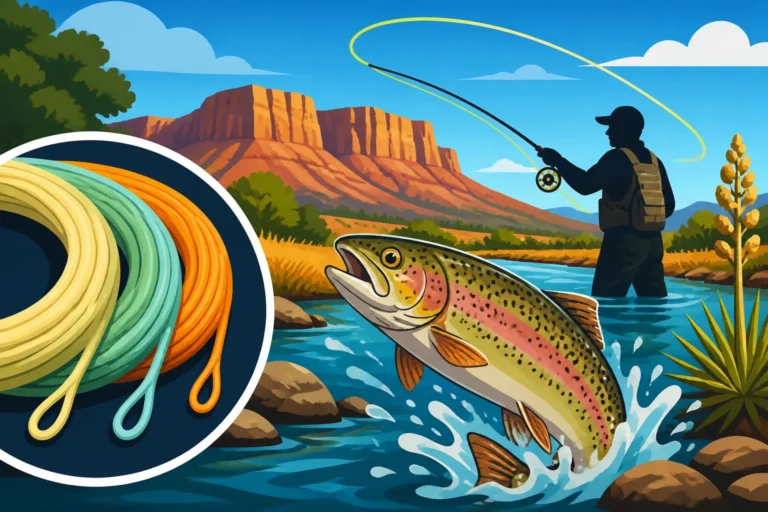
Trout fishing in New Mexico is a diverse affair, ranging from tiny, wild brookies in high-altitude streams to the robust rainbows of the San Juan River. Each scenario demands a slightly different approach to line weight, focusing on stealth, presentation, and managing the fight. The clarity of New Mexico's waters often means lighter lines are favored to avoid spooking these notoriously wary fish.
Light Line for Stream Trout
When you're chasing native cutthroat or brook trout in the smaller, gin-clear streams of the Gila National Forest or the Carson National Forest, a very light line is your best friend. These fish are often smaller, but they are incredibly sensitive to their environment. Two to four-pound test monofilament or fluorocarbon is typically ideal here. The thin diameter ensures a more natural drift of small nymphs or dry flies, and it's less visible in the shallow, clear water. Even a slightly heavier line can cast a noticeable shadow or create an unnatural drag that sends these spooky trout scattering. Think of these environments as requiring a finesse approach; you're not battling giants, but rather trying to fool incredibly wary, wild fish. Light line also allows for longer, more delicate casts, essential when approaching skittish fish in open areas. You might find some excellent Trout Fishing Techniques for New Mexico to pair with these lighter lines.
Medium-Light for Lake and Quality Water Trout
For larger trout in New Mexico's lakes like Fenton Lake or Heron Lake, or the world-renowned San Juan River Quality Waters, you can often bump up your line weight slightly. Here, 4-6 pound test is a versatile choice. The fish in these waters can be considerably larger and put up a stronger fight, so a bit more breaking strength is welcome. Fluorocarbon in this range is highly recommended due to its low visibility and abrasion resistance, especially when fishing around submerged structures or the rocky bottom of rivers. The clarity of the water still dictates a cautious approach, but the increased size of the fish and potential for longer runs means you need a line that can withstand more pressure. Using too light a line in these situations could lead to frequent break-offs, which is incredibly frustrating when you hook into a trophy.
Special Considerations for High-Country Lakes
New Mexico's high-country lakes, often accessible only via hiking, present their own unique challenges and rewards. Waters like those in the Pecos Wilderness are typically pristine and often hold beautiful, strong trout. For these remote gems, a 4-8 pound test line is usually a good bet. While the water is clear, the fish can sometimes be less pressured than those in more easily accessed areas. However, the terrain around these lakes can be rugged, with rocky shorelines and submerged timber, making a slightly heavier, more abrasion-resistant line beneficial. You're balancing the need for stealth with the potential for snags and strong fights from powerful, cold-water trout. Consider carrying both a lighter and slightly heavier spool of line, or opting for a fluorocarbon main line if fishing with spinning gear, to adapt to specific conditions you encounter when exploring New Mexico's High Mountain Lakes.
Line Weight for New Mexico Bass and Walleye
Targeting bass and walleye in New Mexico's larger reservoirs like Elephant Butte Lake, Navajo Lake, or Conchas Lake demands a different line weight strategy. These species often inhabit cover, strike aggressively, and can reach impressive sizes, requiring lines with more backbone and abrasion resistance than typically used for trout.
Bass Fishing: Power vs. Finesse
Bass fishing is all about adapting, and your line weight will vary significantly depending on the technique and cover you're fishing. For heavy cover situations, like flipping jigs into thick brush or punching through mats of vegetation, a stout braided line of 30-50 pound test is essential. Its zero-stretch quality helps pull big bass out quickly, and its extreme abrasion resistance prevents break-offs. However, when fishing clearer water or employing finesse tactics like drop-shotting or wacky rigging, you'll want to scale down significantly. Here, 8-12 pound test fluorocarbon is a popular choice due to its low visibility and sensitivity. It's strong enough to handle decent bass but subtle enough for a natural presentation. Many anglers will use a braided main line (15-20 lb) for casting distance and sensitivity, then add a 6-10 foot fluorocarbon leader (8-15 lb) to maintain stealth, providing the best of both worlds for different scenarios in New Mexico Statewide Bag Limit for Bass.
Walleye Tactics: Sensitivity is Key
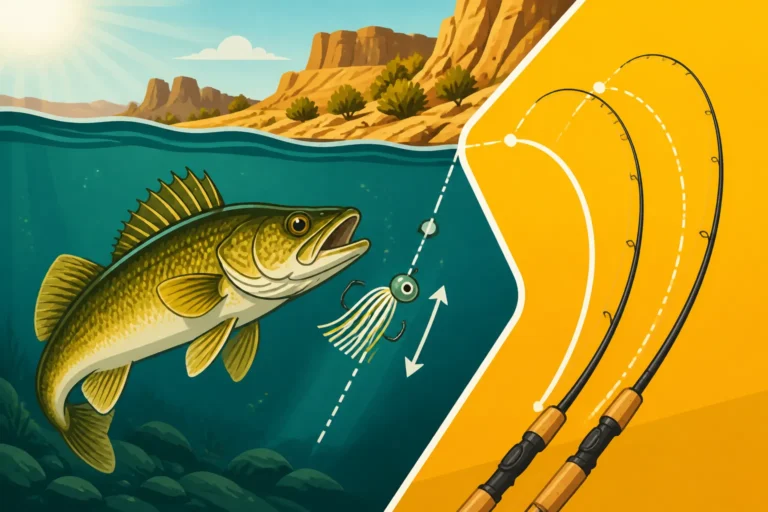
Walleye are notoriously light biters, often just mouthing a lure or bait rather than striking aggressively. This makes sensitivity a paramount concern when choosing line weight. For jigging or slip-bobber fishing, 6-10 pound test fluorocarbon or monofilament is generally preferred. Fluorocarbon offers excellent sensitivity and low stretch, allowing you to feel those subtle "thunks," while monofilament provides a bit more stretch which can sometimes be forgiving on a light bite. If you're trolling, a stronger 10-15 pound test monofilament or braid might be suitable, especially if you're pulling heavier crankbaits or bottom bouncers in deeper water, where some stretch can act as a shock absorber. The key with walleye is to feel everything, so avoid excessively heavy lines that dampen your connection to the lure. The right line can make all the difference in detecting those elusive walleye bites at Conchas Lake Walleye Fishing.
Dealing with Structure and Cover
New Mexico's reservoirs are often full of challenging structure: submerged timber, rock piles, brush, and old creek channels. These are prime hiding spots for bass and walleye but can be a nightmare for your fishing line. When fishing around such abrasive elements, a heavier line weight, particularly one with good abrasion resistance, is vital. For situations where you're constantly rubbing against rocks or wood, consider bumping up your fluorocarbon or monofilament by a few pound tests. Braided line, while strong, can sometimes cut into soft wood or fray quickly on sharp rocks, so a tough fluorocarbon leader is often paired with it. It’s a classic trade-off: do you risk spooking a fish with slightly heavier line, or do you risk losing a fish and your expensive lure to a break-off? Most experienced anglers will lean towards a slightly heavier, tougher line when fishing in known snaggy areas, knowing that lost fish from line breaks are far more disappointing than a few missed bites from overly cautious fish.
Line Weight for New Mexico Catfish and Other Species
Beyond trout, bass, and walleye, New Mexico offers fantastic opportunities for other species, each with their own line weight requirements. From powerful catfish to diminutive panfish and even the elusive tiger muskie, understanding the specific needs of each fishery will help you select the optimal line.
Heavy Duty for Catfish
If you're heading out to target channel catfish or flathead catfish in the Rio Grande or big reservoirs like Elephant Butte, you'll want to spool up with some serious line. Catfish are powerful fighters, often found in strong currents or around heavy cover, and they aren't typically line-shy. For most channel catfish scenarios, 12-20 pound test monofilament or braid is a great choice. If you're specifically targeting trophy flatheads, especially in river systems where they can get absolutely massive, don't hesitate to go even heavier, with 25-40 pound test braid. The robust nature of braid offers superior knot strength and virtually no stretch, which is ideal for setting hooks into tough, bony mouths and winching big cats out of deep holes. Remember, catfish can sometimes ingest the bait deeply, so having the power to get them to the surface quickly for a safe release (if you're not keeping them) is also a consideration. You'll find plenty of opportunities for Catfish Fishing in New Mexico with a strong line.
Crappie and Panfish: Ultra-Light Fun
For crappie, bluegill, and other sunfish, the opposite strategy applies: go as light as you dare! These smaller, often finicky fish are incredibly line-shy, and their bites are sometimes so subtle you'll barely register them. Two to six-pound test monofilament or fluorocarbon is perfect for these species. An ultra-light or light action rod paired with thin line makes for an incredibly fun fight, allowing even small panfish to feel like giants. The thin diameter also helps with presenting tiny jigs, small spinners, or live bait like minnows and worms in a natural, enticing way. While break-offs can happen with larger fish, the sheer enjoyment of the fight and the increased bite ratio usually make the risk worthwhile. This setup is fantastic for introducing kids to fishing, as even small fish provide a thrilling experience. Don't forget to check out Crappie Fishing in New Mexico for some great spots.
Tiger Muskie: A Different Ballgame
New Mexico is home to a unique challenge: the tiger muskie, found in lakes like Bluewater Lake and Quemado Lake. These toothy predators are a hybrid species known for their aggressive strikes and powerful, acrobatic fights. When chasing tiger muskie, heavy line is not just recommended, it's essential. You'll want to use 50-80 pound test braided line, often paired with a heavy fluorocarbon or steel leader to prevent bite-offs from their razor-sharp teeth. Monofilament isn't typically strong or abrasion-resistant enough for these powerful fish. The heavy braid is necessary for casting large, heavy lures, absorbing the shock of violent strikes, and fighting fish that can easily exceed 20 pounds. This is not a situation to skimp on line strength; losing a trophy muskie because of insufficient line is a heartbreaking experience. Anglers often visit dedicated shops like Bass Pro Shops to ensure they have the right heavy-duty gear for these unique catches.
Choosing Your Line Material: Mono, Fluoro, or Braid?
When discussing line weight, it's impossible to ignore the material your line is made from. Monofilament, fluorocarbon, and braided lines each have distinct characteristics that make them suitable for different New Mexico fishing situations. Understanding these differences is key to making an informed choice.
Monofilament: The All-Around Workhorse
Monofilament (mono) line is arguably the most common and versatile fishing line, a true workhorse for many anglers. It's made from a single strand of nylon, which gives it a certain amount of stretch – a quality that can be both a blessing and a curse. The stretch in monofilament acts as a shock absorber, which is great for cushioning sudden strikes or preventing hooks from tearing out of a fish's mouth during a head shake. It's also relatively inexpensive, easy to tie knots with, and floats, making it ideal for topwater lures or suspending baits. However, mono's stretch can reduce sensitivity, making it harder to detect light bites, especially in deep water or with long casts. It also has a larger diameter for its given pound test compared to braid or fluorocarbon, and it can be more visible to fish in clear water. For general-purpose fishing in New Mexico, especially when targeting warm-water species with baits or lures that don't require extreme sensitivity, a quality monofilament like those found on Amazon can be a solid choice.
Fluorocarbon: The Nearly Invisible Edge
Fluorocarbon (fluoro) line is a favorite among anglers who prioritize stealth and sensitivity. Made from polyvinylidene fluoride, its most significant advantage is its refractive index, which is very close to that of water. This makes it nearly invisible underwater, giving you a significant edge when fishing in clear lakes or rivers like the San Juan, where fish are highly line-shy. Fluorocarbon is also much more abrasion-resistant than monofilament, standing up better to rocks, submerged timber, and fish teeth. It sinks faster than mono, which can be beneficial for getting baits and lures down quickly, and it has very low stretch, providing excellent sensitivity for detecting subtle bites. The main downsides are its higher cost, its stiffness (which can sometimes lead to knot-tying challenges or coiling on spinning reels), and its tendency to be less supple than monofilament. Many New Mexico anglers use fluorocarbon as a leader material attached to braided main lines, combining the strength and casting distance of braid with the invisibility of fluoro.
Braided Line: Strength and Sensitivity for Specific Situations
Braided fishing line is made from multiple strands of synthetic fibers, woven together, resulting in incredible strength-to-diameter ratio and virtually no stretch. This "no stretch" quality is a game-changer for sensitivity, allowing you to feel every bump, scrape, and subtle bite, even at extreme depths or long distances. Its thin diameter also allows for longer casts and cuts through water with less resistance, which is great in current or for deep presentations. Braid is incredibly strong and durable, offering superior abrasion resistance against certain types of cover, though it can fray on sharp edges like rocks. The main drawbacks include its high visibility (though colored braids are available, fish still see it, hence the common use of a fluorocarbon leader), its tendency to dig into itself on the spool under heavy pressure, and its higher cost. For heavy cover bass fishing, deep-water walleye jigging, or targeting large catfish or muskie, braided line from a reputable brand like Bass Pro Shops is often the top choice for New Mexico anglers who demand maximum power and feel.
Here's a quick comparison of these line types:
| Feature | Monofilament | Fluorocarbon | Braided Line |
|---|---|---|---|
| Visibility | Medium (floats) | Low (nearly invisible) | High (opaque, sinks slowly) |
| Stretch | High (good shock absorber) | Low (excellent sensitivity) | None (extreme sensitivity) |
| Sensitivity | Low | High | Excellent |
| Abrasion Res. | Good | Excellent | Very Good (can fray on sharp) |
| Knot Strength | Very Good (easy knots) | Good (can be stiff to tie) | Excellent (requires specific knots) |
| Buoyancy | Floats | Sinks | Floats (very slowly) |
| Cost | Low | High | Medium-High |
| Best For | All-around, topwater, bait | Clear water, finesse, leaders | Heavy cover, long casts, power |
Factors Beyond Species: Water Conditions and Structure
While knowing your target species is paramount, a truly effective line weight choice also considers the dynamic conditions of New Mexico's waters. The environment itself plays a huge role, dictating whether you need invisibility, brute strength, or a balance of both.
Water Clarity and Fishing Pressure
New Mexico is blessed with a mix of water types, from the often-turbid Rio Grande to the strikingly clear alpine lakes and tailwaters like the San Juan River. Water clarity directly impacts how visible your line is to fish. In crystal-clear conditions, especially where fish are heavily pressured (think popular spots near Albuquerque or Santa Fe), opting for lighter line, or at the very least, a fluorocarbon leader, is almost always beneficial. Wary trout or bass will easily spot a heavy, thick line, leading to fewer bites. Conversely, in stained or muddy water, like after heavy rains, fish rely less on sight, and you can get away with heavier line without sacrificing much in terms of bites. This allows you to gain an advantage in strength without the typical trade-off of spooking fish. It’s about adapting your strategy to what the fish can (or can't) see, making every cast count whether you're dealing with gin-clear water or a bit of turbidity.
Cover, Structure, and Abrasion Resistance
Many of New Mexico's best fishing spots, whether a rocky shoreline at Conchas Lake or submerged timber at Elephant Butte, are rife with cover and structure that fish love to inhabit. Unfortunately, these same features are notorious for snagging and breaking fishing line. When fishing around abrasive elements, prioritizing line with high abrasion resistance is crucial. Fluorocarbon excels here, as does braided line (though braid can sometimes cut into itself or fray if constantly rubbed against very sharp edges). Bumping up your pound test by a few numbers, even if it feels slightly heavier than ideal for the fish size, can save you countless lost lures and heartache. It's a strategic decision to prevent losing that trophy fish you've worked so hard for. Always inspect your line regularly for nicks and frays, especially after fishing around heavy cover, and re-tie your knots if there's any doubt about their integrity.
Current and Depth: How They Affect Your Choice
The presence of current, whether in a flowing river like the Pecos or a tailwater fishery below a dam, significantly influences line choice. Strong currents can create "bow" in your line, making it harder to detect bites and hindering a natural drift. In these situations, a thinner diameter line (often achieved with braided or fluorocarbon line of adequate pound test) will cut through the water more efficiently, reducing drag and improving sensitivity. For deep-water fishing in reservoirs, stretch becomes a major factor. Monofilament's stretch can be problematic when trying to set the hook on a fish 50 feet down, as much of your hook-setting energy is absorbed by the line. Here, low-stretch fluorocarbon or zero-stretch braid gives you a much more direct connection to the fish, ensuring a solid hookset and better bite detection. Consider the physics of the water you're fishing – current and depth are powerful forces that demand a thoughtful approach to line selection.
Disclaimer
This article is for general informational purposes only and does not constitute professional advice. Laws, prices and regulations vary by location and change over time. Consult a qualified professional for guidance on your specific situation.