New Mexico Ice Fishing Season
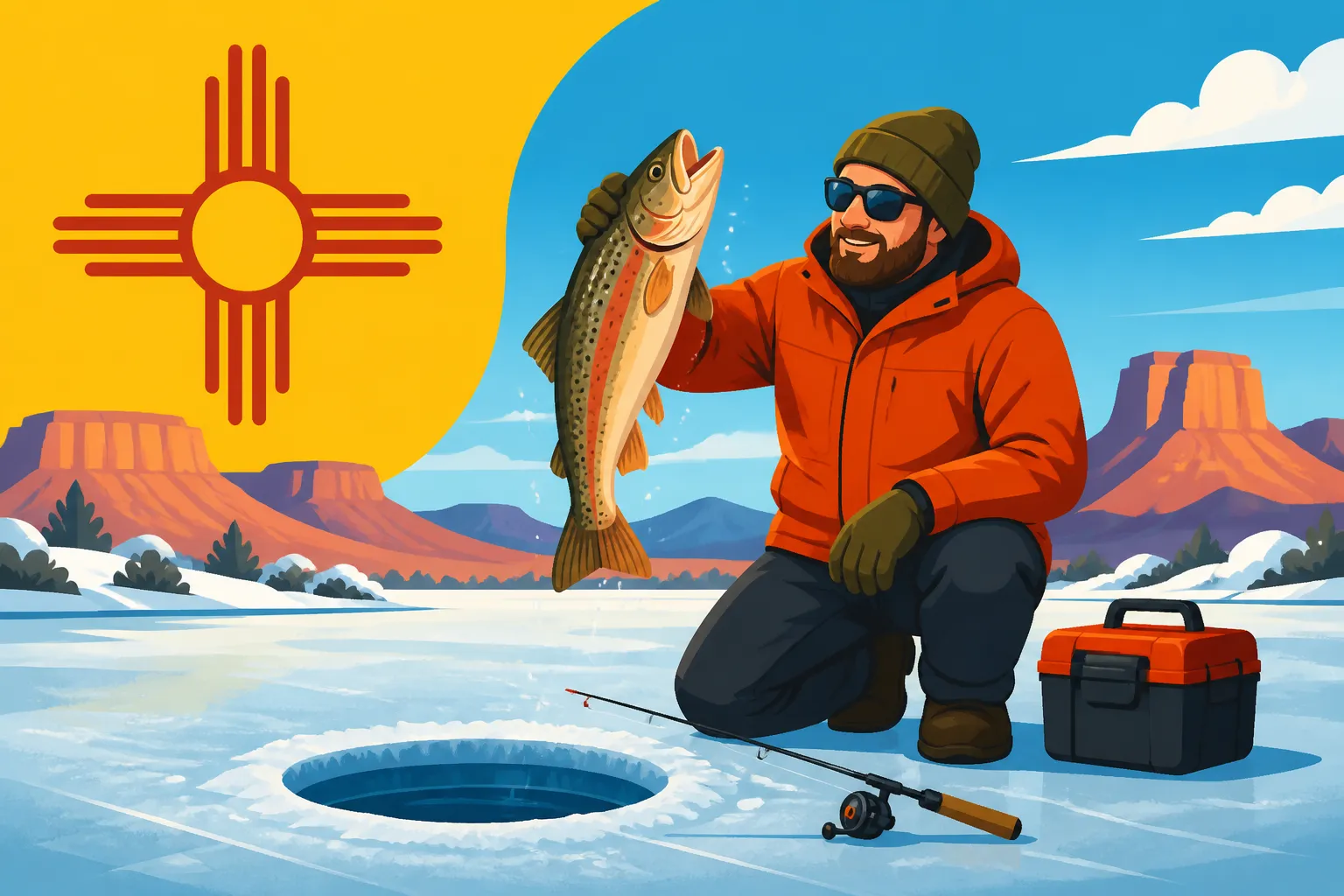
Many anglers pack away their gear once the chill of winter sets in, believing that fishing opportunities disappear with the colder temperatures. But for those in the know, New Mexico offers a unique and incredibly rewarding winter sport: ice fishing. It’s a chance to experience the serene beauty of frozen landscapes while still reeling in some fantastic catches, though it certainly comes with its own set of challenges and safety considerations. This comprehensive guide is here to walk you through everything you need to know to confidently and safely enjoy the New Mexico ice fishing season, from finding the best spots to choosing the right gear and mastering essential techniques.
Understanding New Mexico's Ice Fishing Season
Many folks wonder if New Mexico, with its reputation for sunshine, even gets cold enough for reliable ice fishing. The answer is a resounding yes, especially in the northern, higher-elevation parts of the state. However, it's not a universal season across every body of water, and it's certainly not a one-size-fits-all affair. The start and end of the ice fishing season are highly dependent on elevation, localized weather patterns, and the specific characteristics of each lake.
The Annual Freeze-Up Timing and Variability
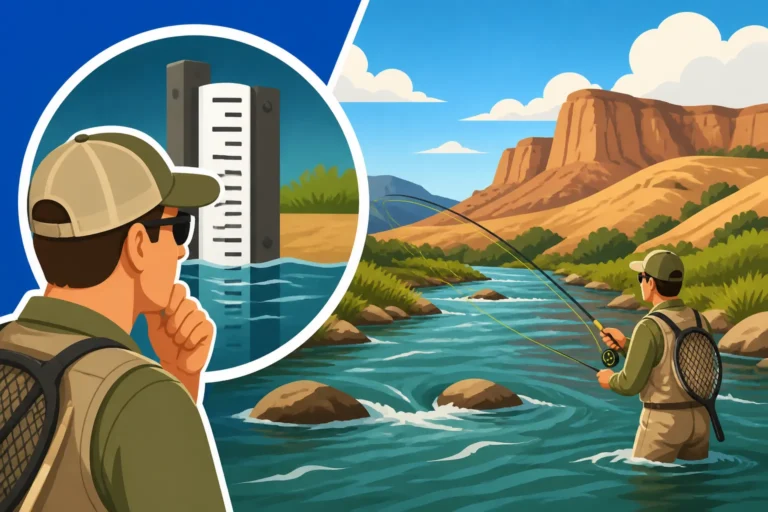
Generally speaking, New Mexico's ice fishing season typically kicks off in late December or early January, once persistent cold snaps allow shallower coves and smaller, higher-elevation lakes to develop sufficient ice thickness. Lakes like Eagle Nest Lake, Heron Lake, and Fenton Lake are often among the first to offer safe ice, sometimes as early as Thanksgiving weekend in exceptionally cold years, but more commonly after Christmas. However, relying on a calendar date alone is a recipe for trouble. The timing is incredibly variable year to year. One winter might see solid ice by mid-December, while another might not have reliable conditions until well into January or even February. It truly depends on sustained freezing temperatures, not just a few cold nights.
This variability can be frustrating, especially for those who travel a distance for their ice fishing adventures. It means constant vigilance and checking current conditions are paramount. While a lake might be safe one week, a warm spell could quickly degrade ice quality, making it unsafe the next. The New Mexico Department of Game and Fish (NMDGF) often provides updates, but local bait shops and fellow anglers are invaluable resources for real-time information. Always err on the side of caution. Remember, the official New Mexico Ice Fishing Season is defined by safe ice, not a specific calendar date.
Safe Ice Conditions More Than Just a Date
Determining when and where it's safe to ice fish isn't about an official "season start" date from the state, but rather about the physical integrity and thickness of the ice itself. What constitutes safe ice? For a single person walking out, generally 4 inches of clear, solid ice is considered the absolute minimum. For small groups or ice fishing on foot, 5-7 inches are recommended. If you plan to bring a snowmobile or ATV onto the ice, you’re looking at 8-12 inches, and a small car would require 12-15 inches. However, these are general guidelines and not guarantees. New Mexico's high desert environment means fluctuating temperatures can lead to wildly inconsistent ice quality, even within the same lake.
Factors like slush, snow cover, cracks, pressure ridges, and the presence of springs or currents can drastically reduce ice strength. Snow acts as an insulator, preventing thick ice from forming, and can hide dangerous thin spots. Pressure ridges, where ice sheets push against each other, can be incredibly unstable. It's not enough to simply know if the lake is frozen; you need to understand the characteristics of the ice you're walking on. Always carry ice picks and know how to use them, and never fish alone, especially early or late in the season. Learning about How Thick Does Ice Need to Be to Fish Safely? is essential before you even think about stepping onto the ice.
Top New Mexico Lakes for Ice Fishing
New Mexico boasts several fantastic destinations for ice fishing, each offering its own unique appeal and target species. Knowing which lakes reliably freeze and what kind of fish you can expect to catch will help you plan your winter excursions. The fish you can catch through the ice are varied, from tenacious trout to elusive tiger muskies, making the experience exciting and diverse. Knowing Fish You Can Catch Ice Fishing in New Mexico can help you pick your perfect winter adventure.
Eagle Nest Lake A Northern Gem
When most New Mexico anglers think of ice fishing, Eagle Nest Lake is probably the first place that comes to mind. Located in the beautiful Moreno Valley at an elevation of 8,300 feet, this large reservoir reliably freezes over, often by late December, and sometimes even earlier. It’s a popular spot for both local and out-of-state anglers, and for good reason. Eagle Nest is renowned for its excellent trout fishing, particularly large rainbow trout. Anglers frequently pull out rainbows in the 18-20 inch range, with some trophy-sized fish pushing well beyond that. Beyond trout, the lake is also stocked with kokanee salmon, which can offer an exciting challenge through the ice, especially during their snagging season (if one is announced by NMDGF). Perch and pike are also present, adding variety to the catch.
The lake offers ample public access, including areas within Eagle Nest Lake State Park. It's a fantastic spot for families, too, with plenty of room to spread out. Just be prepared for strong winds, which can be a factor in this high mountain valley. You can delve deeper into Eagle Nest Lake Ice Fishing specifically to get all the details on this popular spot.
Bluewater Lake Tiger Muskie Territory
Bluewater Lake, situated west of Grants at an elevation of about 7,400 feet, offers a different kind of ice fishing experience. While it also freezes reliably, sometimes later than Eagle Nest due to its slightly lower elevation, it's particularly famous for its tiger muskies. These hybrid predators are often stocked by NMDGF to control invasive species, and they grow large, providing an exhilarating battle for any ice angler. Catching a tiger muskie through an ice hole is a unique challenge, requiring heavier gear and a lot of patience. Besides muskie, Bluewater also offers good fishing for rainbow trout, channel catfish, and largemouth bass, which can be surprisingly active under the ice.
Fishing for muskie through the ice usually involves setting tip-ups with large dead baitfish, like chub or sucker, or jigging large spoons or lipless crankbaits. The thought of a massive, toothy muskie inhaling a bait under your feet is enough to get any angler's heart pumping. If you're looking for a chance at a true trophy through the ice, Bluewater is a prime destination. Keep an eye on the Bluewater Lake Trout Stocking Schedule for updates on when trout might be added, enhancing your chances of a mixed bag.
Fenton Lake Trout Haven
Fenton Lake, nestled in the Jemez Mountains at an elevation of around 7,700 feet, is a smaller, more intimate ice fishing spot, but it’s a true gem for trout enthusiasts. The lake is managed as a "Quality Water" and often has special regulations, including fly-fishing-only or artificial-lure-only restrictions at certain times of the year, though ice fishing generally allows for bait. It's heavily stocked with rainbow trout and also holds brown trout and brook trout, making it a diverse trout fishery. The smaller size of the lake often means it freezes solid earlier than larger bodies of water, providing an extended season for dedicated anglers.
The scenic beauty of Fenton Lake, surrounded by pines and often blanketed in snow, adds to the peaceful experience. It's an excellent place for jigging small spoons, tiny tube jigs, or even using natural baits like PowerBait or worms. Because it's a smaller lake, it can get busy, so arriving early is often a good strategy. If you're particularly interested in winter trout, make sure to check out Fenton Lake Winter Trout Fishing for more specific tips and regulations.
Essential Gear for New Mexico Ice Fishing
Ice fishing isn't just about showing up with your summer fishing pole. It requires specialized gear to stay warm, stay safe, and effectively catch fish through a small hole in the ice. Investing in the right equipment makes a world of difference in your comfort and success.
Augers, Rods, and Reels The Basics
The first piece of equipment you'll need is an ice auger to cut holes through the ice. Manual augers are cost-effective and great for thinner ice or shorter trips, but for thicker ice or multiple holes, a power auger (gas, propane, or electric) is a game-changer. Brands like Eskimo and Jiffy are popular choices, and you can find a good selection on sites like Amazon. For rods, ice fishing rods are much shorter than traditional rods, typically ranging from 24 to 36 inches. This shorter length allows for easier handling in small shelters and provides better feel for subtle bites. Paired with a small spinning reel, often spooled with monofilament or fluorocarbon line in 4-8 pound test, you'll have a sensitive setup perfect for jigging.
Don't underestimate the importance of your line. In clear, cold water, fish can be quite line-shy. Many experienced ice anglers opt for a low-visibility fluorocarbon leader. For example, if you're targeting those elusive tiger muskies at Bluewater, you'd want much heavier line and perhaps a steel leader. Learning about the Best Ice Fishing Auger for New Mexico can help you pick the right tool for the job.
Shelters and Warmth Battling the Elements
New Mexico winters, especially at higher elevations, can be brutally cold and windy. A good ice fishing shelter can transform a miserable outing into a comfortable and enjoyable one. Portable shanties, often made from durable fabric and set up in minutes, provide protection from wind, snow, and extreme cold. Hub-style shelters offer more space for groups, while flip-over shelters are quick to deploy for mobile anglers. Inside your shelter, a portable propane heater is almost a necessity. Brands like Mr. Heater are widely used and can make your small space surprisingly toasty.
Beyond the shelter, personal layering is critical. Think in layers: a moisture-wicking base layer, insulating mid-layers (fleece or down), and a waterproof, windproof outer shell. Insulated boots (rated for very cold temperatures), warm gloves or mittens, and a good hat are non-negotiable. Chemical hand warmers and toe warmers can be a lifesaver on particularly frigid days. Staying dry is just as important as staying warm, as dampness rapidly saps body heat. Finding the Best Ice Fishing Shelter for New Mexico that fits your style and budget is a worthwhile investment. You can often find a wide selection of shelters and heaters on Amazon, perfect for preparing for those cold days.
Safety Gear Never Compromise
Safety on the ice cannot be stressed enough. Never go out onto the ice without proper safety equipment. Ice picks, worn around your neck, are crucial for pulling yourself out of the water if you fall through. A throwable rope or rescue bag should always be accessible to help others. A spud bar is a heavy chisel-like tool used to test ice thickness as you walk, tapping ahead of you to check for weak spots. Even if you're certain the ice is safe, currents or springs can create unpredictable thin areas.
Always let someone know where you are going and when you expect to return. Fishing with a buddy is highly recommended. Consider carrying a fully charged cell phone in a waterproof case, and even a portable power bank, as cold weather can drain batteries quickly. A small first-aid kit, a whistle, and a headlamp (even during the day, for visibility or if you stay out late) are also important additions to your safety checklist. These items might seem excessive, but they are essential for peace of mind and survival in a worst-case scenario.
Effective Techniques and Baits for Ice Fishing
Once you're geared up and safely on the ice, the next step is enticing those fish to bite. Ice fishing techniques differ significantly from open-water fishing, focusing on vertical jigging and often more subtle presentations.
Jigging for Trout and Kokanee
For trout and kokanee salmon, vertical jigging is the name of the game. Small jigs, typically 1/32 to 1/8 ounce, tipped with bait like mealworms, wax worms, corn, or even a small piece of PowerBait, are incredibly effective. Popular jig styles include small leadhead jigs, tungsten jigs (which are heavier for their size and sink faster), and various micro-spoons or vertical jigs. The key is to impart subtle action: a small lift, a pause, a slight twitch, then another pause. Fish under the ice are often lethargic and might not chase a fast-moving bait. Watching your fish finder (flasher or sonar) for fish activity directly under your hole is crucial to understanding their behavior.
At places like Eagle Nest Lake or Fenton Lake, trout often cruise at various depths. Using a fish finder helps you identify where they are holding, allowing you to present your lure at the optimal depth. For kokanee, especially during the later season, targeting specific depths with small bright jigs or even specialized kokanee ice jigs (often tipped with a kernel of corn) can be productive. Remember that New Mexico Trout Fishing Rules are crucial to follow as trout are a primary target, and knowing their preferences can boost your success.
Targeting Walleye and Perch
Walleye, found in lakes like Bluewater and Cochiti (when conditions permit), require a slightly different approach. While they can be caught on jigs, many walleye anglers prefer larger spoons or lipless crankbaits, often tipped with a piece of minnow or a minnow head. Jigging these baits involves a more aggressive lift-fall action, allowing the bait to flutter and dart, mimicking an injured baitfish. Walleye are often found near structure—submerged points, humps, or drop-offs—so using your electronics to locate these features is key. They also tend to be more active during low-light periods, such as early morning, late afternoon, and even into the night, provided it's safe to fish.
Perch, a popular panfish, are often caught incidentally while targeting other species, but they can be specifically targeted with tiny jigs or small spoons tipped with a single wax worm. They tend to school, so if you catch one, there are likely many more nearby. A good rule of thumb is to vary your jigging retrieve until you find what the fish are responding to that day.
Baiting Strategies for Success
While artificial lures are effective, natural baits significantly increase your chances of success, especially for trout and panfish. Common baits used in New Mexico include:
- Mealworms and Wax Worms: Excellent for trout, perch, and crappie. Thread a couple onto a small jig or hook.
- PowerBait: The classic trout bait. Mold it into a small ball or use PowerBait Gulp! dough or artificial worms.
- Corn: A surprising but effective bait for trout and kokanee, especially a single kernel on a small jig.
- Minnows: Live or dead minnows are fantastic for walleye, tiger muskie, and larger trout. Rig them on a jig or under a tip-up. Make sure to check regulations on the use of live bait, as some waters may have restrictions.
- Marshmallows: Small pieces of colored marshmallow can be surprisingly effective for stocked trout.
Always have a variety of baits and lures with you. What worked yesterday might not work today, and what one fish prefers, another might ignore. A diverse tackle box, easily purchased from online retailers like Amazon, is your best friend when ice fishing.
Regulations and Safety Considerations
Ice fishing is a fantastic way to extend your angling season, but it comes with critical rules and safety protocols. Ignoring these can lead to fines, dangerous situations, or worse.
New Mexico Ice Fishing Rules and Limits
Like all forms of fishing, ice fishing in New Mexico falls under the general New Mexico Fishing Regulations Overview. However, there are specific considerations unique to ice fishing. First and foremost, you still need a valid New Mexico fishing license, and often a New Mexico Habitat Stamp and Validation Requirements, even when ice fishing. Children under 18 usually don't need a license, but it's always best to check the current regulations, especially for specific age cutoffs.
For ice holes, the general rule is that they should not exceed 10 inches in diameter. This prevents large holes that could become hazards to other anglers or wildlife. While some states have limits on the number of holes per person, New Mexico typically allows for two lines per angler, similar to open water. However, some special trout waters might have specific regulations regarding the number of lines or the types of bait/lures allowed, so always consult the NMDGF fishing proclamation for the specific lake you plan to visit.
Ice Safety Crucial for Every Angler
We cannot emphasize ice safety enough. The golden rule is: NO ICE IS 100% SAFE. Always assume there is a risk. Here are paramount safety considerations:
- Check Conditions Regularly: Before you go, check multiple sources: NMDGF website, local bait shops, and recent angler reports. Conditions can change rapidly due to temperature fluctuations, snow, and wind.
- Measure Ice Thickness: Don't guess. Use a spud bar or an auger to drill test holes as you venture out. Visually inspect the ice color (clear blue ice is strongest, cloudy or white ice is weaker).
- Fish with a Buddy: Never ice fish alone. If an accident occurs, a companion can provide immediate assistance.
- Dress for the Plunge: Wear layers, and consider a flotation suit (often called a "survival suit"). These suits are insulated and designed to provide buoyancy and warmth if you fall through. At the very least, wear multiple layers that can trap air and slow hypothermia. You can find excellent advice on What to Wear Ice Fishing in New Mexico.
- Carry Safety Gear: Ice picks (worn around your neck), a whistle, a throwable rope, and a fully charged cell phone are non-negotiable.
- Avoid Dangerous Areas: Stay clear of inlets, outlets, pressure ridges, areas with open water visible, or areas where ice looks discolored or slushy. These spots are highly unpredictable.
- Spread Out: Don't congregate in large groups in one small area, as this puts excessive pressure on the ice.
- Know How to Self-Rescue: If you fall in, stay calm. Face the direction you came from (the strongest ice). Use your ice picks to get a grip and kick your feet to propel yourself onto the ice, like climbing onto a raft. Once out, roll away from the hole to distribute your weight, then crawl to safety.
- Vehicles on Ice: Driving vehicles onto the ice significantly increases risk. Only do so if you are absolutely certain of sufficient ice thickness (12-15+ inches of solid ice) and have checked with local authorities or knowledgeable sources. Many prefer not to risk it at all.
Ice fishing offers incredible rewards, but only if undertaken with the utmost respect for the environment and strict adherence to safety protocols.
Preparing for Your New Mexico Ice Fishing Trip
A successful and enjoyable ice fishing trip starts long before you ever step foot on the ice. Thoughtful planning and preparation can make the difference between a memorable adventure and a miserable ordeal.
Checking Conditions and Forecasts
The first and most critical step in planning any New Mexico ice fishing trip is to diligently check current ice conditions and the weather forecast. Websites like the New Mexico Department of Game and Fish often provide updates on major lakes. Additionally, local bait and tackle shops near popular ice fishing lakes are goldmines of real-time information. A quick call to High Country Fishing Adventures or a shop in Eagle Nest can save you a wasted trip or, more importantly, a dangerous one. They can tell you about ice thickness, recent catches, and any closures or warnings.
Pay close attention to the forecast for both daytime and nighttime temperatures. A stretch of unseasonably warm days, even in January, can quickly degrade ice, especially at lower elevations. Look for extended periods of freezing temperatures. Wind is another huge factor in New Mexico's high desert. High winds can make setting up a shelter nearly impossible and turn an otherwise chilly day into an unbearable one, even inside a shanty. Before you head out, confirm the ice report is positive and the weather won't make your experience miserable.
Packing for Comfort and Success
Packing smartly is key to comfort and success. Start with a comprehensive checklist. Beyond the rods, reels, auger, and safety gear we discussed, here are other essentials:
- Layers of Clothing: As mentioned, dressing in layers is crucial. Include an extra pair of dry socks and gloves – getting wet hands or feet can quickly lead to hypothermia.
- Food and Water: Pack plenty of high-energy snacks and warm drinks in a thermos. Ice fishing is an energy-consuming activity, and staying hydrated is important even in cold weather.
- Sun Protection: Don't forget sunscreen, lip balm with SPF, and polarized sunglasses. The sun reflecting off snow and ice can cause severe sunburn and snow blindness, even on cloudy days. You can find high-quality polarized sunglasses on Amazon that will significantly reduce glare and protect your eyes.
- Electronics: A fully charged fish finder (flasher or sonar) is almost mandatory for locating fish and presenting your bait effectively. Bring extra batteries or a power bank.
- Tools: Pliers for hook removal, a tape measure and scale for recording catches, and a small shovel for clearing snow around your holes.
- Buckets and Sleds: A five-gallon bucket can serve as a seat, a gear carrier, and a place to put your fish. A sled is invaluable for hauling your auger, shelter, and gear across the snow and ice.
- Trash Bag: Always pack out everything you pack in, including bait containers and discarded fishing line. Let's keep New Mexico's beautiful lakes pristine.
By preparing thoroughly, you not only increase your chances of catching fish but also ensure your safety and enjoyment on the frozen waters of New Mexico. Ice fishing is a unique and rewarding experience, offering solitude and a connection to nature during a time when many other outdoor activities are on hold. Just remember the core principles of safety and respect for the environment, and you'll be set for a fantastic winter adventure.
New Mexico Ice Fishing Lakes Overview
| Lake Name | Location | Primary Target Species | Typical Freeze-Up | Special Notes |
|---|---|---|---|---|
| Eagle Nest Lake | Moreno Valley (N. NM) | Rainbow Trout, Kokanee Salmon, Perch, Pike | Late Dec – Early Jan | Popular, can be windy, good for families. |
| Bluewater Lake | West of Grants (W. NM) | Tiger Muskie, Rainbow Trout, Catfish, Bass | Early Jan | Trophy Muskie potential, check bait regulations. |
| Fenton Lake | Jemez Mountains (N. NM) | Rainbow Trout, Brown Trout, Brook Trout | Mid-Dec – Early Jan | Smaller, scenic, "Quality Water" rules may apply. |
| Heron Lake | Rio Arriba County (N. NM) | Kokanee Salmon, Rainbow Trout, Lake Trout | Early Jan | "No-wake" lake, offers a serene experience. |
| Cochiti Lake | North of Albuquerque | Rainbow Trout, Smallmouth Bass, Pike, Walleye | Less reliable | Lower elevation, ice less consistent; always check. |
Disclaimer
The information provided in this guide is for general informational purposes only and is subject to change. Fishing regulations, ice conditions, and safety recommendations can vary seasonally and by location. Always consult the official New Mexico Department of Game and Fish regulations and local advisories before planning any fishing trip. Prioritize safety, assess ice conditions diligently, and never take unnecessary risks on the ice.