Fishing New Mexico During Drought Years
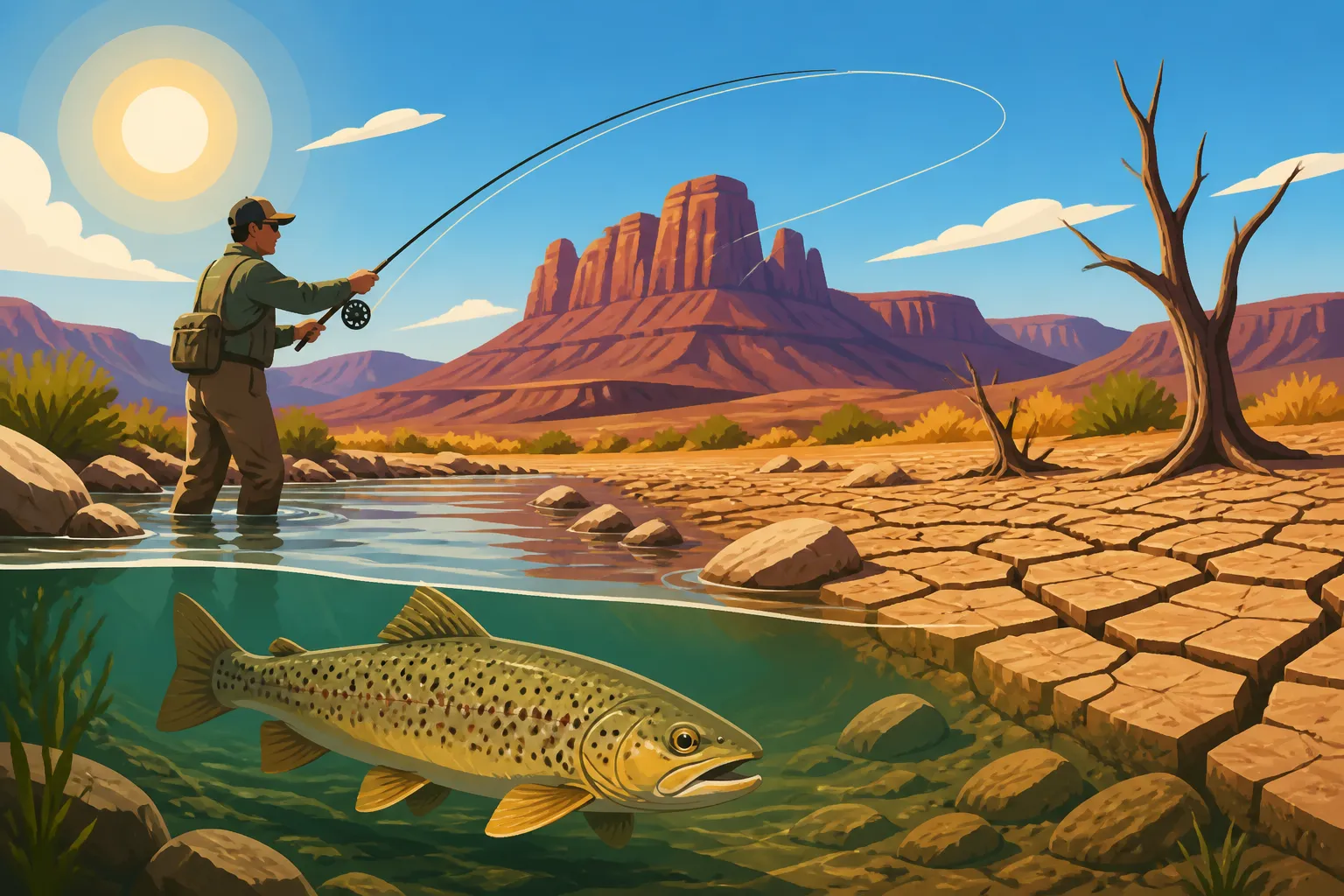
It's incredibly frustrating, isn't it? You spend weeks planning that perfect New Mexico fishing trip, dreaming of pristine waters and eager fish, only to arrive and find a stark, low-water reality. Drought conditions are a persistent and often heartbreaking challenge for anglers in our beautiful state, transforming familiar fishing holes into shallow puddles or even dry riverbeds. This guide is here to walk you through the nuances of fishing New Mexico during these challenging drought years, offering practical strategies and insights to help you adapt and still find success on the water.
Understanding the Impact of Drought on New Mexico Fisheries
Drought isn't just about less water; it's a cascade of environmental changes that fundamentally alter aquatic ecosystems. When the snowpack is sparse and the rains don't come, our precious lakes, rivers, and streams feel the pressure. It's a complex interplay of factors, and understanding them is the first step to becoming a more resilient and effective angler.
Declining Water Levels and Habitat Loss
The most obvious impact of drought is the dramatic drop in water levels. Reservoirs shrink, exposing vast mudflats where water once teemed with life. Rivers become mere trickles, isolating fish in dwindling pools. This isn't just an aesthetic issue; it's a direct attack on fish habitat. When water levels recede, critical spawning grounds might dry up before eggs can hatch, or nursery areas for young fish disappear entirely. Structure that once provided cover – submerged brush, rock piles, ledges – becomes exposed, leaving fish vulnerable and without refuge.
Think about a lake like Elephant Butte Lake Fishing Guide. In wet years, its shoreline is vibrant, offering countless nooks and crannies for bass and crappie to hide and ambush prey. During severe drought, those same areas can be bone dry, forcing all the fish into a much smaller, deeper footprint. This concentration means less personal space for each fish, fewer places to hide from predators like birds of prey, and a desperate search for food in a shrinking pantry. Smaller streams, especially those that rely heavily on snowmelt, can completely disappear in sections, segmenting fish populations and making migration impossible. It's a tough reality to witness, and it certainly changes how and where we can fish.
Elevated Water Temperatures and Oxygen Depletion
Less water also means warmer water, especially in our sunny New Mexico climate. Shallower areas heat up much faster, and even deeper sections of lakes can see significant temperature increases. While warmwater species like bass and catfish can tolerate higher temperatures, they still have limits. For coldwater species like trout, elevated temperatures can be deadly. Trout need cool, oxygen-rich water to thrive, and when temperatures climb into the high 60s or 70s Fahrenheit, they become severely stressed.
The problem is compounded by oxygen depletion. Warmer water holds less dissolved oxygen. When you combine reduced oxygen with high fish density in a smaller water volume, you create a suffocating environment. Fish become lethargic, their metabolism slows, and they become far less interested in feeding. This is particularly noticeable in smaller ponds or the slower sections of rivers. Even on a major river like the Rio Grande, during periods of low flow and high heat, you'll find stretches where fish simply can't survive, especially if they are coldwater species. Understanding this crucial environmental stress factor is vital, not just for catching fish, but for practicing responsible catch and release, which we'll discuss later.
Increased Competition and Predation Pressure
With declining water levels and shrinking habitat, the fish that remain are forced into closer proximity. This leads to a dramatic increase in competition for limited resources like food and cover. Imagine a bustling city suddenly having its available housing cut in half – everyone is crammed together, resources are scarce, and tensions run high. It's similar for fish. Smaller fish are more easily outcompeted for the best feeding lanes or the most protected spots.
Beyond competition, the concentrated fish populations become easier targets for predators. Birds of prey, like ospreys and eagles, find fishing much simpler when their prey is confined to smaller areas. Mammalian predators like raccoons and coyotes can also take advantage of exposed banks and shallow waters. While this is a natural part of the ecosystem, during extreme drought, it adds another layer of stress to already struggling fish populations. As anglers, we can sometimes mistake this concentration for an opportunity, but it's essential to remember that these fish are often under immense stress, making them more vulnerable and requiring a more careful approach from us.
Strategies for Adapting Your Fishing Approach During Drought
Fishing during drought years demands a fundamental shift in strategy. What worked in high-water conditions likely won't cut it when the water is low and the fish are stressed. It's about being observant, flexible, and often, more patient.
Targeting Deeper and Cooler Water
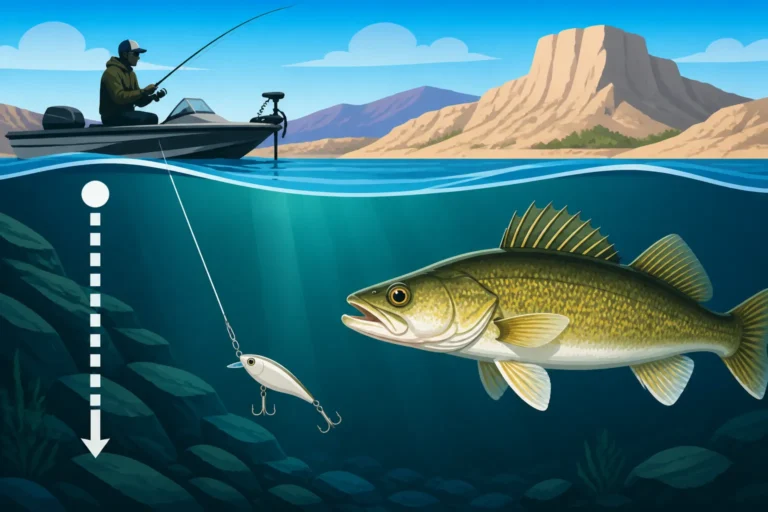
When the sun beats down and water levels drop, fish, especially trout and even many warmwater species, will instinctively seek refuge in the deepest, coolest pockets of water available. This means rethinking your typical fishing spots. Instead of casting to obvious shoreline structure, you'll want to focus on areas with abrupt drop-offs, deep channels, or submerged springs if you can locate them. In reservoirs, this often means moving away from the banks and out into the main lake basin. Look for humps, ledges, or old creek beds that are now far beneath the surface.
For river fishing, target the deepest pools, undercuts, and areas where the current creates a natural depression. Sometimes, even a foot or two of extra depth can make a significant difference in water temperature and oxygen levels. A good fish finder can be an invaluable tool in these conditions, helping you locate thermoclines – layers of rapidly changing water temperature – and identify where fish are holding. Even without electronics, paying attention to the topography of the surrounding land can give clues about what lies beneath the surface. If there's a steep bank or cliff on shore, there's a good chance it extends deeper into the water.
Adjusting Lure Selection and Presentation
Fish in stressed, low-water conditions are often less aggressive and more wary. They're not actively chasing down food in the same way they would be in abundant, comfortable conditions. This calls for a more subtle approach to your lure selection and presentation. Bright, flashy, and fast-moving lures might spook them more than entice them. Instead, think about natural-looking baits and slower retrieves.
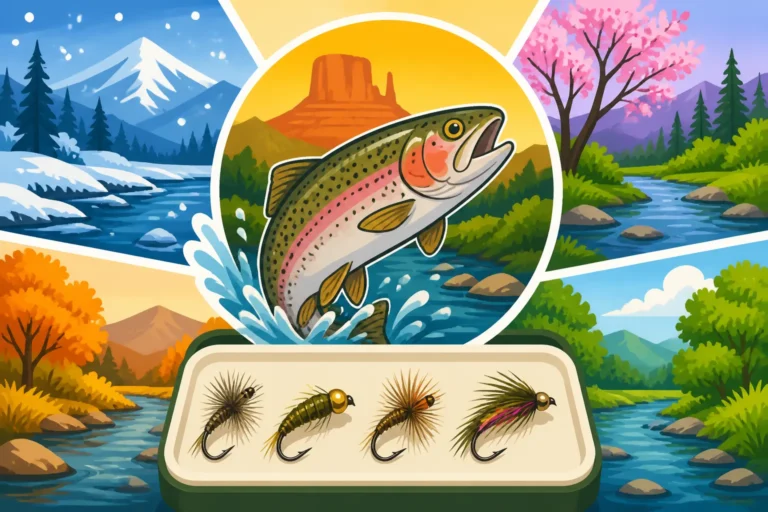
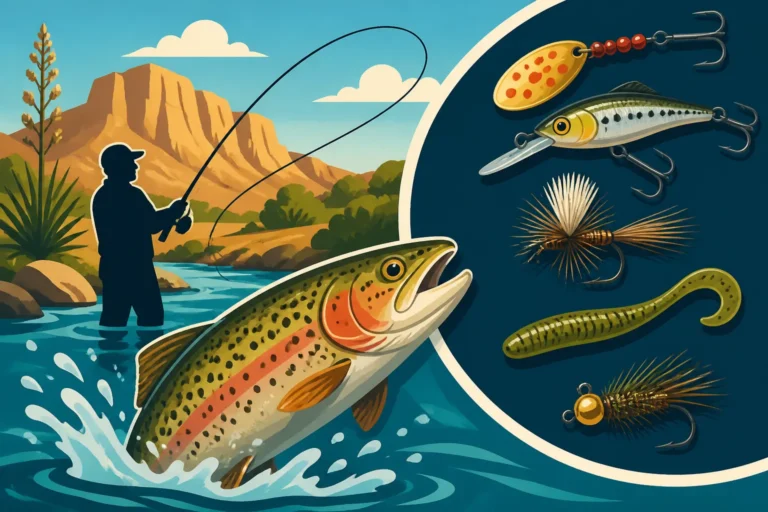
For trout, small, natural-colored nymphs or tiny emerger patterns can be highly effective, mimicking the scarce insect life they might be focused on. If using spinning gear, consider smaller inline spinners in muted colors, or tiny jigs tipped with a piece of PowerBait or a natural bait. For bass, try soft plastics rigged Texas-style, slowly dragged along the bottom, or finesse jigs. The key is to present your bait in a way that suggests an easy, non-threatening meal. Remember, these fish aren't usually in a high-energy feeding frenzy. They're conserving energy, so a slow, deliberate presentation directly in their strike zone will often yield better results than a power-fishing approach. You might find a good selection of these specialized drought lures on Amazon, making it easy to stock up.
Early Morning and Late Evening Fishing
This isn't just a suggestion during drought; it becomes almost a necessity. As the sun rises and temperatures climb, the fish retreat to deeper, cooler water and become less active. The twilight hours of dawn and dusk, however, offer a window of opportunity. During these cooler parts of the day, water temperatures are at their lowest, and fish often feel more comfortable moving into shallower areas to feed. The reduced light also provides a sense of security, making them less wary.
Imagine fishing a small stream near Taos where the daytime temperatures are scorching. Trying to fish at noon would likely be fruitless, with stressed trout hunkering down. But if you're there at sunrise, you might find them actively feeding on insects for a short window. The same applies to larger reservoirs. While you might be targeting deep structure during the day, those same bass and walleye might venture closer to submerged points or humps during low-light conditions. Always check the Best Time of Year to Fish in New Mexico to align your efforts with seasonal patterns, but understand that drought amplifies the importance of these golden hours.
Focusing on Tailwaters and Spring-Fed Streams
While many natural waterways suffer during drought, certain types of fisheries can offer a surprising sanctuary: tailwaters and spring-fed streams. Tailwaters are the sections of river immediately below large dams. The water released from the bottom of these reservoirs is often consistently cold, regardless of surface air temperatures, providing a stable, oxygen-rich environment for trout. The San Juan River Fishing Guide, for instance, is a world-renowned tailwater fishery in New Mexico that often fishes exceptionally well even during widespread drought because its water source is deep and cold from Navajo Lake.
Spring-fed streams, as their name suggests, are fed by underground springs that maintain a relatively constant temperature year-round. These can be lifelines for fish during hot, dry periods. While often smaller and less common, identifying and accessing these can provide some of the most reliable fishing during drought years. They might require a bit more hiking or exploring, but the reward of finding a thriving, cool-water fishery amidst a dry landscape is immeasurable. Always remember to check New Mexico Trout Fishing Rules as some of these delicate ecosystems may have special regulations.
Key New Mexico Lakes and Rivers Affected by Drought
Drought doesn't impact all bodies of water equally. Some are particularly vulnerable due to their size, depth, or primary water sources, while others, due to their unique characteristics, might fare slightly better. Knowing which waters are most susceptible can help you plan your trips more effectively.
Reservoirs with Significant Water Level Fluctuations
New Mexico is home to several large reservoirs that are critical for irrigation, flood control, and recreation. While they offer fantastic fishing in good years, they are also highly susceptible to dramatic water level fluctuations during drought. Lakes like Elephant Butte Lake, Caballo Lake, and Ute Lake can see their surface area shrink by a significant percentage, changing the fishing landscape entirely. What was once a productive cove might become a dry basin, and boat ramps can become unusable, leaving only limited access.
When these reservoirs drop, fish patterns change dramatically. Striped bass at Elephant Butte Lake, for example, which often chase baitfish in open water, may become concentrated in fewer, deeper areas, making them harder to find but perhaps easier to target once located. Walleye at Conchas Lake or Ute Lake might abandon their usual points and humps for deeper structure along old river channels. This necessitates a shift from fishing vast expanses to pinpointing specific, deep holding areas. It also often means relying on boat access from the few remaining functional ramps, or focusing on very specific bank fishing spots that still offer sufficient depth. Keeping an eye on Current Water Levels at New Mexico's Major Reservoirs is absolutely essential before heading out.
Rivers and Streams with Reduced Flow
Our rivers and smaller streams are the lifeblood of the state's trout and warmwater fisheries. The Rio Grande, Pecos River, and Chama River are prime examples. During drought, these waterways experience significantly reduced flows, leading to shallower depths, warmer temperatures, and less oxygen. Sections that are typically vibrant trout streams can become too warm to sustain them, forcing fish to migrate to higher elevations or perish.
Smaller, tributary streams are often the first to feel the pinch, sometimes drying up entirely. This not only directly impacts the fish living there but also cuts off critical pathways for fish migrating to spawn or find cooler waters. For anglers, this means focusing on the more resilient sections of these rivers, often where they are fed by colder tributaries or below dams (tailwaters). Fishing the Rio Grande below Cochiti Dam, for instance, might hold better during a drought than upstream sections due to controlled water releases. In these low-flow conditions, stealth and careful wading become paramount, as fish are easily spooked in clear, shallow water.
High Mountain Lakes and Their Vulnerability
Many anglers cherish New Mexico's high mountain lakes for their pristine beauty and wild trout. These lakes, often requiring a hike to reach, seem like they would be immune to drought, but they are not. While they might fare better than lower-elevation waters, prolonged drought means less snowpack to feed them in the spring and less monsoon rain in the summer. Over several dry years, even these seemingly robust ecosystems can see declining water levels and warmer temperatures.
Lakes like those in the Pecos Wilderness or the high country near Taos rely heavily on melting snow. A poor snow year directly translates to less inflow and lower water levels. This can affect trout populations by reducing spawning success or concentrating fish in smaller, deeper basins, similar to larger reservoirs, albeit on a smaller scale. These lakes can also experience higher fishing pressure as anglers seek refuge from struggling lower-elevation waters. While still offering excellent fishing, it’s a reminder that no fishery is truly isolated from the effects of climate, and careful angling practices, especially New Mexico Catch and Release Regulations, are crucial in these sensitive areas.
Fish Behavior Changes in Low Water Conditions
Drought doesn't just change the environment; it fundamentally alters how fish behave. Their priorities shift from active feeding and territorial defense to survival, seeking comfort, and conserving energy. Recognizing these behavioral changes is key to understanding where to find them and how to entice a bite.
Trout and Coldwater Species Adaptation
Trout – including rainbow, brown, cutthroat, and Gila trout – are perhaps the most vulnerable to drought conditions due to their strict coldwater requirements. When water temperatures rise and oxygen levels drop, these fish become incredibly stressed. Their metabolism slows down, making them less inclined to chase food aggressively. They will actively seek out thermal refugia: the coolest, deepest water they can find, often near spring inflows, shaded banks, or under heavy cover like fallen logs and rocks.
In these conditions, trout become very lethargic and extremely selective feeders. They won't expend energy chasing just any meal. This means your flies or lures need to be presented flawlessly, often directly to their nose, and imitate natural food sources with precision. You'll likely notice fewer surface rises, as they prioritize staying deep. They may also school up more tightly in preferred holding areas, offering a challenge to present a bait without spooking the entire school. Understanding these adaptations is crucial for Trout Fishing Techniques for New Mexico during drought; it means slowing down, downsizing your tackle, and focusing on precision.
Warmwater Species Behavior in Stressed Environments
While warmwater species like bass, catfish, and crappie can tolerate higher temperatures than trout, even they have their limits and exhibit behavioral changes during drought. As water levels drop and temperatures climb, these fish will also seek refuge, often moving to deeper water, shaded areas, or dense cover. Largemouth bass might bury themselves deep in brush piles or under docks, while smallmouth bass might retreat to the deepest rock piles or ledges. Catfish, known for their resilience, may still feed but might become more nocturnal, venturing out only during the coolest parts of the night.
Crappie, typically found around submerged timber or brush, will often hug these structures even more tightly as water recedes, looking for shade and safety. They might suspend at specific depths where the water temperature is most comfortable. Just like trout, these fish can become less aggressive and more lethargic. You might need to slow down your retrieve, use smaller baits, or fish during low-light hours to get their attention. The New Mexico Statewide Bag Limit for Bass or other warmwater species might feel generous, but in drought conditions, limiting your take and releasing fish carefully is often the most ethical approach.
Spawning and Reproduction Challenges
Beyond impacting adult fish, drought has profound long-term consequences for fish populations by disrupting spawning and reproduction. Many species rely on specific water levels and flows during their spawning periods. For example, some fish lay eggs in shallow, vegetated areas that might become completely dry if water levels drop prematurely. Others need a certain flow rate in rivers to clean gravel beds for egg deposition, and low flows can lead to siltation, smothering eggs.
A prime example is kokanee salmon in lakes like Navajo Lake or Heron Lake, which typically move into shallower areas or tributaries to spawn in the fall. If water levels are significantly low, these crucial spawning grounds might be inaccessible or dry. Similarly, the reproductive success of trout in many New Mexico streams is tied directly to consistent flows. If a drought persists over several years, it can lead to multiple failed spawning seasons, severely reducing the future fish population. This emphasizes why conservation efforts and adherence to New Mexico Fishing Regulations Overview are so vital during these challenging times, to protect the fish that manage to reproduce.
Conservation and Ethical Angling in Drought
Fishing during drought years isn't just about catching fish; it's about being an incredibly responsible and ethical angler. Our actions can have a magnified impact on fish populations already under immense stress. It’s a time to be a steward of the resource, not just a harvester.
Catch and Release Best Practices in Stressed Waters
Catch and release is a cornerstone of conservation, but its importance escalates dramatically during drought. When fish are already struggling with warm water and low oxygen, the stress of being caught can be fatal, even if they swim away. It’s crucial to implement the absolute best practices for handling fish you intend to release.
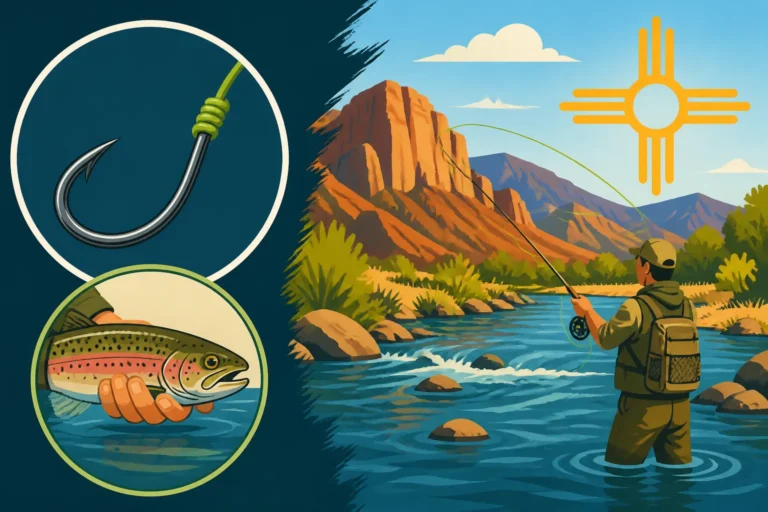
First and foremost, minimize handling. Keep the fish in the water as much as possible. Use a rubberized net, which is gentler on their slime coat and fins than nylon. If you must remove the fish for a quick photo, do it swiftly, with wet hands, and support its full weight horizontally. Avoid touching the gills or squeezing the belly. Use barbless hooks, or pinch down the barbs on your hooks, as this greatly reduces tissue damage and makes release quicker. When releasing, hold the fish gently in the water, facing upstream, allowing water to flow over its gills until it regains strength and swims off on its own. If a fish is struggling or water temperatures are extremely high (e.g., above 68-70°F for trout), consider not fishing for that species at all. You can learn more about this by reading How to Keep Trout Cool and Alive for Catch and Release.
Understanding Bag Limits and Special Regulations
New Mexico Game and Fish often implements specific regulations to protect fish populations during drought years. These might include reduced bag limits, size restrictions, or even temporary closures of certain waters. It’s not uncommon for them to adjust limits on species like trout or even catfish when populations are stressed. For instance, while the New Mexico Daily Trout Bag Limit might generally be five fish, it could be reduced to two or even catch-and-release-only on specific, sensitive waters during a severe drought.
It is your responsibility as an angler to be aware of and strictly adhere to these regulations. Before any fishing trip, always check the current New Mexico Department of Game and Fish proclamation or their website. These rules are put in place for a reason: to give fish populations the best chance of survival and recovery. Ignoring them not only risks hefty fines but also contributes to the further decline of our fisheries. Being informed and compliant is a critical aspect of ethical angling during these sensitive times.
Supporting Habitat Conservation Efforts
As anglers, we have a vested interest in the health of New Mexico’s waterways. During drought years, habitat degradation is accelerated, making conservation efforts more important than ever. Supporting organizations that work on river restoration, riparian planting, and water conservation can make a real difference. This might involve volunteering for stream cleanups, participating in habitat improvement projects, or donating to conservation groups like Trout Unlimited or the New Mexico Wildlife Federation.
Even small actions can help. For example, minimizing your impact on fragile streambanks, being mindful of litter, and reporting any significant pollution or fish kills to the Department of Game and Fish are all ways to contribute. Understanding that the health of the entire ecosystem, from the smallest insect to the largest fish, is interconnected helps us appreciate the broader context of drought and our role in mitigating its effects. Every bit of effort helps protect these precious resources for future generations, ensuring that Best Places to Fish in New Mexico remain vibrant.
Finding Real-Time Water Level Information and Resources
One of the biggest challenges when fishing during drought is the constantly changing conditions. What was true last week might not be true today. Relying on outdated information can lead to wasted trips and disappointment. Fortunately, there are several reliable resources to help you stay informed.
New Mexico Game and Fish Department Resources
The New Mexico Department of Game and Fish (NMDGF) is your primary source for up-to-date fishing conditions and regulations. Their website is a treasure trove of information, including weekly fishing reports, stocking schedules, and special advisories. During drought periods, they often post warnings about high water temperatures in specific areas or temporary closures.
Their weekly fishing reports are particularly valuable as they often include details on water levels and clarity, as well as recent success stories (or lack thereof) from various lakes and rivers across the state. They also publish the official New Mexico Fishing Regulations Overview annually, but always check for updates or amendments, as drought can necessitate mid-season changes. Subscribing to their newsletters or following their social media channels can also provide timely alerts. Don't underestimate the power of this government resource; it's designed to help you fish legally and successfully.
USGS Streamflow Data and Reservoir Levels
For the most scientific and real-time data on water levels and flows, the U.S. Geological Survey (USGS) is an indispensable tool. The USGS operates a network of streamgages throughout New Mexico (and the entire country) that provide real-time information on river height and discharge rates. You can access this data directly through their website, often presented in easy-to-understand graphs.
Similarly, agencies like the Bureau of Reclamation often provide data on reservoir storage levels. Monitoring these numbers can give you a clear picture of how much water is in a lake and whether it's rising or falling. For instance, before a trip to Elephant Butte, checking its current elevation and percentage full via the USGS or Bureau of Reclamation site can inform your decisions about boat ramps and where fish might be holding. This information can be a bit intimidating at first glance, but with a little practice, you'll find it incredibly useful for predicting fishing conditions and identifying which streams might still have viable flows for Fishing New Mexico's Cold Tailwaters in Winter.
Local Bait Shops and Online Forums
While official sources are paramount, don't underestimate the power of local knowledge. Bait and tackle shops in communities near popular fishing destinations are often the first to know about local conditions. They talk to anglers every day, hear firsthand reports, and have a finger on the pulse of their specific fishery. A quick phone call can often save you a long drive.
Online fishing forums and social media groups dedicated to New Mexico fishing can also be a good source of community intelligence. Anglers often share their experiences, post photos, and discuss current water conditions. However, always take online reports with a grain of salt and cross-reference them with official sources. While helpful for anecdotal information, they shouldn't be your sole basis for planning a trip. Combining the detailed reports from NMDGF and USGS with the ground-level insights from local shops and fellow anglers gives you the most comprehensive picture for Fishing During Monsoon Season in New Mexico or any other challenging conditions.
| Resource Type | Information Provided | Best For | Access Method |
|---|---|---|---|
| NMDGF Website | Weekly fishing reports, stocking schedules, regulations, advisories | General conditions, regulations, stocking updates | Online |
| USGS Streamflow Data | Real-time river height, discharge rates, water temperature | Detailed river conditions, flow trends | Online (USGS website) |
| Bureau of Reclamation | Reservoir storage levels, lake elevations | Major reservoir levels, long-term trends | Online |
| Local Bait & Tackle Shops | Localized current conditions, recent catch reports | Hyper-local insights, immediate advice | Phone call, in-person visit |
| Online Fishing Forums | Angler reports, anecdotal observations, community tips | Peer experiences, general sentiment | Online forums, social media groups (e.g., Facebook) |
Disclaimer
Please note that fishing regulations and water conditions in New Mexico can change rapidly, especially during drought periods. Always consult the official New Mexico Department of Game and Fish website and current proclamations before heading out to fish. This guide provides general information and best practices; however, it is the individual angler's responsibility to ensure compliance with all applicable laws and to prioritize safety and ethical angling.