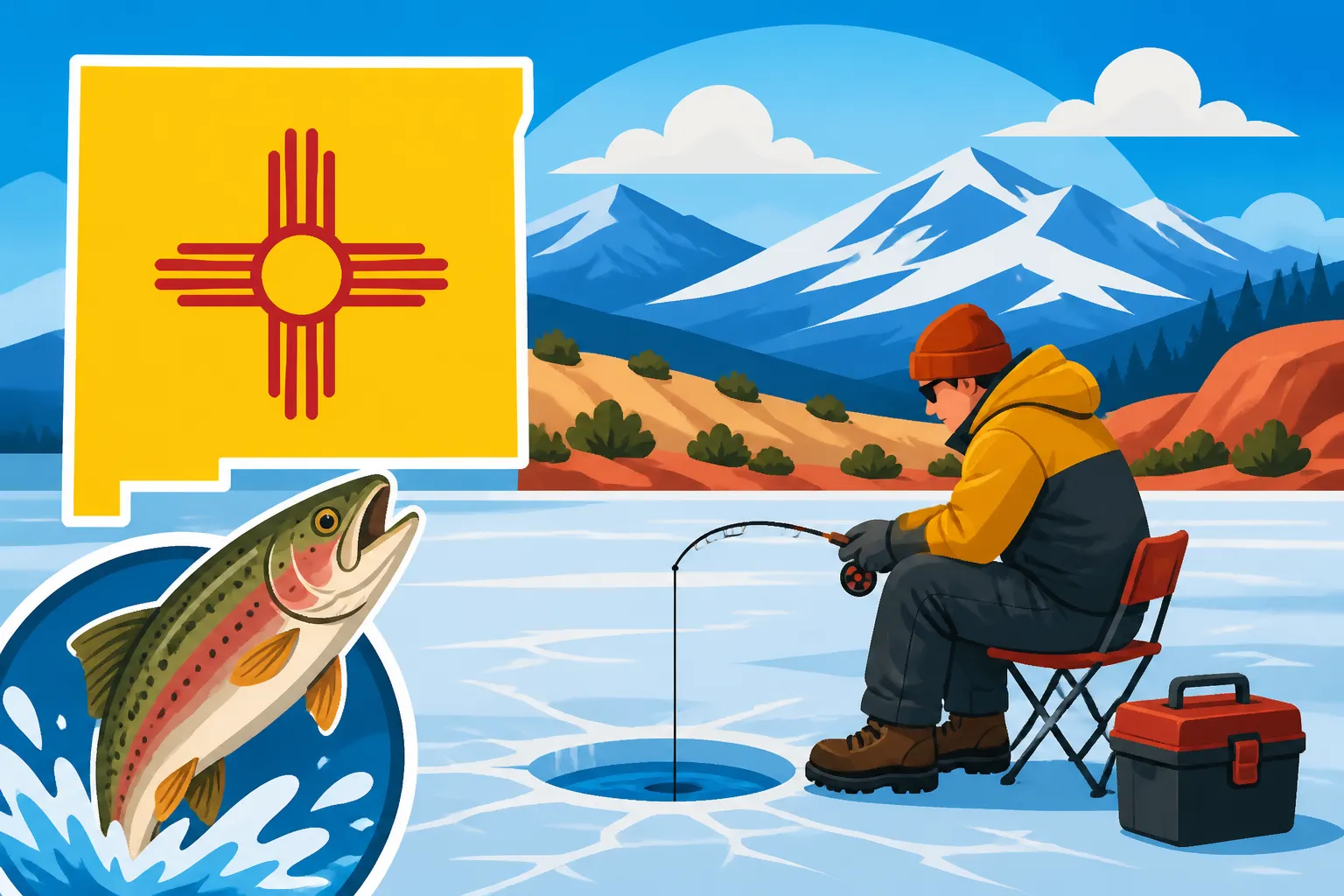
Which New Mexico Lakes Freeze Over for Ice Fishing?
There’s nothing quite like the unique thrill of ice fishing, but if you’re new to the game in New Mexico, you might be scratching your head trying to figure out which lakes actually freeze solid enough to be safe. It's not like some northern states where every body of water becomes a winter wonderland for anglers. Our mountain climate means conditions can be incredibly variable, leading to frustration and, more importantly, safety concerns for those eager to drop a line through the ice. This comprehensive guide is designed to cut through the uncertainty, pointing you toward the most reliable and popular lakes for ice fishing in New Mexico, along with crucial safety advice to make your winter angling adventures a success.
The Unique Challenge of Ice Fishing in New Mexico
New Mexico isn't typically the first state that comes to mind when you think of ice fishing, and for good reason. Our winters, while chilly, aren't always consistent enough to guarantee thick, safe ice across all our lakes, especially in lower elevations. However, for those willing to venture into the higher altitudes of our beautiful northern mountains, the opportunity to enjoy this serene winter sport is definitely there. It's a special experience, offering a quiet solitude and a different kind of challenge compared to open-water fishing. You'll find a dedicated community of anglers who eagerly await the freeze each year, ready to bundle up and chase trout, kokanee salmon, and even the elusive tiger muskie through a hole in the ice.
Factors Influencing Ice Formation and Stability
When we talk about which New Mexico lakes freeze over, it's really about a combination of elevation, consistent cold temperatures, and the size and depth of the body of water. Lakes situated at higher elevations, generally above 7,000 feet, tend to experience colder and more prolonged freezing conditions. These spots see more consistent overnight lows well below freezing, allowing ice to build up steadily.
Wind also plays a significant role. Strong winds can keep larger, exposed lakes from freezing uniformly, or they can break up newly formed ice. Shallower coves and protected areas will often freeze much faster than open water. Deeper lakes, even at high elevations, might take longer to freeze completely due to their larger volume of water retaining heat. This means that while one lake might have solid ice, a seemingly similar lake just a short drive away could be completely open or dangerously thin. Understanding these dynamics is paramount for anyone considering a winter fishing trip, especially if you're exploring beyond the well-known spots. For a general overview of seasonal opportunities, check out our guide on Winter Fishing in New Mexico.
Top New Mexico Lakes Known for Reliable Ice Fishing
When it comes to consistent, safe ice fishing opportunities, several high-elevation lakes in New Mexico consistently deliver. These are the go-to spots for most ice anglers, offering not only good ice but also excellent fishing for a variety of species.
Eagle Nest Lake
Nestled high in the Sangre de Cristo Mountains at an elevation of about 8,200 feet, Eagle Nest Lake is arguably New Mexico's most iconic ice fishing destination. Its combination of high altitude and a valley location means it often sees prolonged periods of freezing temperatures, leading to some of the most reliable ice conditions in the state. Anglers here can expect to target rainbow trout, brown trout, and most notably, kokanee salmon. The lake is generally well-stocked, and the winter bite for kokanee can be fantastic, especially if you're set up with the right jigs and tackle. Access is usually straightforward, with designated parking areas and easy walk-on access once the ice is declared safe. This lake is a true gem for winter sports enthusiasts and a must-visit for any serious ice angler in the region. For more detailed information on fishing this lake, see our Eagle Nest Lake Fishing Guide.
Heron Lake
Another jewel in Northern New Mexico's crown, Heron Lake sits just shy of 7,200 feet in elevation and is famous for its "no-wake" policy, making it a peaceful and serene fishing experience year-round. In winter, this policy, combined with its elevation, contributes to more stable ice formation compared to other larger, windier reservoirs. Heron Lake is a prime spot for kokanee salmon, as well as rainbow and brown trout. Many anglers favor Heron for its quiet atmosphere and the chance to pull out some impressive kokanee, especially during the early ice season. Its clear waters also make for beautiful winter scenery, adding to the overall experience. Just remember to pack extra layers, as those mountain winds can be brisk even on sunny days. You can learn more about fishing for the prized Heron Lake Kokanee Salmon Fishing.
Fenton Lake
Located at a lofty 7,700 feet within the Jemez Mountains, Fenton Lake is a smaller, often more intimate, ice fishing destination. Its size and relatively protected location allow it to freeze quite reliably, often being one of the first lakes to offer safe ice and one of the last to melt. Fenton Lake State Park offers good access, though it’s wise to check the park's winter hours and conditions before heading out. The lake is known for its excellent trout fishing, with both rainbow and brown trout being common catches through the ice. Sometimes, specific regulations for fly fishing or artificial lures only might apply, even in winter, so always consult the latest New Mexico Department of Game and Fish (NMDGF) regulations before you go. This spot is particularly appealing for those looking for a quieter, more traditional ice fishing outing away from larger crowds. If you're planning a trip there, our article on Fenton Lake Winter Trout Fishing offers more insights.
Bluewater Lake
Situated at an elevation of around 7,400 feet in western New Mexico, Bluewater Lake offers a slightly different ice fishing experience. While it doesn't always boast the same consistent thickness as Eagle Nest or Heron, it frequently develops safe ice and is a popular choice for anglers seeking something unique: the tiger muskie. Along with rainbow trout, Bluewater is known for its impressive tiger muskie population. Catching one of these toothy predators through the ice is a thrilling challenge, often requiring heavier tackle and larger baits. The lake can be windy, which can affect ice stability, so it's particularly important to verify conditions before making the trip. For those interested in the peculiar charm of this hybridized species, our guide on Tiger Muskie in New Mexico provides more context.
Other Lakes with Potential, but Less Consistent, Ice
While the lakes mentioned above are your best bets for a reliable hard water season, other bodies of water in New Mexico can offer ice fishing opportunities in particularly cold winters. However, these are often less consistent, and checking conditions becomes even more critical.
Northern New Mexico Reservoirs
Some of New Mexico's larger reservoirs in the northern part of the state might develop ice, but often only in their shallower coves or during exceptionally cold snaps. Lakes like Abiquiu Lake, while beautiful, are at slightly lower elevations and are more exposed to wind, making consistent, safe ice a rarity across the main body of water. El Vado Lake, situated between Heron and Abiquiu, sometimes offers ice fishing, particularly in its northern stretches, but it's not as dependable as Heron or Eagle Nest. Cochiti Lake, being even lower in elevation, very rarely freezes sufficiently for safe ice fishing. For these larger bodies of water, even if you see some ice, it’s often localized, thin, or unstable. Always prioritize safety and local reports above any assumptions. You can find more information about Abiquiu Lake Fishing in our other resources.
Higher Elevation Ponds and Smaller Lakes
Beyond the major reservoirs, New Mexico is dotted with numerous smaller, high-elevation ponds and alpine lakes. Many of these, particularly those in the Carson National Forest or Santa Fe National Forest, can freeze quite solid and offer excellent, secluded ice fishing opportunities for various trout species. However, these spots often require hiking or snowshoeing to access, and they typically lack official ice condition reports. Anglers venturing to these remote locations need to be self-reliant, highly experienced in winter backcountry travel, and possess the knowledge to assess ice safety independently. These are not places for beginners or casual outings without extensive preparation. It’s also important to remember that general New Mexico Fishing Regulations Overview apply to all these waters.
Essential Ice Fishing Safety and Preparation
No matter how reliable a lake's ice history is, safety should always be your number one priority when ice fishing. The thrill of the catch is never worth risking your life. Preparation and vigilance are key to a successful and safe outing.
Checking Ice Conditions and Local Reports
This cannot be stressed enough: always check local ice conditions before heading out. The New Mexico Department of Game and Fish (NMDGF) often provides updates, especially for popular lakes like Eagle Nest. Local bait shops and sporting goods stores near the lakes are invaluable resources, as they receive firsthand reports from anglers daily. Online forums and social media groups dedicated to New Mexico fishing can also be great for real-time information.
As a general rule of thumb, a minimum of four inches of clear, solid ice is recommended for walking and individual ice fishing. If you plan to use an ATV or snowmobile, much thicker ice is required, typically 5-7 inches, and a vehicle needs 8-12 inches. Never assume ice thickness is uniform; it can vary greatly even within a small area due to underwater springs, currents, or pressure ridges. Always drill test holes as you go, especially if you're venturing to a new spot on the lake. If you're curious about the best timing, our article on Best Time to Ice Fish in New Mexico can provide more details.
Gear and Attire for New Mexico's Winter Conditions
New Mexico's winter weather, especially at high elevations, can be extremely cold and unpredictable. Proper attire and essential gear are non-negotiable for comfort and safety. Layering is crucial: start with a moisture-wicking base layer, add insulating middle layers (fleece or down), and top it off with waterproof and windproof outer layers. A warm hat, insulated gloves or mittens, and waterproof, insulated boots are absolute necessities.
Beyond clothing, a basic ice fishing kit should include:
- Ice Auger: Hand augers are great for portability, but a gas or electric power auger can make drilling holes much easier. You can find a wide selection on Amazon or at local sporting goods stores.
- Ice Skimmer: To clear slush from your fishing holes.
- Ice Picks: Worn around your neck, these can be life-saving if you break through the ice, allowing you to pull yourself out.
- Spud Bar: Useful for testing ice thickness as you walk.
- Flotation Suit or PFD: A personal flotation device (PFD) or a specialized flotation suit offers extra safety and warmth.
- Portable Shelter: A pop-up ice shelter can provide crucial protection from wind and cold, enhancing your comfort significantly. Brands like Eskimo or Clam offer various sizes, many available through Amazon.
- Heater: A small, portable propane heater (with proper ventilation) can make your shelter cozy.
- First-Aid Kit: Always be prepared for minor injuries.
- Navigation Tools: GPS, map, and compass, especially if venturing into less-trafficked areas.
- Snacks and Hydration: Warm drinks in a thermos are a game-changer.
You can find a detailed breakdown of what to wear for cold conditions in What to Wear Ice Fishing in New Mexico, and a general gear guide in Ice Fishing Gear for New Mexico. For specific equipment to cut through the ice, check out Best Ice Fishing Auger for New Mexico. Remember, a little preparation goes a long way in ensuring a memorable and safe ice fishing experience in New Mexico.
Comparing New Mexico's Reliable Ice Fishing Lakes
To help you plan your next winter adventure, here's a quick comparison of the most consistently ice-covered lakes in New Mexico:
| Lake Name | Elevation (approx.) | Primary Target Species | Typical Ice Season | Notes |
|---|---|---|---|---|
| Eagle Nest Lake | 8,200 feet | Kokanee Salmon, Trout | Dec-Mar | Most reliable and popular, often crowded. |
| Heron Lake | 7,200 feet | Kokanee Salmon, Trout | Late Dec-Mar | "No-wake" lake, quieter, excellent kokanee. |
| Fenton Lake | 7,700 feet | Rainbow Trout, Brown Trout | Late Nov-Early Mar | Smaller, intimate, sometimes artificial lures only. |
| Bluewater Lake | 7,400 feet | Tiger Muskie, Rainbow Trout | Dec-Feb (variable) | Good for muskie, can be windy, check conditions carefully. |
This table provides a general overview, but actual conditions can vary significantly year to year depending on weather patterns. Always, always check current conditions!
Disclaimer
The information provided in this guide is for general informational purposes only and does not constitute professional advice. Ice fishing can be inherently dangerous. Always exercise extreme caution on the ice, check local ice conditions and regulations with the New Mexico Department of Game and Fish (NMDGF) before venturing out, and prioritize your safety above all else. Never fish alone, and inform someone of your plans before you go.